What Is Fluorite Mill Used For? Key Applications and Benefits of Fluorite Powder Grinding
Introduction to Fluorite Milling
Fluorite, also known as fluorspar (CaF₂), is a critical mineral widely used in metallurgy, ceramics, chemical industries, and optics. Its value is determined by its purity and particle size distribution. The process of transforming raw fluorite ore into fine, high-quality powder is achieved through specialized grinding equipment known as fluorite mills. These mills are designed to reduce the mineral’s particle size efficiently, enabling its use in a vast array of industrial applications. Understanding what a fluorite mill is used for requires a deep dive into the specific needs of downstream industries and the technological capabilities of modern grinding solutions.
Key Applications of Fluorite Powder
1. Metallurgical Industry (Metallurgical Grade)
The largest consumer of fluorite is the steel industry. Metallurgical-grade fluorite (typically 60-85% CaF₂) is used as a flux in steelmaking. When added to the blast furnace or basic oxygen furnace, fluorite lowers the melting point of slag, increasing its fluidity. This allows for better removal of impurities such as sulfur and phosphorus. Grinding fluorite for this application typically requires a fineness of around 10-100 mesh, which is efficiently achieved by medium-speed mills like trapezium mills or vertical roller mills. The key benefit here is the creation of a uniform flux that ensures consistent slag control and high-quality steel production.
2. Chemical Industry (Acid Grade)
Acid-grade fluorite, which contains over 97% CaF₂, is the raw material for producing hydrofluoric acid (HF). HF is a fundamental chemical intermediate used to manufacture refrigerants (like HFCs), fluoropolymers (such as PTFE/Teflon), and aluminum fluoride. The production of HF requires fluorite powder with a very fine and consistent particle size, typically 200-325 mesh (<74 microns). This fine powder maximizes the surface area for the chemical reaction with sulfuric acid. In this context, the fluorite mill is not just a size reducer; it is a precision tool that ensures chemical reactivity and yield.
3. Glass and Ceramics Industry
In the glass and ceramics sector, fluorite acts as a flux and an opacifier. It reduces the melting temperature of the glass batch, saving energy, and helps to remove bubbles during the melting process. For ceramics, such as enamel and glazes, fluorite powder (often 325 mesh) helps create a smooth, glossy finish. The uniformity of the powder is critical here; any coarse particles can lead to defects in the final product. Therefore, mills with high-precision classifiers are essential for this application.
4. Optics and Laser Crystals
A high-end application of fluorite is in the production of synthetic calcium fluoride crystals, which are used for high-quality camera lenses, microscope objectives, and UV lithography equipment for semiconductor manufacturing. While the final crystal growth is a chemical process, the initial feedstock requires extremely pure and ultra-fine fluorite powder. This demands ultrafine grinding capabilities down to 5-45 microns, achievable only with advanced ultrafine mills.
Benefits of Professional Fluorite Powder Grinding
Using a specialized fluorite mill offers several strategic advantages:
- Improved Reactivity: A consistent, fine powder increases the surface area, speeding up chemical reactions in HF production and slag fusion.
- Energy Efficiency: Modern mills, such as vertical roller mills, use a bed grinding principle that consumes 30-40% less energy than traditional ball mills.
- Product Purity: By minimizing contamination from wear parts (using special alloy materials), the mill helps maintain the high CaF₂ content required for acid-grade applications.
- Precision Classification: Built-in high-efficiency classifiers ensure that the final product has no coarse particles (e.g., >150 microns for chemical use), preventing downstream processing issues.
- Operational Flexibility: Advanced mills can produce multiple fineness specifications (from 10 mesh to 2500 mesh) with the same equipment by simply adjusting the classifier speed.
Recommended Fluorite Milling Solutions
Based on your specific production requirements—whether you need coarse flux for steel or ultra-fine powder for chemicals—we recommend two advanced solutions from our product line.
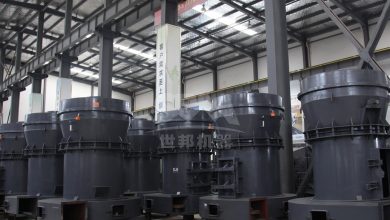
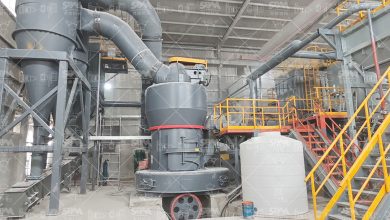
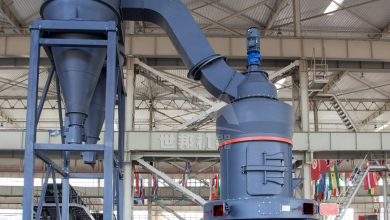
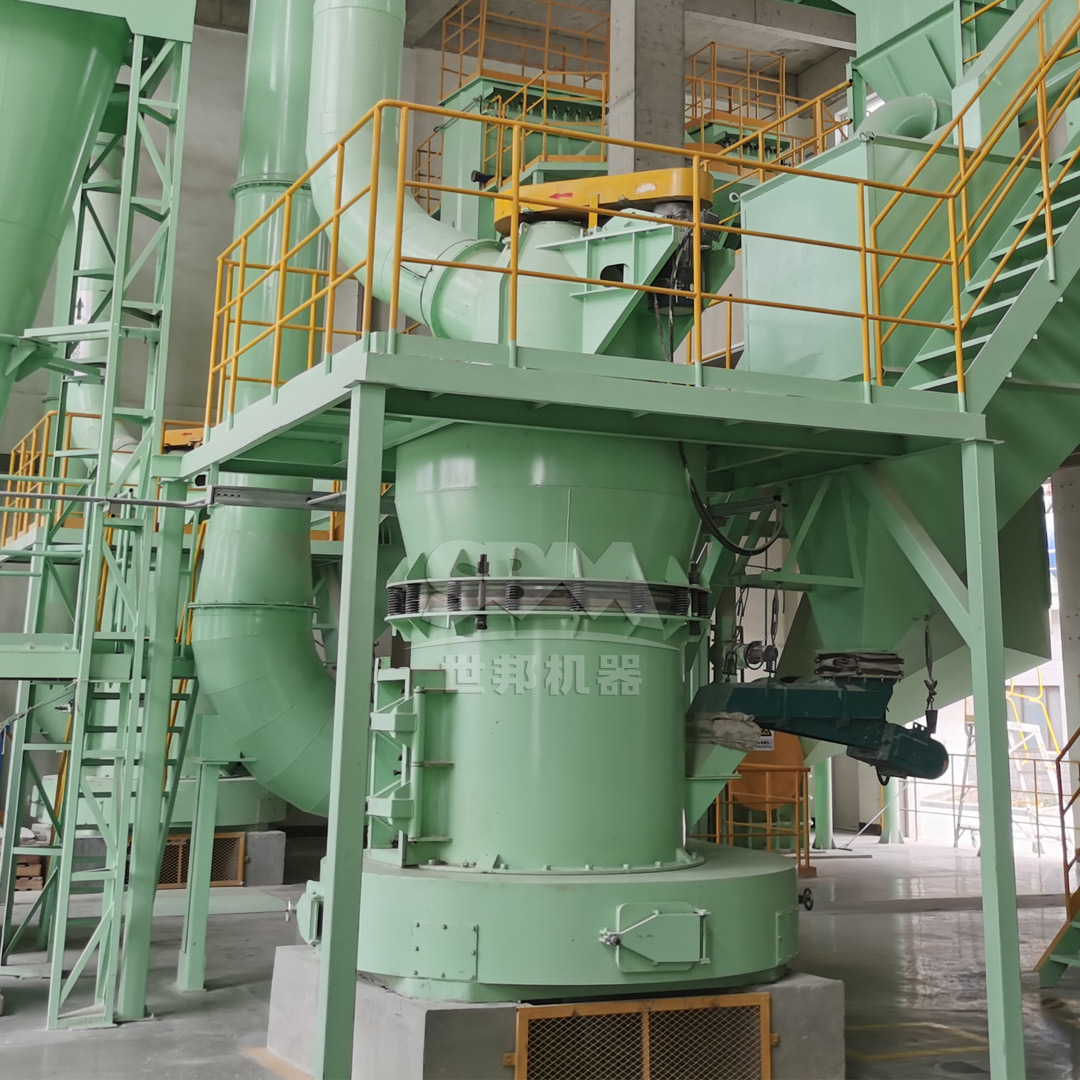
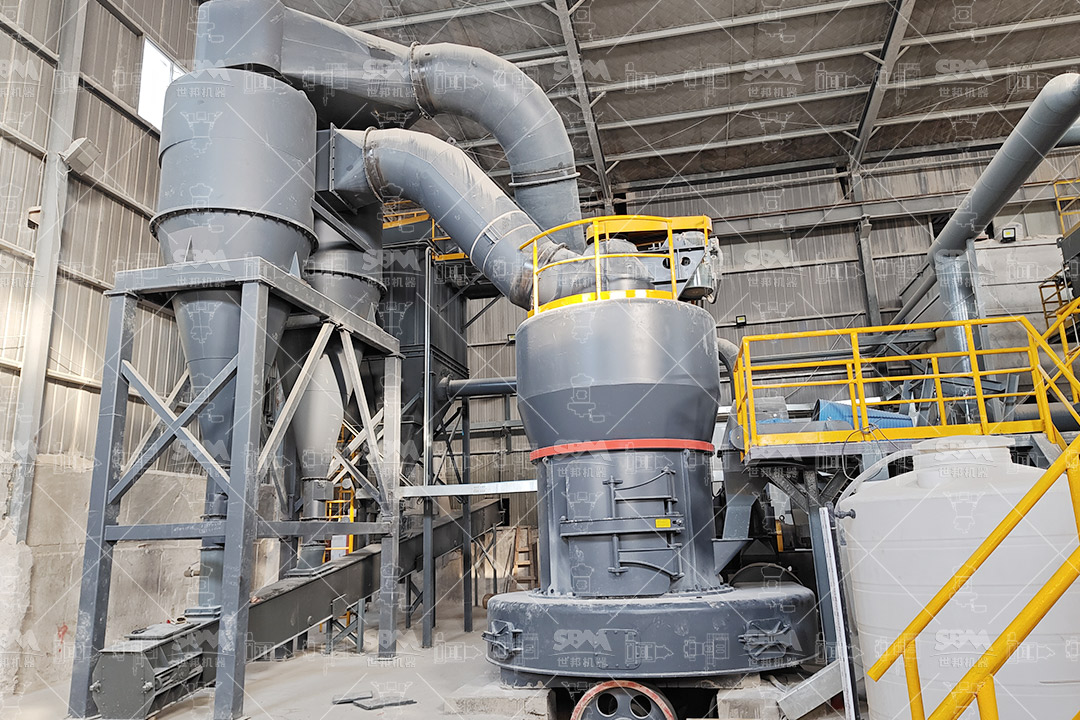
For medium to large-scale production of 30-325 mesh fluorite powder (common for metallurgical and glass industries), the MTW Series European Trapezium Mill is the ideal choice. Its optimized arc air duct and integral bevel gear drive ensure transmission efficiency up to 98%, significantly reducing operating costs. For high-capacity plants, models like the MTW215G can handle up to 45 tons per hour, making it a workhorse for industrial mineral processing.
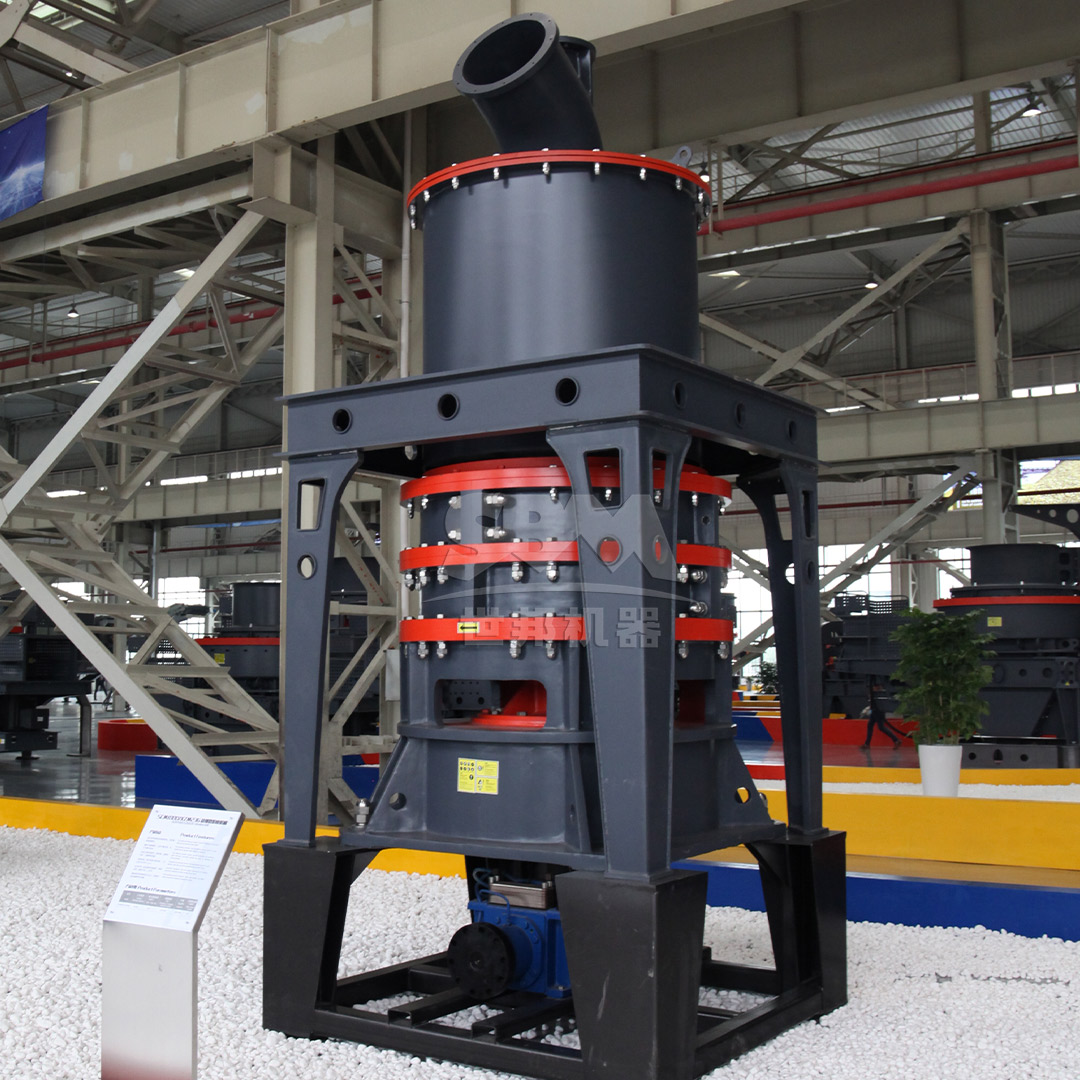
For ultra-fine fluorite powder grinding (required for acid-grade HF production or high-end fillers), the SCM Series Ultrafine Mill is unsurpassed. It is designed to produce a fineness range of 325 to 2500 mesh (45-5 microns). Its capacity is double that of jet mills, with 30% lower energy consumption. The vertical turbine classifier ensures a sharp particle size distribution with absolutely no coarse powder mixing, which is critical for chemical synthesis. If your business targets the high-value acid-grade market, the SCM Series is your precision grinding solution.
Technical Considerations for Fluorite Grinding
Fluorite has a Mohs hardness of 4, which makes it relatively soft but also friable. This presents specific challenges and opportunities:
- Consistency: Soft minerals can powder quickly, leading to over-grinding. Therefore, a mill with a quick-response classification system is vital.
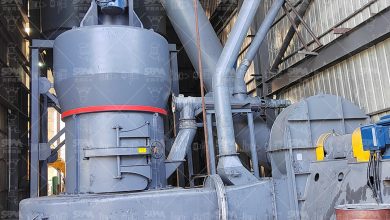
- Moisture: Fluorite often contains moisture. Mills equipped with hot air drying capabilities (like the LM Series Vertical Roller Mill) can handle higher moisture content feeds without clogging, improving overall plant efficiency.
- Abrasion: While softer than quartz, fluorite can still be abrasive over time. Mills with special material rollers and rings (as found in the SCM series) extend service life and reduce maintenance downtime.
Conclusion
A fluorite mill is far more than just a piece of crushing equipment; it is a strategic asset that determines the quality, cost, and applicability of the final product. From the high-volume production of metallurgical flux to the precise engineering of ultra-fine powder for advanced chemical synthesis, selecting the right grinding technology is crucial. By leveraging modern mill designs with high efficiency, precise classification, and intelligent control, fluorite processors can maximize their yield, reduce energy consumption, and produce powder that meets the exacting standards of global markets. Whether you are expanding an existing plant or building a new one, investing in a dedicated fluorite mill is an investment in product quality and long-term competitiveness.