High-Quality Kaolin Processing Technology and Complete Production Workflow for Industrial Applications
Introduction to Kaolin Processing
Kaolin, also known as china clay, is a naturally occurring mineral composed primarily of kaolinite. It is a critical raw material used extensively in the ceramics, paper, paint, rubber, and plastics industries. The quality of processed kaolin directly impacts the performance of end products, influencing factors such as brightness, particle size distribution, and rheological properties. To meet the stringent demands of modern industrial applications, advanced processing technology and a well-designed production workflow are essential. This article explores the complete workflow, from raw material extraction to final product packaging, highlighting key technologies that ensure high purity and precise particle size control.
Stage 1: Raw Material Crushing and Screening
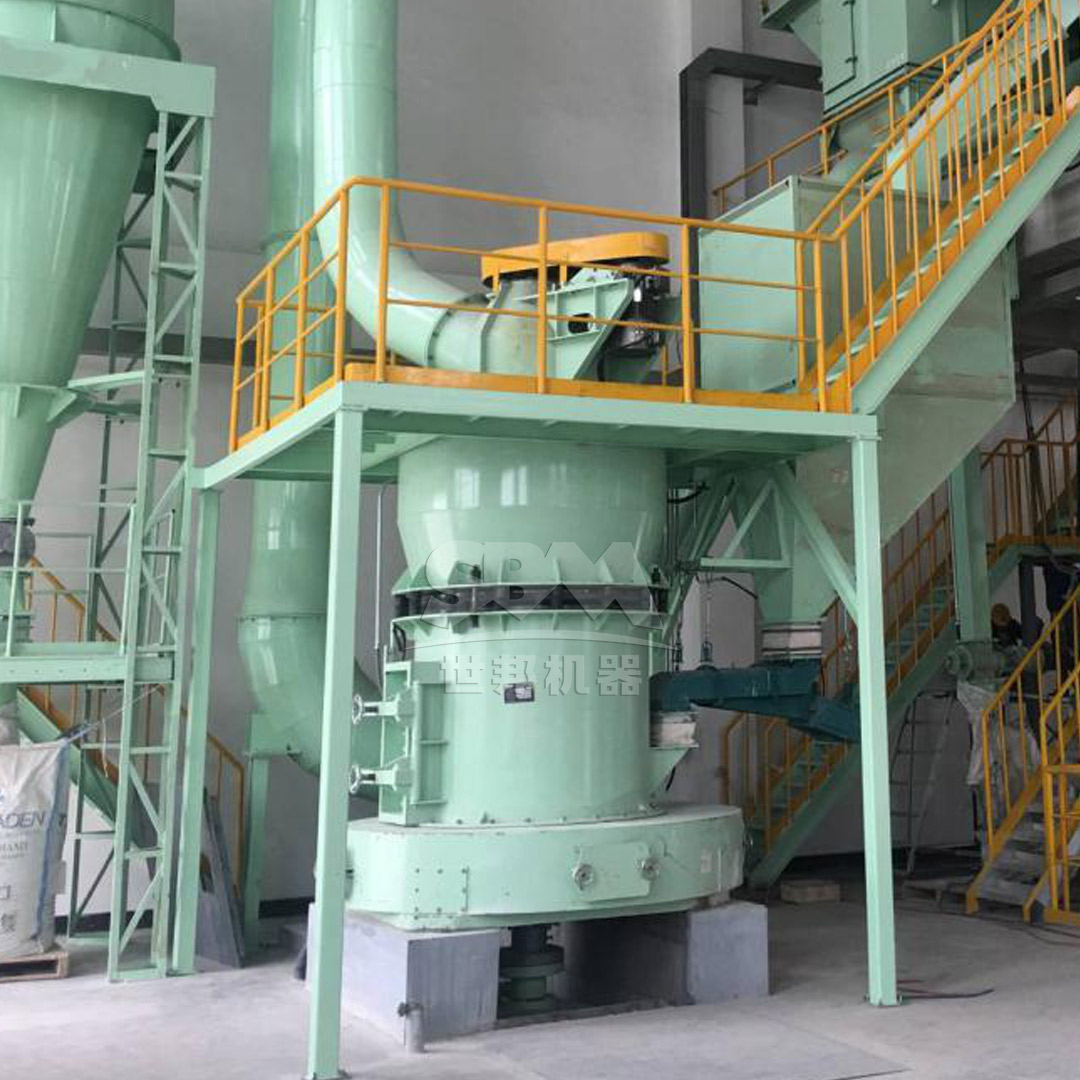
The first step in kaolin processing is reducing the mined ore to a manageable size. Run-of-mine kaolin often contains large lumps and impurities. A primary jaw crusher or hammer mill is used to break down the material. The PC Series Hammer Mill, for example, is an ideal choice for this stage, capable of crushing material from 0-40mm down to 0-3mm with high efficiency. Following crushing, a vibrating screen classifies the material, separating fines from oversize particles which are returned for further crushing. This stage ensures a consistent feed size for subsequent grinding operations.
Stage 2: Drying and Dehydration
Natural kaolin typically contains high moisture content (10-30%), which must be reduced to below 1% for efficient dry grinding. This is achieved using rotary dryers or flash dryers. Hot air, often generated by a furnace and controlled for temperature, is passed through the cascading material. Proper dehydration prevents clogging in downstream equipment and ensures optimal grinding efficiency. The drying process also helps to remove some volatile organic compounds, improving the final product’s purity and brightness.
Stage 3: Grinding and Pulverization (The Core Stage)
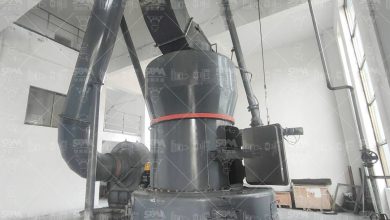
This is the most critical phase in the kaolin processing workflow. The goal is to achieve a specific fineness, typically from 45 microns to 5 microns (325-2500 mesh), depending on the end use. The choice of grinding mill is paramount. For standard industrial applications requiring a fineness of 30-325 mesh, the MTW Series European Trapezium Mill is a reliable and efficient solution. Its integral bevel gear drive achieves up to 98% transmission efficiency, and the optimized arc air duct reduces energy loss. However, for ultra-fine applications such as high-grade paper coatings and advanced ceramics, mills capable of finer grinding are required.
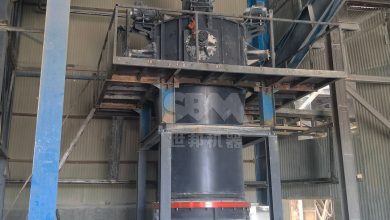
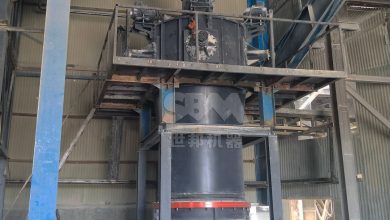
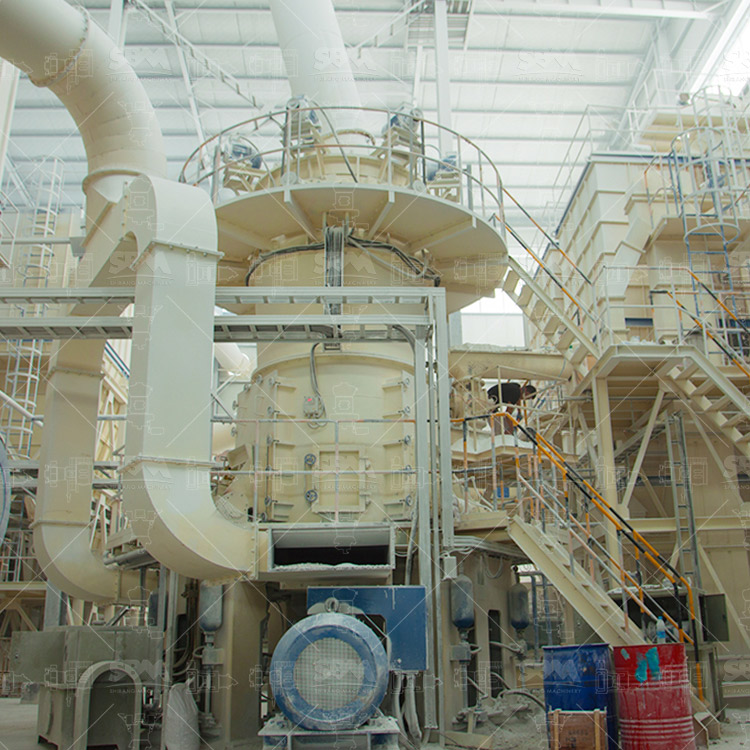
For these demanding applications, the SCM Series Ultrafine Mill stands out as a superior choice. It specializes in producing powder with a fineness of 325-2500 mesh (45-5μm). Its capacity is twice that of jet mills while consuming 30% less energy. The vertical turbine classifier ensures a precise particle size cut without coarse powder mixing, guaranteeing a uniformly fine product. The durable design, featuring special material rollers and rings, extends service life significantly, making it a cost-effective investment for high-volume, high-precision kaolin production.
Stage 4: Classification and Grading
After grinding, the powder must be classified to separate particles that have reached the target fineness from those that are still too coarse. This is typically performed by a dynamic air classifier integrated into the mill system (like the turbine classifier in the SCM mill) or as a standalone unit. The classifier’s rotor speed and airflow are adjusted to control the cut point. For applications requiring extremely narrow particle size distributions, multi-stage classification is employed. The rejected coarse particles are returned to the grinding chamber for further reduction.
Stage 5: Powder Collection and Dust Removal
Environmental compliance and product recovery are vital. The fine powder-laden air from the classifier is directed to a collection system. High-efficiency cyclone collectors recover the bulk of the product. The remaining fine dust is then captured by a pulse jet baghouse filter, achieving dust emission levels well below international standards. This closed-loop, negative pressure system ensures no dust leakage, creating a clean and safe working environment. The collected material is then conveyed to storage silos or directly to the packaging line.
Complete Production Workflow Diagram
An integrated workflow often includes a centralized control room. Modern systems employ PLC-based automation to monitor and adjust parameters like feed rate, mill speed, classifier speed, and fan airflow in real time. This intelligent control reduces manual intervention and ensures consistent product quality around the clock. The entire line is designed for continuous operation, from the initial hopper feeding to the final automatic packaging system.
Case Study: Selecting the Right Mill for Kaolin
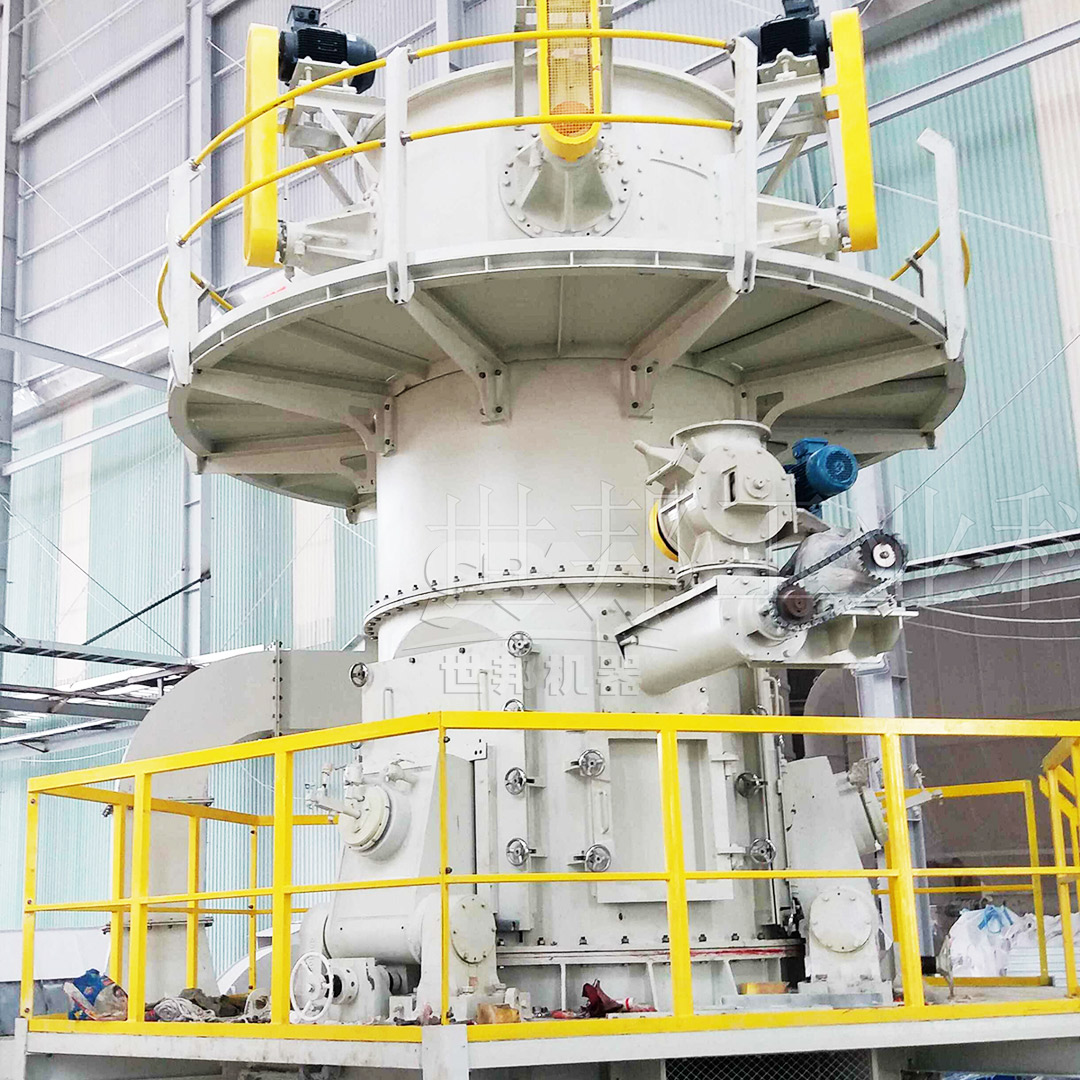
When a ceramic tile manufacturer sought to upgrade its kaolin processing line to improve the brightness and uniformity of its glazes, they required a mill capable of producing 99% passing 1250 mesh (10μm). The SCM Series Ultrafine Mill was recommended. With a feed size of less than 20mm and a capacity of 5 tons per hour, the SCM1250 model was installed. The result was a significant improvement in glaze fluidity and fired surface quality. The energy savings of 30% compared to their previous jet mill system also led to a rapid return on investment, justifying the initial capital expenditure.
Conclusion: The Future of Kaolin Processing
High-quality kaolin processing requires a combination of robust engineering, precise classification, and intelligent automation. From the initial crushing stage to the final packaging, each step must be carefully controlled. For standard applications, the MTW Series European Trapezium Mill provides a perfect balance of capacity, efficiency, and cost. For the production of ultra-fine, high-value kaolin products essential for advanced industrial applications, the SCM Series Ultrafine Mill is the clear leader. By investing in these cutting-edge technologies, producers can unlock the full potential of their raw material, meeting the ever-increasing quality standards of the global market while optimizing operational costs and environmental performance.