How Stone Paper Grinding Mills Reduce Papermaking Costs
Introduction: The Economic Imperative in Papermaking
The global paper industry faces relentless pressure to reduce operational costs while maintaining product quality. Raw material expenses, energy consumption, and equipment maintenance represent the three largest cost centers. Traditional papermaking relies heavily on wood pulp, which is subject to volatile pricing and environmental regulations. In this context, stone paper—a sustainable alternative made from calcium carbonate (CaCO₃) and a small amount of resin—has emerged as a revolutionary solution. However, the economic viability of stone paper production hinges on one critical factor: the efficiency of the mineral grinding process that produces ultra-fine calcium carbonate powder.
This article explores how advanced stone paper grinding mills, particularly ultrafine and vertical roller mills, directly reduce papermaking costs through energy savings, improved yield, and lower maintenance. By optimizing the comminution of calcium carbonate to precise fineness levels (325-2500 mesh), modern mills transform a high-cost production bottleneck into a competitive advantage.
Understanding Stone Paper and Its Raw Material Requirements
Stone paper, also known as mineral paper or rock paper, is composed of approximately 80% calcium carbonate and 20% non-toxic resin (typically HDPE). The key to producing high-quality stone paper lies in the fineness and uniformity of the CaCO₃ powder. If the particle size is too coarse, the paper will have poor tensile strength and uneven surface; if too fine without proper classification, energy is wasted. The ideal particle size distribution for stone paper generally falls between 800 and 1500 mesh (10-18 microns). Achieving this requires grinding equipment that can deliver high precision with minimal energy input.
Energy Cost Reduction: The Primary Driver
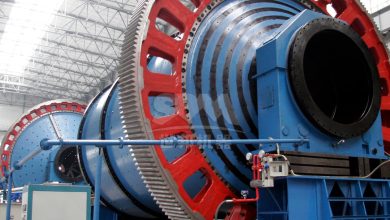
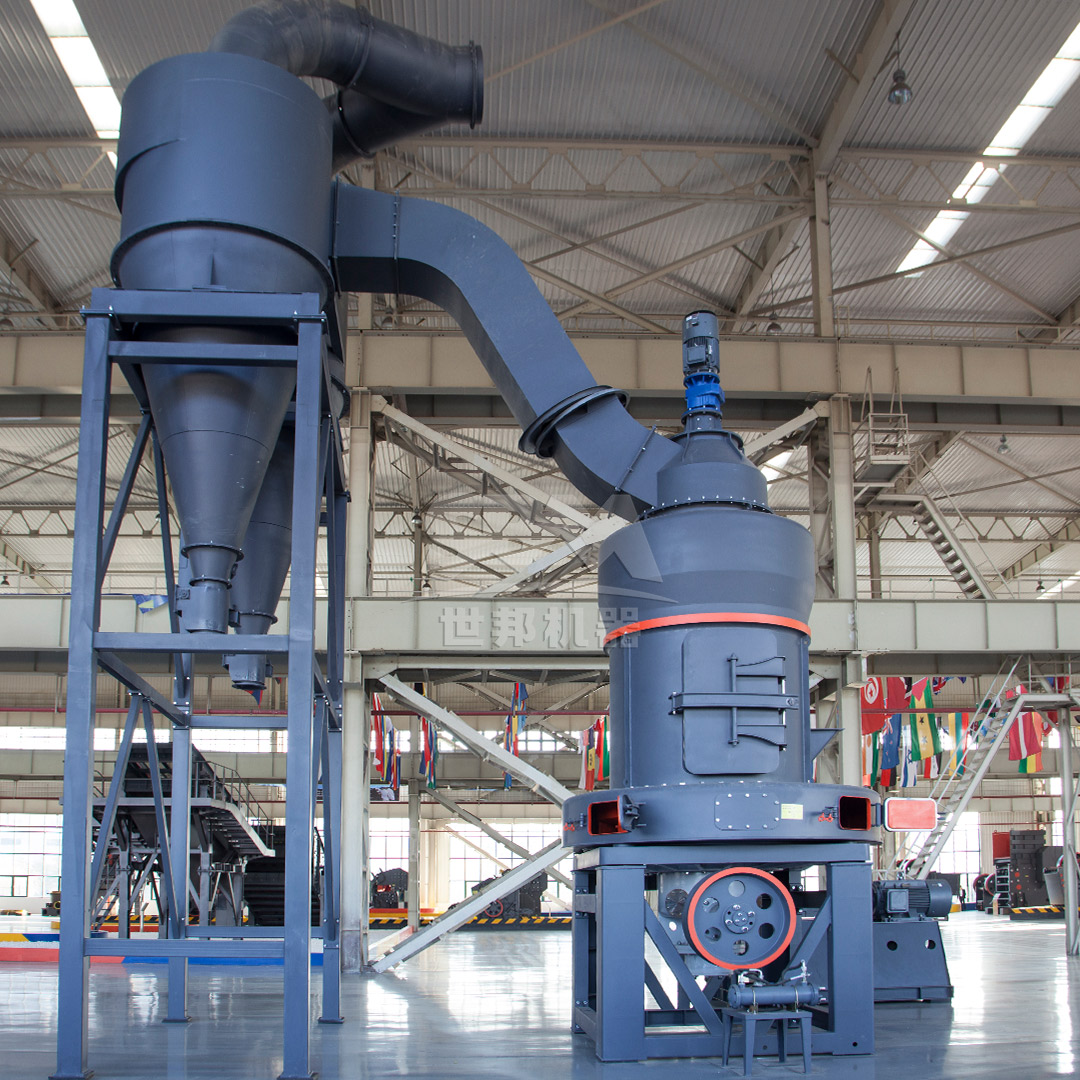
Energy consumption accounts for 30-40% of total grinding costs in mineral processing. Traditional ball mills, while reliable, are notoriously inefficient—only 1-2% of the input energy is actually used for particle breakage. In contrast, modern stone paper grinding mills employ advanced grinding principles that drastically cut energy use. For instance, our SCM Series Ultrafine Mill (45-5μm) achieves a capacity twice that of jet mills while consuming 30% less energy. This dramatic improvement stems from its multi-layer grinding ring design and intelligent control system, which automatically adjusts the grinding pressure based on real-time particle size feedback.
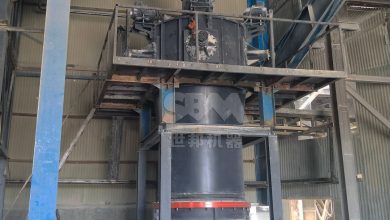
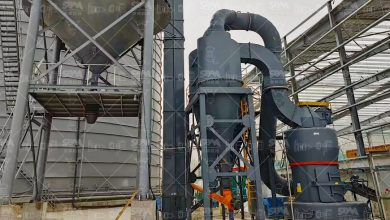
Similarly, the LM Series Vertical Roller Mill (600-45μm) operates on a bed grinding principle, where material is crushed between a rotating table and stationary rollers. Unlike ball mills that use point-to-point impact, the LM mill uses layer-to-layer compression, reducing energy consumption by 30-40% compared to ball mill systems. For a typical stone paper plant producing 50 tons per day of CaCO₃ powder, this translates to annual electricity savings of over $150,000.
Grinding Efficiency: Higher Yield, Lower Input Cost
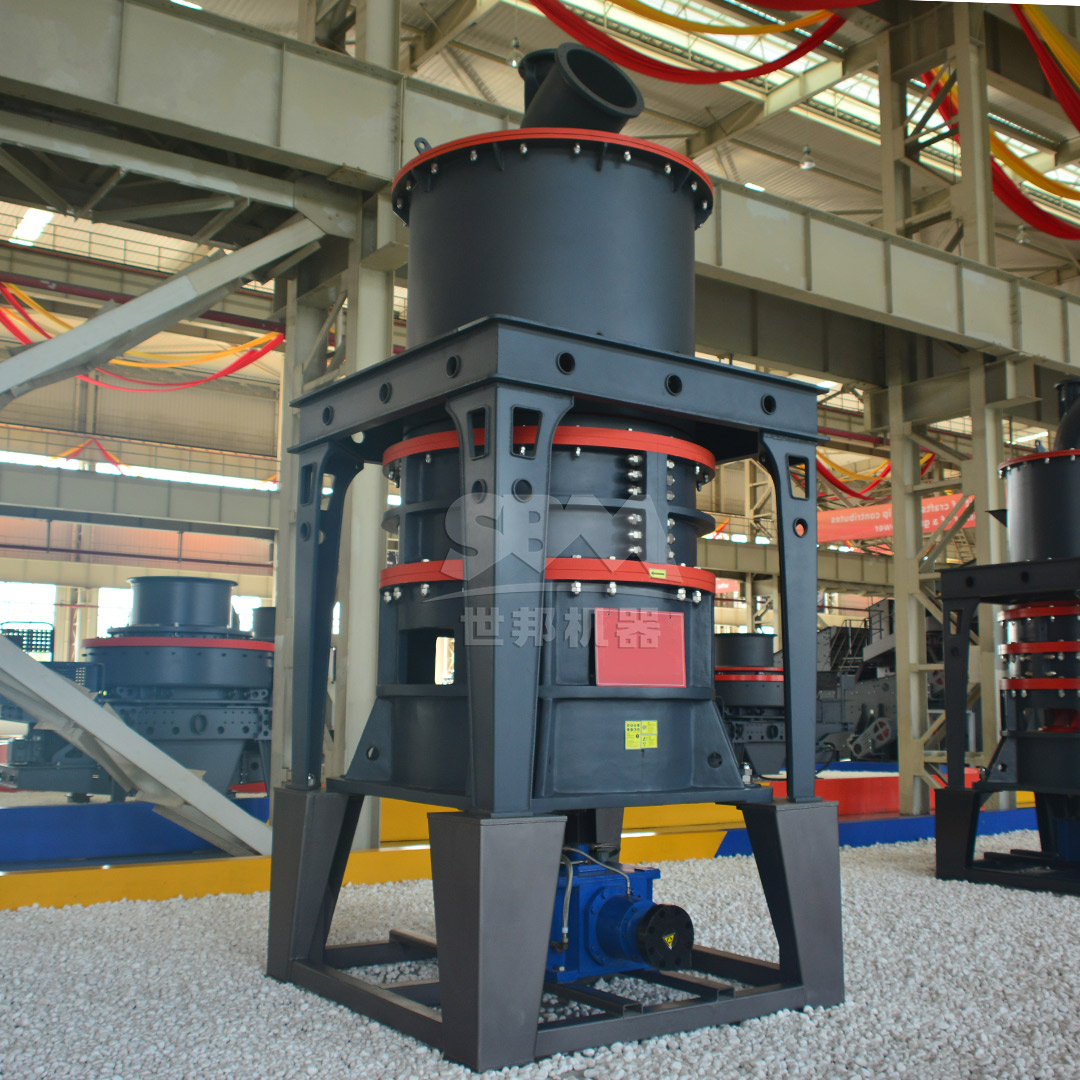
Grinding efficiency is measured not just by energy use, but by the throughput per unit of time and the quality of the finished product. In stone paper production, a common challenge is the presence of oversize particles (coarse powder) that must be rejected and re-ground, wasting energy and reducing effective capacity. Our SCM Series Ultrafine Mill addresses this with a vertical turbine classifier that achieves precise particle size cutting. The classifier ensures that no coarse powder mixes into the finished product, maintaining a uniform particle distribution. This eliminates the need for secondary sieving or classification, saving both time and equipment investment.
For example, the SCM1000 model processes 1.0-8.5 tons per hour at a fineness of 325-2500 mesh. This high throughput means fewer mills are needed for the same production target, reducing capital expenditure. The MTW Series European Trapezium Mill (600-45μm) further enhances efficiency with an optimized arc air duct that reduces airflow energy loss by 15%, and an integral bevel gear drive with 98% transmission efficiency. Together, these features ensure that the maximum amount of input energy is converted into useful grinding work.
Maintenance and Downtime: Hidden Cost Savers
Equipment downtime is one of the most costly problems in a paper mill. A single day of unplanned maintenance can erase weeks of profit margins. Traditional mills require frequent roller and ring replacements due to abrasive wear from calcium carbonate, which has a Mohs hardness of 3. Our mills are designed with durability in mind. The SCM Series uses special alloy materials for rollers and rings that extend service life by several times compared to standard components. The shaftless screw grinding chamber design eliminates common failure points, ensuring stable operation over long periods.
For larger-scale operations, the LM Series Vertical Roller Mill offers a non-contact design between rollers and the grinding table, reducing wear part consumption by 3x. The modular grinding roller assembly allows for quick change-out, minimizing downtime. The MTM Series Medium-speed Trapezium Mill features a spring pressure system that automatically compensates for roller wear, maintaining consistent grinding performance without manual adjustment. These design innovations directly reduce maintenance costs and increase equipment availability.
Product Recommendation: SCM Series Ultrafine Mill
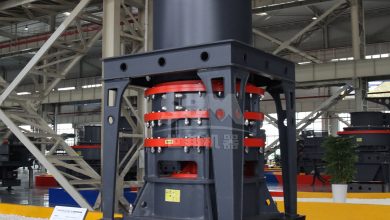
For stone paper manufacturers seeking the highest quality [product] at the lowest cost, we strongly recommend our SCM Series Ultrafine Mill. With an output fineness range of 325-2500 mesh (45-5μm) and a capacity of 0.5-25 ton/h, it is specifically engineered for the demanding requirements of ultra-fine calcium carbonate grinding. The intelligent control system with automatic finished product granularity feedback ensures consistent quality while minimizing operator intervention. The pulse dust collection system exceeds international standards, making it eco-friendly and easy to integrate into existing production lines.
Available models include SCM800 (0.5-4.5t/h, 75kW), SCM900 (0.8-6.5t/h, 90kW), SCM1000 (1.0-8.5t/h, 132kW), SCM1250 (2.5-14t/h, 185kW), and SCM1680 (5.0-25t/h, 315kW). The SCM1250 is particularly popular for mid-size stone paper plants, offering an optimal balance of throughput and energy efficiency.
Eco-Friendly Operation: Lower Compliance Costs
Environmental regulations are tightening globally, and paper mills face significant costs for dust control, noise abatement, and waste disposal. Traditional grinding mills often require extensive add-on equipment to meet emission standards, increasing both capital and operating expenses. Our mills are designed from the ground up to be environmentally friendly. The SCM Series includes a soundproof room design that keeps noise levels below 85 dB, and its pulse dust removal system achieves collection efficiency exceeding 99.9%. The LM Series operates under fully sealed negative pressure, ensuring zero dust leakage. By reducing the need for secondary dust collection systems, these designs lower both upfront investment and ongoing compliance costs.
Case Study: Cost Comparison with Traditional Methods
Consider a stone paper plant with a target output of 10 tons per hour of CaCO₃ powder at 1250 mesh (10 microns). Using a conventional ball mill system, the estimated total power consumption would be 1200 kW, with a floor space requirement of 500 square meters and annual maintenance costs of $80,000. Switching to a single SCM1250 Ultrafine Mill (185kW main power) reduces total power consumption to approximately 250 kW, floor space to 150 square meters, and maintenance costs to $25,000 per year. The energy savings alone amount to over $500,000 annually (at $0.10/kWh for 8000 operating hours). This dramatic cost reduction enables stone paper producers to compete effectively with traditional wood-pulp paper on price while offering superior environmental benefits.
Furthermore, the MTW138Z European Trapezium Mill (capacity 6-17t/h, fineness 10-325 mesh) offers a more flexible alternative for plants that need to quickly switch between different paper grades, as it can handle feed sizes up to 35mm and adjust fineness through a multi-stage classification system.
Conclusion: Future-Proofing Stone Paper Production
The economic success of stone paper hinges on efficient, reliable, and cost-effective grinding technology. By choosing advanced mills like the SCM Series or LM Series, paper manufacturers can achieve up to 40% reduction in energy costs, 50% reduction in floor space, and a 60% decrease in maintenance expenses. The integration of intelligent control systems, high-precision classifiers, and durable wear parts ensures that these savings are sustainable over the long term.
As the demand for sustainable packaging and eco-friendly stationary grows, investing in modern grinding technology is not just a cost-saving measure—it is a strategic advantage. Our mills are built to scale from small pilot projects to large industrial complexes, with models that can produce from 0.5 t/h to 250 t/h. By reducing the cost per ton of finished powder, we enable our customers to offer stone paper at competitive prices, driving the transition away from deforestation-dependent paper production. For more information on how our grinding solutions can transform your papermaking operation, contact our engineering team for a customized feasibility study.