Slag Powder Processing Equipment and Their Industrial Applications
Introduction to Slag Powder Processing
Slag, a byproduct of steelmaking and metal smelting, has evolved from a waste material to a valuable resource in the construction and cement industries. The key to unlocking its value lies in finely grinding it into slag powder, which exhibits excellent cementitious properties. This process requires specialized, high-efficiency milling equipment capable of handling the material’s abrasiveness and achieving the required fineness. Modern slag powder processing equipment is designed to meet these demands, offering high capacity, low energy consumption, and precise classification. This article explores the core technologies and industrial applications of these machines, highlighting the advanced solutions available from leading manufacturers.
Core Technologies in Slag Grinding
The grinding of blast furnace slag demands equipment that can withstand high wear and deliver consistent, fine particle sizes. Three primary mill types dominate the industry: vertical roller mills (VRMs), ball mills, and ultrafine grinding mills. Each technology offers unique advantages depending on the capacity and fineness requirements of the application.
Vertical Roller Mills (VRM) for Slag
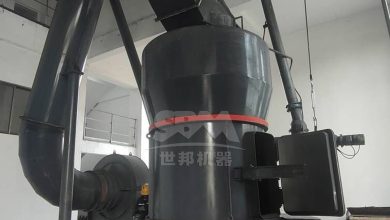
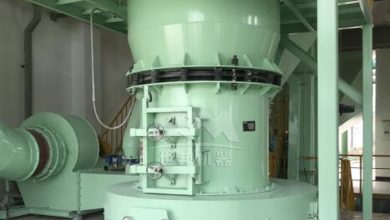
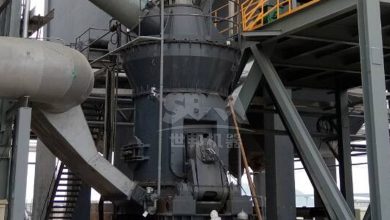
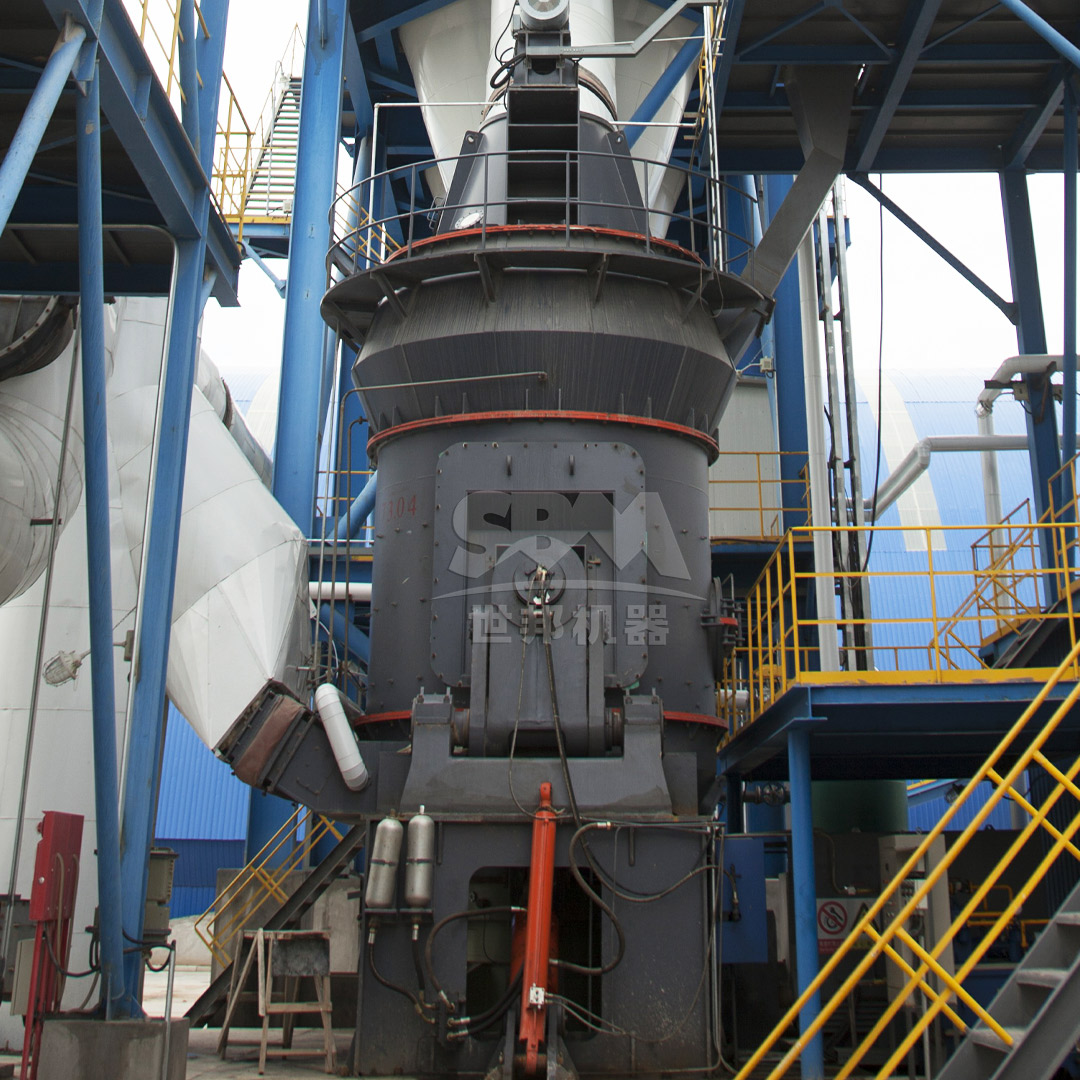
Vertical roller mills have become the standard for large-scale slag powder production due to their high efficiency and integration of crushing, grinding, and classification. The LM Series Vertical Roller Mill, for example, is a flagship product designed for this purpose. Its working principle involves a rotating grinding table and stationary rollers that apply hydraulic pressure to crush and grind the material layer. A key advantage is the integrated classifier, which ensures a precise product fineness, typically between 400 and 500 m²/kg (Blaine) for slag. The LM series offers models specifically designed for slag, such as the LM130N to LM370N, with capacities ranging from 4 to 110 tons per hour. This technology significantly reduces energy consumption by 30-40% compared to traditional ball mill systems and requires up to 50% less floor space, making it an ideal choice for new plants or upgrades.
Ball Mills in Slag Processing
While VRMs are prevalent, ball mills remain a reliable and widely used technology for slag grinding, particularly in smaller operations or where specific product characteristics are required. Ball mills operate by rotating a cylinder filled with steel balls, which impact and grind the slag. They are known for their high crushing ratio and the ability to adjust fineness continuously. The robust design of models like the GMQY series ensures stable operation over long periods. Ball mills are particularly effective for applications requiring a coarser product or where the material has a higher moisture content. They are often used in conjunction with high-efficiency separators and closed-circuit systems to improve energy efficiency and product quality.
Ultrafine Grinding for High-Performance Slag
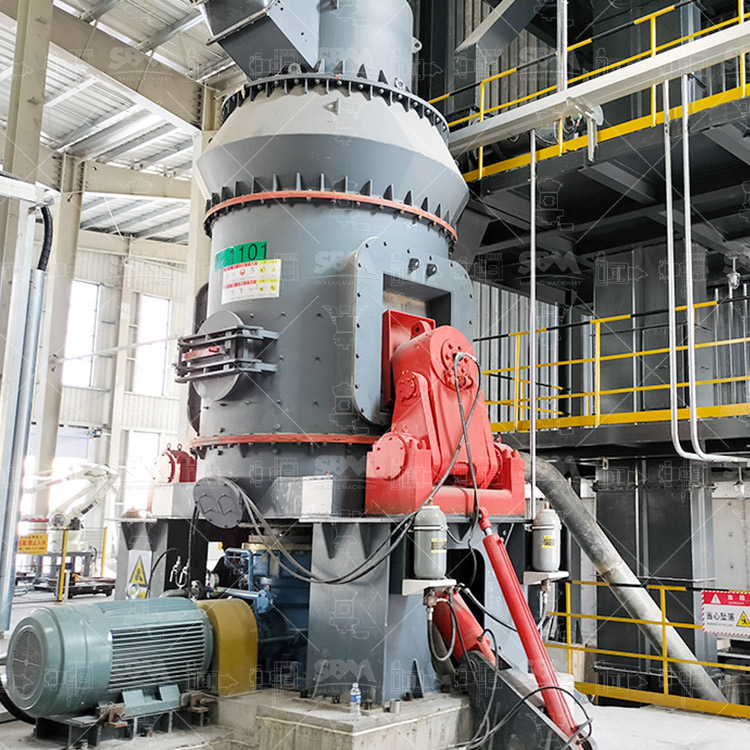
For applications demanding very high fineness, such as high-performance concrete admixtures or specialized cement blends, ultrafine grinding mills are essential. The SCM Series Ultrafine Mill is specifically engineered for this niche. It achieves an output fineness of 325-2500 mesh (5-45 microns), which is critical for maximizing the pozzolanic reactivity of slag. The working principle involves three layers of grinding rings rotating at high speed, using centrifugal force to disperse and crush material between the rollers and rings. This mill offers twice the capacity of jet mills with 30% lower energy consumption, thanks to its intelligent control system and high-precision vertical turbine classifier. For operations requiring the finest slag powder for premium products, the SCM mill is an unparalleled solution.
Industrial Applications of Slag Powder
The processed slag powder finds extensive use across multiple industries. Its primary application is as a supplementary cementitious material (SCM) in concrete production. By replacing a portion of Portland cement, slag powder reduces the carbon footprint of concrete, improves its long-term strength, and enhances durability against chemical attack, such as from sulfates. It is also used in the production of blended cements, where it is interground with clinker. Beyond construction, slag powder is used in road base stabilization, soil improvement, and in the manufacture of glass and ceramics. The ability to process slag efficiently is environmentally crucial, turning a waste product into a revenue stream while conserving natural resources and reducing greenhouse gas emissions.
Recommended Product: The LM Series for High-Capacity Slag Grinding
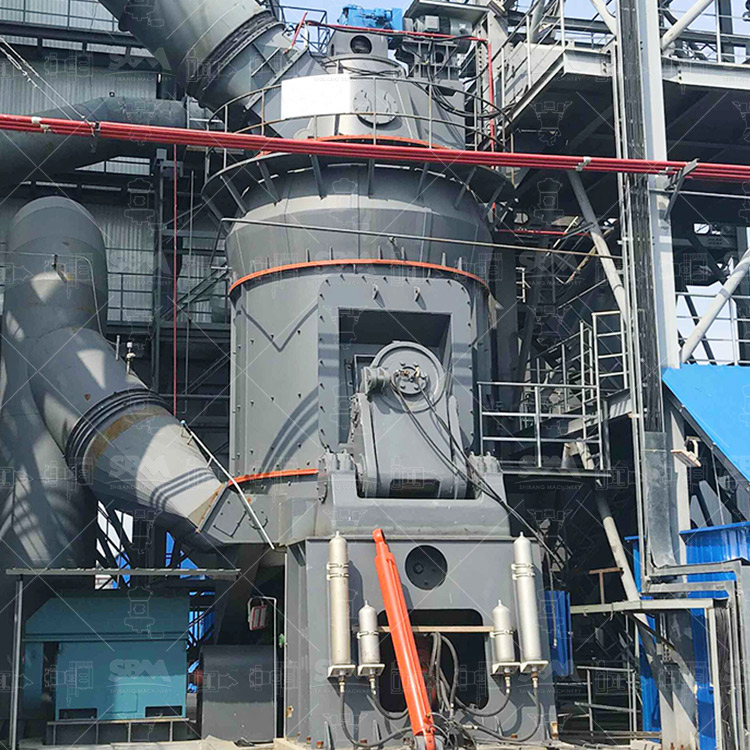
For large industrial operations processing hundreds of thousands of tons of slag annually, we highly recommend the LM Series Vertical Roller Mill. This series, with its dedicated slag mill models (LM130N to LM370N), is built for the rigors of continuous, high-volume production. Its integrated design drastically reduces infrastructure costs, while the intelligent control system and low-operating-cost features (such as non-contact roller-table design) ensure the lowest total cost of ownership. The LM series is the industry benchmark for capacity, efficiency, and reliability in slag powder processing.
Recommended Product: The SCM Series for Ultra-Fine Slag Powder
If your application demands the highest possible fineness to create a premium, high-reactivity slag powder for specialized markets, the SCM Series Ultrafine Mill is the ideal choice. Its ability to produce powders from 325 down to 2500 mesh opens the door to high-value applications where reactivity and surface area are paramount. Despite its high fineness output, it remains energy-efficient and eco-friendly, with advanced pulse dust collection and soundproof design. For producers aiming to differentiate their product with superior quality, the SCM mill is the ultimate tool.
Conclusion
The processing of slag into valuable powder is a cornerstone of modern sustainable industry. From the high-capacity, efficient grinding of vertical roller mills to the ultra-fine precision of specialized mills, the technology available today ensures that slag can be processed economically and environmentally responsibly. By selecting the right equipment—whether the robust LM Series for mass production or the high-precision SCM Series for premium products—companies can turn a waste byproduct into a significant competitive advantage.