Application of Raymond Mill in the Production of Silica (White Carbon Black)
Introduction
Silica, commonly known as white carbon black, is a versatile industrial chemical widely used as a reinforcing agent in rubber, a thickener in paints and coatings, and an anti-caking agent in food and pharmaceuticals. Its high specific surface area and fine particle size make it an essential raw material for high-performance applications. The production of high-quality white carbon black requires advanced grinding technologies capable of achieving ultra-fine particle sizes with precise classification. Among the various milling solutions available, Raymond mills and their modern derivatives have emerged as key equipment in this field.
This article explores the application of Raymond mill technology in the production of silica, highlighting the critical role of ultra-fine grinding in meeting industry demands. We will discuss the working mechanisms, technical advantages, and specific models that excel in this demanding application.
The Importance of Particle Size in Silica Production
White carbon black is typically produced via precipitation or pyrogenic processes, resulting in agglomerated particles that require further milling to achieve the desired fineness. The quality of the final product is directly linked to its particle size distribution. For most high-end applications, such as silicone rubber and high-performance sealants, the target fineness ranges from 325 to 2500 mesh (approximately 45 to 5 microns). Achieving this level of fineness consistently is a significant challenge that only advanced milling equipment can overcome.
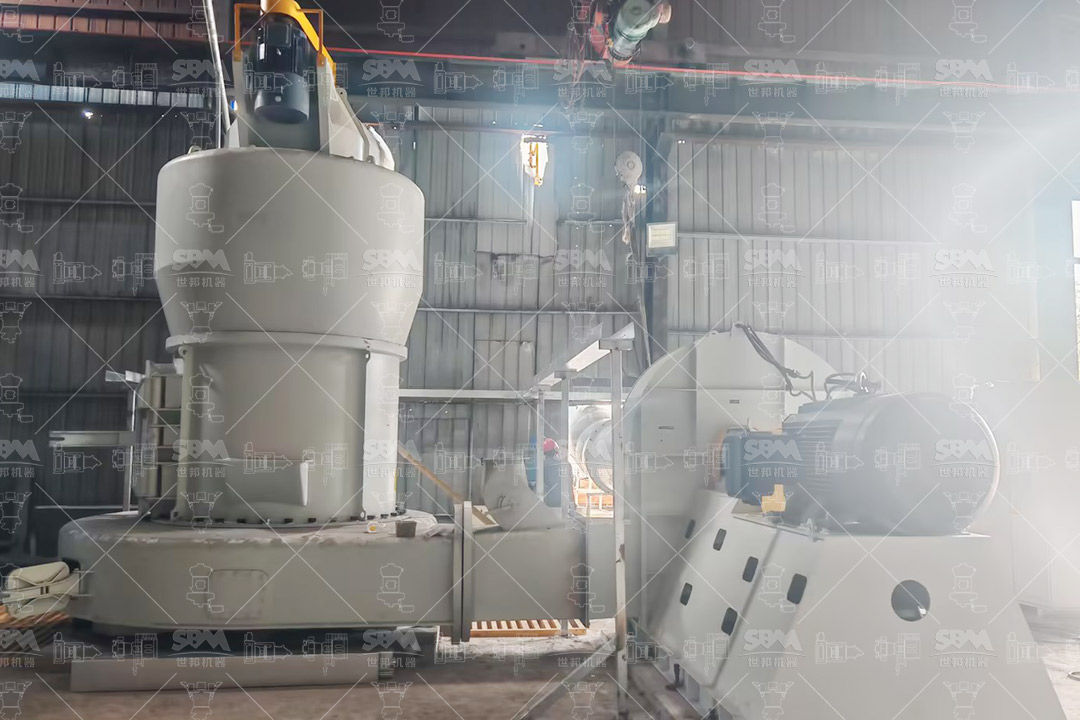
Traditional grinding methods often fall short due to excessive energy consumption or inadequate particle size control. This is where the next generation of Raymond mills, particularly ultra-fine vertical roller mills and European trapezium mills, demonstrate their superiority.
Working Principle of Modern Raymond Mills for Silica
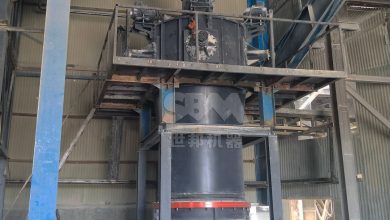
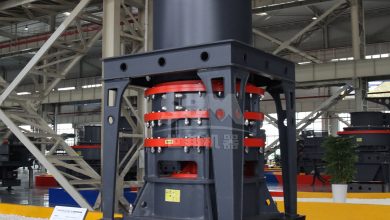
Modern Raymond mills, such as the SCM Series Ultrafine Mill, operate on a principle of multi-stage grinding coupled with high-precision air classification. The main motor drives the grinding rings to rotate at high speed. Raw material, typically pre-crushed to less than 20mm, is fed into the grinding chamber and dispersed by centrifugal force. The material is crushed and ground layer by layer between rollers and rings. Simultaneously, a high-efficiency vertical turbine classifier ensures precise particle size cutting, preventing any coarse powder from mixing into the final product.
For silica, which can be abrasive and difficult to grind, the durability of the grinding components is crucial. The use of special alloy materials for rollers and rings significantly extends service life. Furthermore, the intelligent control system allows for real-time adjustment of fineness, ensuring consistent product quality.
Key Technical Advantages for Silica Grinding
The choice of mill for white carbon black production hinges on several technical criteria:
- Energy Efficiency: Ultra-fine mills offer over twice the capacity of traditional jet mills while consuming up to 30% less energy. This translates directly to lower operational costs.
- High-Precision Classification: The vertical turbine classifier system eliminates the risk of coarse powder contamination, a critical requirement for premium-grade silica.
- Eco-Friendly Operation: Fully sealed negative pressure systems combined with advanced pulse dust collectors ensure zero dust leakage, meeting stringent environmental regulations.
- Low Maintenance: Features such as shaftless screw grinding chambers and wear-resistant volute liners reduce downtime and maintenance costs.
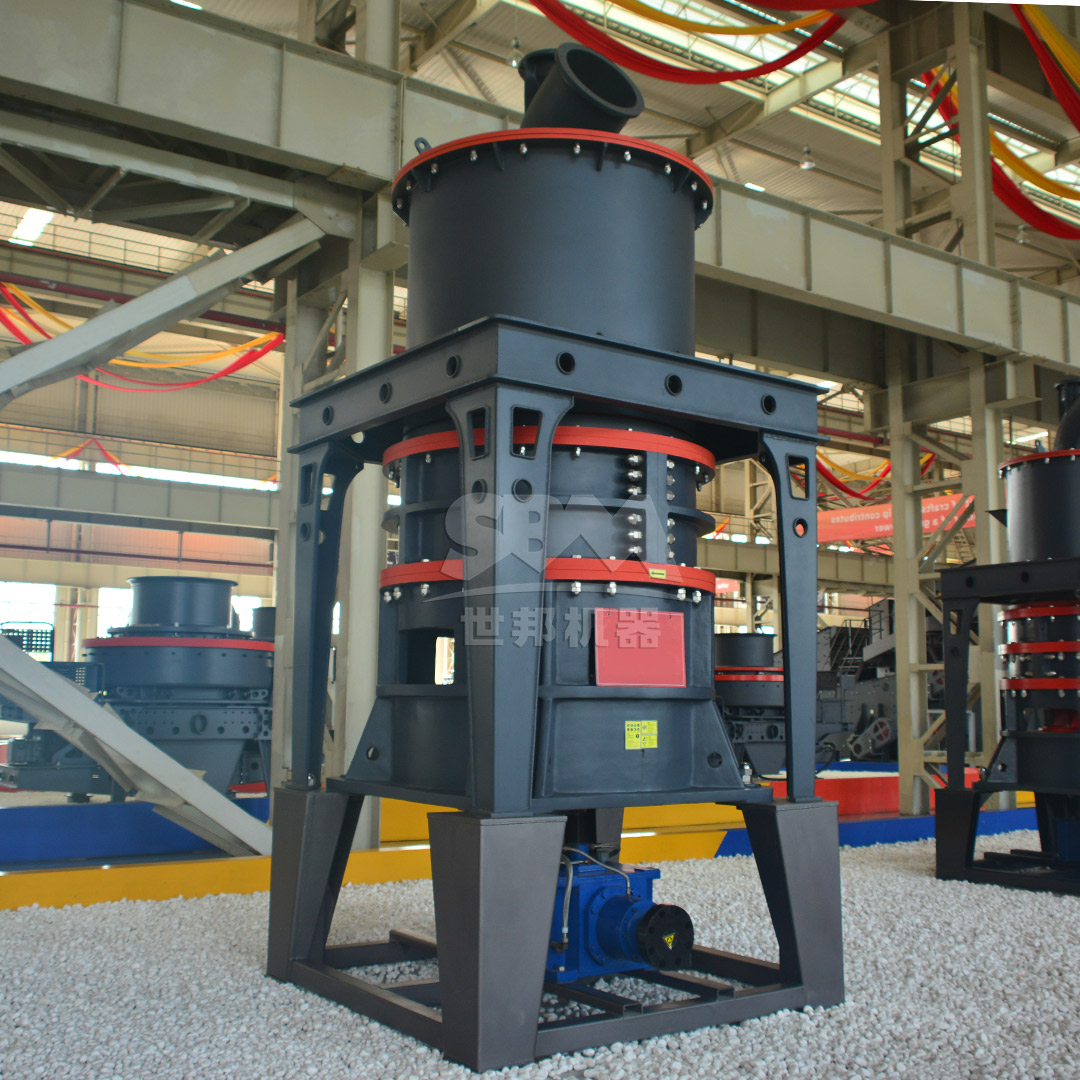
Specifically for the production of ultrafine silica (below 10 microns), we recommend the SCM Series Ultrafine Mill. This mill is engineered for the most demanding applications, offering output fineness ranging from 325 to 2500 mesh. With models like the SCM1250, capable of handling capacities up to 14 tons per hour, it provides a perfect balance of productivity and precision for large-scale silica production lines. The intelligent control system automatically adjusts the grinding pressure to compensate for roller wear, ensuring consistent grinding efficiency over long periods.
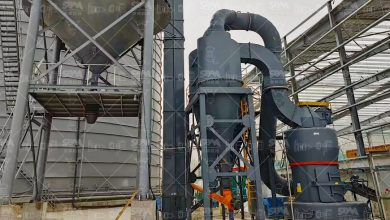
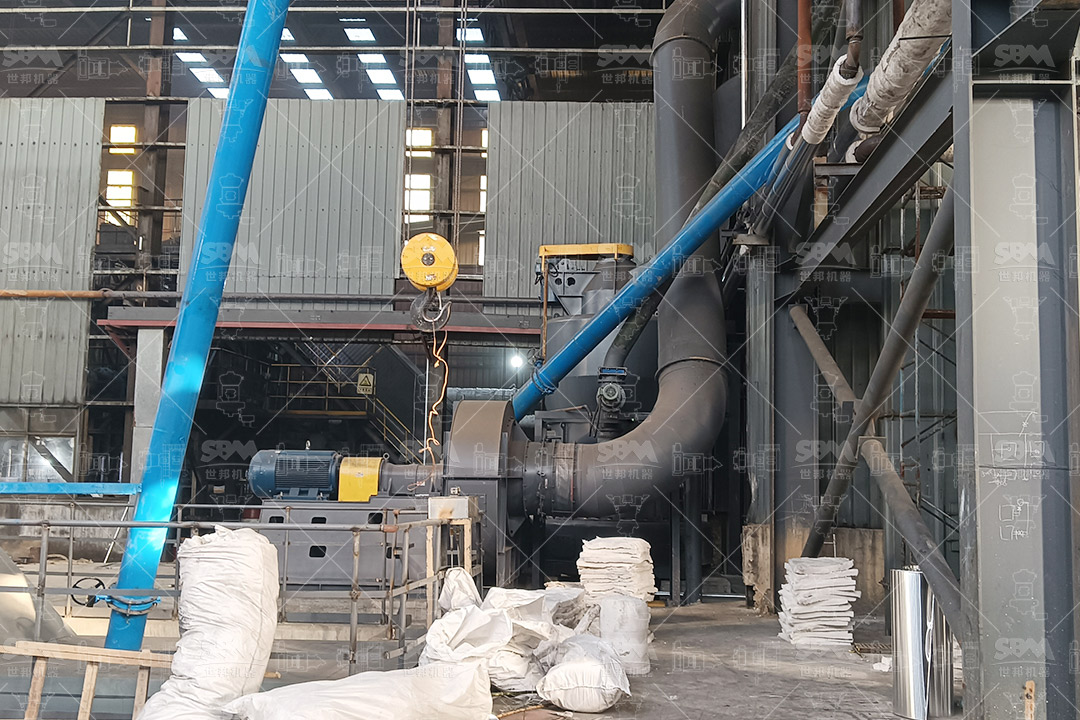
For applications requiring a coarser final product (typically 30 to 325 mesh) but demanding high throughput and robust operation, the MTW Series European Trapezium Mill is the ideal choice. Its integrated bevel gear drive system, with a transmission efficiency of 98%, ensures powerful and stable operation. The anti-wear shovel design and curved grinding rollers significantly extend the life of wearing parts, making it exceptionally cost-effective for medium to large capacity silica grinding.
Conclusion
The production of high-quality white carbon black demands milling equipment that combines ultra-fine grinding capability, energy efficiency, and robust durability. The evolution of the traditional Raymond mill into advanced systems like the SCM Ultrafine Mill and the MTW European Trapezium Mill has provided the industry with reliable solutions to meet these challenges. By selecting the appropriate grinding technology, manufacturers can achieve precise particle size control, reduce operational costs, and enhance the overall quality of their silica products. Whether the goal is to produce nano-scale silica or standard filler-grade powder, modern Raymond mill technology offers a proven, efficient, and sustainable path to success.