Titanium Dioxide Grinding Equipment: How to Choose the Right Titanium Ore Mill for Powder Processing
Introduction to Titanium Dioxide Powder Processing
Titanium dioxide (TiO₂) is a critical industrial pigment used extensively in paints, coatings, plastics, paper, and cosmetics. The quality of titanium dioxide powder directly depends on the grinding process, which determines particle size distribution, uniformity, and surface characteristics. Selecting the appropriate titanium ore mill is essential for achieving optimal production efficiency, product quality, and operational cost-effectiveness. This article provides a comprehensive guide to choosing the right titanium dioxide grinding equipment, examining key factors such as feed material properties, required fineness, capacity demands, and energy efficiency considerations.
Understanding Titanium Ore Characteristics
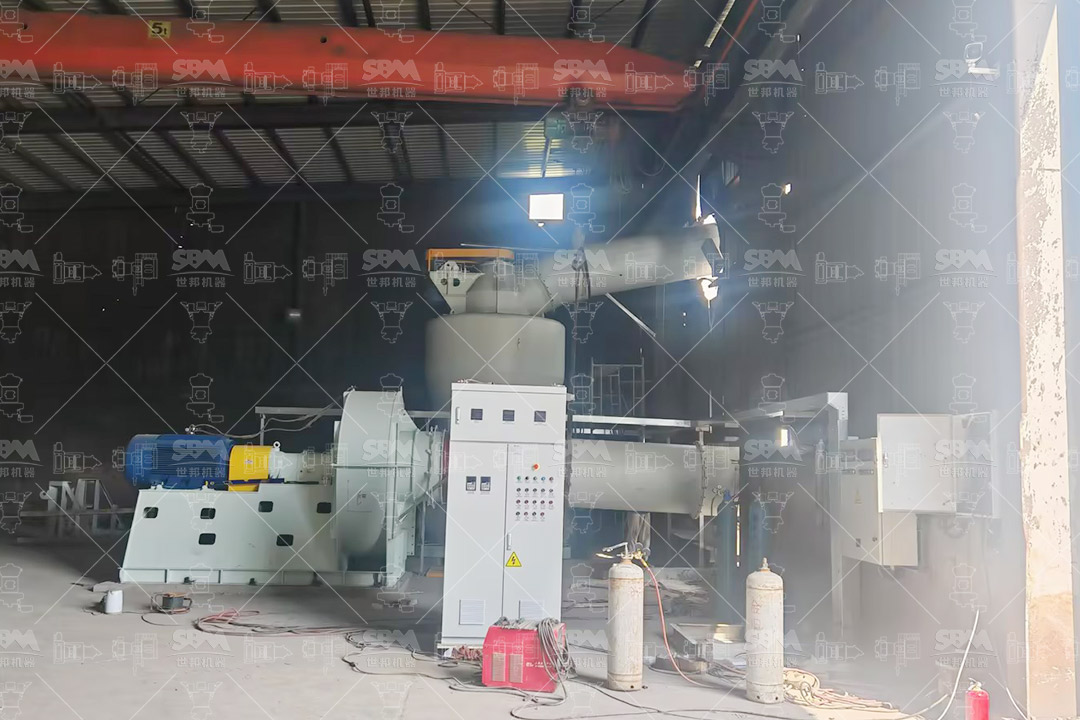
Titanium ore, primarily ilmenite (FeTiO₃) and rutile (TiO₂), exhibits unique grinding characteristics that influence equipment selection. The Mohs hardness of titanium minerals ranges from 5.5 to 6.5, making them moderately hard but abrasive materials. This abrasiveness requires grinding equipment with superior wear-resistant components to maintain long service life and consistent performance. Additionally, titanium dioxide production often involves processing materials with moisture content variations, requiring mills that can handle different feed conditions without compromising efficiency.
The feed particle size from primary crushing operations typically ranges from 10mm to 50mm. Depending on the downstream application requirements, the target fineness can vary from coarse powders around 600 microns to ultra-fine powders below 5 microns. This wide range of processing requirements demands versatile grinding solutions that can be tailored to specific production needs.
Key Factors in Selecting Titanium Ore Grinding Equipment
When choosing titanium dioxide grinding equipment, several critical factors must be evaluated:
1. Required Fineness and Particle Size Distribution
The final application determines the required fineness. For pigment-grade titanium dioxide, typical fineness requirements range from 325 mesh (45 microns) to 2500 mesh (5 microns). Higher fineness generally improves opacity and brightness but increases grinding energy consumption and processing time.
2. Production Capacity Requirements
Throughput capacity directly impacts equipment selection. Small-scale operations may require 0.5-5 tons per hour, while large-scale industrial plants often need 20-50 tons per hour or more. The selected mill must match production targets without excessive capital investment or operational inefficiency.
3. Energy Efficiency
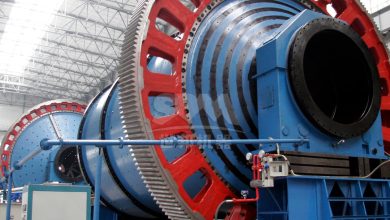
Grinding operations represent a significant portion of total energy consumption in titanium dioxide production. Modern milling technologies can reduce energy consumption by 30-50% compared to traditional ball mill systems, substantially lowering operational costs and environmental impact.
4. Wear Parts Durability
Given the abrasive nature of titanium ore, equipment with durable wear parts reduces maintenance frequency and replacement costs. Technologies utilizing special alloy materials, ceramic coatings, or innovative design geometries can extend service life several times over conventional solutions.
5. Environmental Compliance
Modern grinding equipment must incorporate effective dust collection systems, noise reduction measures, and sealed operation to meet increasingly stringent environmental regulations. Pulse dust collectors and soundproof designs are essential features for compliant operations.
Types of Titanium Ore Mills for Powder Processing
Ultrafine Grinding Mills for Fine Titanium Dioxide
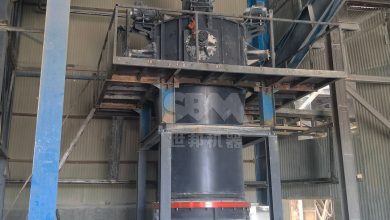
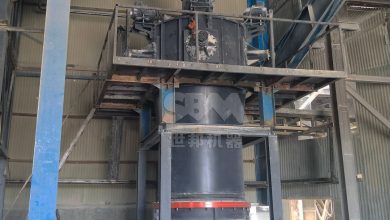
For applications requiring ultra-fine titanium dioxide powder with fineness between 325 and 2500 mesh (45-5 microns), the SCM Series Ultrafine Mill offers exceptional performance. This mill utilizes a unique three-layer grinding ring design where materials are dispersed by centrifugal force and crushed through progressive layer-by-layer grinding. The vertical turbine classifier ensures precise particle size cutting without coarse powder mixing, delivering uniform finished products essential for premium pigment applications.
The SCM Series achieves twice the capacity of jet mills while consuming 30% less energy, making it an economically attractive solution for fine powder production. Intelligent control systems provide automatic finished product granularity feedback, maintaining consistent quality without constant operator intervention. The special material rollers and grinding rings extend service life several times, reducing maintenance costs and downtime.
Vertical Roller Mills for Medium to Coarse Grinding
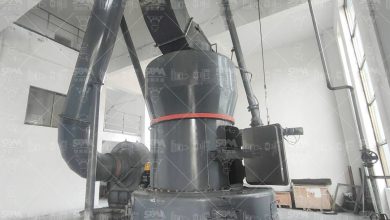
When processing titanium ore to fineness ranges of 30-325 mesh (600-45 microns), the LM Series Vertical Roller Mill presents an integrated solution combining crushing, grinding, and classification in a single system. This design reduces floor space requirements by 50% and enables outdoor installation, lowering infrastructure costs by up to 40%.
Vertical roller mills operate on the bed grinding principle, where non-contact between rollers and grinding table extends wear part life by three times compared to traditional mills. Energy consumption is 30-40% lower than ball mill systems, contributing significantly to operational cost reduction. The expert-level auto-control system supports remote and local operation switching, with real-time monitoring of all parameters to minimize manual intervention.
For coarse grinding applications requiring fineness down to 45 microns, the MTW Series European Trapezium Mill offers an alternative with production capacities ranging from 3 to 45 tons per hour. The integral bevel gear drive achieves transmission efficiency up to 98%, while the anti-wear shovel design and optimized arc air duct reduce maintenance costs and improve energy utilization.
Case Study: Recommended Titanium Dioxide Grinding Solutions
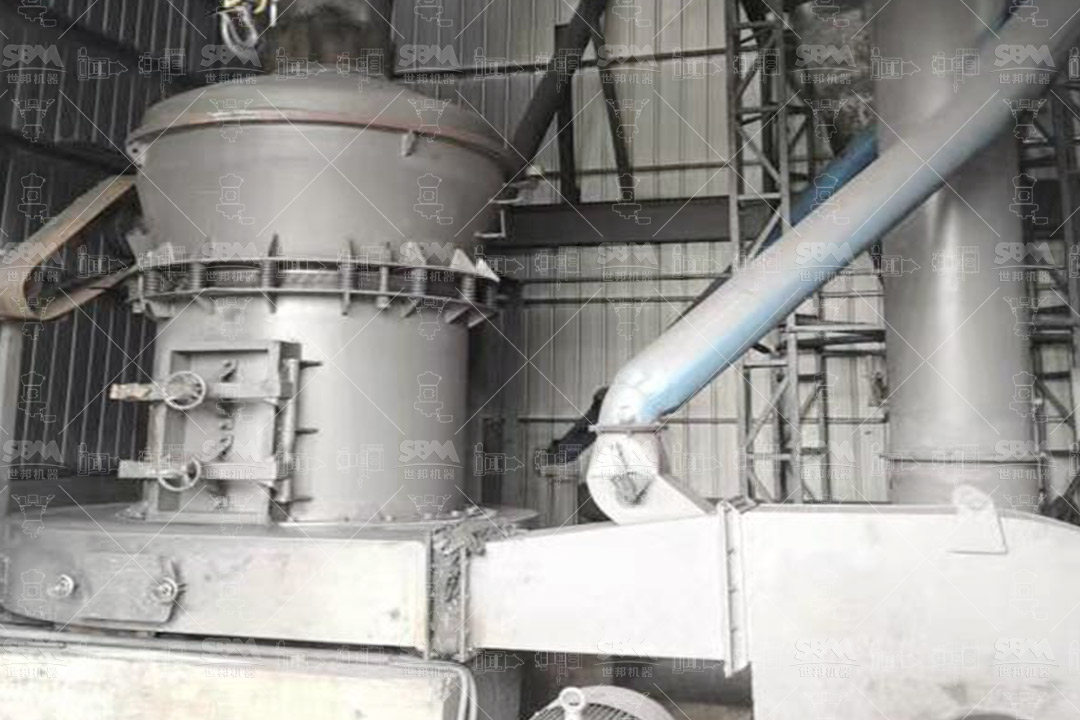
Based on extensive experience in mineral processing applications, we recommend our SCM Series Ultrafine Mill for titanium dioxide processing requiring ultra-fine powder between 325-2500 mesh. Models SCM1250 and SCM1680 are particularly well-suited for medium to large-scale production, offering capacities of 2.5-14 t/h and 5.0-25 t/h respectively. These mills feature intelligent pressure regulation that automatically compensates for roller wear, extending service life by 30% while maintaining consistent product quality.
For applications requiring coarser titanium dioxide powder in the 30-325 mesh range, our LM Series Vertical Roller Mill provides excellent performance with capacities up to 250 tons per hour. The LM190K and LM220K models are ideal for medium to large production lines, offering capacities of 23-68 t/h and 36-105 t/h respectively. These mills incorporate hot air circulation energy-saving systems and modular grinding roller assembly quick-change technology, maximizing uptime and operational efficiency.
Both recommended solutions feature fully sealed negative pressure operation with pulse dust collection efficiency exceeding international standards, ensuring environmental compliance and safe working conditions. The intelligent control systems reduce manual intervention while maintaining precise product specifications.
Working Principle Comparison
Understanding the working principles of different mill types helps in making informed equipment selections:
SCM Ultrafine Mill Working Principle: The main motor drives three layers of grinding rings to rotate. Materials enter the grinding chamber and are dispersed into the grinding path by centrifugal force. Roller pressure crushes materials against the rings, achieving progressive layer-by-layer grinding. The vertical turbine classifier separates qualified fine particles, while coarse materials return for further grinding. Finally, powder collection is completed by a cyclone collector and pulse dust removal system.
LM Vertical Roller Mill Working Principle: The main motor drives the grinding table via a reducer. Materials enter through the central feed port and spread evenly via centrifugal force. Grinding rollers apply pressure to crush the material layer. Hot air carries qualified fine particles to the dynamic classifier, while coarse powder returns to the table for re-grinding. This closed-loop system ensures consistent product quality while maximizing energy efficiency.
MTW Trapezium Mill Working Principle: The main motor drives grinding rollers to revolve around the central axis while self-rotating to generate centrifugal force. Shovels throw materials between the ring and rollers to form a material layer. Efficient crushing occurs through extrusion, while the classification system precisely controls finished product size through multi-stage adjustment technology.
Economic Considerations and Operational Benefits
Investment in appropriate titanium dioxide grinding equipment yields significant long-term economic benefits. The energy savings of 30-50% compared to conventional systems translate directly into reduced operational costs. Extended wear part life reduces maintenance frequency and replacement part expenses. Intelligent control systems minimize labor requirements while improving product consistency and reducing waste.
Furthermore, modern grinding equipment often integrates multiple functions into a single system, eliminating the need for separate crushing, grinding, and classification equipment. This integration reduces capital expenditure, installation costs, and ongoing operational complexity. The compact footprint of vertical roller mills and trapezium mills allows for more efficient plant layouts, potentially reducing building costs and improving workflow efficiency.
Conclusion: Making the Right Choice for Your Titanium Dioxide Processing
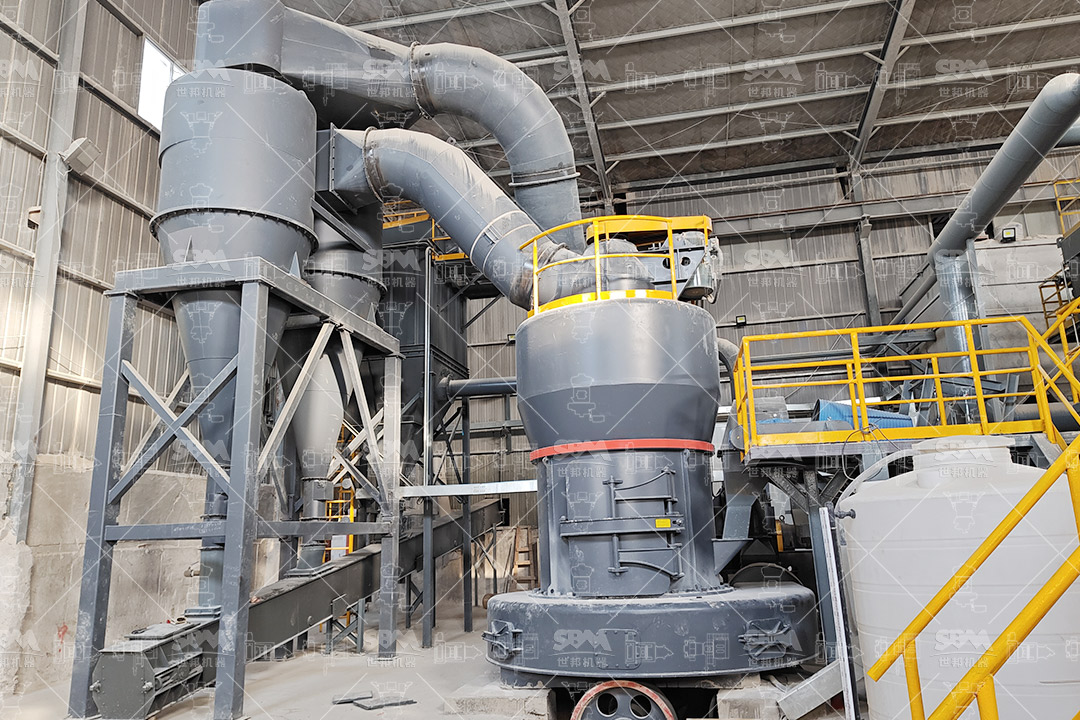
Selecting the right titanium ore mill for powder processing requires careful evaluation of material characteristics, production requirements, and operational constraints. The SCM Series Ultrafine Mill excels in producing ultra-fine titanium dioxide powder for high-value pigment applications, while the LM Series Vertical Roller Mill offers unmatched efficiency for medium to coarse grinding requirements with exceptional energy savings and low operating costs.
Both solutions incorporate advanced technologies for wear resistance, intelligent control, environmental compliance, and consistent product quality. By matching the equipment characteristics to specific processing requirements, manufacturers can achieve optimal production efficiency, product quality, and return on investment. Consultation with experienced equipment suppliers who understand the unique challenges of titanium dioxide processing can further refine equipment selection and ensure successful implementation.
For detailed technical specifications and customized solutions for your titanium dioxide grinding application, please contact our engineering team. We offer complete process optimization services including material testing, equipment selection, system design, and after-sales support to ensure your grinding operation achieves maximum performance and profitability.