Graphite Electrode Grinding Particle Size Requirements: Why Petroleum Coke Vertical Mill Is the Better Choice for Production
Introduction
In the manufacturing of graphite electrodes, the grinding of petroleum coke is a critical process that directly influences the quality, density, and electrical conductivity of the final product. The particle size distribution of ground petroleum coke must be meticulously controlled to meet the stringent requirements of electrode production. Traditionally, ball mills and Raymond mills have been used for this purpose. However, as industry demands for higher efficiency, lower energy consumption, and more precise particle size control intensify, the vertical roller mill has emerged as the superior choice. This article explores the specific particle size requirements for graphite electrode production and explains why the vertical mill, particularly those designed for petroleum coke grinding, offers unmatched advantages over conventional grinding technologies.
Particle Size Requirements for Graphite Electrode Production
Graphite electrodes are used in electric arc furnaces for steelmaking, where they must withstand extreme temperatures and high electrical currents. The quality of the electrode depends heavily on the particle size distribution of the petroleum coke used as the raw material. Key requirements include:
- Fineness: Typically, the ground petroleum coke should have a fineness ranging from 30 to 325 mesh (approximately 600 to 45 micrometers). For ultra-high-power (UHP) electrodes, even finer particles (down to 5 micrometers) may be required.
- Uniformity: The particle size distribution must be narrow and consistent. Coarse particles can lead to poor electrode density and increased resistivity, while excessive fines can cause handling issues and reduced mechanical strength.
- Low Impurity Content: The grinding process must not introduce metallic contamination. Wear-resistant materials and a clean grinding environment are essential.
Meeting these requirements demands a grinding mill that offers precise classification, high reduction ratios, and excellent operational stability.
Challenges with Traditional Grinding Mills
Traditional ball mills and Raymond mills have several limitations when applied to petroleum coke grinding for graphite electrodes:
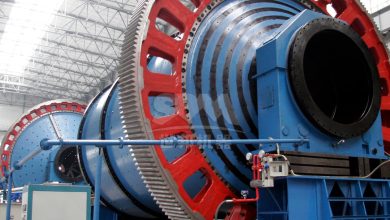
- Energy Inefficiency: Ball mills consume 30-40% more energy than modern vertical mills due to impact-based grinding mechanisms.
- Wide Particle Distribution: Classifiers in traditional mills often fail to achieve the narrow cut points required, leading to either over-grinding or under-grinding.
- High Wear and Maintenance: The continuous impact and friction in ball mills result in frequent replacement of liners and grinding media, increasing downtime and operational costs.
- Noise and Dust Issues: Ball mills generate significant noise and require extensive dust collection systems to meet environmental standards.
These challenges have driven the industry to adopt vertical roller mill technology, which addresses each of these pain points effectively.
Why Petroleum Coke Vertical Mill Is the Better Choice
The vertical roller mill is specifically designed to handle materials like petroleum coke, offering a unique combination of grinding, drying, and classification in a single unit. Here are the key advantages:
1. Superior Grinding Efficiency and Energy Savings
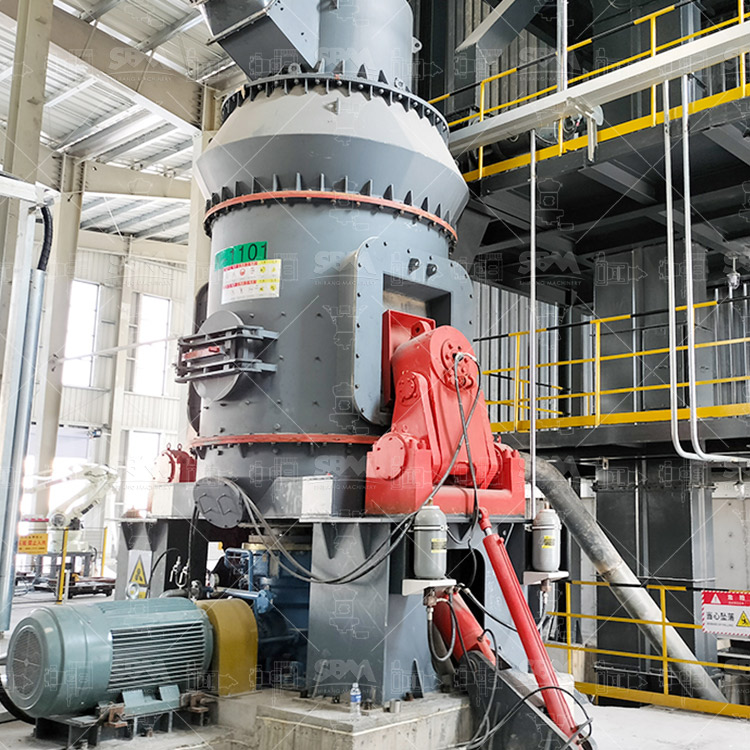
Vertical mills operate on the principle of bed grinding. The material is ground between a rotating grinding table and stationary rollers, applying high pressure to crush the material layer. This mechanism is far more energy-efficient than the impact grinding used in ball mills. A typical vertical mill can achieve a capacity increase of up to 2 times compared to a ball mill of the same power, with energy savings of 30% or more. For petroleum coke, which can be abrasive and hard, this efficiency translates into lower operating costs and higher throughput.
2. Precise Particle Size Classification
Modern vertical mills are equipped with high-efficiency dynamic classifiers that allow for precise control of product fineness. The classifier rotor speed can be adjusted in real-time to achieve the desired particle size cut point. This ensures that the finished product has a narrow particle size distribution, free from coarse particles that degrade electrode quality. For graphite electrode production, this means consistent quality and reliable performance in the electric arc furnace.
3. Wear-Resistant Design for Long Service Life
Petroleum coke contains hard carbon particles and often includes impurities that can accelerate wear. Vertical mills are designed with wear-resistant materials for rollers and grinding tables. Some advanced models use special alloy steels or ceramic coatings that extend service life several times over conventional designs. This reduces the frequency of maintenance shutdowns and lowers the total cost of ownership.
4. Integrated Drying and Grinding
Petroleum coke often contains residual moisture that must be removed before it can be used in electrode production. Vertical mills typically incorporate a hot air system that dries the material during the grinding process. The hot air enters through the air ring around the grinding table, lifts the fine particles to the classifier, and carries away moisture. This eliminates the need for a separate drying step, streamlining the production process.
5. Compact Footprint and Low Noise
Vertical mills integrate crushing, grinding, classifying, and drying into a single unit, reducing the floor space required by up to 50% compared to traditional systems. This is particularly valuable in brownfield expansions where space is limited. Additionally, the low-speed rotation and sealed design result in noise levels typically below 85 decibels, creating a safer and more comfortable working environment.
Recommended Product: SCM Series Ultrafine Mill (45-5μm)
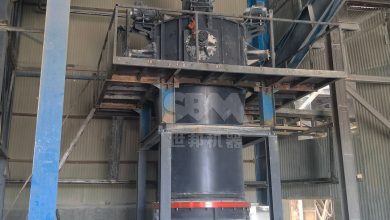
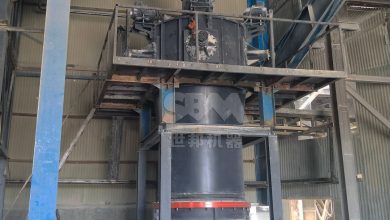
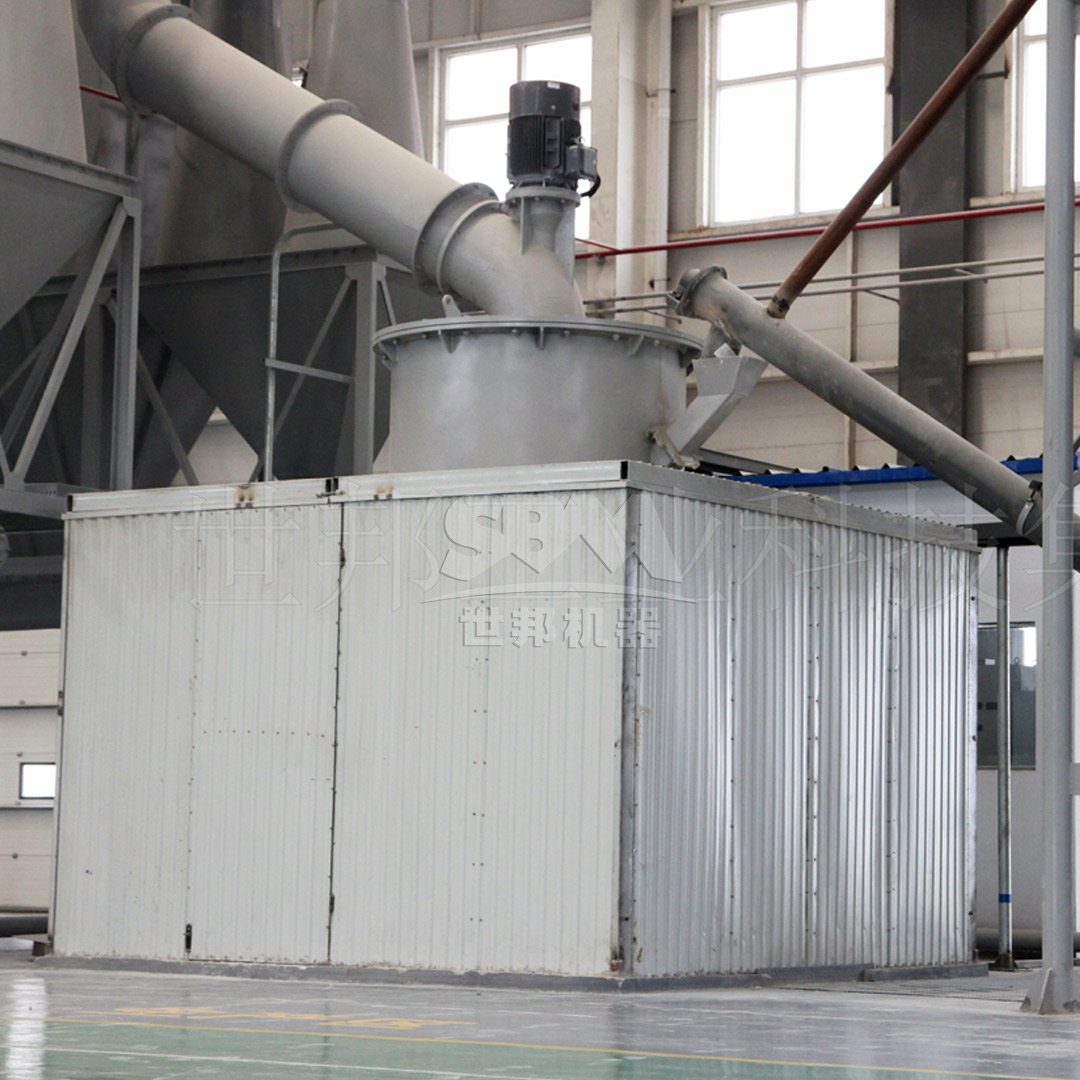
For graphite electrode manufacturers who require ultra-fine grinding of petroleum coke (down to 5 micrometers) to produce high-value-added products, the SCM Series Ultrafine Mill is the ideal choice. This mill achieves a fineness range of 325-2500 mesh (45 to 5 micrometers) with exceptional precision. Its vertical turbine classifier ensures no coarse powder mixing, and the special material rollers and rings extend service life significantly. With a capacity range of 0.5 to 25 tons per hour and energy consumption 30% lower than jet mills, the SCM series delivers both performance and economy. The intelligent control system automatically adjusts parameters based on real-time particle size feedback, ensuring consistent quality batch after batch.
Another Excellent Option: LM Series Vertical Roller Mill (600-45μm)
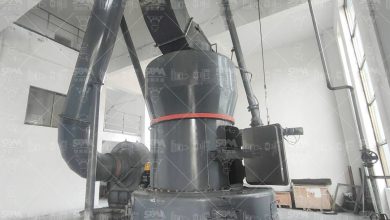
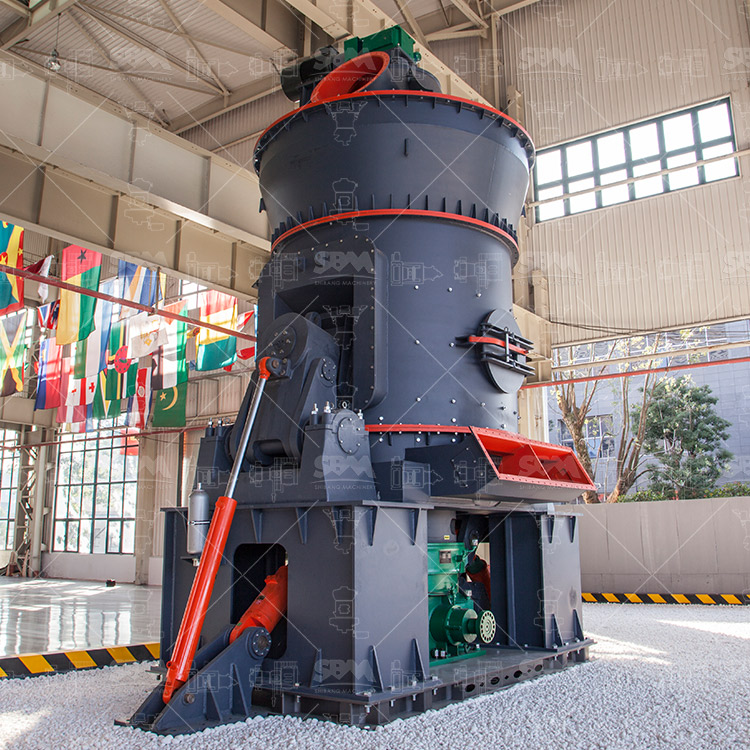
For larger-scale production where the required fineness is between 600 and 45 micrometers (30-325 mesh), the LM Series Vertical Roller Mill offers unbeatable performance. This mill features an integrated design that combines crushing, grinding, and selection in one unit, reducing floor space by 50% and infrastructure costs by 40%. The non-contact design between rollers and table increases wear part life by three times, while energy consumption is 30-40% lower than ball mill systems. The LM series is available in multiple models with capacities ranging from 3 to 250 tons per hour, making it suitable for both small plants and large-scale electrode production lines. Its expert-level auto-control system enables remote monitoring and real-time parameter adjustment, minimizing manual intervention and ensuring stable operation.
Both the SCM and LM series mills are backed by years of engineering expertise and field-proven performance in the petroleum coke grinding industry. They represent the state of the art in grinding technology, delivering the precise particle size control, high efficiency, and reliability that modern graphite electrode manufacturing demands.
Working Principle of Vertical Mills for Petroleum Coke
In a typical vertical roller mill, the main motor drives the grinding table via a planetary gear reducer. The petroleum coke material is fed into the center of the grinding table via a screw feeder. Centrifugal force spreads the material evenly across the table. The grinding rollers, which are pressed against the material bed by a hydraulic system, crush and grind the coke particles. The applied pressure crushes the material into a fine powder. A hot air stream enters from the air ring around the table, lifts the fine particles upward, and carries them to the classifier. The classifier’s rotating blades separate coarse particles from fine ones; coarse particles fall back to the grinding table for further grinding, while qualified fine powder is collected by a cyclone or a bag filter. This closed-loop system ensures high efficiency and minimal material loss.
Economic and Environmental Benefits
Switching to a vertical mill for petroleum coke grinding offers substantial economic benefits. The energy savings of 30-40% can significantly reduce electricity costs, which represent a major portion of production expenses. The reduced wear and extended maintenance intervals lower spare parts costs and downtime. Moreover, the integrated design eliminates the need for auxiliary equipment such as separate dryers and conveyors, simplifying the plant layout and reducing capital expenditure. Environmentally, vertical mills operate with lower noise levels and are fully sealed to prevent dust leakage. Many models are equipped with pulse dust collectors that achieve emission levels well below international standards, supporting compliance with increasingly stringent environmental regulations.
Conclusion
The production of high-quality graphite electrodes demands precise control over the particle size distribution of petroleum coke. Traditional ball mills and Raymond mills are increasingly inadequate to meet modern requirements for efficiency, precision, and sustainability. The vertical roller mill, exemplified by our SCM Series Ultrafine Mill and LM Series Vertical Roller Mill, offers a clear advantage. With superior energy efficiency, precise classification, wear-resistant construction, and integrated drying capabilities, these mills are the better choice for petroleum coke grinding. Manufacturers who adopt this technology can expect lower operating costs, improved product quality, and a more sustainable production process. As the steel industry continues to evolve and demand higher-performance electrodes, the vertical mill will remain the cornerstone of efficient and reliable graphite electrode manufacturing.