Coal Gangue Tile Making: What Mesh Size Is Required for Grinding?
Introduction
Coal gangue, a solid waste generated during coal mining and washing, has long been a significant environmental liability. However, with advances in material science and processing technology, it has been transformed into a valuable resource, particularly in the production of building materials. One of the most promising applications is the manufacturing of coal gangue tiles—a durable, lightweight, and eco-friendly alternative to traditional clay or ceramic tiles.
The success of coal gangue tile production hinges on one critical step: grinding. The particle size, or mesh size, of the ground gangue directly influences the quality, strength, and appearance of the final tile product. This article delves into the technical nuances of coal gangue grinding, exploring the required mesh sizes for different tile types, the grinding technologies available, and how to select the optimal equipment for your operation. We will also introduce our company’s state-of-the-art grinding mills designed specifically for such applications.
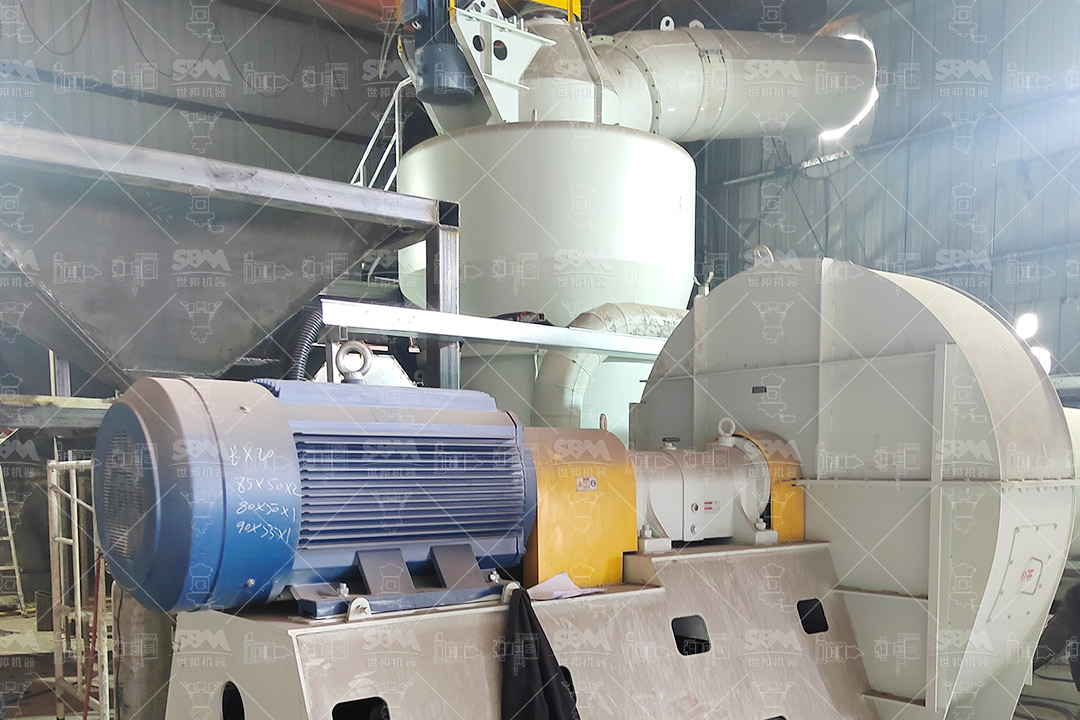
The Relationship Between Mesh Size and Tile Quality
Understanding mesh size is fundamental to the tile-making process. In simple terms, mesh size refers to the number of openings per linear inch in a sieve. A higher mesh number indicates a finer powder. For example, 200-mesh means particles are smaller than 74 microns, while 325-mesh means particles are finer than 44 microns.
For coal gangue tiles, the required fineness varies based on the tile’s intended use, production method, and desired aesthetic.
- Structural Floor Tiles & Heavy-Duty Pavers: These require a balance of strength and workability. A typical fineness range is 30 to 80 mesh (180–600 μm). Coarser particles help provide structural integrity and reduce shrinkage during firing, but overly large particles can create weak points.
- Wall Tiles & Decorative Cladding: Aesthetics and surface smoothness are paramount here. The gangue powder must be finer, typically in the 100 to 200 mesh (74–150 μm) range. This ensures a homogenous body, reduces porosity, and allows for a glazed finish that is both attractive and durable.
- Premium Glazed Tiles & Roofing Tiles: For high-end products demanding exceptional surface quality and precise shaping, an ultra-fine grind of 250 to 325 mesh (44–58 μm) is often required. This extreme fineness allows for superior compaction in the mold and results in a tile that can be fired at lower temperatures, saving energy while maximizing density.
It is a common misconception that finer is always better. Grinding too fine for a given application can lead to high energy consumption, increased dust generation, and processing difficulties, such as poor flowability in the hopper. The key is to match the particle size distribution (PSD) to the specific process requirements.
Technological Solutions for Coal Gangue Grinding
To achieve these precise mesh sizes, selecting the right grinding mill is crucial. The characteristics of coal gangue—its moderate hardness, abrasiveness, and variable moisture content—demand robust, efficient, and flexible equipment. Here at [Your Company Name], we offer two exceptional series of mills, each perfectly suited for different stages of coal gangue processing.
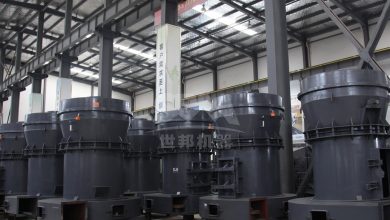
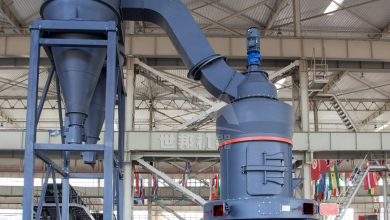
1. MTW Series European Trapezium Mill: The Workhorse for Primary & Medium Grinding
For operations producing floor tiles, wall tiles, or general building materials, the MTW Series European Trapezium Mill is an ideal choice. It is designed to handle input sizes up to 50mm and produce a consistent fineness from 30 to 325 mesh. Its key advantages include:
- Anti-wear Shovel Design: Combined shovel blades and a curved design reduce maintenance costs and extend the life of the grinding roller, which is critical when processing abrasive gangue.
- Optimized Arc Air Duct: Reduces airflow resistance and energy loss, making the mill highly efficient. The high-strength guard plates protect the internal surfaces from wear.
- Integral Bevel Gear Drive: With a transmission efficiency of up to 98%, this design saves valuable floor space and reduces installation complexity.
With capacities ranging from 3 to 45 tons per hour (depending on the model), the MTW series can easily serve as the primary grinding unit for a medium-to-large scale tile production line. Models like the MTW138Z (6-17 t/h) or the MTW175G (9.5-25 t/h) offer the perfect balance of power and precision for 30-100 mesh applications.
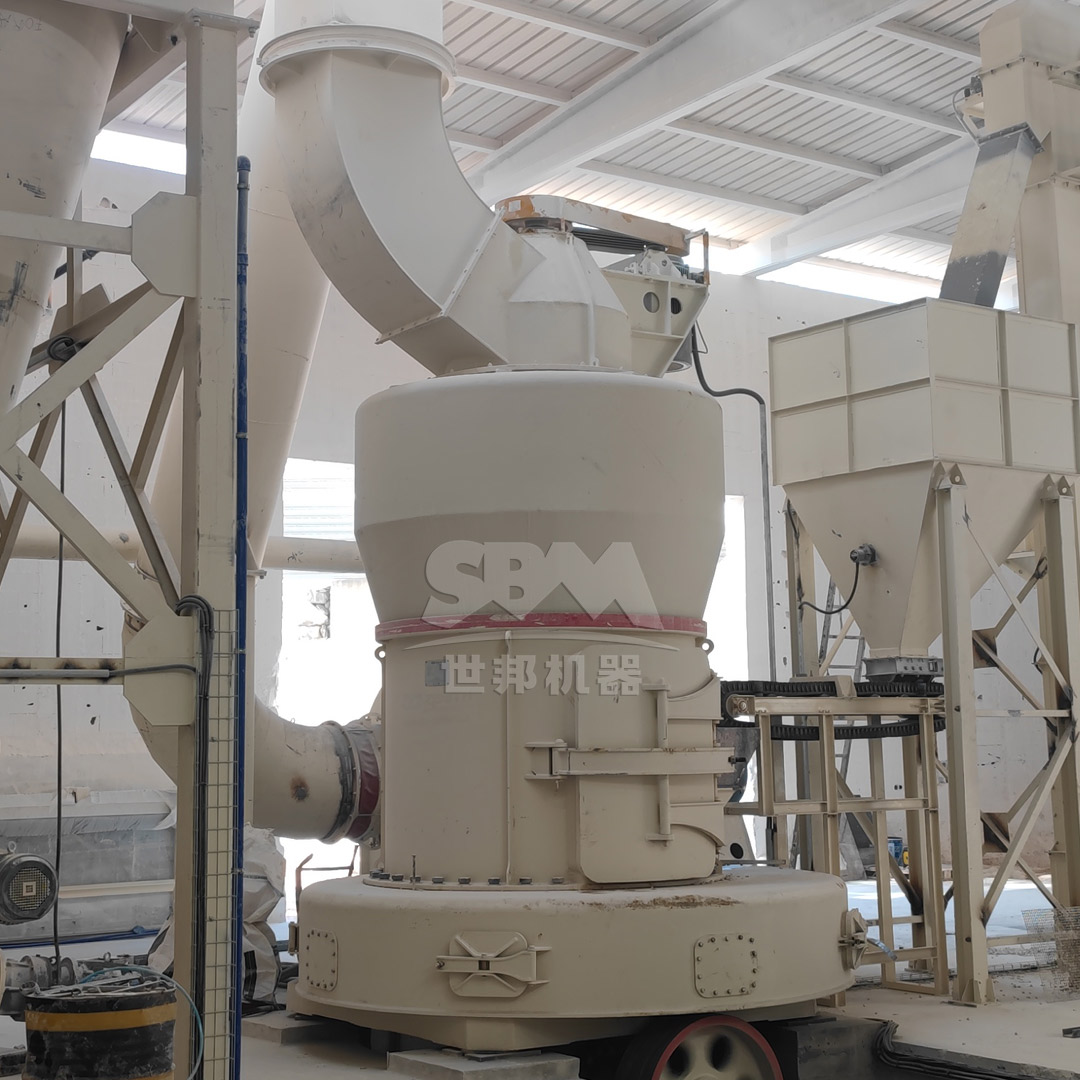
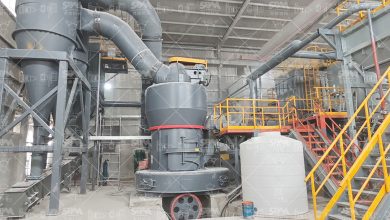
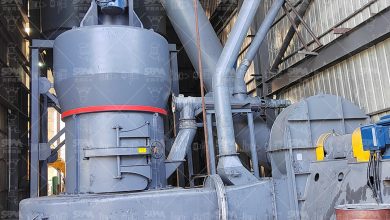
2. SCM Series Ultrafine Mill: The Solution for Premium & Specialty Tiles
When your goal is to produce high-end glazed tiles, roofing tiles with a smooth finish, or specialized engineering products, the fineness requirement often jumps to 325–2500 mesh. For this, our SCM Series Ultrafine Mill is the definitive solution. It is engineered for precision and efficiency at the finest particle sizes.
- High Efficiency & Energy Saving: The SCM mill boasts a capacity double that of traditional jet mills while consuming 30% less energy. Its intelligent control system provides automatic feedback on product granularity, ensuring consistent quality.
- High-Precision Classification: The vertical turbine classifier ensures a sharp particle size cut, meaning no coarse powder contaminates the finished product. This is vital for achieving the flawless surface required for premium tiles.
- Durable Design: Special materials for the grinding rollers and rings significantly extend their service life. The shaftless screw grinding chamber guarantees stable, vibration-free operation even at ultra-fine settings.
For a tile producer looking to establish a niche in the high-value market, models like the SCM1000 (1.0-8.5 t/h) or SCM1250 (2.5-14 t/h) provide the ultra-fine grinding capability required. Processing input material of up to 20mm, these mills can take the output from a primary crusher or a secondary mill and refine it to the specific micron level needed for a premium tile body.
Recommendation: For a comprehensive solution, consider a two-stage grinding approach. Use an MTW Series mill (e.g., MTW175G) as the primary stage to grind gangue to 80-100 mesh for structural tile production. Then, for a premium product line, feed a portion of this material into an SCM Series Ultrafine Mill (e.g., SCM1250) to create the ultra-fine 800-1250 mesh powder needed for high-gloss glazed tiles. This maximizes investment efficiency while allowing flexibility in the product portfolio.
Impact of Impurities and Moisture
The chosen mesh size must also account for the gangue’s variability. Coal gangue often contains impurities like pyrite (FeS₂) and residual coal. While some impurities can be beneficial (e.g., residual coal provides calorific value during firing to save energy), others must be ground to a specific fineness to be inert or reactive within the ceramic body.
- High Coal Content: If the gangue has significant residual coal, grinding too fine can lead to organic-rich fines that cause bloating or black coring during firing. A coarser grind (e.g., 30-50 mesh) is often preferred to control this.
- High Silica Content: Gangue rich in quartz is highly abrasive. The equipment must be durable, and the final mesh size (typically 200-325 mesh for vitrification) must be achieved without excessive wear on the mill.
Conclusion and Best Practices
Choosing the right mesh size for coal gangue tile making is not a one-size-fits-all decision. It requires a clear understanding of your final product:
- For structural tiles (e.g., floor pavers): Target 30–80 mesh. Consider the MTW Series for optimal cost-efficiency.
- For standard wall tiles and blocks: Target 100–200 mesh. The MTW Series remains a strong candidate.
- For premium glazed tiles: Target 250–325 mesh or finer. The SCM Ultrafine Mill is essential for achieving the required quality.
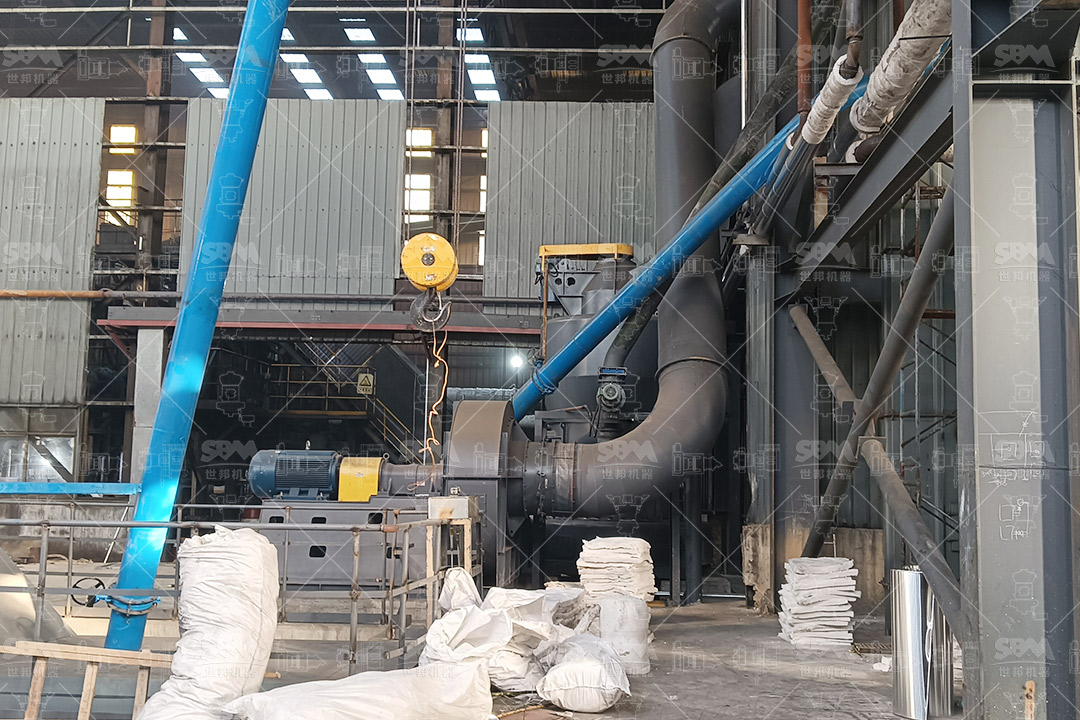
By investing in the right grinding technology and understanding the particle size requirements for your specific tile application, you can turn a waste product into a high-quality, profitable building material. Our engineering team is ready to help you select the correct mill configuration and classifier settings to achieve the exact mesh size and production capacity your project demands, ensuring a sustainable and successful operation.