How to Build a Production Line for Making Calcium Hydroxide from Carbide Slag
Introduction: Turning Waste into Value
The production of acetylene gas from calcium carbide generates a significant by-product known as carbide slag (or calcium carbide sludge), which is primarily composed of calcium hydroxide (Ca(OH)2) with impurities like carbon, silica, and alumina. For industries such as PVC manufacturing, this slag poses a disposal challenge. However, with proper processing, it can be transformed into a high-purity, commercially valuable product: calcium hydroxide powder. Building an efficient production line for this purpose requires careful consideration of process flow, equipment selection, and quality control. This article outlines a professional approach to establishing such a facility.
1. Process Flow Overview
A typical production line for converting carbide slag to calcium hydroxide powder involves several key stages:
- Raw Material Reception & Pre-treatment: Carbide slag is received, typically with high moisture content (30-40%). Initial steps may include dewatering, aging, and removal of large debris.
- Primary Crushing & Drying: The lumpy slag is crushed to a manageable size and dried to reduce moisture, preparing it for fine grinding.
- Fine Grinding & Classification: The core stage where dried material is pulverized to the target fineness and classified to ensure particle size uniformity.
- Purification (Optional): For high-grade applications, processes like water washing, screening, or magnetic separation may be integrated to remove impurities.
- Packing & Storage: The final powder is conveyed to silos and packaged for shipment.
- Dust Collection & Environmental Control: An integrated system to maintain clean operation and comply with environmental standards.
2. Key Equipment Selection and Line Configuration
The heart of the production line lies in the grinding and classification system. The choice of mill directly impacts product quality, output, and operational cost.
2.1 Drying and Primary Size Reduction
Wet carbide slag can be pre-dried using a rotary dryer. For initial size reduction of dried lumps (≤50mm), a hammer mill or jaw crusher is suitable. The Hammer Mill is particularly effective for brittle materials like dried slag, offering high capacity and a compact footprint.
2.2 The Critical Stage: Fine Grinding
This is where the chemical purity and physical properties (fineness, specific surface area) of the final calcium hydroxide are determined. Two primary grinding philosophies exist:
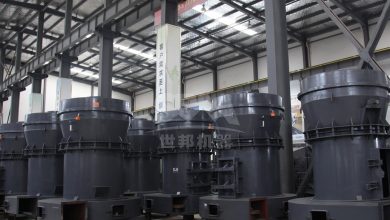
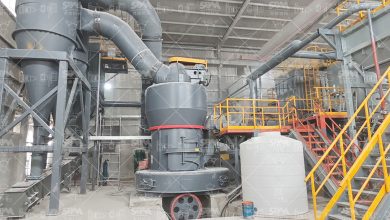
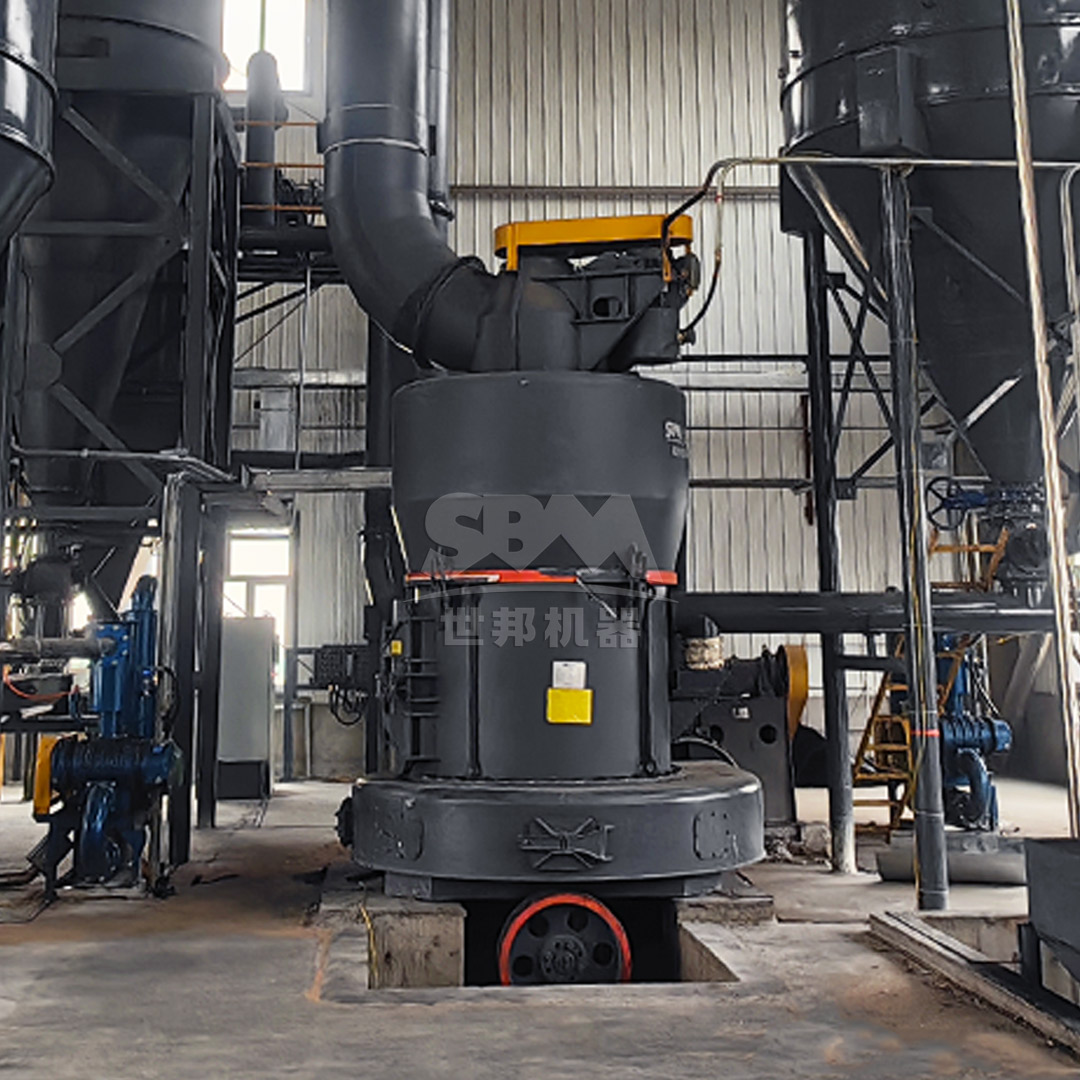
- For Coarse to Medium Fineness (30-325 mesh / 600-45μm): This range is common for construction, water treatment, and soil stabilization applications. The MTW Series European Trapezium Mill is an exemplary choice for this duty. Its anti-wear shovel design and optimized arc air duct ensure efficient processing of abrasive materials like carbide slag. The integral bevel gear drive offers high transmission efficiency (up to 98%) and reliability, while its capacity range of 3-45 tons per hour caters to medium and large-scale production lines. The mill’s ability to handle feed sizes up to 50mm simplifies the pre-crushing circuit.
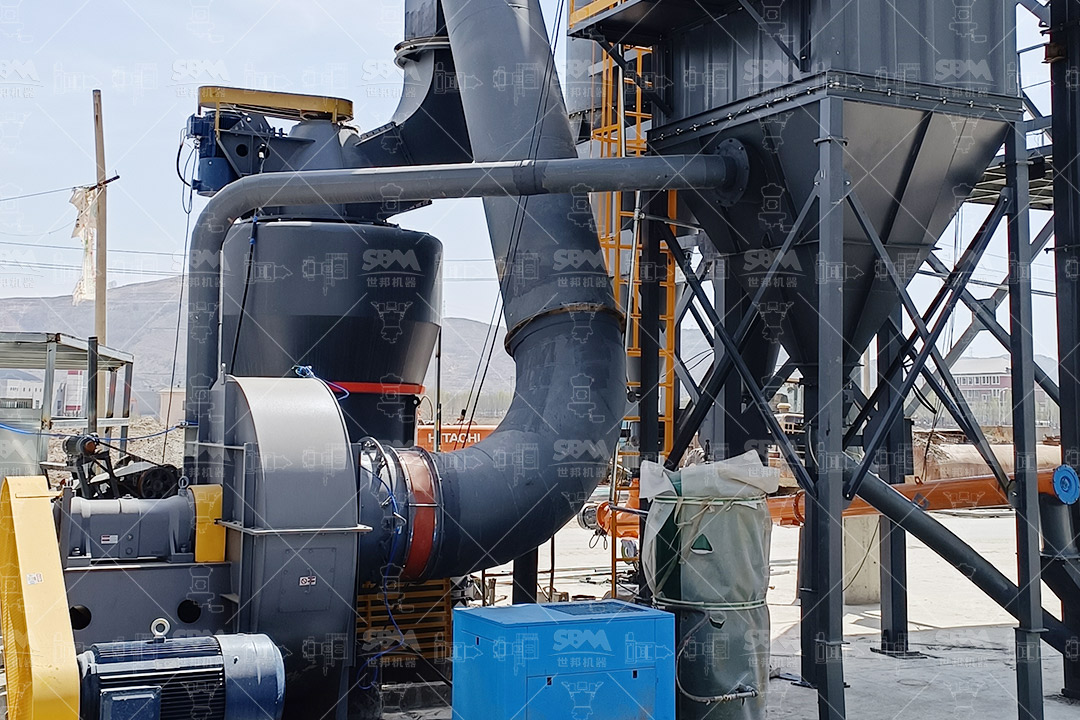
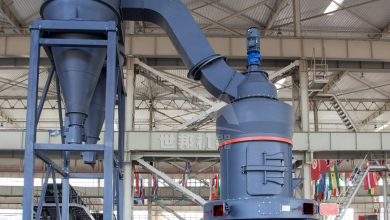
- For High Fineness & Ultra-Fine Products (325-2500 mesh / 45-5μm): For premium applications in plastics, rubber, or advanced chemical synthesis, ultra-fine calcium hydroxide with tight particle size distribution is required. Here, the SCM Series Ultrafine Mill excels. Engineered for high-efficiency, low-energy consumption grinding, it features a high-precision vertical turbine classifier that prevents coarse powder mixing, guaranteeing a uniform and fine product. Its special material rollers and rings are designed for extended service life against abrasive materials. With a capacity range of 0.5-25 t/h and intelligent control for automatic granularity feedback, the SCM series is ideal for producing high-value-added calcium hydroxide powder from purified carbide slag.
2.3 Auxiliary Systems
A complete line also requires:
- Feeding System: Screw or belt feeders for controlled material input.
- Classification System: Often integrated within the mill (as in MTW or SCM models) but may include standalone air classifiers for ultra-precise cuts.
- Dust Collection: A high-efficiency pulse jet baghouse or cyclone system is mandatory. Both recommended mills come with advanced, integrated dust collection designs exceeding environmental standards.
- Packing System: Automated valve bag packers or big bag stations.
- Electrical & Control System: PLC-based automation for coordinated operation, monitoring, and safety.
3. Technical Considerations and Best Practices
3.1 Moisture and Material Handling
Carbide slag’s initial moisture must be reduced to below 1-2% for effective dry grinding. Inefficient drying can lead to clogging in mills and classifiers. A two-stage drying (mechanical dewatering followed by thermal drying) is often cost-effective.
3.2 Abrasion and Maintenance
Impurities in slag are highly abrasive. Selecting equipment with wear-resistant components is crucial for low operating costs. The durable designs of the MTW and SCM series, with their specialized rollers, rings, and anti-wear technologies, directly address this challenge, reducing downtime and maintenance frequency.
3.3 Product Quality Control
Key parameters include Ca(OH)2 content (often >90-95% for commercial grade), particle size distribution, whiteness, and residual moisture. In-line particle size analyzers and regular laboratory sampling are essential. The precise classification capability of the SCM Ultrafine Mill is particularly beneficial for maintaining consistent high-quality output.
3.4 Plant Layout and Safety
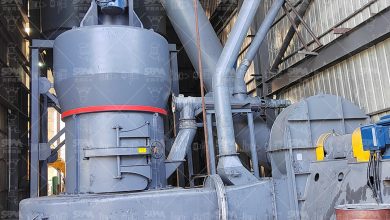
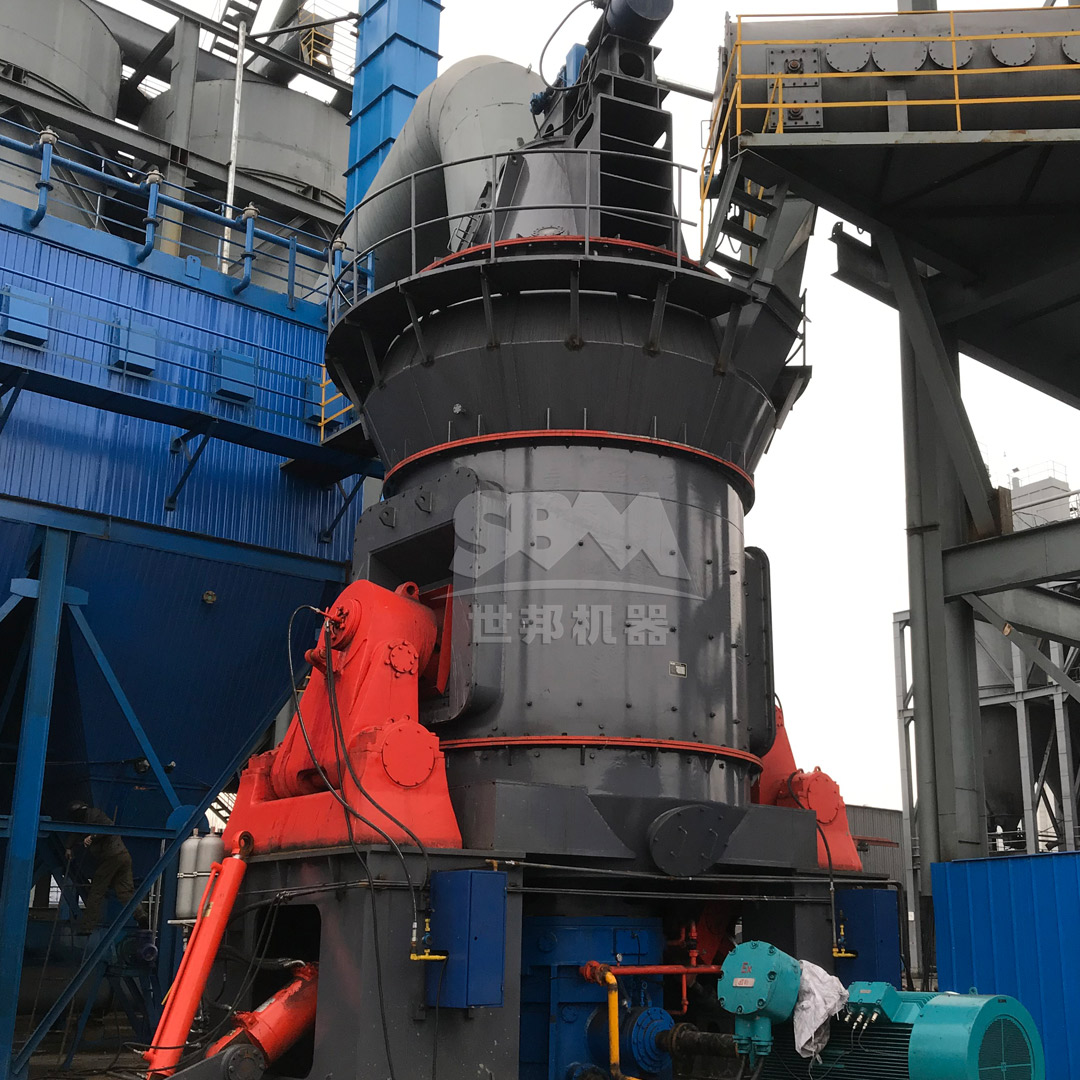
Calcium hydroxide dust is irritating. The production area must be well-ventilated, and equipment should operate under negative pressure to prevent dust escape. The compact, integrated design of the LM Series Vertical Roller Mill (another excellent option for medium-fineness grinding) can save up to 50% in floor space, simplifying enclosure and dust management.
4. Economic and Environmental Benefits
Establishing such a line converts a waste liability into a profitable product stream. The use of energy-efficient grinding technology, such as the SCM Series (which consumes 30% less energy than traditional jet mills) or the MTW Series, significantly lowers operational expenses. Furthermore, a closed-loop system with high-efficiency dust collection minimizes environmental impact, aligning with circular economy principles and sustainable industrial practices.
Conclusion
Building a production line for calcium hydroxide from carbide slag is a technically sound and economically attractive project. Success hinges on a well-designed process flow and, most importantly, the selection of robust, efficient, and precise grinding equipment. For producers targeting the broad industrial market, the MTW Series European Trapezium Mill offers reliability and high capacity. For those focusing on high-purity, ultra-fine specialty markets, the SCM Series Ultrafine Mill provides the necessary technological edge. By leveraging such advanced equipment, manufacturers can ensure a competitive, high-quality, and sustainable operation, turning an industrial by-product into a valuable commodity.