What Are the Uses of Tire Pyrolysis Carbon Black and Where to Find a Tire Carbon Black Grinding Mill?
Introduction: The Rise of Tire Pyrolysis and Its Valuable Byproduct
The global challenge of end-of-life tire (ELT) management has spurred significant innovation in recycling technologies. Among the most promising solutions is tire pyrolysis, a thermal decomposition process that converts waste tires into valuable products like pyrolysis oil, steel wire, and syngas. A key solid output of this process is Tire Pyrolysis Carbon Black (TPCB), also known as recovered Carbon Black (rCB). Unlike virgin carbon black produced from fossil fuels, TPCB offers a sustainable, circular alternative. However, its raw form from the pyrolysis reactor is coarse, agglomerated, and inconsistent, limiting its commercial application. This article explores the diverse uses of processed TPCB and provides a comprehensive guide to selecting the right grinding mill to unlock its full value.
Part 1: Understanding Tire Pyrolysis Carbon Black (TPCB)
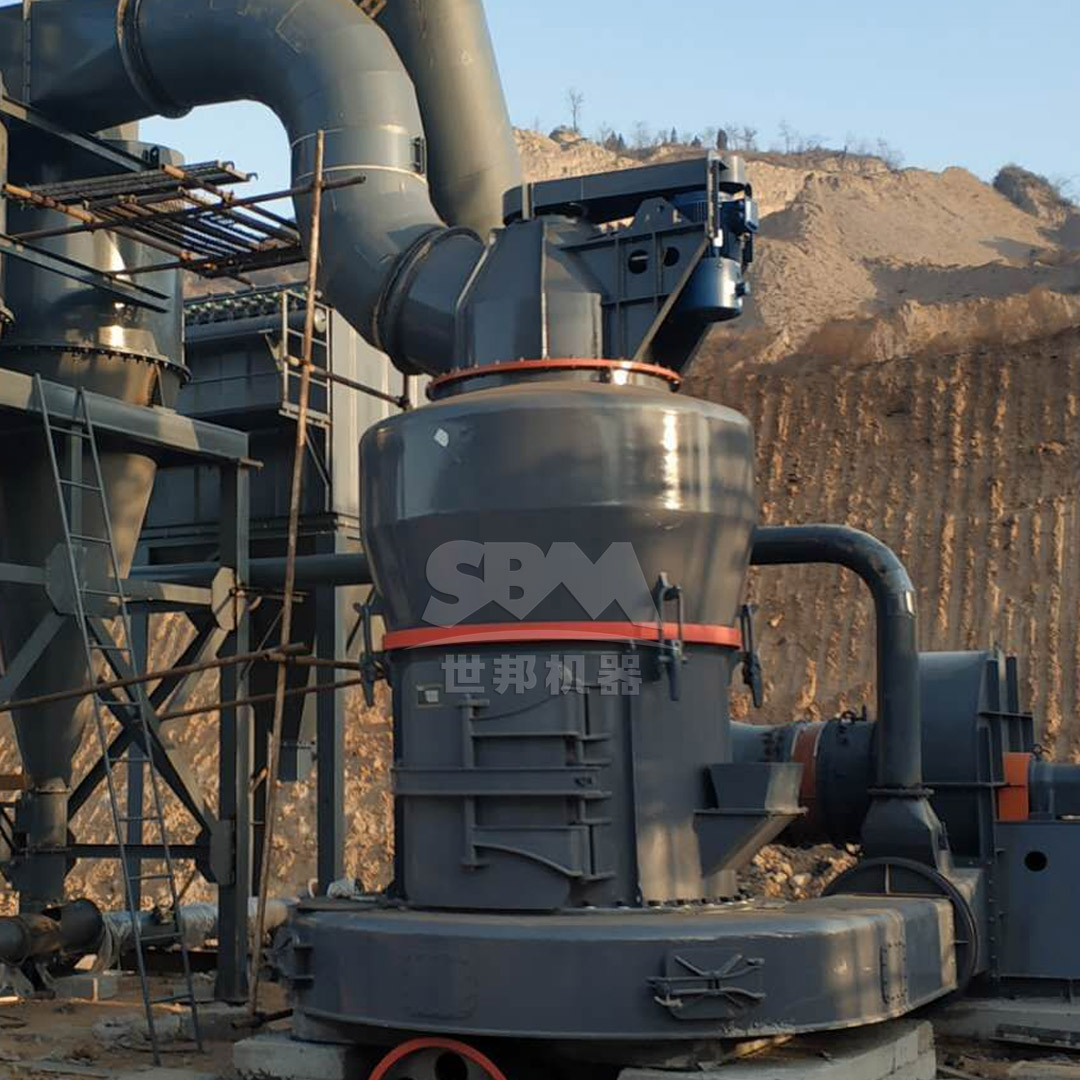
TPCB is a carbonaceous material recovered from the pyrolysis of tires. Its properties differ from virgin carbon black due to the presence of inorganic ash (from tire additives) and residual hydrocarbons. The quality and potential applications of TPCB are directly tied to two factors: the pyrolysis process conditions and, critically, the post-processing technology—specifically, grinding and classification. Raw TPCB is typically a coarse granule or pellet with a wide particle size distribution. To be a viable substitute or supplement for traditional carbon black, it must be refined into a fine, consistent powder with controlled particle size and surface area.
Key Properties of Processed TPCB:
- Particle Size: Ranging from coarse granules (several mm) down to ultrafine powders (below 20 microns). Fineness determines reinforcement capability.
- Surface Area (BET): A critical measure for reinforcement in rubber; processed TPCB can achieve surface areas comparable to certain grades of virgin carbon black (e.g., N660, N550).
- Structure: The degree of aggregation, which affects dispersion and compound viscosity.
- Ash Content: Inorganic residues (ZnO, SiO2, etc.) that influence color and electrical properties.
Part 2: Major Applications of Processed Tire Pyrolysis Carbon Black
The market value of TPCB escalates dramatically with proper grinding. Here are its primary uses:
1. Rubber and Tire Industry (The Primary Market)
Processed TPCB can partially replace virgin carbon black in numerous rubber compounds. Its primary applications include:
- New Tire Manufacturing: Used in non-critical, non-tread components like inner liners, sidewalls, and bead fillers, where high reinforcement is less critical.
- Technical Rubber Goods: Ideal for products like conveyor belts, hoses, gaskets, mats, and automotive rubber parts (e.g., mud flaps, seals).
- Re-treading: A significant market where TPCB is blended into tread compounds.
Benefit: Reduces dependency on fossil-fuel-based carbon black, lowers production costs, and improves the sustainability profile of the final rubber product.
2. Plastics and Masterbatch
Finely ground TPCB serves as an effective black pigment and conductive filler in plastics.
- Coloration: Provides a deep black color for plastic films, pipes, and injection-molded parts.
- Conductive Compounds: Used in plastics requiring electrostatic discharge (ESD) or electromagnetic interference (EMI) shielding properties.
- UV Protection: Imparts some degree of UV stability to plastic products.
3. Coatings and Inks
Ultrafine TPCB powder is a valuable pigment in industrial and protective coatings, as well as printing inks. It offers cost advantages over specialty carbon blacks while providing good jetness, weathering resistance, and dispersion stability when properly ground.
4. Construction Materials
TPCB finds use as a functional additive in:
- Asphalt and Road Pavement: Enhances durability, aging resistance, and provides a dark color.
- Concrete and Cementitious Products: Can be used as a mineral additive or pigment.
Part 3: The Critical Role of Grinding in TPCB Valorization
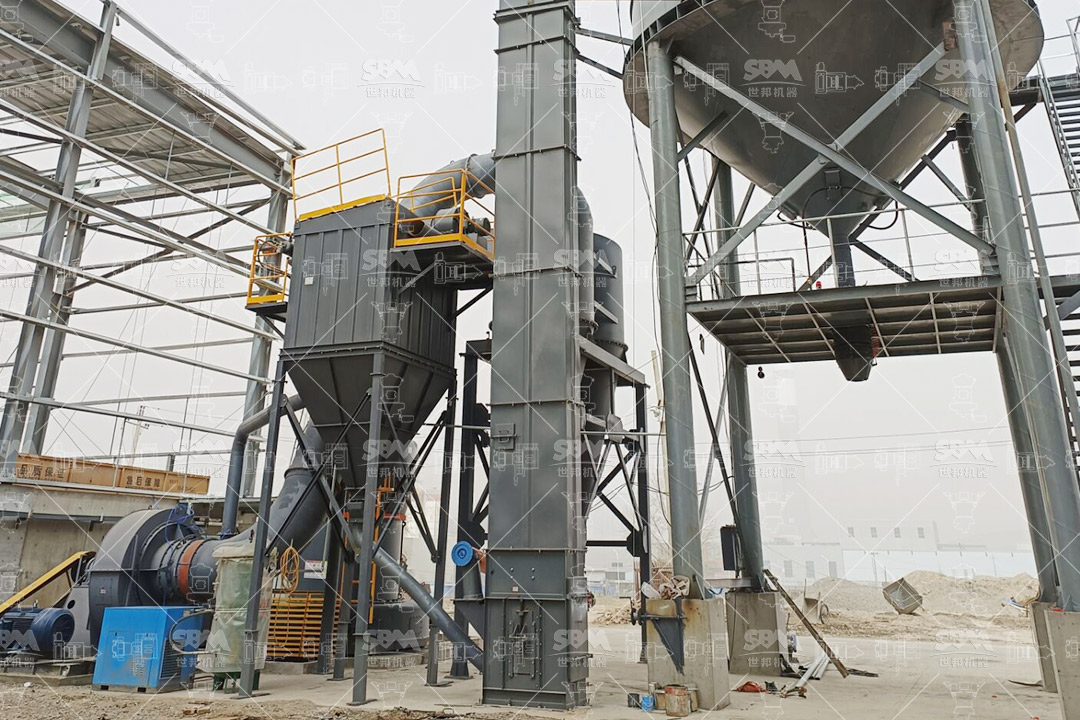
The transformation of coarse, low-value TPCB into a high-value commodity is achieved through fine and ultrafine grinding (pulverization). The grinding process serves multiple essential functions:
- Deagglomeration: Breaks down the hard, sintered aggregates formed during pyrolysis.
- Particle Size Reduction: Achieves the specific fineness (from 325 mesh/45μm down to 2500 mesh/5μm) required by target industries.
- Surface Area Increase: Creates more active surface area, which is directly linked to reinforcement properties in rubber.
- Homogenization: Produces a consistent, uniform powder with a narrow particle size distribution, ensuring predictable performance in downstream products.
Without advanced grinding, TPCB remains a low-grade filler with limited market appeal and price potential.
Part 4: How to Choose the Right Tire Carbon Black Grinding Mill
Selecting the optimal grinding system is paramount for profitability. Key considerations include:
- Target Fineness & Capacity: Define your required output size (mesh or microns) and production volume (tons per hour).
- Energy Efficiency: Grinding can be energy-intensive. Mills with high efficiency and low specific energy consumption are crucial for operational cost control.
- Wear Resistance: TPCB is abrasive. Mills must be constructed with wear-resistant materials for rollers, rings, and liners to minimize maintenance downtime and cost.
- Classification Precision: An integrated, high-efficiency classifier is essential to separate and return oversized particles, ensuring a consistently fine final product.
- Environmental Compliance: The system must operate under full negative pressure with efficient pulse-jet dust collectors to achieve near-zero dust emission, protecting both workers and the environment.
- System Intelligence: Automated controls for feed rate, grinding pressure, and classifier speed ensure stable operation and product quality with minimal manual intervention.
Part 5: Recommended Grinding Solutions for TPCB
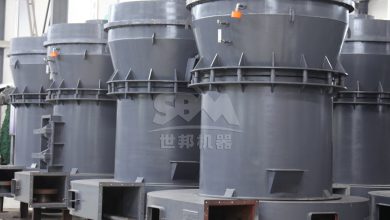
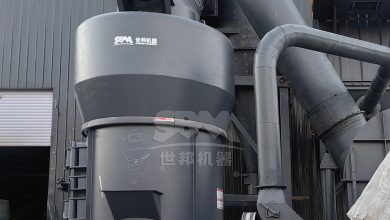
Based on the stringent requirements for processing abrasive materials like TPCB into high-value powders, two mill series stand out for their performance, durability, and efficiency.
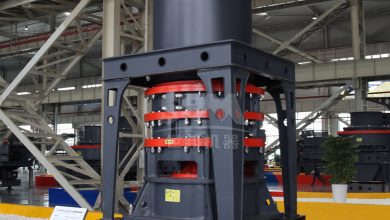
1. For Ultrafine Grinding (325-2500 mesh / 45-5μm): The SCM Series Ultrafine Mill
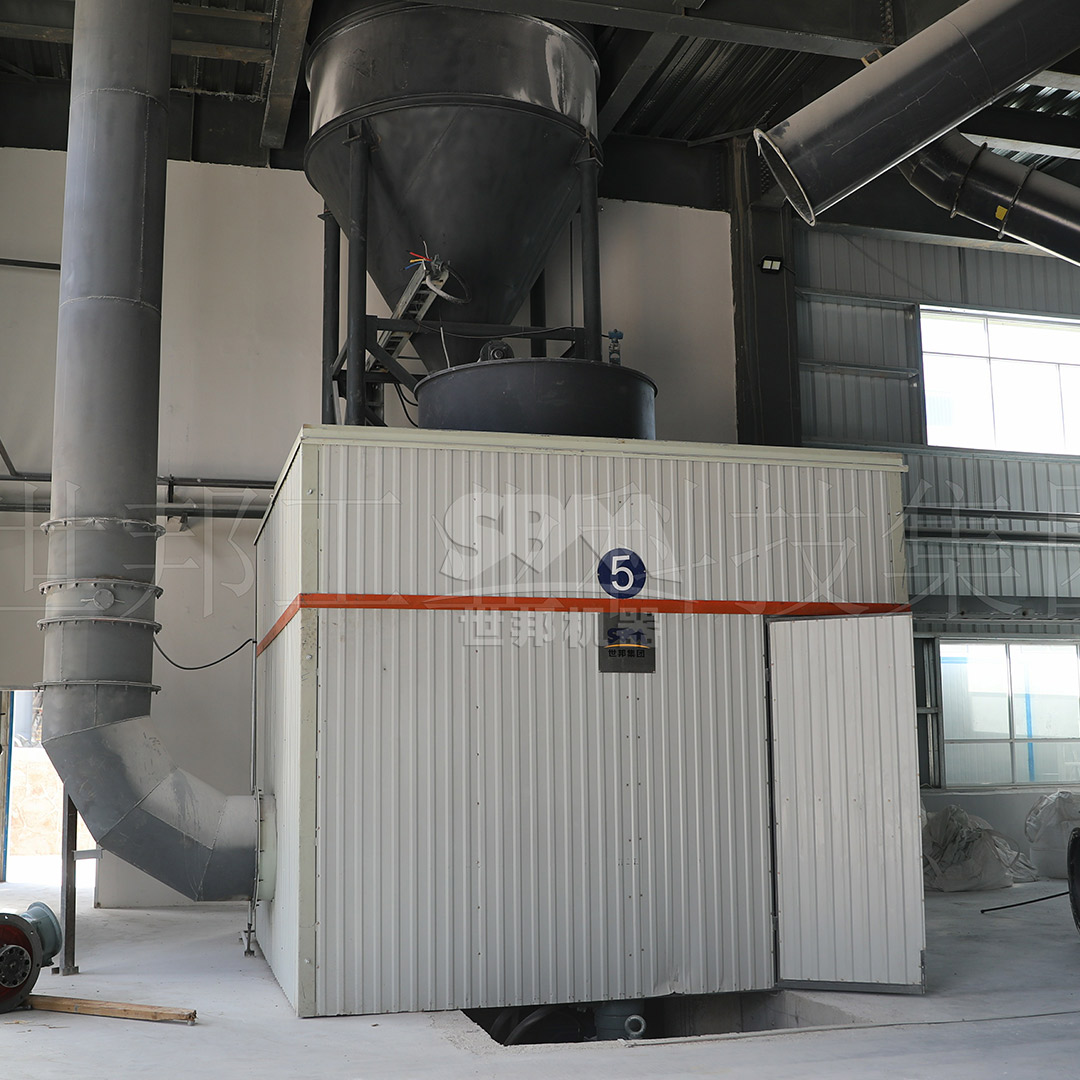
When your target market is high-end rubber compounding, premium coatings, or specialty plastics requiring ultrafine powders, the SCM Series Ultrafine Mill is the industry benchmark. This mill is engineered to tackle the deagglomeration and fine grinding of TPCB with exceptional efficiency.
Why it’s ideal for TPCB:
- High Efficiency & Energy Saving: Its grinding mechanism delivers a capacity that is twice that of traditional jet mills while consuming 30% less energy, dramatically reducing your operating costs.
- Unmatched Classification Precision: The integrated vertical turbine classifier provides precise particle size “cutting,” guaranteeing a uniform finished product without coarse powder contamination. This is critical for meeting the strict specifications of rubber compounders.
- Superior Durability: To combat the abrasiveness of TPCB, the SCM mill features specially hardened material rollers and grinding rings, extending service life several times over compared to standard components. The shaftless screw design in the grinding chamber further enhances operational stability.
- Eco-friendly Operation: The system incorporates a high-efficiency pulse dust collector (exceeding 99.9% efficiency) and a soundproof room design, ensuring a clean and quiet working environment that meets international environmental standards.
Key Model for TPCB: The SCM1000 model, with a capacity range of 1.0-8.5 t/h, main power of 132kW, and the ability to produce powder from 325 to 2500 mesh, is an excellent choice for medium to large-scale TPCB processing plants aiming for the premium powder market.
2. For High-Capacity Fine Grinding (30-325 mesh / 600-45μm): The MTW Series European Trapezium Mill
For applications where the target fineness is in the fine (rather than ultrafine) range, such as in asphalt modification, certain rubber products, or construction materials, and where high throughput is a priority, the MTW Series European Trapezium Mill is the optimal workhorse.
Why it’s ideal for TPCB:
- Robust, Anti-wear Design: It features patented combined anti-wear shovel blades and a curved grinding roller design specifically to handle abrasive materials, significantly reducing maintenance frequency and cost.
- High Transmission Efficiency: The integral bevel gear drive achieves up to 98% transmission efficiency, saving energy and space.
- Optimized for Large Volumes: With models like the MTW215G offering capacities up to 45 t/h, this mill is perfect for large-scale TPCB processors needing to grind massive quantities efficiently.
- Proven Reliability: Its mature design and wear-resistant volute structure ensure continuous, stable operation, which is vital for integrated pyrolysis-grinding facilities.
Conclusion: Partnering with the Right Technology Provider
The journey from waste tires to a valuable resource like Tire Pyrolysis Carbon Black is completed by advanced grinding technology. The choice of mill directly impacts product quality, market price, operational cost, and plant profitability. Investing in a robust, efficient, and precise grinding system like the SCM Series Ultrafine Mill or the MTW Series European Trapezium Mill is not merely an equipment purchase; it’s a strategic decision to maximize the return on your pyrolysis investment and secure a competitive position in the growing circular economy for carbon black.
By understanding the applications of TPCB and implementing the appropriate grinding solution, recyclers can transform an environmental liability into a sustainable and profitable business stream.