Silicon Powder Processing Technology and Selection of Grinding Equipment
1. Introduction
The processing of silicon powder, a critical raw material in industries ranging from semiconductors and photovoltaics to advanced ceramics and composites, demands precise control over particle size, purity, and morphology. The selection of appropriate grinding technology and equipment is paramount to achieving the desired product specifications while optimizing production efficiency, energy consumption, and operational costs. This article delves into the key technological considerations for silicon powder processing and provides a comprehensive guide for selecting the most suitable grinding equipment, highlighting advanced solutions that meet modern industrial demands.
2. Key Technological Considerations in Silicon Powder Processing
Effective silicon powder processing hinges on several interconnected technological factors:
2.1. Particle Size Distribution (PSD) and Fineness
The target fineness is the primary driver for equipment selection. Silicon powder applications vary widely:
Coarse Grinding (600-45μm / 30-325 mesh): Often used in metallurgical silicon, refractories, and certain chemical applications.
Fine & Ultrafine Grinding (45-5μm / 325-2500 mesh): Essential for electronic-grade silicon, silicone rubber, high-performance ceramics, and photovoltaic materials. Achieving a narrow, consistent PSD is crucial for product performance.
2.2. Purity and Contamination Control
Silicon processing must minimize contamination from grinding media and mill liners. Equipment designed with wear-resistant materials and optimized grinding principles that reduce metal-on-metal contact is vital for maintaining high purity levels.
2.3. Energy Efficiency
Grinding is an energy-intensive operation. Modern mills are designed to maximize the energy transferred to particle size reduction, significantly lowering operational costs and environmental impact.
2.4. System Integration and Automation
An integrated system encompassing feeding, grinding, classification, and collection, controlled by an intelligent automation system, ensures stable operation, consistent product quality, and reduced manual intervention.
2.5. Environmental Compliance
Fully sealed negative pressure operation, coupled with high-efficiency pulse dust collection systems, is mandatory to control dust emissions and meet stringent environmental standards.
3. Overview of Grinding Equipment for Silicon
Different grinding stages and fineness requirements call for specific types of equipment.
3.1. Primary and Coarse Grinding (≤50mm to ~600μm)
For initial size reduction of raw silicon blocks or large granules:
Jaw Crushers & Hammer Mills: Efficient for primary crushing to a manageable feed size for subsequent fine grinding mills.
3.2. Medium to Fine Grinding (600-45μm / 30-325 mesh)
This range is critical for many industrial silicon powders. The choice often lies between traditional and advanced milling systems.
Ball Mills: A proven technology capable of wet or dry grinding. However, they suffer from high energy consumption, significant wear, potential for contamination, and relatively broad PSD.
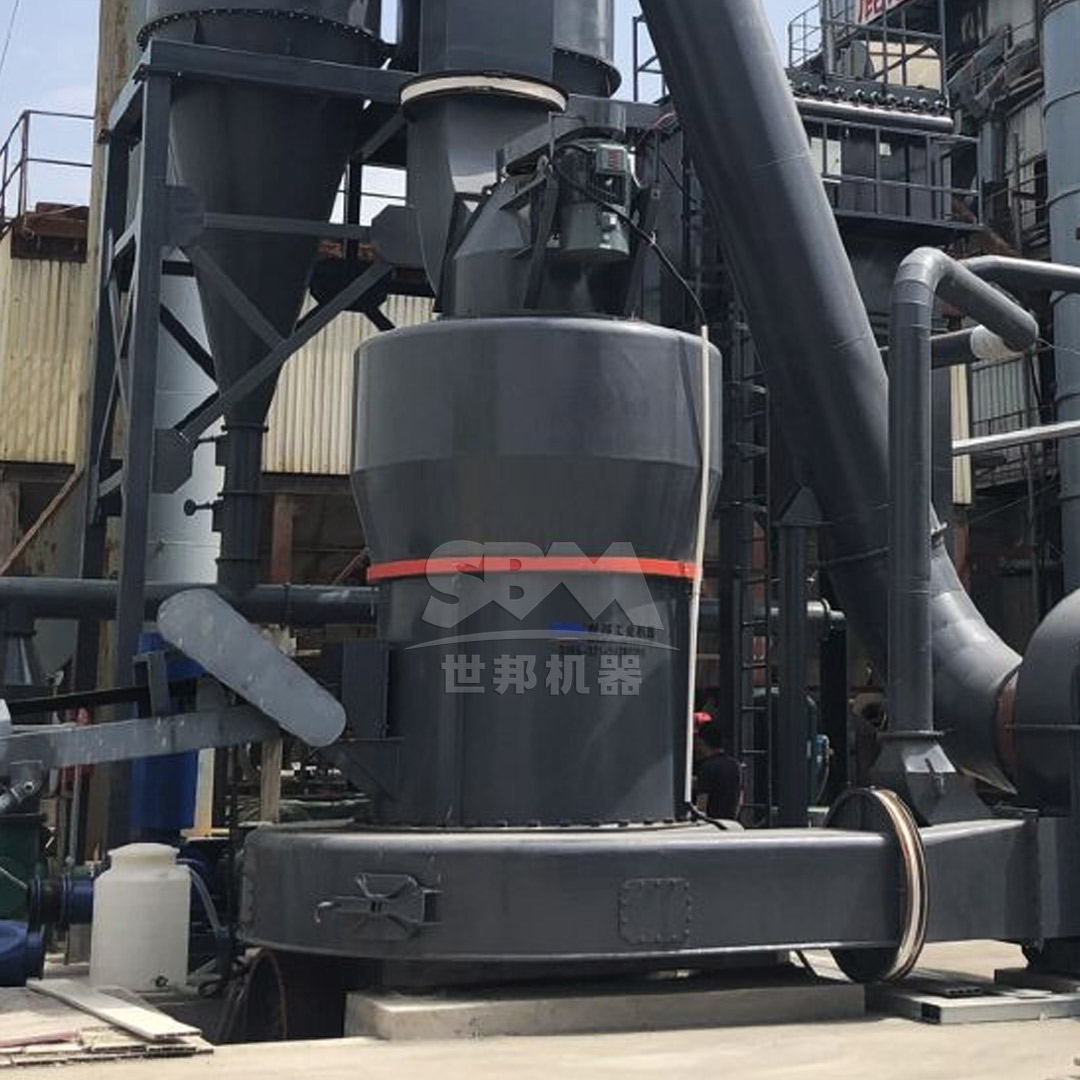
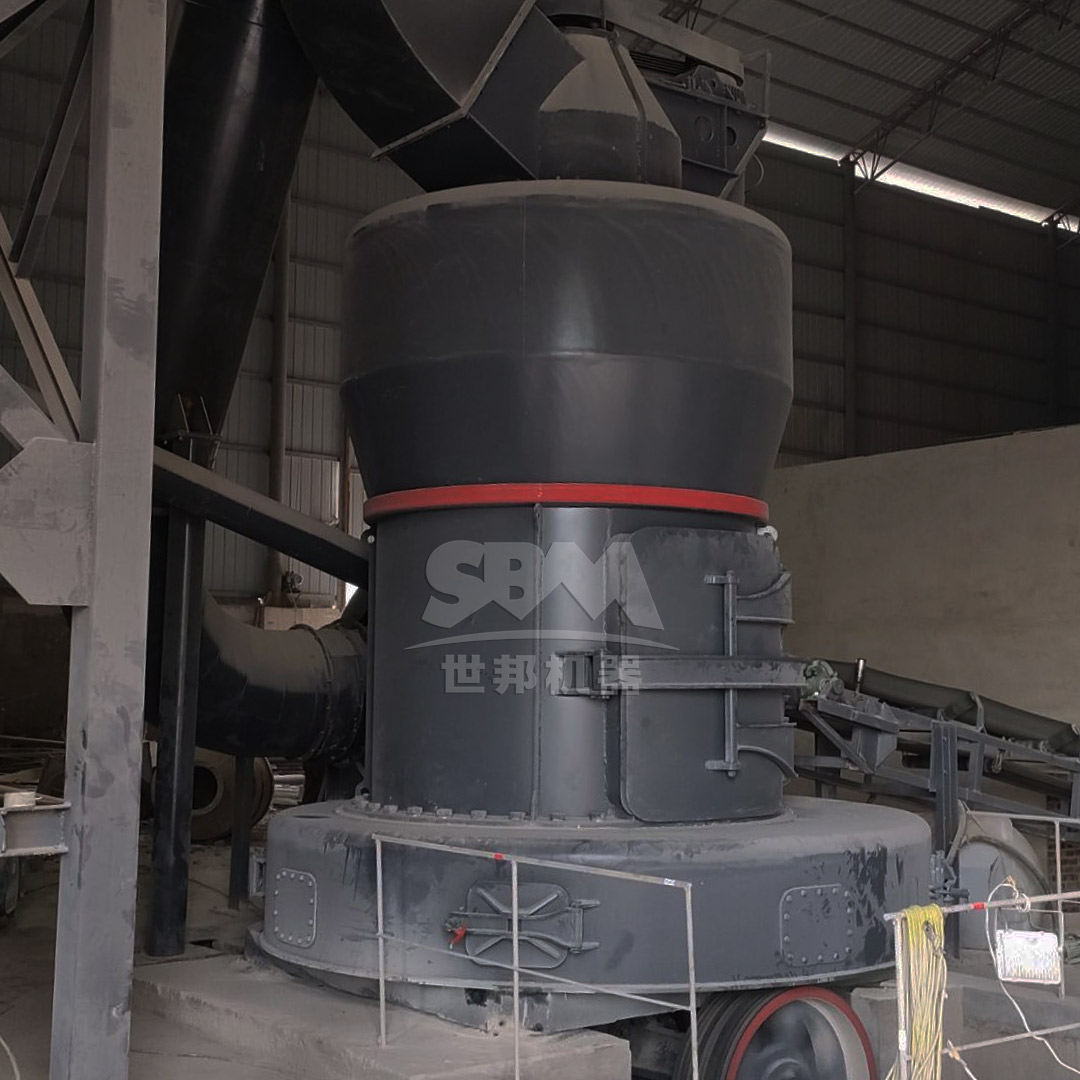
Advanced Raymond Mills & European Trapezium Mills: These represent a significant leap forward. For instance, the MTW Series European Trapezium Mill is an excellent choice for this fineness range. Its integral bevel gear drive achieves 98% transmission efficiency, while the anti-wear shovel design and optimized arc air duct reduce maintenance costs and improve energy utilization. With an output fineness of 30-325 mesh (down to 0.038mm) and capacity up to 45 TPH, it offers a highly efficient and reliable solution for producing quality silicon powder with lower operating costs compared to traditional ball mills.
3.3. Ultrafine and Superfine Grinding (45-5μm / 325-2500 mesh and beyond)
Producing ultrafine silicon powder requires specialized technology that combines intense grinding force with precise classification.
Jet Mills: Use high-speed gas streams for particle-on-particle impact, producing very fine, contamination-free powder but with high energy consumption and lower capacity.
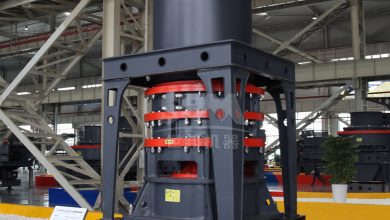
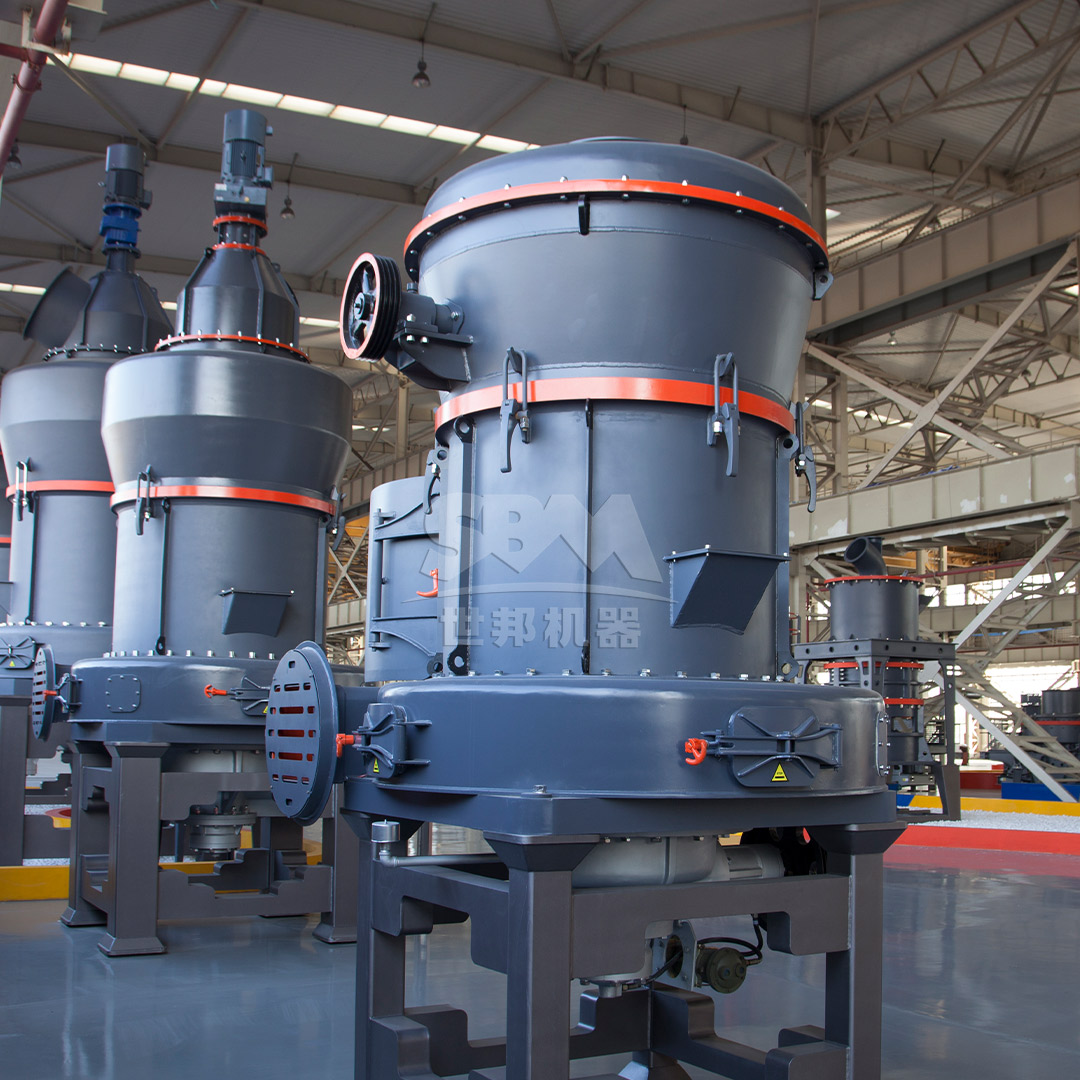
Vertical Roller Mills (VRM) for Fine Powder: Advanced VRMs are engineered for this demanding application. A prime example is the SCM Series Ultrafine Mill. This mill is specifically designed for high-capacity production of ultrafine powders. Its working principle involves material being crushed by roller pressure on rotating grinding rings, followed by high-precision classification via a vertical turbine classifier. This ensures no coarse powder mixing, resulting in a uniform product between 325-2500 mesh. Key advantages for silicon processing include its high efficiency (double the capacity of jet mills with 30% lower energy consumption), durable special-material rollers and rings for purity, and a fully eco-friendly design with pulse dust collection. For operations requiring consistent, high-volume output of ultrafine silicon powder, the SCM series represents a top-tier technological solution.
4. Selection Criteria and Decision Matrix
Selecting the right equipment involves matching machine capabilities with project requirements:
- Target Fineness: The most critical factor. Determine if the process requires medium-fine (MTW series) or ultrafine (SCM series) grinding.
- Required Capacity (TPH): Match the mill model (e.g., MTW215G vs. MTW110, SCM1680 vs. SCM800) to your production volume.
- Feed Size: Ensure the chosen mill can accept your crusher’s output (typically ≤20mm for SCM, ≤50mm for MTW).
- Energy Consumption: Evaluate the total system power (main motor, classifier, fan). Advanced designs like the MTW and SCM series offer superior energy efficiency.
- Contamination Risk: Opt for mills with wear-resistant designs and minimal sliding contact to protect silicon purity.
- Space and Installation: Consider the system footprint. Integrated vertical mills (LM/SCM series) often have a smaller footprint than horizontal ball mill circuits.
5. Conclusion
The evolution of grinding technology has provided silicon processors with highly efficient, precise, and clean solutions that far surpass traditional methods. Moving away from high-consumption, low-efficiency ball mills towards intelligent, integrated systems is key to remaining competitive. For medium-fine silicon powder production, the MTW Series European Trapezium Mill offers an outstanding balance of efficiency, reliability, and cost-effectiveness. For the most demanding applications requiring ultrafine grades, the SCM Series Ultrafine Mill stands out with its superior grinding precision, high capacity, and energy-saving design. A careful analysis of product specifications, coupled with an understanding of these advanced equipment capabilities, will lead to the optimal technological and economic outcome for any silicon powder processing operation.