How Does a High-Pressure Vertical Roller Mill Work and What Is Its Production Capacity?
Introduction to High-Pressure Vertical Roller Mill Technology
High-pressure vertical roller mills represent a significant advancement in industrial grinding technology, offering superior efficiency and precision compared to traditional grinding systems. These mills utilize a unique combination of mechanical force and airflow to achieve remarkable fineness levels while maintaining high production capacities. The fundamental principle involves applying substantial pressure through vertically oriented rollers to crush and grind materials against a rotating table, creating a highly efficient comminution process that minimizes energy consumption while maximizing output.
The evolution of vertical roller mill technology has led to the development of sophisticated systems capable of handling various materials, from soft minerals to extremely hard substances. Modern high-pressure vertical roller mills incorporate advanced features such as intelligent control systems, precision classification mechanisms, and robust construction materials that collectively contribute to their exceptional performance and reliability in demanding industrial applications.
Working Principle of High-Pressure Vertical Roller Mills
Material Feeding and Distribution
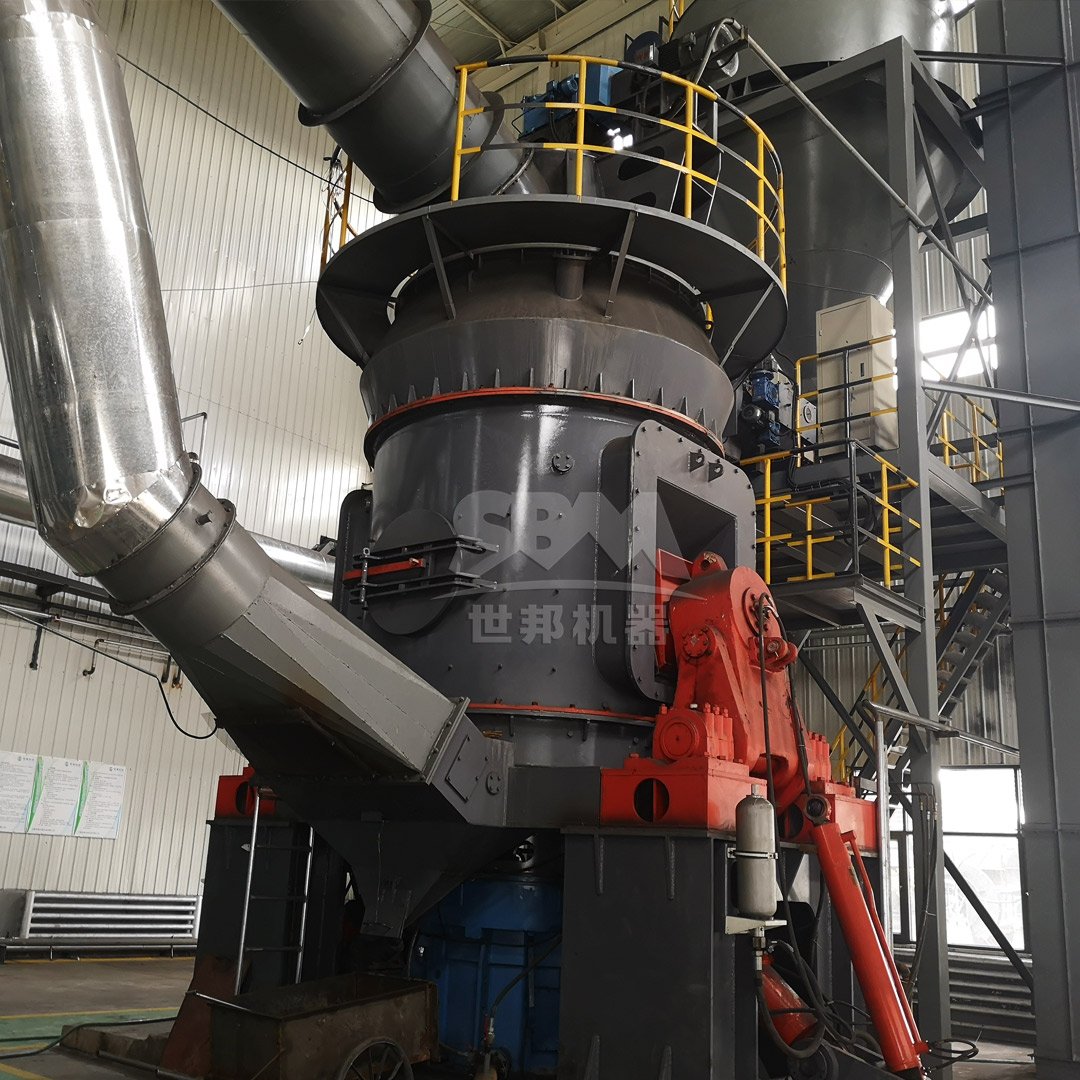
The grinding process begins with controlled material feeding through the center of the mill. Raw materials, typically sized up to 50mm depending on the mill configuration, enter through a central feed pipe and fall onto the center of the rotating grinding table. Centrifugal force generated by the table’s rotation distributes the material outward toward the grinding track, where it forms a uniform material bed of consistent thickness. This even distribution is critical for maintaining stable grinding conditions and preventing uneven roller wear.
Grinding and Compression Phase
As the material moves outward across the rotating table, it passes under the grinding rollers, which apply substantial pressure through hydraulic or spring-loaded systems. The high-pressure forces exerted by the rollers—typically ranging from 50 to 150 MPa—compress the material bed, causing inter-particle comminution through compression and shear forces. This pressure is sufficient to fracture even the hardest materials, with the grinding force being transferred through the particle bed rather than through direct metal-to-metal contact between the rollers and table, significantly reducing wear on these critical components.
Drying and Material Transport
Simultaneously with the grinding process, hot gas enters the mill through the nozzle ring surrounding the grinding table. These gases, typically at temperatures between 200-400°C, serve multiple purposes: they dry moist materials to optimal moisture content (usually below 1%), transport the ground particles upward to the classification zone, and provide the necessary thermal energy for processes requiring heat treatment. The gas velocity is carefully controlled to ensure efficient transport of fine particles while allowing coarser material to fall back onto the grinding table for further processing.
Classification and Separation
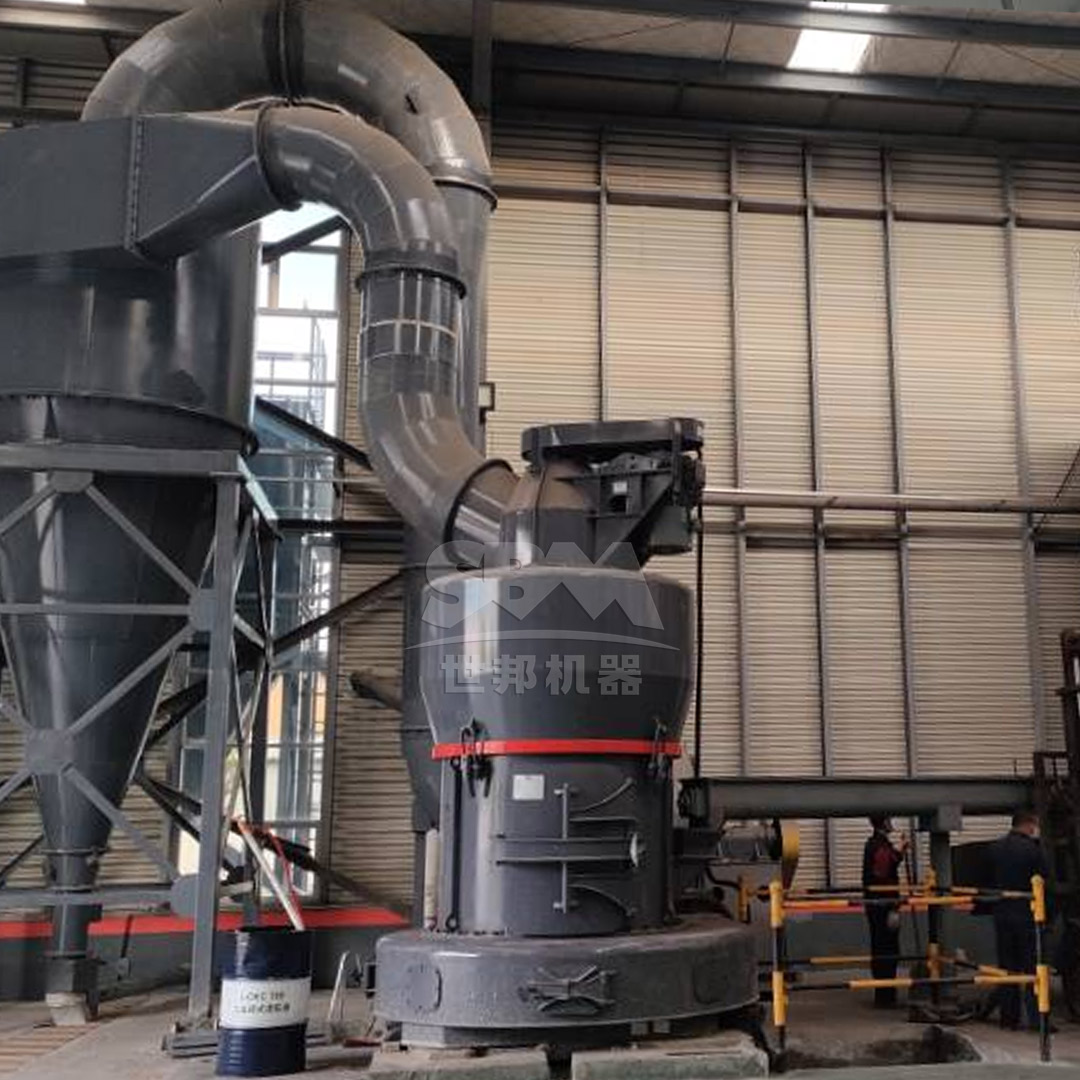
The ground material, now suspended in the gas stream, rises to the classification zone located above the grinding chamber. Here, high-efficiency dynamic classifiers—typically consisting of rotating blades or cages—separate particles based on size. Particles meeting the target fineness specifications pass through the classifier and continue to the collection system, while oversized particles are rejected by centrifugal force and returned to the grinding table for further processing. Modern mills feature adjustable classifiers that allow operators to precisely control product fineness without stopping the mill.
Product Collection
Following classification, the fine product-laden gas stream enters a collection system typically consisting of cyclones and baghouse filters. Cyclones provide primary separation through centrifugal force, collecting the majority of the product, while high-efficiency bag filters capture the remaining fine particles. The collected product is then transported to storage silos, and the cleaned gas is either recirculated to the mill for thermal efficiency or discharged to the atmosphere through an exhaust fan, complying with environmental regulations that typically require dust emissions below 20mg/m³.
Production Capacity Factors and Specifications
Key Determinants of Mill Capacity
The production capacity of high-pressure vertical roller mills is influenced by multiple factors, including material characteristics, required product fineness, mill design parameters, and operational conditions. Harder materials with higher grindability indices naturally result in lower throughput, while softer materials allow for higher production rates. The relationship between fineness and capacity is inversely proportional—finer products require more grinding energy and reduce throughput. Modern mills typically achieve capacities ranging from 3 to 250 tons per hour depending on these variables and the specific mill configuration.
Material-Specific Capacity Considerations
Different materials exhibit varying behavior in vertical roller mills, directly impacting production capacity. For cement raw materials, capacities typically range from 100-250 t/h for large mills, while cement clinker grinding generally achieves 50-150 t/h. Slag grinding operations typically reach 20-110 t/h depending on slag characteristics and required fineness. Coal grinding for power plants can achieve 20-90 t/h, with the specific capacity heavily dependent on coal hardness and moisture content. These variations highlight the importance of proper mill selection based on the specific application requirements.
Energy Efficiency and Operational Costs
High-pressure vertical roller mills demonstrate remarkable energy efficiency compared to traditional grinding systems like ball mills. Specific power consumption typically ranges from 15-40 kWh/t depending on material hardness and product fineness, representing 30-50% savings over conventional systems. This efficiency stems from the concentrated pressure application and efficient particle transport mechanism, which minimize energy losses associated with friction, heat generation, and unnecessary particle movement. The reduced energy requirements translate directly to lower operational costs and environmental impact.
Advanced Mill Technologies and Product Recommendations
LM Series Vertical Roller Mill – For High-Capacity Applications
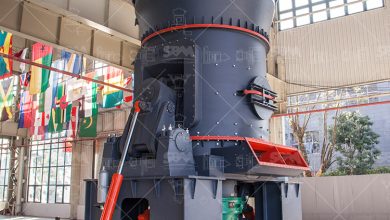
For operations requiring substantial production capacity with consistent quality, we recommend our LM Series Vertical Roller Mill. This advanced mill system features an integrated design that combines crushing, grinding, drying, classification, and conveying functions in a single compact unit. The LM series offers capacities from 3 to 250 tons per hour, handling feed materials up to 50mm in size and producing final products with fineness between 30-325 mesh (special models achieving up to 600 mesh).
The technological advantages of the LM Series include its集约化设计 (intensive design) that reduces footprint requirements by 50% and lowers infrastructure costs by 40%. The mill operates with 30-40% lower energy consumption compared to ball mill systems, thanks to its non-contact grinding principle where rollers and grinding table operate without metal-to-metal contact. This design extends wear part life up to three times while maintaining consistent performance. The intelligent control system enables both remote and local operation with real-time monitoring of critical parameters, reducing manual intervention and optimizing process stability.
SCM Ultrafine Mill – For Precision Ultrafine Grinding
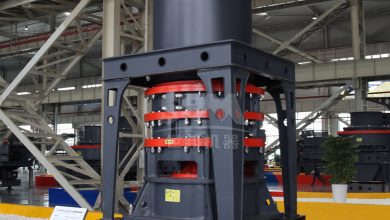
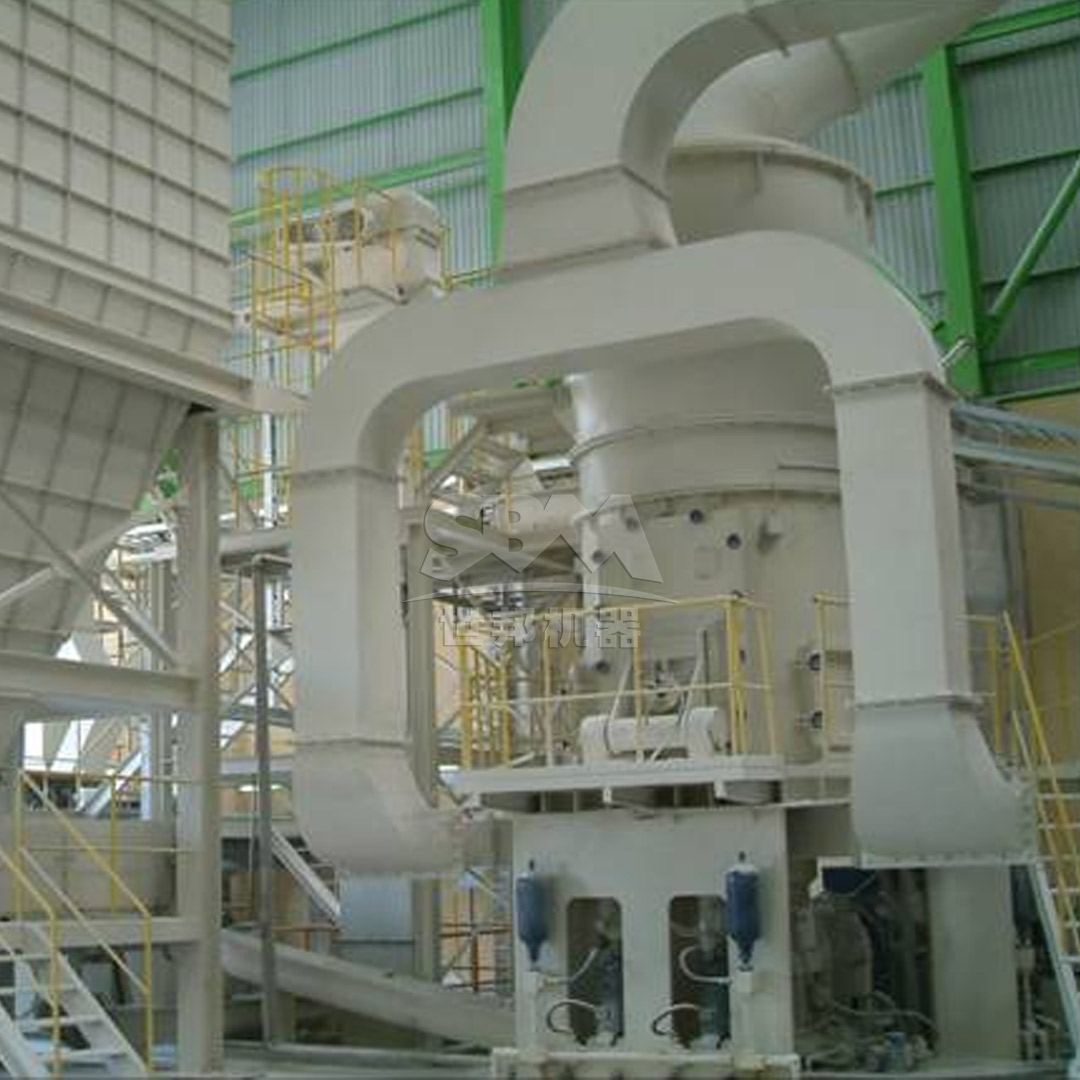
For applications requiring extremely fine products, our SCM Series Ultrafine Mill delivers exceptional performance in the 325-2500 mesh range (D97≤5μm). This specialized mill achieves capacities from 0.5 to 25 tons per hour while maintaining precise particle size distribution. The SCM series incorporates a vertical turbine classification system that ensures accurate particle size cuts without coarse powder contamination, guaranteeing uniform product quality.
Key advantages of the SCM Ultrafine Mill include its remarkable energy efficiency—offering twice the capacity of jet mills with 30% lower energy consumption. The intelligent control system automatically monitors and adjusts for consistent product fineness, while the specially designed grinding components manufactured from wear-resistant materials significantly extend service life. Environmental considerations are addressed through pulse dust collection systems exceeding international standards and soundproofing that maintains noise levels below 75dB, ensuring operator comfort and regulatory compliance.
Operational Considerations and Maintenance
Optimizing Mill Performance
Maximizing the performance and longevity of high-pressure vertical roller mills requires attention to several operational factors. Proper material bed formation is essential for efficient grinding—too thin a bed increases wear and vibration, while too thick a bed reduces grinding efficiency. Maintaining optimal gas flow and temperature ensures proper material transport and drying without excessive energy consumption. Regular monitoring of grinding pressure, differential pressure, and motor current provides early indication of potential issues, allowing for proactive maintenance before problems escalate.
Maintenance Strategies for Long-Term Reliability
Effective maintenance of vertical roller mills focuses on wear part management, alignment verification, and lubrication system integrity. Grinding rollers and table segments typically require replacement after 6,000-10,000 hours of operation, depending on material abrasiveness. Modern mills feature modular designs that facilitate quick replacement of wear parts, minimizing downtime. Regular inspection of the grinding elements, classifier components, and mechanical systems ensures continuous reliable operation. Advanced monitoring systems track operating parameters and provide predictive maintenance alerts, further enhancing equipment availability and reducing unexpected shutdowns.
Conclusion
High-pressure vertical roller mills represent the pinnacle of modern grinding technology, offering unparalleled efficiency, precision, and reliability across diverse industrial applications. Their working principle—combining mechanical compression with efficient material transport and classification—enables substantial production capacities while maintaining strict quality control. With capacities spanning from a few tons to several hundred tons per hour and the ability to produce products from coarse aggregates to ultrafine powders, these mills provide versatile solutions for the evolving needs of modern industry.
The continued advancement of vertical roller mill technology, exemplified by our LM Series and SCM Ultrafine Mill offerings, demonstrates the industry’s commitment to improving energy efficiency, reducing environmental impact, and enhancing operational flexibility. As material processing requirements become increasingly demanding, high-pressure vertical roller mills will continue to play a crucial role in enabling efficient, sustainable industrial production across the globe.