Uses and Applications of Attapulgite Clay Grinding Mill in Industrial Processing
Introduction
Attapulgite clay, also known as palygorskite, is a naturally occurring magnesium-aluminum phyllosilicate mineral with a unique fibrous crystal structure. This distinctive morphology endows attapulgite with exceptional properties, including high surface area, excellent adsorption capacity, superior rheological behavior, and thermal stability. These characteristics make attapulgite an indispensable material across a wide spectrum of industries, ranging from oil drilling and environmental remediation to pharmaceuticals, agriculture, and construction materials.
However, the full industrial potential of attapulgite can only be unlocked through proper processing. Raw attapulgite ore typically contains impurities, moisture, and has a particle size distribution that is unsuitable for most direct applications. Therefore, grinding and milling are critical steps in the value chain. Attapulgite clay grinding mills play a pivotal role in transforming coarse, raw ore into fine, high-performance powders that meet stringent industrial specifications. This article explores the diverse uses and applications of attapulgite clay grinding mills, highlighting their technical importance and recommending advanced solutions for modern industrial processing.
1. Oil and Gas Drilling Industry
One of the most significant applications of attapulgite is in the oil and gas drilling sector. Attapulgite is used as a key component in drilling fluids (mud) because of its superior salt-water tolerance. Unlike bentonite, which flocculates in saltwater environments, attapulgite maintains stable viscosity and gel strength even in high-salinity brines. This property is crucial for offshore drilling and for drilling through salt formations.
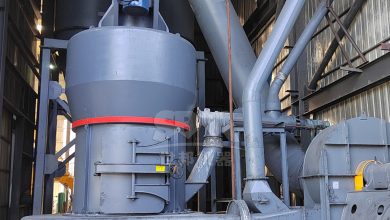
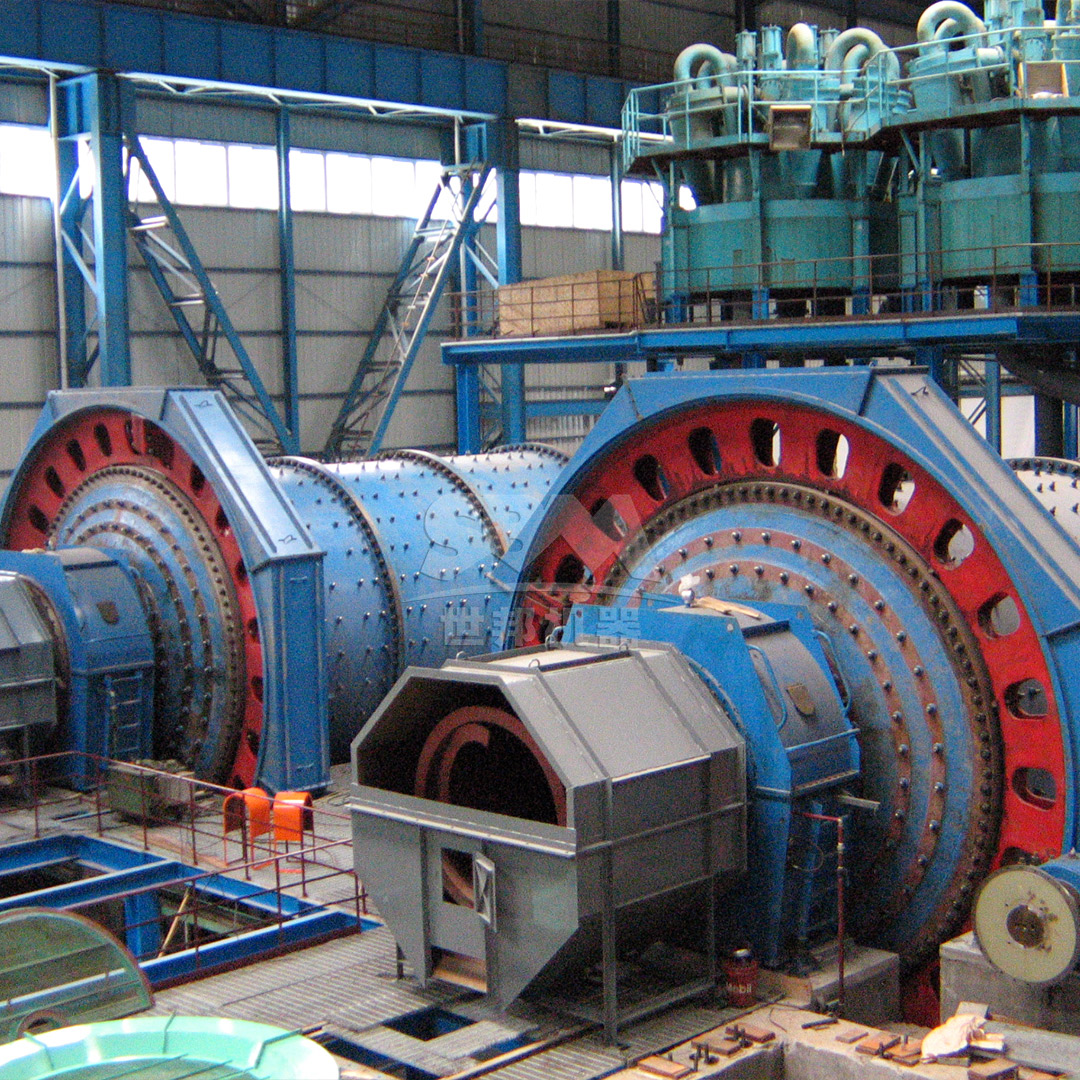
To achieve the required rheological properties, the attapulgite must be ground to a specific fineness, typically between 45μm and 75μm (200-325 mesh). The grinding process must be carefully controlled to avoid damaging the fibrous structure, which is essential for viscosity building. For such medium-fineness, high-throughput applications, the MTW Series European Trapezium Mill is an ideal choice. With its robust integral bevel gear drive achieving up to 98% transmission efficiency and optimized arc air ducts, the MTW mill delivers consistent fineness (30-325 mesh) with capacities ranging from 3 to 45 tons per hour. Its anti-wear shovel design and durable volute structure ensure long-term reliability in the demanding oilfield supply chain.
These grinding mills ensure that the attapulgite powder has uniform particle size, low moisture content, and the correct specific surface area, directly impacting the performance of the drilling mud in stabilizing boreholes and lubricating drill bits.
2. Environmental Remediation and Absorbents
Attapulgite’s high surface area and porous structure make it an excellent adsorbent for environmental applications. It is widely used for:
- Heavy Metal Removal: Attapulgite can adsorb heavy metals like lead, cadmium, and arsenic from contaminated water.
- Oil Spill Cleanup: Its high absorptive capacity makes it effective for containing and solidifying oil and chemical spills.
- Wastewater Treatment: It is used as a filter aid and coagulant aid in industrial and municipal wastewater treatment plants.
- Pet Litter: A major consumer application, where attapulgite’s clumping and odor-absorbing properties are highly valued.
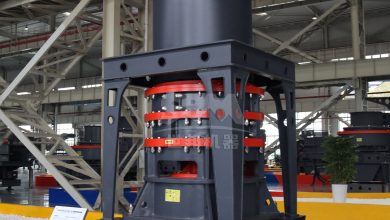
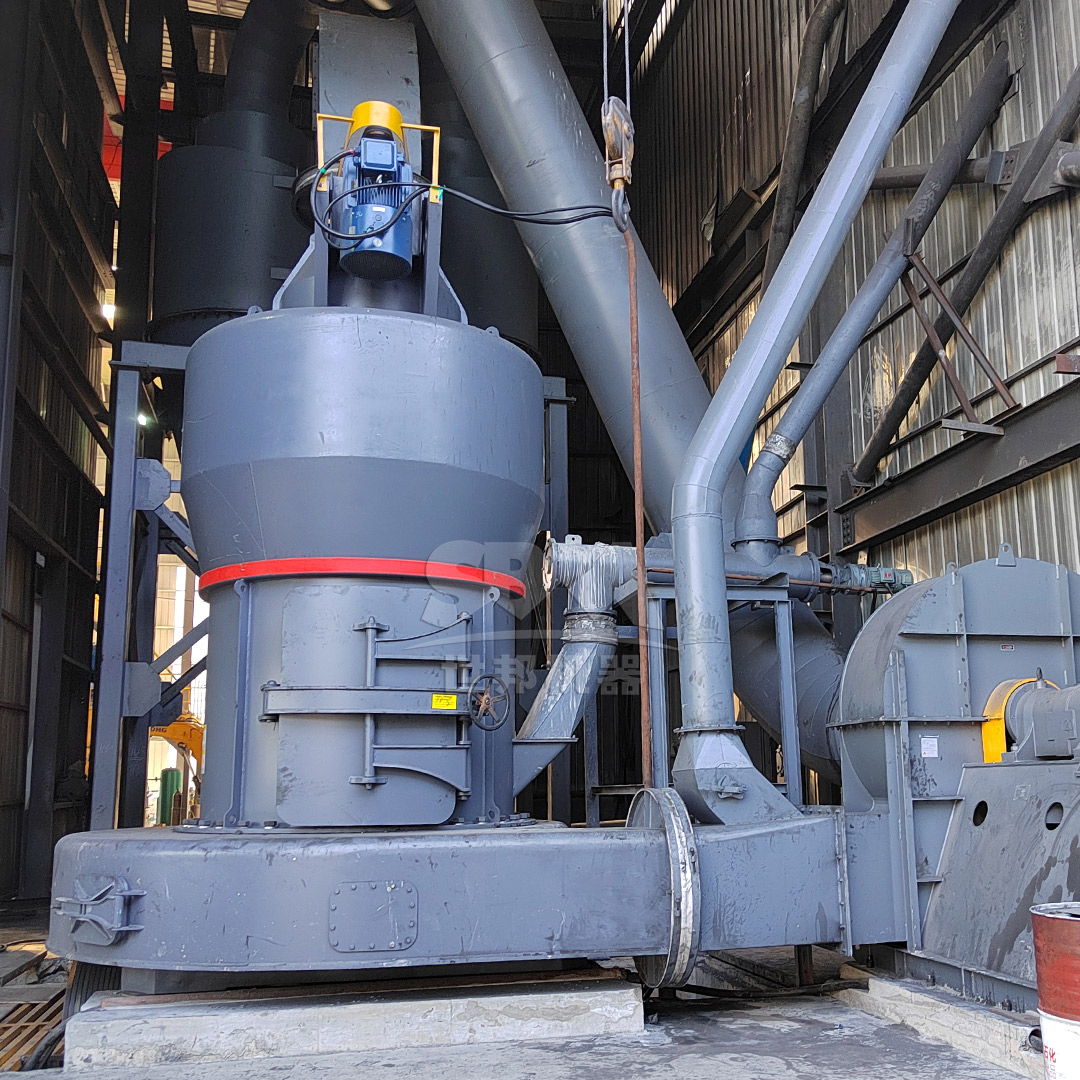
For these applications, the grinding fineness requirements can vary widely. While some filler and absorbent applications require a relatively coarse powder (30-100 mesh), specialized high-performance sorbents often demand ultra-fine powders with high specific surface area to maximize adsorption kinetics. The SCM Series Ultrafine Mill is perfectly suited for producing high-value attapulgite products requiring fineness between 325 and 2500 mesh (45-5μm). With intelligent control and automatic finished product granularity feedback, the SCM mill ensures precise particle size distribution, which is critical for maximizing the adsorption capacity of the final product.
3. Agriculture and Animal Feed
In agriculture, attapulgite is valued for its ability to improve soil structure, increase water retention, and act as a slow-release carrier for fertilizers and pesticides. When added to animal feed, attapulgite acts as a binder for pelletizing, a toxin binder (mycotoxin adsorbent), and a digestive aid, improving feed efficiency and animal health.
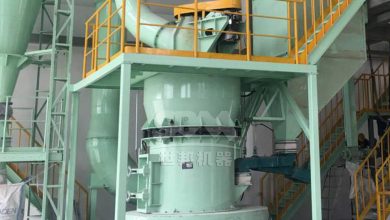
For these bulk applications, cost-effectiveness and high throughput are paramount. The mill must be capable of processing large volumes of ore efficiently while maintaining a consistent product quality. The LM Series Vertical Roller Mill excels in this domain. Its integrated design combines crushing, grinding, and classification, which can reduce floor space by up to 50% and infrastructure costs by 40%. With energy consumption 30-40% lower than traditional ball mill systems and capacities reaching up to 250 tons per hour, the LM series provides an economically superior solution for large-scale attapulgite processing in the agricultural sector.
4. Construction and Building Materials
Attapulgite is increasingly important in the construction industry as a rheology modifier and thickening agent. It is used in:
- Thin-film Plaster and Joint Compounds: Provides excellent workability and sag resistance.
- Self-leveling Flooring Compounds: Improves flow properties and prevents segregation.
- Cement and Plaster Systems: Enhances water retention and prevents cracking.
- Geosynthetic Clay Liners (GCLs): Attapulgite can be used in GCLs for landfill liners and containment barriers.
The key to successful use in these applications is achieving a specific fineness (typically 200-325 mesh) combined with high purity and consistent rheological performance. Our MTM Series Medium-speed Trapezium Mill, with its intelligent pressure regulation system that compensates for roller wear, provides a stable and reliable solution for these construction-grade requirements, with capacities suitable for both medium and large-scale operations.
5. Pharmaceutical and Cosmetic Applications
For high-end applications in pharmaceuticals and cosmetics, the purity and fineness of attapulgite are of utmost importance. In the pharmaceutical industry, attapulgite is used as an active ingredient in antidiarrheal medications and as a suspending agent in liquid formulations. In cosmetics, it appears in face masks, creams, and lotions for its oil-absorbing and texturizing properties.
These applications demand ultra-fine powders, often below 10μm, with exceptional whiteness and purity. The LUM Ultrafine Vertical Roller Mill, which utilizes unique roller and liner curves and multi-rotor classifying technology, is designed to produce powders as fine as 325-2500 mesh with no coarse particle contamination. Its PLC automation ensures strict batch-to-batch consistency, a non-negotiable requirement in the pharmaceutical sector.
6. Catalyst and Chemical Carrier
The unique fibrous morphology of attapulgite provides a high surface area substrate for catalytic and chemical applications. It is used as a catalyst support in various chemical reactions, such as the cracking of hydrocarbons and the synthesis of organic compounds. Its thermal stability and neutral pH make it an ideal carrier for both acidic and basic catalysts.
For these specialized chemical applications, the grinding mill must not only achieve the required micronization but also operate in a contaminant-free environment to preserve chemical purity. Advanced mills equipped with special material rollers and rings and effective sealing systems are essential.
Conclusion
Attapulgite clay is a versatile industrial mineral whose value is dramatically enhanced through proper grinding and classification. From high-volume drilling fluid additives to ultra-fine pharmaceutical powders, the choice of grinding mill directly dictates the quality, performance, and economic viability of the final product. Understanding the specific requirements of each application—whether it is fineness, capacity, energy efficiency, or purity—is crucial for selecting the optimal processing technology.
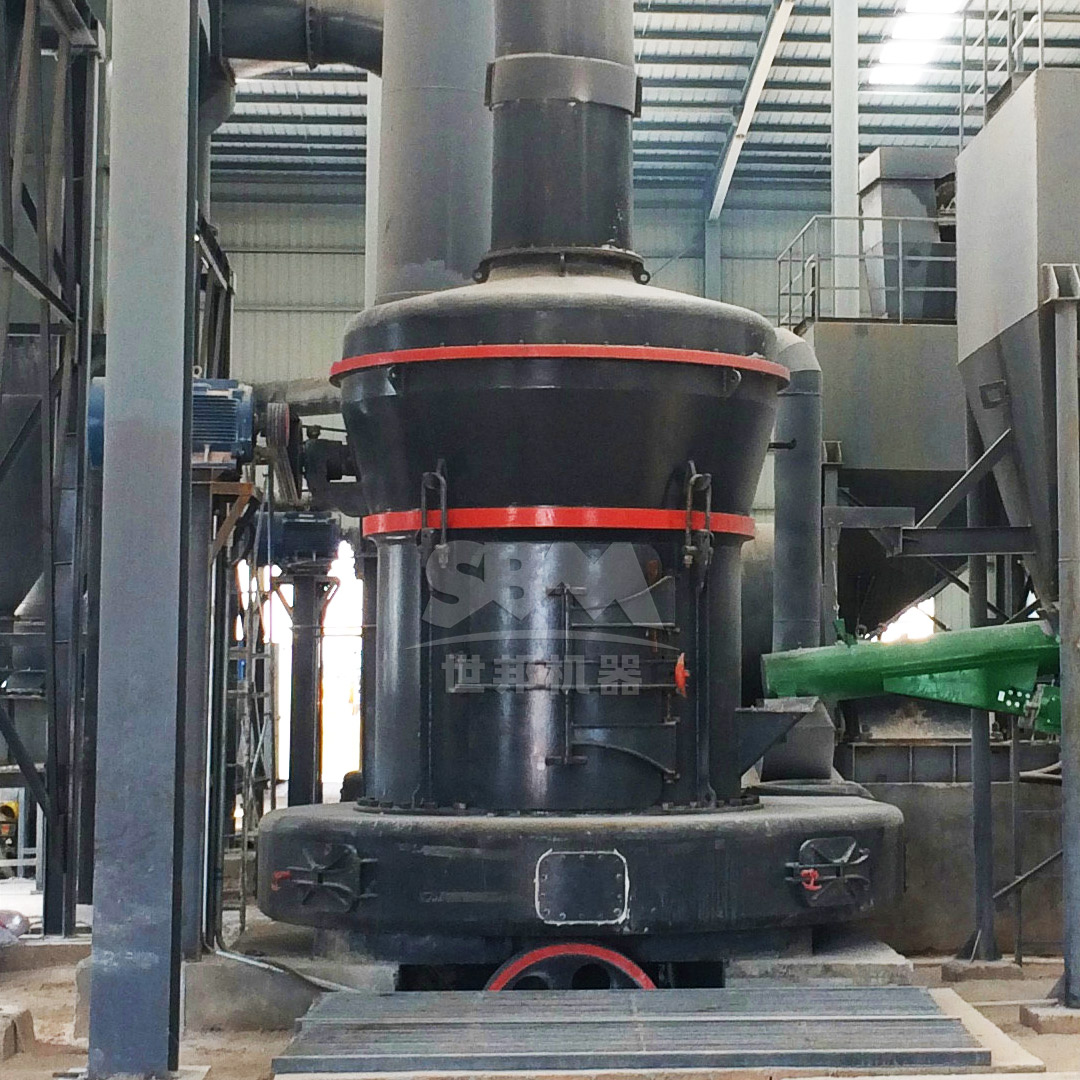
Our comprehensive range of mills, including the high-capacity LM Vertical Roller Mill and the precision-driven SCM Ultrafine Mill, provides tailored solutions for every segment of the attapulgite processing industry. By leveraging these advanced technologies, processors can achieve higher yields, lower operating costs, and deliver products that meet the most demanding industrial standards, driving innovation across multiple sectors.