Top 5 New Type Quartz Grinding Mills: Which One Is the Best for Your Powder Plant?
Introduction
In the dynamic landscape of mineral processing, the selection of a suitable grinding mill is paramount to the operational success and economic viability of a powder plant. Quartz, being one of the most abundant and industrially significant minerals, demands grinding technology that is not only efficient but also precise, durable, and energy-conscious. The era of conventional ball mills as the sole solution is fading, giving rise to a new generation of high-performance mills engineered to deliver superior fineness, higher throughput, and lower operational costs. This article delves into the top 5 new types of quartz grinding mills that are reshaping the industry, providing a comprehensive analysis to aid plant operators in making an informed decision.
From ultrafine grinding for specialized applications to high-capacity vertical mills for large-scale production, the market now offers a diverse array of technologies. Each system brings unique advantages, whether it is in energy savings, particle size distribution control, or the ability to handle abrasive materials like quartz with minimal wear. Understanding the nuances of these modern mills is critical. This guide will explore their working principles, key features, and ideal application scenarios, helping you determine which technology aligns best with your production goals.
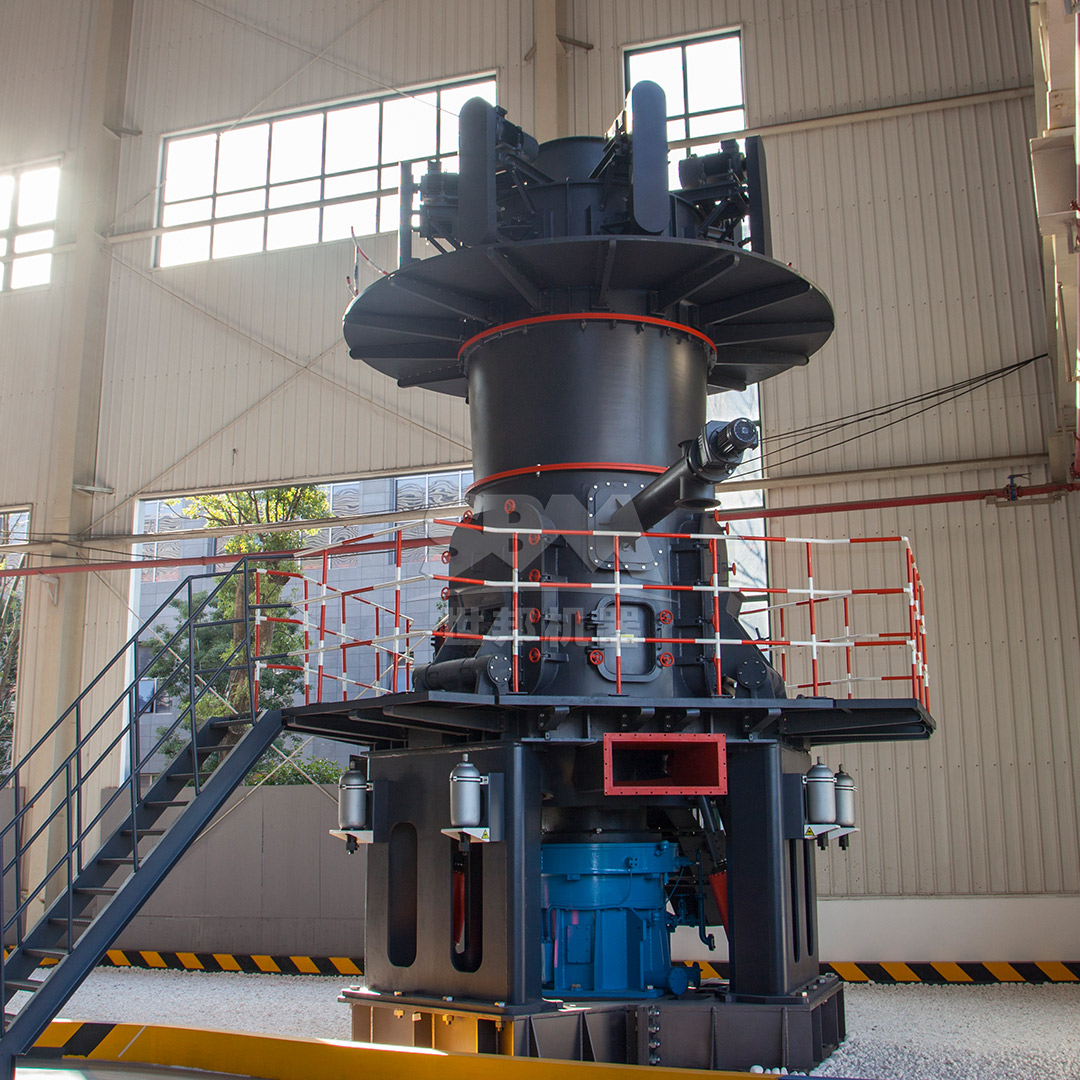
1. SCM Series Ultrafine Mill: For Precision Below 45 Microns
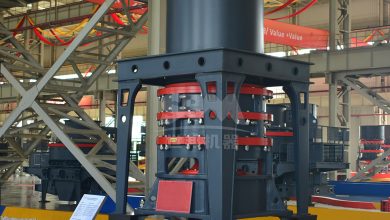
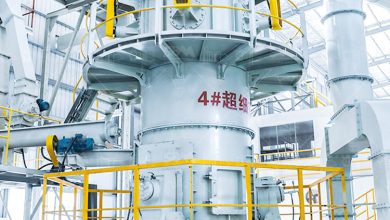
When the demand calls for ultra-fine quartz powder in the range of 5 to 45 microns (325-2500 mesh), the SCM Series Ultrafine Mill stands out as a powerhouse of precision and efficiency. This mill is engineered specifically for applications requiring high-value-added products, such as fillers for plastics, rubber, paint, and high-end coatings. The technology employs a multi-layer grinding ring and high-pressure roller mechanism, which not only ensures superior grinding efficiency but also significantly curtails energy consumption.
One of the primary technical advantages of the SCM series is its output capacity, which is claimed to be twice that of traditional jet mills while consuming 30% less energy. This is complemented by an intelligent control system that provides automatic feedback on finished product granularity, ensuring consistent quality without the need for constant manual oversight. The vertical turbine classifier is another key feature, guaranteeing high-precision particle size cutting with no coarse powder mixing, which is essential for industries that demand rigorous quality standards. Furthermore, the mill is designed with durability in mind, utilizing special material for rollers and rings to extend service life, alongside a shaftless screw grinding chamber for stable and reliable operation. For plants focused on ultrafine quartz powder, the SCM series offers an unmatched blend of efficiency, precision, and operational safety.
Our Recommendation for Ultrafine Applications: We highly recommend the SCM1250 Ultrafine Mill for operations aiming at a capacity of 2.5 to 14 t/h. It is an ideal centerpiece for a quartz powder plant focused on high-value markets. For the highest capacity requirements within this category, the SCM1680 model, offering up to 25 t/h, ensures that your production line can meet large-scale industrial demands without compromising on the fine quality of the output.
2. MTW Series European Trapezium Mill: The Best of Efficiency and Capacity
For a broad range of quartz grinding applications, from 45 to 600 microns (30-325 mesh), the MTW Series European Trapezium Mill represents the pinnacle of traditional pendulum mill technology, refined through modern engineering. This mill is celebrated for its large capacity, economical operation, and robust construction, making it a versatile workhorse for bulk mineral processing. Its unique curved duct design and integral bevel gear drive, which boasts a transmission efficiency of up to 98%, set it apart in terms of mechanical performance and reduced energy loss.
The durability of the MTW mill is enhanced by its anti-wear shovel design and the use of high-strength guard plates within the air duct. These features not only reduce maintenance costs but also minimize downtime, a critical factor for high-throughput plants. The volute structure adopts a non-resistance flow design, improving the air selection efficiency and further cutting maintenance costs by up to 30%. The intelligent control system ensures that the grinding rollers and shovels work in perfect harmony to form an efficient material layer, maximizing the crushing effect through extrusion. Whether you are producing quartz sand for construction or fine powder for the chemical industry, the MTW series offers flexibility and reliability in a robust package.
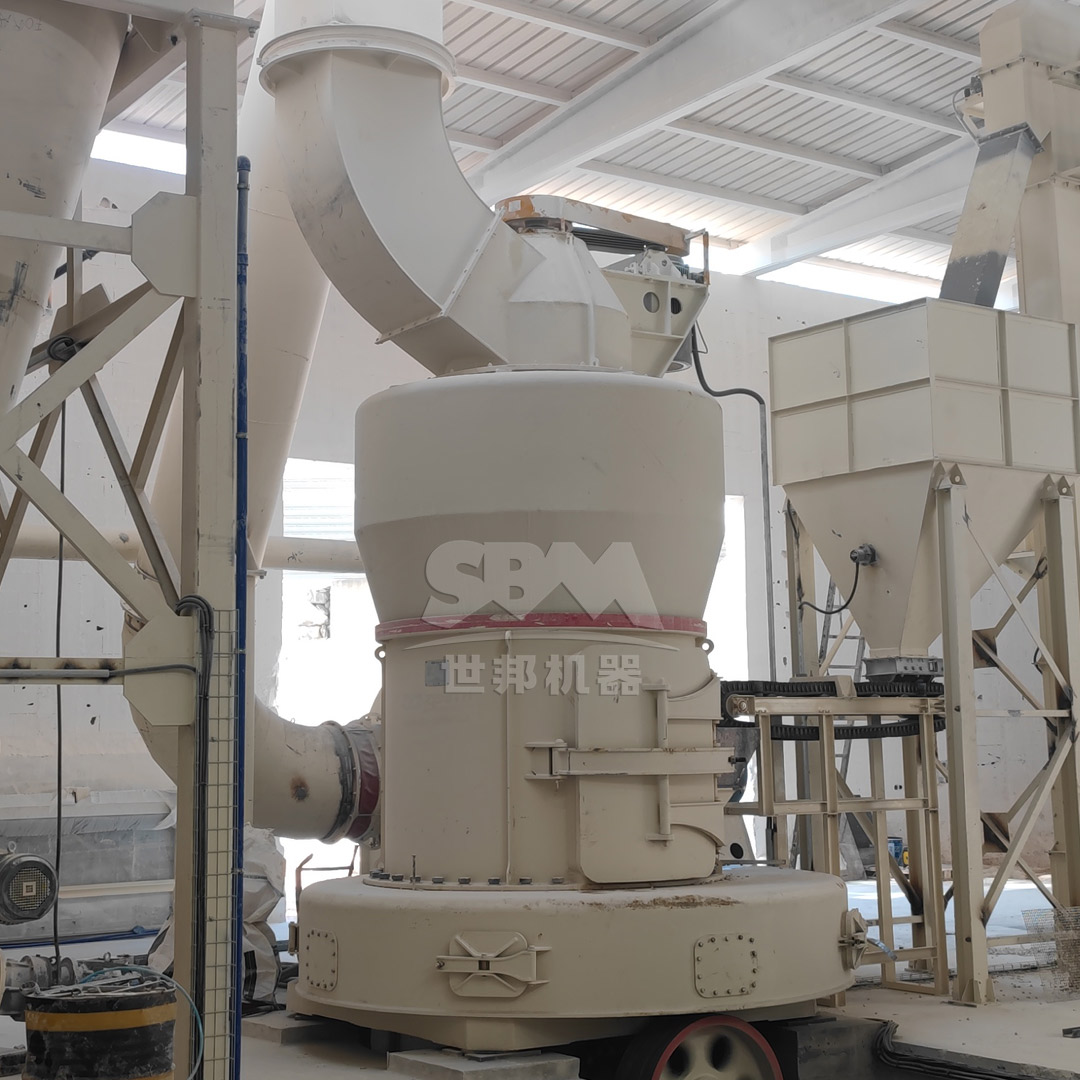
3. LM Series Vertical Roller Mill: Unrivaled in Large-Scale Grinding
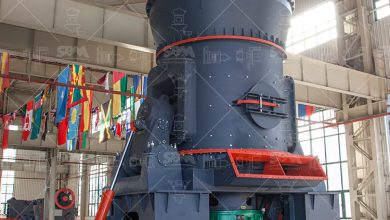
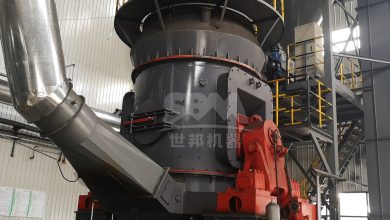
When the scale of production moves into hundreds of tons, the LM Series Vertical Roller Mill emerges as the dominant force. This mill is an integrated system that combines crushing, grinding, drying, and classifying, which dramatically reduces the floor space required by up to 50% and infrastructure costs by 40%. For large quartz powder plants, this integration simplifies the process flow and reduces material handling costs. The LM series is designed for capacity and efficiency, with models ranging from 3 to 250 tons per hour.
The grinding principle is based on a moving material bed. The rollers and grinding table do not come into direct contact, which is a key factor in extending the service life of wear parts by up to three times compared to other mill types. This non-contact design, paired with energy consumption that is 30-40% lower than a traditional ball mill system, makes it a profoundly cost-effective solution for huge operations. The LM mill also excels in environmental compliance, operating under fully sealed, negative pressure conditions to ensure dust emission is nearly zero, and noise levels are minimal. It also features an expert-level automatic control system that supports remote and local switching, allowing for real-time monitoring of all key parameters and minimizing manual intervention, which is crucial for modern, large-scale automated production.
4. MTM Series Medium-speed Trapezium Mill: Innovation in a Classic Design
Serving as a highly efficient upgrade to the classic Raymond mill, the MTM Series Medium-speed Trapezium Mill is a flexible and reliable choice for mid-sized quartz powder production. Capable of producing powders between 45 and 325 mesh, this mill is engineered to offer greater efficiency and a longer service life than its predecessors. Its innovative design incorporates an intelligent pressure regulation system with springs that automatically compensate for roller wear, extending the lifespan of the rollers and ring by 30%.
This series features a unique roller assembly with a horizontal pull-rod connection that protects the main shaft bearings from excessive radial force, allowing it to handle larger materials up to 35mm. The emphasis on reducing mechanical vibration and noise is evident through its damping and noise reduction technology, which uses sealed strips and damping springs to eliminate equipment resonance. For plants that prioritize a smooth, quiet operation with high consistency, the MTM series provides a perfect solution. It is a robust, low-maintenance, and eco-friendly option, with multi-stage dust collection systems ensuring emissions far exceed national standards.
5. Ball Mill: The Timeless Solution for Coarse Grinding
While newer technologies dominate the fine and ultrafine grinding realms, the Ball Mill remains an indispensable tool for specific stages of quartz processing, particularly for coarse grinding. With an output fineness typically ranging from 0.074 to 0.8mm, ball mills are often used in the primary or secondary grinding stages and are renowned for their high crushing ratio, up to 300:1, and their wide application in dry and wet modes. The machine’s ability to handle large volumes, with capacities up to 450 t/h in large-scale models, makes it a powerful component for initial size reduction.
The principle of crushing via impact and attrition, using steel balls as the medium, is simple yet highly effective and reliable. This technology is particularly well-suited for producing quartz sand with a specific particle size distribution used in the glass and foundry industries. Modern ball mills come with configuration options like wave or step liners, and high chrome or manganese grinding media, to optimize the wear rate and grinding efficiency. While it may not compete with vertical mills in terms of energy efficiency, its robust nature, ease of operation, and unrivaled capacity make it a practical choice for large, coarse-grinding projects, especially when paired with a subsequent fine-grinding step.
Making the Right Choice: Matching Technology to Application
Selecting the best quartz grinding mill is a strategic decision that goes beyond comparing specifications. It requires a 360-degree evaluation of your current production targets and future growth plans. For a plant aiming to produce extremely fine powders for high-value applications like plastics or ceramics, the SCM Ultrafine Mill is not just a choice; it is a necessity to achieve the required micron sizes efficiently. Conversely, if your portfolio is centered on general-purpose powder between 45-600 microns, the MTW European Trapezium Mill offers an ideal blend of high capacity, low energy consumption, and durability, making it the most versatile and economical option in this category.
For ultra-large capacity operations in cement, slag, or bulk quartz, the LM Vertical Roller Mill is the undisputed champion due to its lower specific energy consumption and smaller footprint. It is crucial to consider the specifics of your material, including feed size, hardness (the Bond Work Index), and required moisture level. Additionally, think about the operational environment; modern mills from these top 5 categories offer advanced automation, remote monitoring, and superior dust collection, which not only ensure a safer working environment but also reduce labor costs and environmental compliance risks. By aligning these technologies with your specific process requirements, you can ensure that your investment not only enhances current productivity but also positions your plant for future market demands.
In conclusion, the modern quartz grinding landscape offers a specialized solution for every need. For our clients seeking high-precision fine powder, we invariably recommend our SCM Ultrafine Mills, particularly the SCM1000 and SCM1250 models, for their superior classification accuracy and low operational noise. Meanwhile, for those aiming for high throughput with minimal energy waste, the MTW215G model from our MTW series stands as a testament to robust engineering, delivering up to 45 t/h with ease. We believe that by leveraging these advanced mills, our customers can achieve a significant competitive advantage in the global powder market.