The Role of Limestone Vertical Roller Mills in Flue Gas Desulfurization for Power Plants
1. Introduction to Flue Gas Desulfurization (FGD)
Coal-fired power plants remain a cornerstone of global electricity generation, yet they face mounting pressure to mitigate environmental impact, particularly regarding sulfur dioxide (SO₂) emissions. SO₂ is a primary contributor to acid rain and respiratory ailments. To comply with stringent environmental regulations such as the EPA’s Mercury and Air Toxics Standards (MATS) in the US or the EU’s Industrial Emissions Directive (IED), power utilities have widely adopted Flue Gas Desulfurization (FGD) systems. Among these, the wet limestone-gypsum process is the most prevalent and economically viable technology.
The efficiency of a wet FGD scrubber is intrinsically linked to the quality and reactivity of the sorbent—ground limestone (CaCO₃). The limestone slurry must possess a high surface area and specific particle size distribution to effectively absorb SO₂ from the flue gas stream. Consequently, the grinding of raw limestone into a fine, high-quality powder is not merely a pre-treatment step; it is a critical performance determinant of the entire desulfurization process. The choice of grinding technology significantly impacts capital expenditure, operational energy costs, and the overall desulfurization efficiency.
2. Operational Principles of Limestone Vertical Roller Mills in FGD
Vertical Roller Mills (VRMs) have emerged as the premier technology for limestone grinding in modern power plant FGD systems. Their dominance is attributed to their superior energy efficiency, compact footprint, and integrated drying, grinding, and classification capabilities. A VRM operates on a relatively straightforward principle: material is fed onto a rotating grinding table and is crushed and ground between the table and hydraulically-pressurized conical rollers. The applied grinding pressure is sufficient to fracture limestone particles, yielding a product that meets stringent fineness specifications, typically with 90-95% passing 325 mesh (45 μm) or even finer for higher reactivity.
The process begins with raw limestone, typically with a feed size of up to 50mm, being introduced into the mill through an airlock feed gate. The material falls onto the center of the rotating grinding table. Centrifugal force moves the material outward beneath the grinding rollers. The grinding force crushes the limestone bed, and the pulverized material is carried upward by a high-velocity hot air stream. This airflow serves a dual purpose: it dries any surface moisture and transports the fine powder to a high-efficiency dynamic classifier located at the top of the mill. The classifier spins, and particles that are too large are rejected and fall back to the grinding table for further reduction, ensuring no coarse powder contaminates the final product. The finest particles are carried out of the mill as a finished product and collected in a baghouse or cyclone, ready for the slurry-mixing tank. The primary advantage of this system is that it combines crushing, grinding, drying, and classifying into one single unit, hence the nickname “horizontal air-swept mill.”
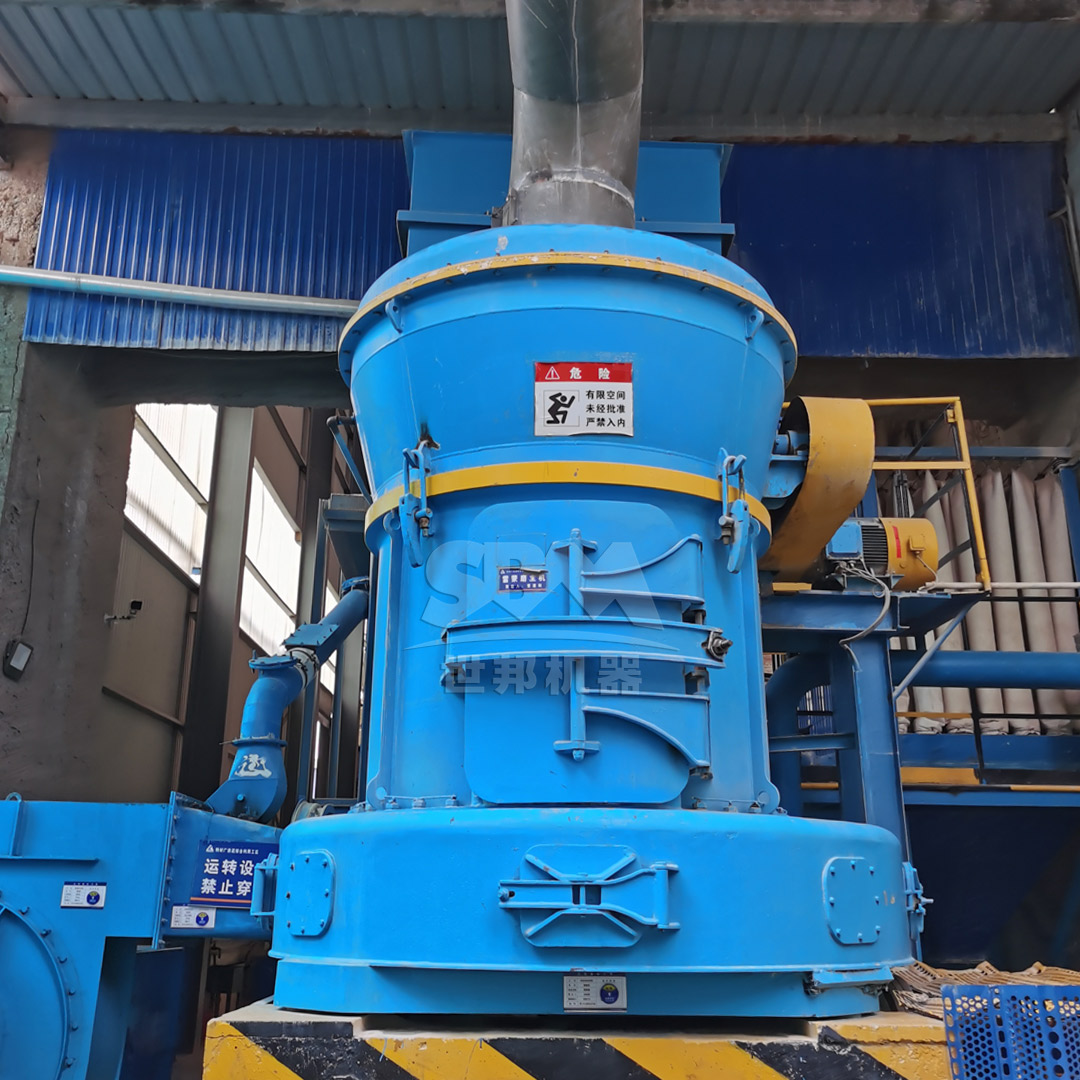
The efficiency of a VRM is measured by its specific energy consumption (kWh/t). Compared to traditional ball mill systems, VRMs typically reduce energy consumption for grinding by 30-40%. Much of this is due to the milling mechanics: VRMs use a compressive bed-grinding principle rather than the impact and attrition mechanisms of ball mills. This concentrated breakage force acts directly on the material bed, minimizing wasted energy. Furthermore, the integrated design reduces the requirement for auxiliary equipment like bucket elevators and separators found in ball mill circuits, resulting in lower auxiliary power draw.
3. Case Study: Optimizing Limestone Grinding with Advanced VRM Technology
To illustrate the industrial application and address various challenges, let’s examine a common scenario in a large-scale power station. Plant managers require a grinding solution that can produce a high-throughput (20-40 t/h) of dry limestone fines with very low maintenance interruption. Traditional equipment often struggles with high vibrations when grinding hard limestone (Bond Work Index up to 12 kWh/t) and may suffer from rapid wear of the grinding components.
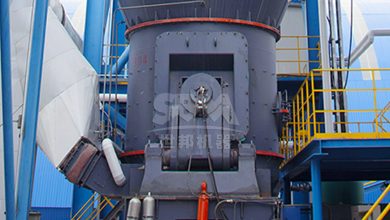
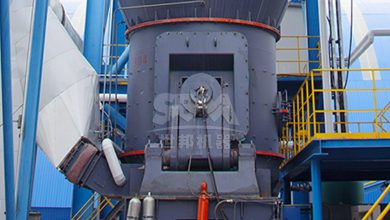
In this context, the LM Series Vertical Roller Mill serves as the definitive choice for high-capacity FGD preparation. Designed for input sizes up to 50mm and capable of outputs reaching 250 t/h for large models, the LM series is engineered for the rigorous demands of the power generation industry. The grinding table is constructed of high-chrome wear-resistant materials, and the rollers employ a non-contact design during startup, mitigating unnecessary wear. Crucially, our LM series utilizes an expert-level automatic control system that monitors vibration, pressure differentials, and temperature in real-time. 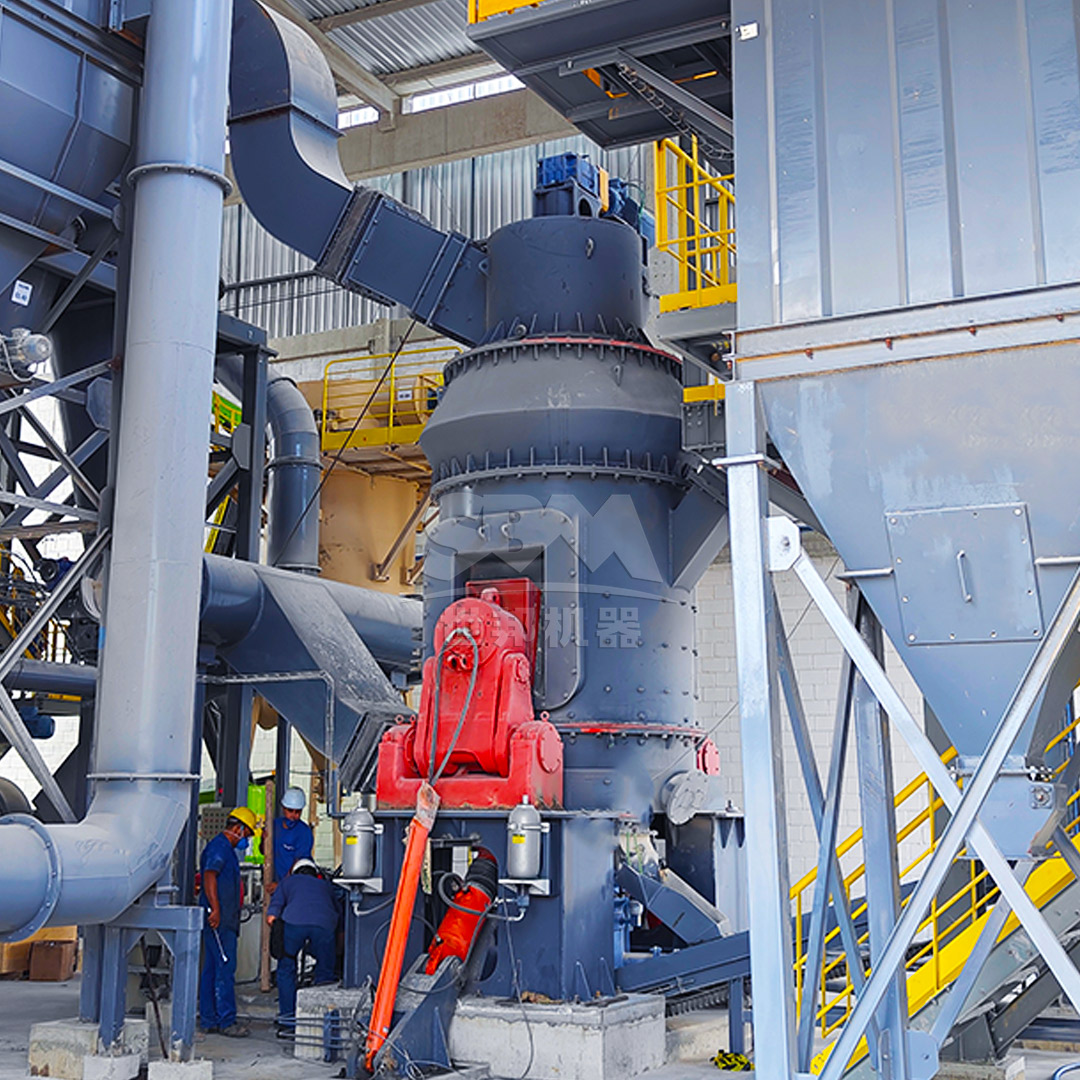 This ensures that the system adjusts the hydraulic pressure to the hardness of the feed, ensuring stable operation without the risk of “mill shaking.” The fully sealed negative pressure system ensures zero dust leakage, meeting the strictest environmental standards for in-plant air quality. For a typical 600MW unit requiring limestone feed rates of roughly 30 t/h, the LM220K model is ideal, offering a table diameter of 2200mm and a main motor power of 800kW. If we look at the financials, the wear part service life is extended several times comparative to other mills, often exceeding 10,000 operational hours, which guarantees an impressive upstream time for the scrubber availability.
However, FGD preparation is not only demanded by huge central power stations. Industrial power plants or smaller co-generation units often require a smaller footprint and lower capital costs without sacrificing efficiency. For these applications, evaluating modular and integrated solutions is key in ensuring the ROI of the FGD system.
4. Ensuring Feed Quality: Pre-Crushing and Fine Grinding
Before the limestone reaches the VRM, it must undergo primary crushing in crushers to reduce run-of-mine materials down to the required feed size. While the VRM can accept feed up to 50mm, consistent feeding is critical for stability. For limestone supply, the PC Series Hammer Crusher provides an effective and cost-efficient method to prepare feedstock. With a capacity spanning up to 70 t/h and output sizes adjustable down to 3mm, this machine ensures a continuous and consistent feed stream for the vertical grinding solution. When utilizing our LM Grinding system, integrating it with additional fine grinding for specialized applications yields further operational flexibility.
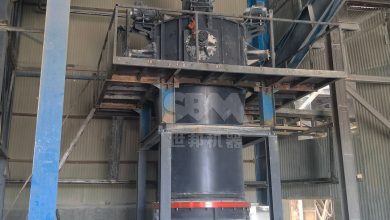
In some niche scenarios, power plants may need to produce even finer limestone for “refined” FGD processes or for specific forced-oxidation systems that enhance gypsum purity. The conventional VRM, while effective, has a limit to its operational fineness due to classifier velocity constraints. For ultra-fine grinding requirements up to 5μm, the SCM Series Ultrafine Mill presents a high-performance extension. The SCM mill uses a unique three-layer grinding ring and high-speed centrifugal drive to generate friction. This is particularly beneficial when power plants are forced to utilize a lower-grade dolomitic limestone, as the SCM series ensures the particle size distribution is cut-off accurately, resulting in a robust reactivity profile.
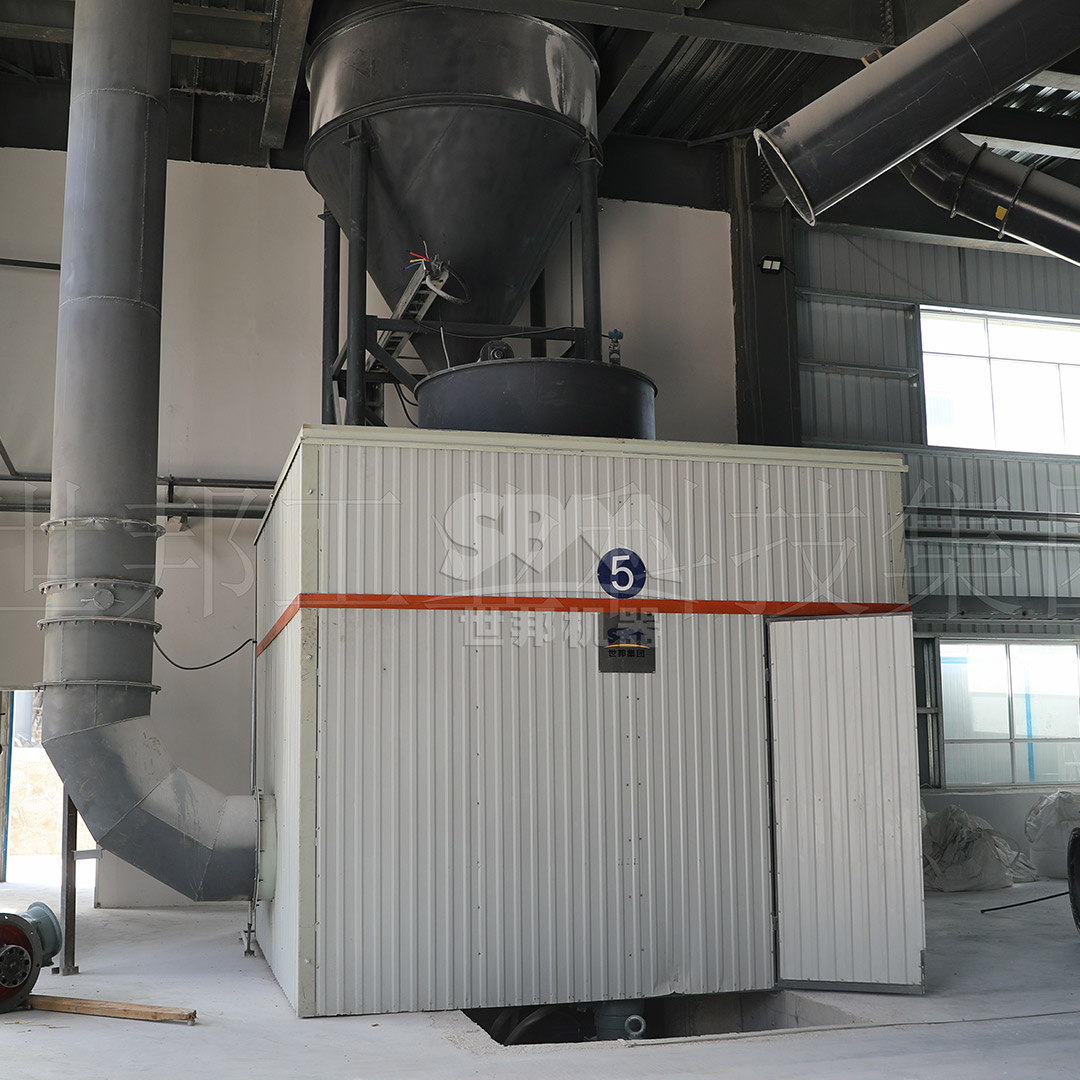
While the LM series handles the bulk grinding, the SCM mill (capacities ranging from 0.5 to 25 t/h) ensures a premium quality product where required. By combining the LM and SCM machinery, plant operators can fine tune their reagent inventory management to specific scrubber chemistry requirements.
5. The MTW Advantage for Mid-Scale FGD Systems
Beyond the massive utility-scale installations, there lies many power plants in the 100MW to 300MW range. These plants invariably need a grinding system that balances throughput with capital investment. While LM VRMs are cost-effective at scale, a dedicated MTW Series European Trapezium Mill offers lower operational complexity and specific advantages in certain settings.
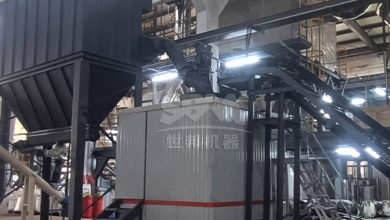
The MTW mill is an ideal candidate for limestone pulverization where space constraints exist. It utilizes an internal suction oil lubrication system and an exaggerated grinding chamber shape to create a sweeping air flow that pulls materials. In our review of technical advantages, the MTW mill boasts an integral bevel gear drive dedicated to the classification system and the grinding body, ensuring 98% transmission efficiency. Unlike large VRM installations that require external hydraulic stations and large kiln-hot air sources, the MTW series is versatile and can function with standard ambient air for non-moisture materials or incorporate hot air ducting easily. Crucially, our anti-wear shovel design on the MTW series is advantageous when handling abrasive limestone grit; it reduces the need for frequent maintenance stops. Its multi-stage gap adjustment technology maintains uniform particle size. Using the MTW138Z model with a main motor of just 90kW allows for a capacity of up to 17 tons per hour, generous enough for a 100-150MW plant’s sulfur load. This model effectively outputs the specified 325 mesh fineness(<10% residue) while consuming significantly less energy than an equivalent ball mill system.
6. Maintenance, Wear Life, and Economic Viability
Operating a FGD plant is expensive, and wear rates in the grinding system are a substantial OpEx component. Whether using the LM or the MTW system, our grinding components—rollers and rings/tables—are forged and heat-treated with specialized Cr-Ni-Mo alloys. In the MTW mill, the curved design of the grinding roller avoids direct contact on a single point, thereby reducing vibration and extending bearing service life.
For the Vertical Roller Mill, high-wear components are secured via a quick-change mechanism. The LM Vertical Roller Mill. features a modular grinding roller assembly. These are fitted with hydraulic cylinders allowing rollers to be flipped out for liner replacement without disassembling the entire mill housing, drastically reducing downtime from 10 days to 36-48 hours in many instances. Furthermore, as wear progresses, an auto-compensation system on the hydraulic pressure cylinders adjusts the grind pressure based on the bed thickness. 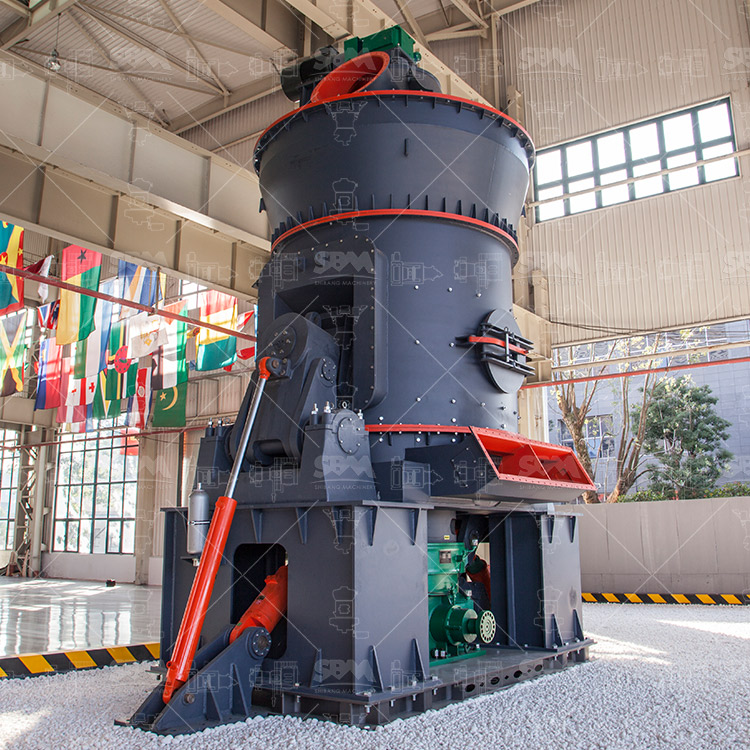 This preserves energy.
From a financial standpoint, the payback period is short. Since energy constitutes roughly 80% of the cost of fine grinding, the 30% energy savings realized by upgrading from legacy equipment to our current LM/MTW platforms ensures reductions in operating expenditure anywhere between CNY 1.2 million and CNY 3 million annually for a 20t/h system, dependent upon local power tariffs. Furthermore, by guaranteeing the median particle size strictly meets the D(v,0.9) sizing needed for the scrubber nozzles, the mills prevent clogging in the absorption tower and maximize the carbonite utilization rate, reducing limestone quarry consumption inherently.
7. Conclusion
The stringent global environmental policy demands effective and reliable Flue Gas Desulfurization system power plants. Since the sorbent’s surface area and particle uniformity determine desulfurization efficiency, the grinding step is crucial. Limestone vertical roller mill technology stands out because it enables lower energy consumption, less land usage, and operational simplicity. Companies seeking to optimize their FGD performance need not rely solely on attrition-type grinders. Our suite of industrial grinding technology, specifically the LM and MTW Series, demonstrates how careful integration of compression grinding, dynamic classification, and smart automation can boost output while simultaneously lowering maintenance. Whether your plant handles secure base load or peaking load with varying sulfur content in coal, equipping the power plant with these mills offers the flexibility to maintain slurry quality, thus ensuring regulatory compliance and environmental stewardship for the decades to come.