The Future Prospects of Diatomite Grinding Mill Development
1. Introduction: Diatomite as a Strategic Mineral
Diatomite, also known as diatomaceous earth (DE), is a siliceous sedimentary rock composed of the fossilized remains of diatoms, a type of hard-shelled algae. Its unique physical and chemical properties—high porosity, low density, high surface area, and chemical inertness—make it an invaluable raw material across a diverse range of industries. From filtration aids and food processing to construction, agriculture, and advanced cosmetics, the demand for high-quality diatomite powder is steadily increasing. The global diatomite market is projected to grow significantly, driven by the expansion of water treatment needs, the rise of specialty chemicals, and the construction boom in developing nations.
Central to the value chain of diatomite processing is the grinding mill. The quality, fineness, and purity of the final diatomite powder are directly determined by the milling technology employed. As market requirements evolve towards finer, more uniform particles with higher specific surface areas, the future of diatomite grinding mill development is focused on several key trends: enhanced energy efficiency, ultra-fine precision, intelligent automation, and strict environmental compliance. This article explores these future prospects and highlights cutting-edge milling solutions that are poised to meet the challenges of the modern diatomite industry.
2. Trend 1: Ultra-Fine Grinding for High-Value Applications
One of the most significant trends shaping the future of diatomite processing is the relentless push towards ultra-fine powders with specific particle size distributions. Traditional applications, such as filtration aids, often require a fineness of 100 to 200 mesh (approximately 150-75 µm). However, high-value applications—including functional fillers for paints, plastics, and rubber; advanced ceramics; and high-efficiency pesticide carriers—demand fineness ranging from 325 mesh (45 µm) down to 2500 mesh (5 µm) or even finer.
Conventional grinding equipment, such as ball mills or Raymond mills, often struggles to achieve these ultra-fine grades efficiently. The process can be energy-intensive, and the resulting powder may suffer from bimodal particle distribution or contamination. This is where next-generation ultra-fine grinding mills come into play. These machines are designed specifically to produce consistent, high-quality powders within the 325-2500 mesh range, unlocking new revenue streams for diatomite processors.
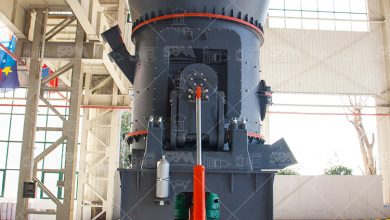
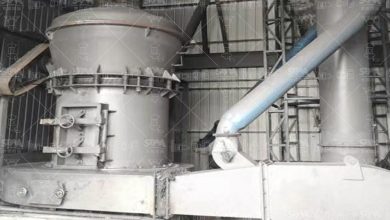
To meet this growing demand for ultra-fine diatomite, our company has developed the SCM Series Ultrafine Mill. This mill produces a final product fineness of 325-2500 mesh (45-5µm), perfectly suited for the most demanding applications. With an input size of ≤20mm and a capacity range of 0.5 to 25 ton/h, the SCM series is designed for high efficiency. Its capacity is double that of a traditional jet mill, while consuming 30% less energy. The vertical turbine classifier ensures a precise particle size cut, eliminating the problem of coarse powder mixing. The intelligent control system provides automatic feedback on the finished product granularity, ensuring consistent quality without constant manual intervention. For diatomite processors looking to upgrade their product portfolio into the ultra-fine domain, the SCM Series is a powerful and economical solution.
3. Trend 2: Integration of Intelligence and Automation
Industry 4.0 is transforming mineral processing, and diatomite grinding is no exception. The future of milling lies in intelligent systems that can self-regulate, diagnose issues, and optimize performance in real-time. The key drivers for this trend are the need for consistent product quality, reduced operational costs, and improved safety.
Modern grinding mills are being equipped with advanced sensors and PLC-based control systems. These systems monitor critical parameters such as motor load, grinding pressure, classifier speed, airflow, and product temperature in real-time. This data enables expert-level control algorithms to make minute adjustments to the operation. For example, if the fineness of the end product begins to drift, the system can automatically adjust the classifier’s rotational speed or the feed rate without operator intervention. This results in a more stable product and reduces the need for costly re-grinding.
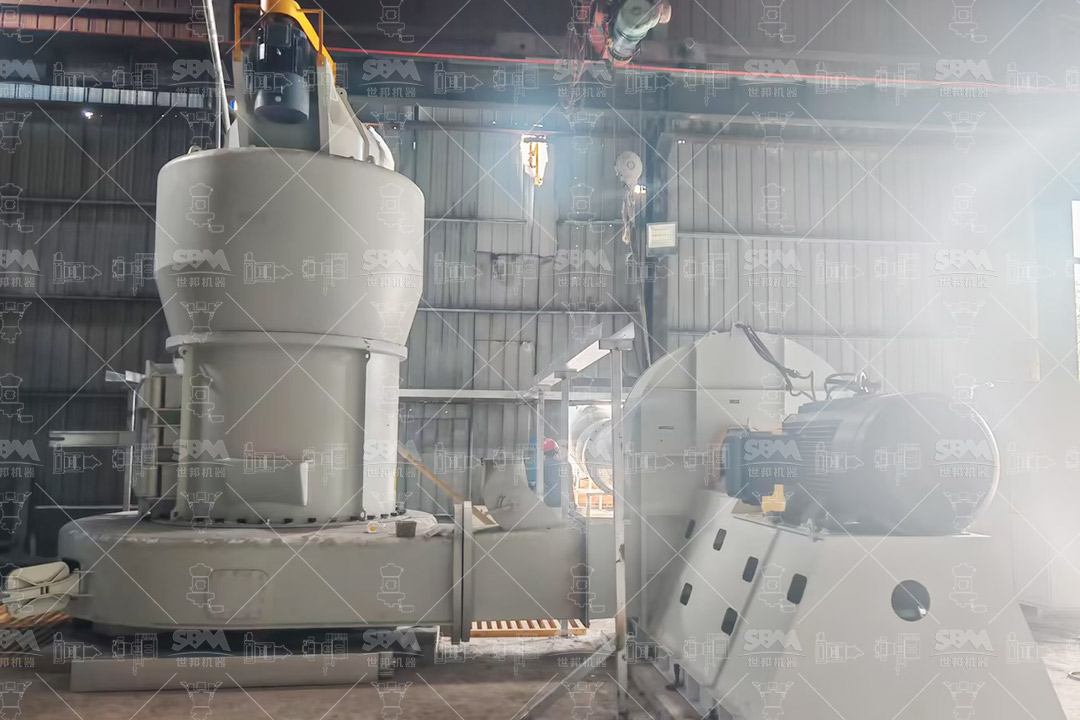
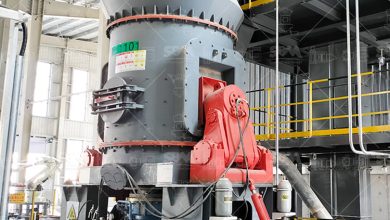
Furthermore, predictive maintenance is a key component of intelligent milling. By analyzing vibration patterns and temperature trends, the system can predict when a roller, ring, or bearing might fail, allowing for scheduled downtime for maintenance rather than costly, unplanned breakdowns. This not only increases the lifespan of the equipment but also dramatically improves plant productivity. The LM Series Vertical Roller Mill exemplifies this trend toward intelligent integration. The LM series incorporates an expert-level auto-control system that supports both remote and local switching. It provides real-time monitoring of all key parameters, significantly reducing manual intervention. The mill system integrates crushing, grinding, and selection functions into one unit, reducing floor space by 50% and infrastructure costs by up to 40%. Its fully sealed, negative pressure operation ensures an environmentally friendly working environment. For large-scale diatomite processing plants aiming for maximum efficiency and minimal downtime, the LM Series Vertical Roller Mill represents the state-of-the-art.
4. Trend 3: Sustainability and Environmental Compliance
Environmental regulations are becoming increasingly stringent worldwide. The mineral processing industry, traditionally associated with dust, noise, and high energy consumption, is under immense pressure to become more sustainable. The future of diatomite grinding mills is intrinsically linked to their environmental performance.
Energy efficiency is the first pillar of sustainability. Grinding is one of the most energy-intensive processes in mineral beneficiation. New mill designs, such as vertical roller mills and improved ultrafine mills, achieve a 30-50% reduction in energy consumption compared to traditional ball mill systems. This is primarily achieved through optimized grinding principles, such as bed-of-material grinding, which reduces friction and wasted energy. The second pillar is dust control. Modern grinding mills are designed with fully sealed, negative pressure systems. They are paired with high-efficiency pulse dust collectors, such as those already standard in our products, ensuring that dust emissions are virtually zero. Thirdly, noise pollution is being addressed through soundproof room designs and vibration-damping technologies, bringing noise levels well below 85 decibels in the operator’s environment.
By adopting these eco-friendly technologies, diatomite processors not only comply with legal requirements but also reduce their operational costs and improve their corporate image. Our company’s MTW Series European Trapezium Mill is a prime example of this commitment. The MTW series features an anti-wear shovel design and optimized arc air duct to reduce energy loss. With an input size capacity of up to ≤50mm and a capacity of up to 45 ton/h, it offers high throughput for coarser grinds (30-325 mesh). The mill’s integral bevel gear drive achieves a transmission efficiency of up to 98%, saving both space and energy. Furthermore, the mill is designed for compatibility with advanced pulse dust removal technology, making it an environmentally responsible choice for large-volume diatomite production. The durable, wear-resistant design also reduces maintenance frequency, contributing to lower lifecycle operating costs.
5. Conclusion: A Future of Precision and Efficiency
The future prospects for diatomite grinding mill development are bright and are characterized by a clear evolution towards ultra-fine precision, intelligent automation, and sustainable operations. Processors who invest in advanced grinding technology will not only meet the stringent quality requirements of emerging markets but will also gain a competitive edge through lower operating costs and improved environmental compliance.
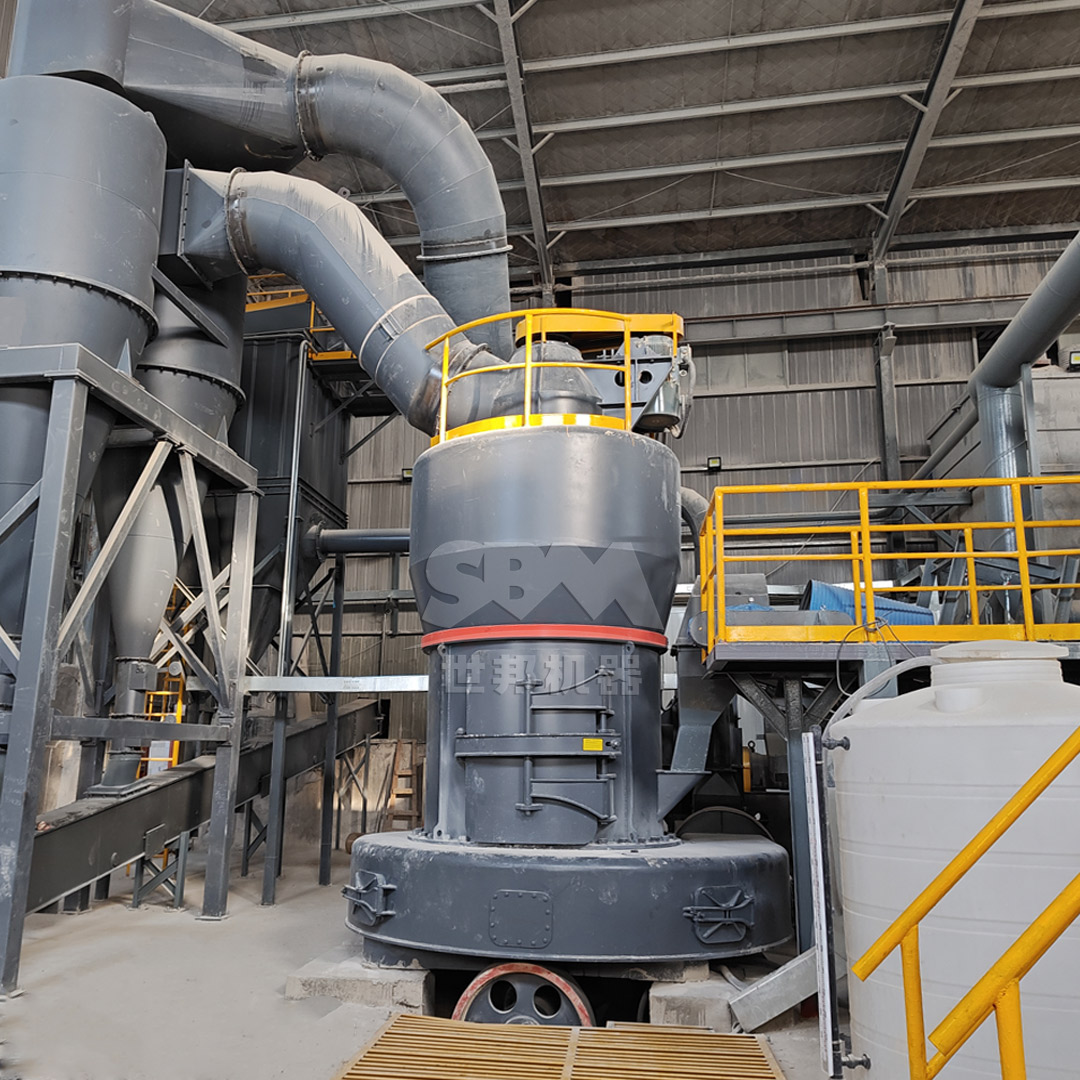
Whether the need is for a high-capacity, medium-fineness mill like the MTW Series, or a high-precision, ultra-fine solution like the SCM Series Ultrafine Mill, the trend is clear. The modern diatomite grinding mill must be more than just a machine; it must be a sophisticated system that delivers on the promise of high quality, low cost, and green manufacturing. As we look to the future, our company remains committed to innovating and supplying the tools that will power the diatomite industry forward, helping our clients turn this versatile mineral into the high-value products of tomorrow.