Optimizing Slag Cement Performance: A Complete Process Flow for Grinding Yellow Phosphorus Slag with a Vertical Roller Mill for Fine Mineral Admixtures
Introduction
Yellow phosphorus slag is a by-product generated during the production of yellow phosphorus by the electric furnace method. For every ton of yellow phosphorus produced, approximately 8-10 tons of slag are discharged. This material, if not properly utilized, leads to land occupation and environmental pollution. However, due to its high content of vitreous silica and alumina, yellow phosphorus slag exhibits excellent latent hydraulic activity after fine grinding, making it a high-quality mineral admixture for the cement and concrete industry. Grinding yellow phosphorus slag into fine powder is the key step to unlocking its value. This article presents a comprehensive process flow for optimizing slag cement performance using a vertical roller mill (VRM), focusing on the specific challenges and solutions for processing this material.
Phase 1: Pre-processing and Drying of Raw Yellow Phosphorus Slag
The first step in the process is the preparation of the raw slag. Fresh slag from the furnace typically contains a certain amount of moisture and may have a particle size of up to 50mm. The material must first be stockpiled and possibly dried. While vertical roller mills can handle materials with moisture, for yellow phosphorus slag, it is often beneficial to reduce the moisture content to below 5-8% before feeding. This is typically achieved using a hot air generator or by utilizing waste heat from the plant. A vibrating feeder and a belt conveyor then transport the material. 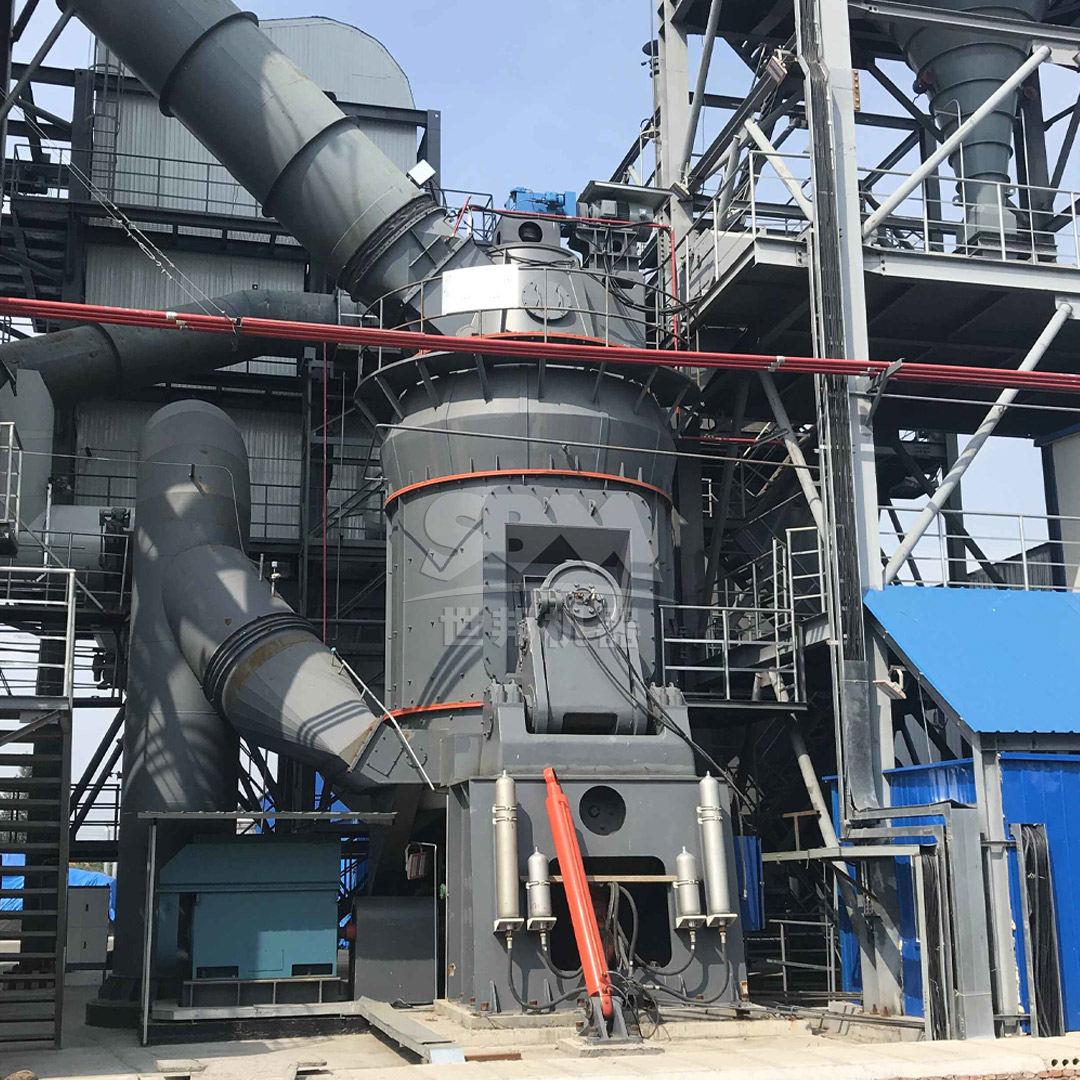
Phase 2: Vertical Roller Mill Grinding Process
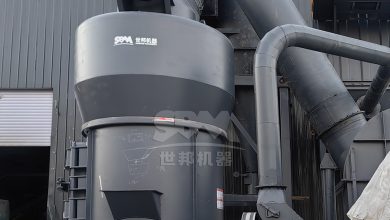
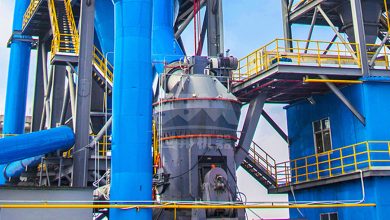
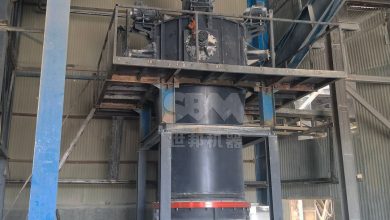
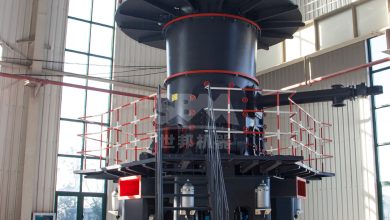
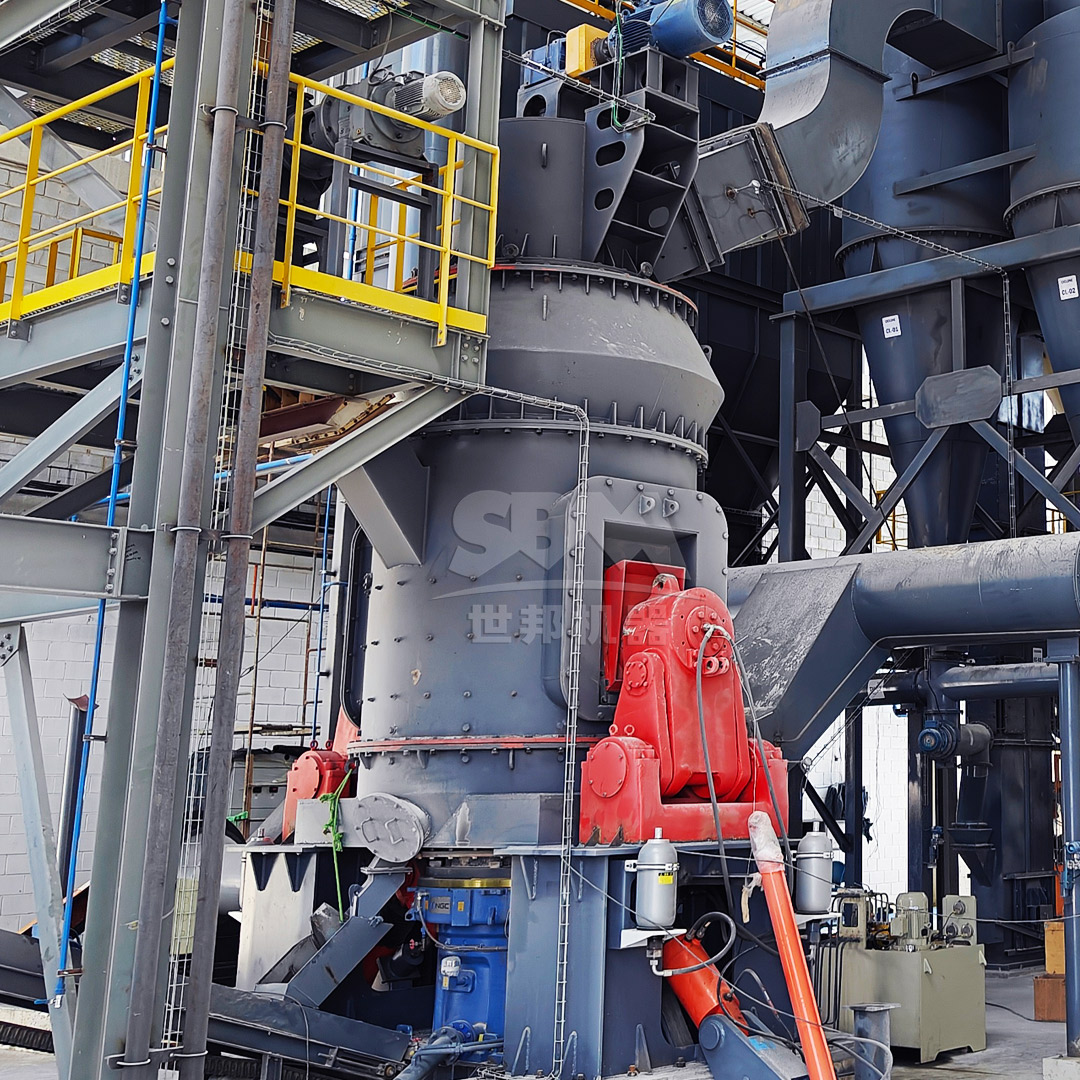
The core of the process is the vertical roller mill. For grinding yellow phosphorus slag, we recommend the LM Series Vertical Roller Mill, specifically designed for slag grinding. Our LM130N to LM370N series slag mills have proven highly effective. These mills feature an integrated crushing, grinding, and classification system. The slag falls onto the center of the rotating grinding table. Centrifugal force moves the material outward, where it is crushed under the rollers. Compared to ball mills, the vertical roller mill offers 30-40% lower energy consumption and a 50% smaller footprint. The non-contact design between the rollers and the table significantly extends the life of wear parts.
The hot air entering from the bottom of the mill dries the material during the grinding process. The fine particles are carried upwards to the dynamic classifier. The classifier allows only particles meeting the required fineness (e.g., 600 m²/kg Blaine for high-activity slag) to pass through as finished product. Coarse particles are returned to the grinding table for further size reduction.
Phase 3: Product Collection and Storage
The fine powder-laden air from the mill enters a high-efficiency pulse baghouse dust collector. The separation efficiency exceeds 99.9%, ensuring no emission of fine dust. The collected fine slag powder is then transported by an air slide and a bucket elevator to the finished product silos. The clean air is exhausted by the system fan. The final product is a high-performance mineral admixture that can be used for slag cement (P·S) or as a direct concrete additive.
Optimizing Performance: The Solution
For clients requiring extremely fine slag powder (e.g., specific surface area of 700-800 m²/kg or fineness of 325-2500 mesh), a single-stage vertical roller mill may not achieve the optimal efficiency. In such cases, we recommend a two-stage grinding process. The LM Series Vertical Mill is used for the primary grinding to 45μm residue. Then, for the final ultrafine grinding, the SCM Series Ultrafine Mill is the ideal solution.
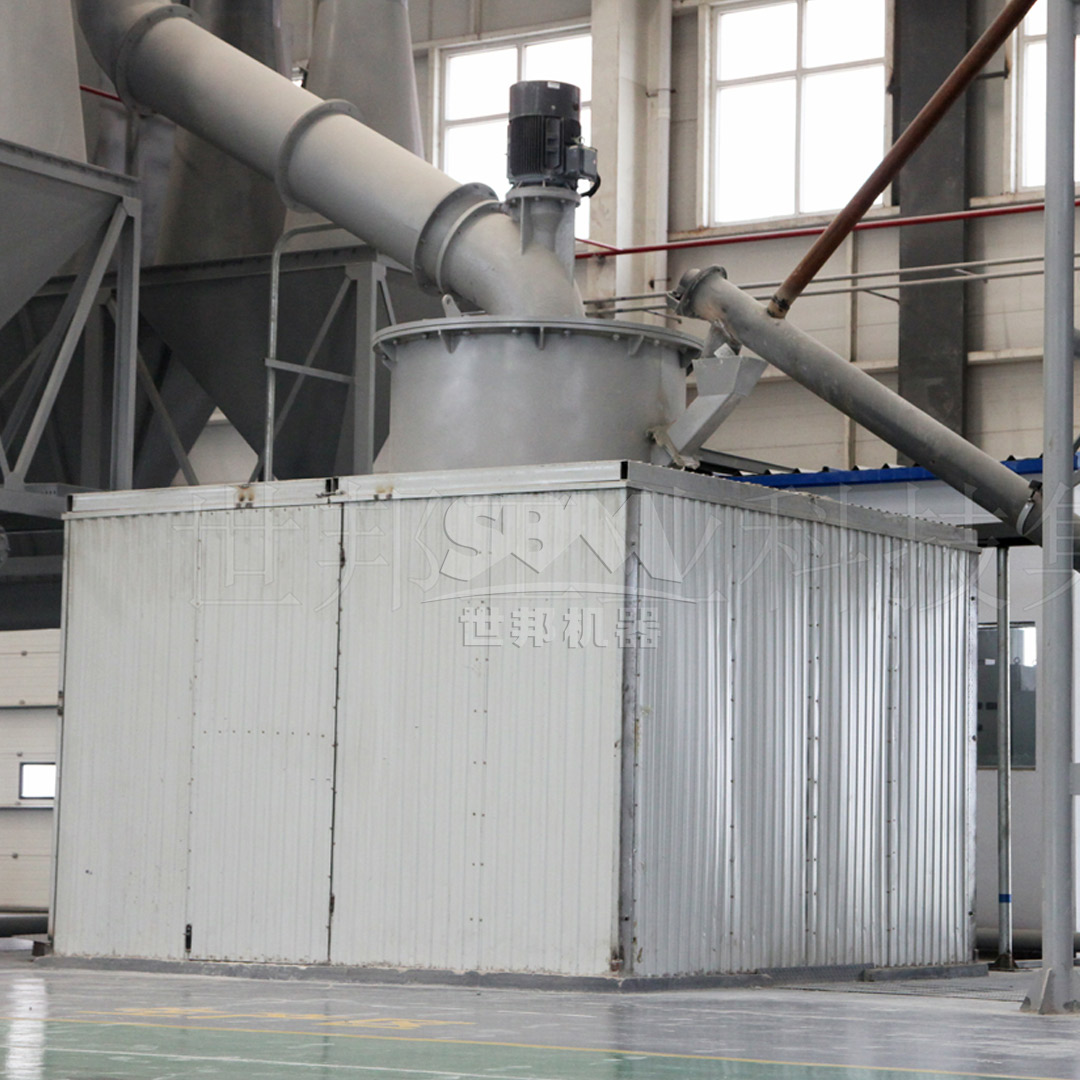
The SCM800, SCM1000, or SCM1250 models can take the primary ground slag (<20mm) and further reduce it to 325-2500 mesh. Its capacity is 2x that of jet mills with 30% lower energy consumption. The vertical turbine classifier ensures precise particle size cutting with no coarse powder mixing, which is crucial for high-end mineral admixtures used in ultra-high performance concrete (UHPC).
Phase 4: Quality Control and Intelligent Management
Consistency is key in cement production. The entire grinding system can be controlled by an expert-level auto-control system. This system monitors the vibration, temperature, pressure difference, and current of the mill in real-time. It automatically adjusts the feed rate, classifier speed, and roller pressure to maintain a stable Blaine fineness. This intelligent control reduces manual intervention by 80% and ensures high-quality output 24/7. For the SCM mill, the automatic finished product granularity feedback system ensures the final powder meets strict specifications.
Conclusion
Grinding yellow phosphorus slag with a vertical roller mill is a highly efficient and environmentally friendly process. By integrating pre-drying, high-efficiency grinding, and intelligent classification, producers can create high-value mineral admixtures that improve cement performance. For general slag cement production, the LM Series Slag Mill provides the best balance of capacity and energy cost. For specialty applications requiring ultrafine fineness, the SCM Series Ultrafine Mill is the best choice. This complete process flow not only solves the environmental problem of slag disposal but also creates a profitable product line for building materials companies.