Manganese Slag Grinding Mill Manufacturer Guide: Electrolytic Manganese Slag Treatment Methods
Introduction
Electrolytic manganese slag (EMS) is a solid waste generated during the production of electrolytic manganese metal. For every ton of manganese produced, approximately 8–10 tons of electrolytic manganese residue are discharged. This massive volume poses severe environmental risks, including soil contamination, groundwater pollution, and air dispersion of fine particulates. With increasing global demand for manganese in steel, batteries, and alloys, the proper treatment and utilization of EMS have become critical for sustainable industrial development.
As a leading manufacturer of industrial grinding mills, we provide advanced milling solutions that transform manganese slag from a hazardous waste into a valuable resource. This guide explores the characteristics of electrolytic manganese slag, various treatment methods, and how selecting the right grinding equipment can maximize efficiency and profitability.
What Is Electrolytic Manganese Slag?
Electrolytic manganese slag is the filter residue remaining after acid leaching of manganese ore, neutralization, and electrolysis. It primarily consists of quartz, gypsum, and iron-aluminum silicates, along with residual heavy metals such as manganese, cadmium, and lead. Its fine particle size (typically less than 0.1 mm) and high moisture content (20–30%) make it difficult to handle directly. Without proper treatment, it causes serious ecological damage.
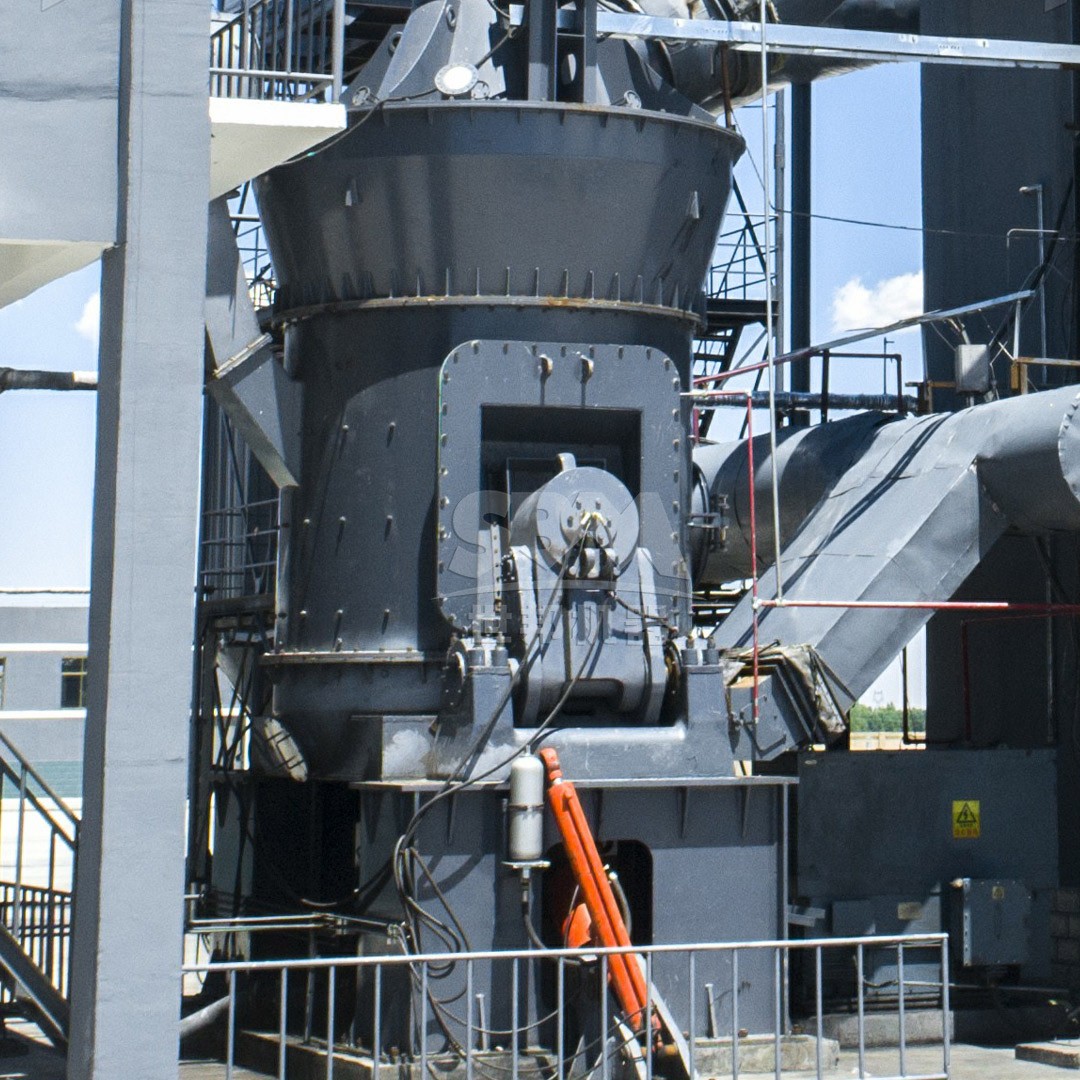
Key Treatment Methods for Electrolytic Manganese Slag
Several technologies have been developed to treat or utilize EMS. The most common methods include:
1. Solidification/Stabilization
This method involves mixing EMS with binders such as cement, lime, or fly ash to immobilize heavy metals. The treated material can be used as a construction backfill or roadbed material. While relatively low-cost, it does not recover valuable resources and may leach under acidic conditions.
2. Recovery of Valuable Metals
EMS contains residual manganese (5–10%), as well as trace amounts of cobalt, nickel, and rare earth elements. Hydrometallurgical processes—acid leaching, bioleaching, or roasting followed by leaching—can recover these metals. However, these processes generate secondary waste and often require fine grinding to liberate encapsulated minerals.
3. Use in Construction Materials
After proper pretreatment, EMS can be blended into cement, concrete, bricks, and ceramics. Its fine particle size and pozzolanic activity make it a potential supplementary cementitious material. However, high sulfate and heavy metal content limit its replacement ratio unless carefully controlled.
4. Production of Glass-Ceramics and Microcrystalline Materials
EMS can be melted with additives to produce glass-ceramics with excellent mechanical properties. This high-value application requires uniform particle size and precise grinding to achieve optimal sintering and crystallization.
5. Grinding for Resource Utilization
One of the most effective and flexible approaches is fine grinding of EMS, followed by its use as a filler, soil amendment, or raw material for geopolymers. The grinding process reduces particle size, increases surface area, and improves reactivity—enabling higher substitution rates in various applications.
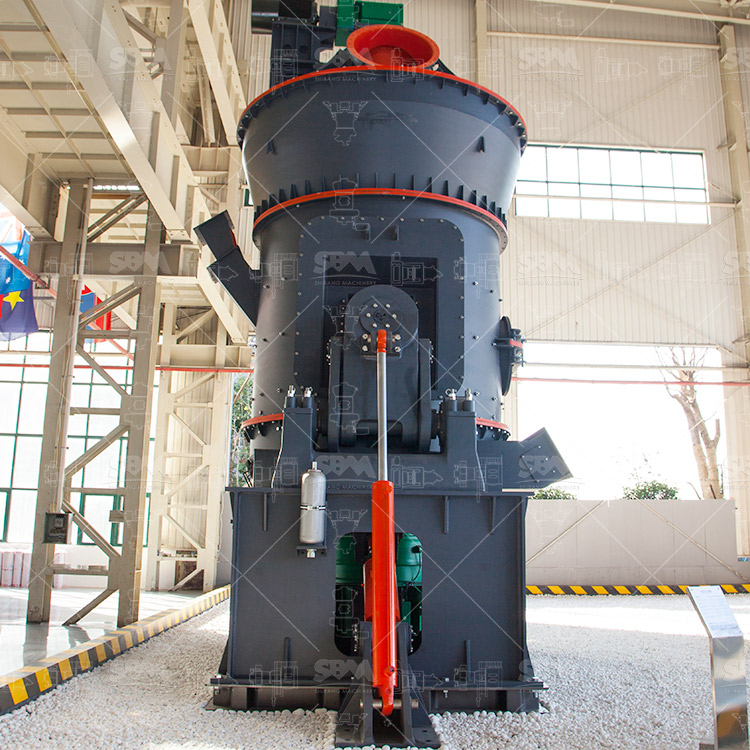
Why Grinding Is Essential for EMS Treatment
Regardless of the downstream application—cement blending, metal recovery, or glass-ceramic production—particle size is a critical parameter. Fine grinding offers several advantages:
- Increased surface area: Enhances leaching kinetics and pozzolanic reactions.
- Improved homogeneity: Ensures consistent product quality in construction materials.
- Better separation: Liberates valuable minerals from gangue for efficient recovery.
- Reduced waste volume: Allows higher utilization rates, minimizing landfill.
Traditional ball mills can grind EMS, but they are energy-intensive and often cannot achieve the ultrafine particle sizes required for advanced applications. Modern grinding mills, such as vertical roller mills and ultrafine mills, provide superior efficiency and precise particle size control.
Selecting the Right Grinding Mill for Manganese Slag
When choosing a grinding mill for electrolytic manganese slag, consider the following factors:
- Feed moisture: EMS often has high moisture; mills with integrated drying (e.g., vertical roller mills) are advantageous.
- Target fineness: Applications range from 325 mesh (45 μm) to 2500 mesh (5 μm).
- Capacity: From pilot-scale (0.5 t/h) to large-scale (100+ t/h).
- Abrasion: EMS is abrasive; wear-resistant materials are essential.
- Environmental compliance: Dust collection and noise reduction are mandatory.
Our company offers a range of mills specifically designed for industrial waste and slag processing. Below are two recommended products that excel in EMS treatment.
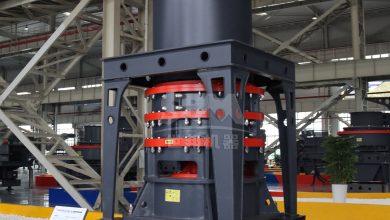
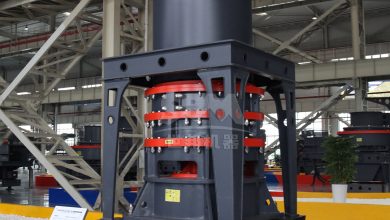
Recommended Product 1: SCM Series Ultrafine Mill (45–5 μm)
The SCM Series Ultrafine Mill is a high-efficiency solution for producing ultrafine manganese slag powder. With an output fineness adjustable from 325 to 2500 mesh, it is ideal for applications requiring high surface area, such as geopolymer production or fine filler in specialty cement.
Key Advantages
- High Efficiency & Energy Saving: Capacity is twice that of jet mills, with 30% lower energy consumption. Intelligent control with automatic finished product granularity feedback ensures consistent quality.
- High-Precision Classification: Vertical turbine classifier achieves precise particle size cutting, with no coarse powder mixing.
- Durable Design: Special material rollers and rings extend service life several times over. The shaftless screw grinding chamber ensures stable operation.
- Eco-friendly & Low Noise: Pulse dust collection efficiency exceeds international standards. Soundproof room design ensures low noise levels.
Working Principle
The main motor drives three layers of grinding rings to rotate. Materials are dispersed into the grinding path by centrifugal force, crushed by roller pressure, and ground layer by layer. Finally, powder collection is completed by a cyclone collector and a pulse dust removal system.
Models & Specifications
- SCM800: Capacity 0.5–4.5 t/h | Main Power 75 kW | Feed Size 0–20 mm | Fineness 325–2500 mesh
- SCM900: Capacity 0.8–6.5 t/h | Main Power 90 kW | Feed Size 0–20 mm | Fineness 325–2500 mesh
- SCM1000: Capacity 1.0–8.5 t/h | Main Power 132 kW | Feed Size 0–20 mm | Fineness 325–2500 mesh
- SCM1250: Capacity 2.5–14 t/h | Main Power 185 kW | Feed Size 0–20 mm | Fineness 325–2500 mesh
- SCM1680: Capacity 5.0–25 t/h | Main Power 315 kW | Feed Size 0–20 mm | Fineness 325–2500 mesh
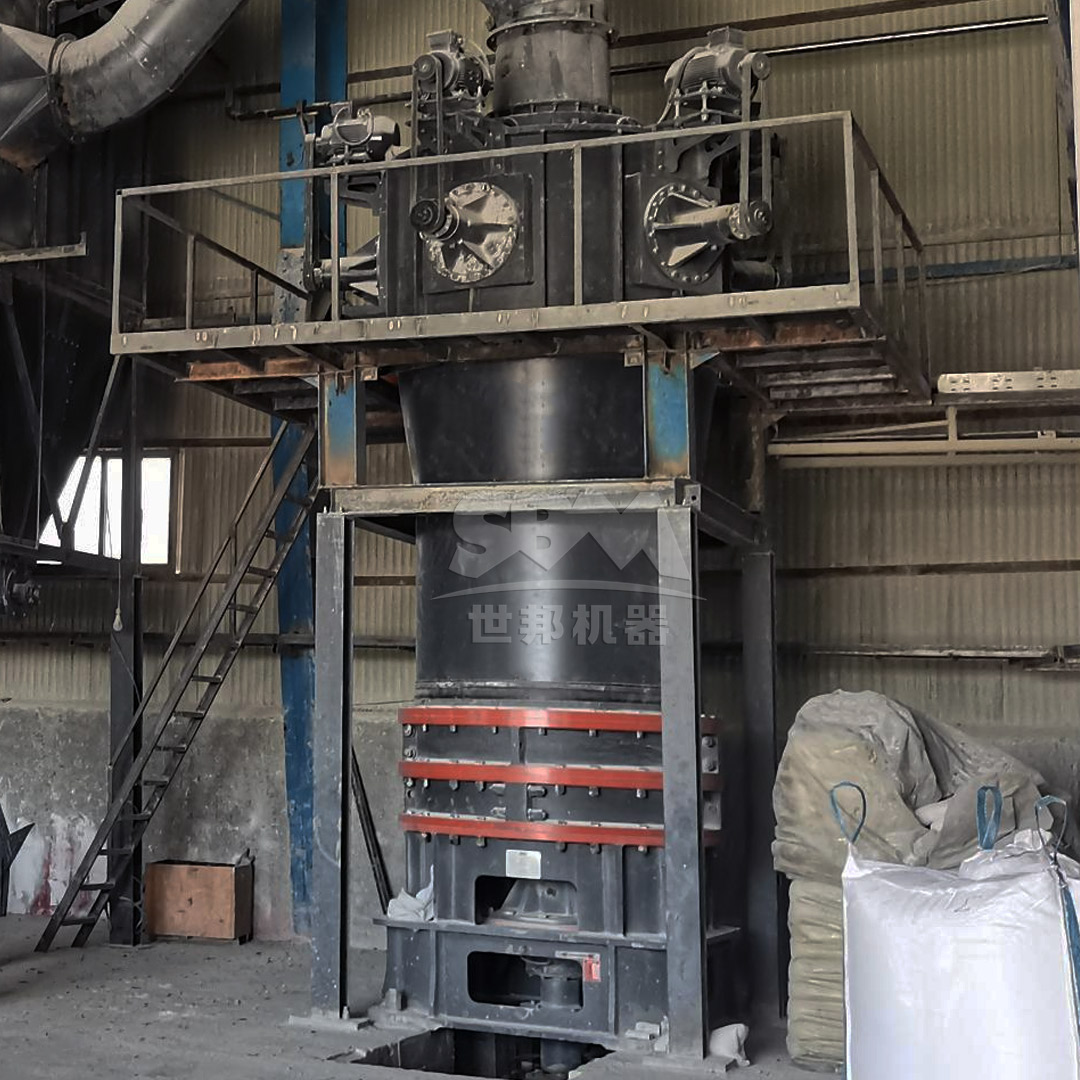
Recommended Product 2: LM Series Vertical Roller Mill (600–45 μm)
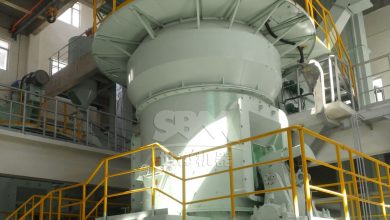
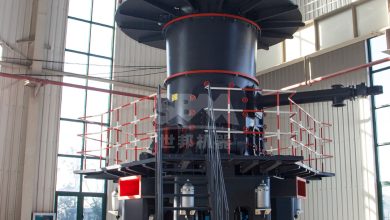
For large-scale EMS processing, the LM Series Vertical Roller Mill offers unmatched capacity and energy efficiency. Its integrated design combines crushing, grinding, and classification, making it suitable for both dry and high-moisture feeds.
Key Advantages
- Integrated Design: System integrates crushing, grinding, and selection; floor space reduced by 50%. Outdoor installation possible, reducing infrastructure costs by 40%.
- Low Operating Cost: Non-contact design between rollers and table; wear part life increased by 3x. Energy consumption 30–40% lower than ball mill systems.
- Intelligent Control: Expert-level auto-control system supporting remote/local switching. Real-time monitoring reduces manual intervention.
- Environmental Compliance: Fully sealed negative pressure operation; dust emission meets strict standards. Operating noise is low.
Working Principle
The main motor drives the grinding table via a reducer. Materials enter through the central feed port and spread evenly via centrifugal force. Grinding rollers apply pressure to crush the material layer; qualified fines are carried by hot air to the classifier, while coarse powder returns to the table for re-grinding.
Technical Parameters (Vertical Slag Mill Series)
- LM130N: Capacity 4–10 t/h | Main Power 200 kW | Fineness adjustable
- LM150N: Capacity 6–15 t/h | Main Power 280 kW
- LM170N: Capacity 8–20 t/h | Main Power 400 kW
- LM190N: Capacity 12–28 t/h | Main Power 500 kW
- LM220N: Capacity 20–45 t/h | Main Power 800 kW
- LM280N: Capacity 30–70 t/h | Main Power 1250 kW
- LM370N: Capacity 50–110 t/h | Main Power 3300 kW
These models are specifically designed for slag grinding, with moisture handling capability and high specific surface area output. They are ideal for processing electrolytic manganese slag at high volumes.
Case Study: EMS Grinding Plant with LM Vertical Mill
A manganese alloy producer in Southeast Asia installed an LM190N vertical roller mill to process 20 t/h of electrolytic manganese slag. The feed moisture was 15%, and the target fineness was 400 m²/kg. The system included a hot air generator for simultaneous drying. Results:
- Power consumption: 22 kWh/t (vs. 38 kWh/t for previous ball mill).
- Dust emission: <10 mg/m³.
- Product used as cement additive, replacing 20% of clinker.
- Payback period: 14 months.
Environmental and Economic Benefits
Grinding EMS for reuse offers dual benefits:
- Environmental: Diverts waste from landfills, reduces heavy metal leaching, and lowers carbon footprint of cement production.
- Economic: Creates a saleable product, reduces disposal costs, and can generate carbon credits.
By selecting an efficient grinding mill, operators can achieve both compliance and profitability.
Conclusion
Electrolytic manganese slag is no longer just a waste—it is a potential resource. The key to unlocking its value lies in advanced grinding technology. Our SCM Series Ultrafine Mill and LM Series Vertical Roller Mill provide reliable, energy-efficient solutions for EMS processing, from small-scale ultrafine grinding to large-scale slag lines. As a trusted manufacturer, we offer complete technical support, from material testing to installation and after-sales service. Contact us today to discuss your manganese slag treatment project and discover how our mills can transform your waste into profit.