Key Daily Maintenance Points for Raymond Mill to Ensure Optimal Performance
Introduction: The Importance of Proactive Maintenance
Raymond Mill, a cornerstone of modern powder processing in industries ranging from mining and construction to chemicals and pharmaceuticals, is renowned for its efficiency and reliability. However, like any sophisticated mechanical system, its longevity and consistent performance are directly tied to the quality and regularity of its maintenance. Neglecting daily upkeep can lead to a cascade of issues: reduced output fineness, decreased throughput, increased energy consumption, unplanned downtime, and ultimately, costly component failures. This article outlines a comprehensive set of daily maintenance points designed to keep your Raymond Mill operating at peak efficiency, ensuring optimal particle size distribution, maximum capacity, and minimal operational cost.
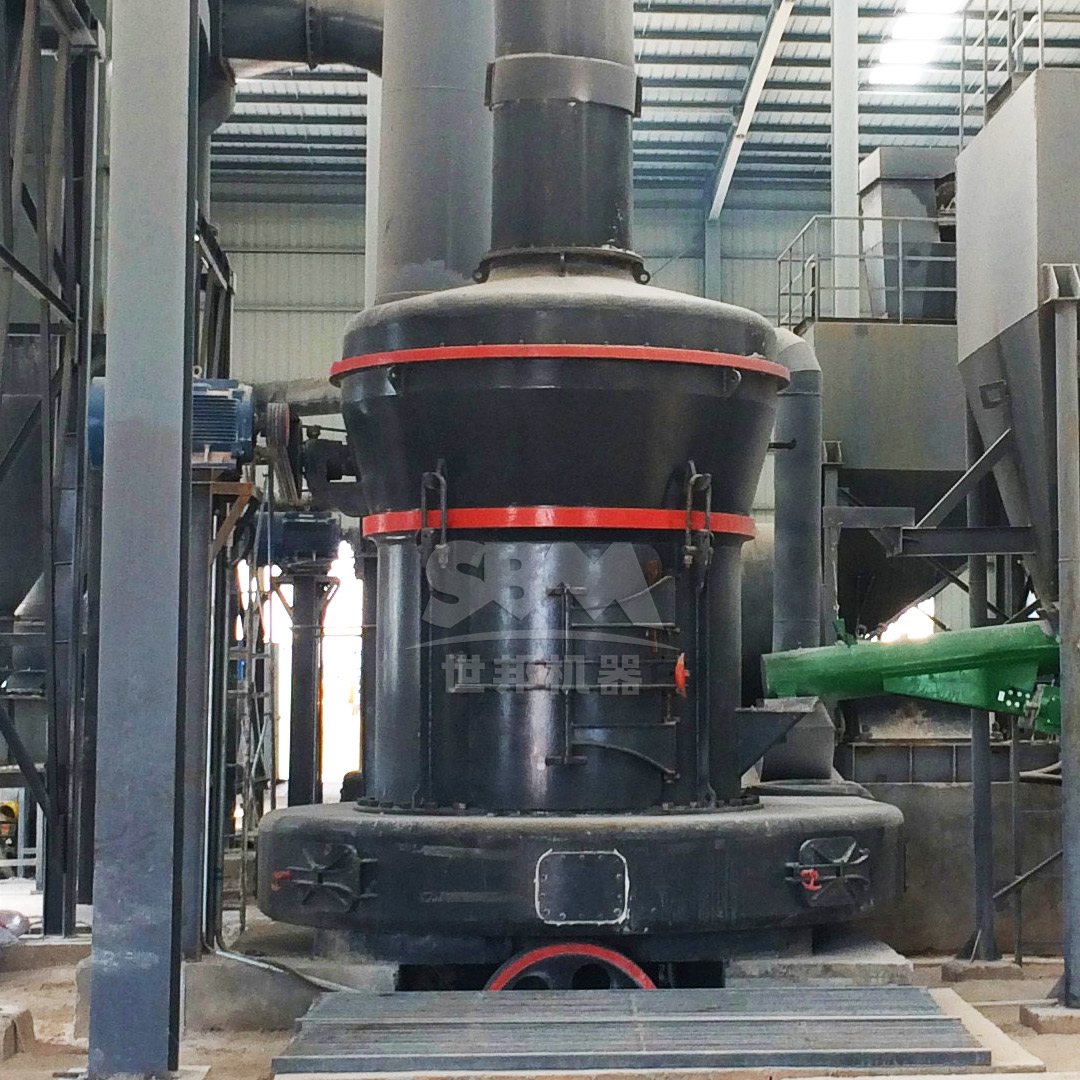
Section 1: Pre-Operation Checks (The Daily Ritual)
Before starting the mill each day, a systematic inspection is crucial to identify potential issues before they escalate.
1.1 Lubrication System Verification
- Oil Level & Quality: Check the oil level in the main gearbox, reducer, and all lubrication points. Ensure the oil is clean and free from contamination or metal particles. Top up or replace as per the manufacturer’s schedule.
- Greasing Points: Manually grease the roller shaft bearings, shovel arm bearings, and other designated points. Use the specified grade of grease and avoid over-greasing.
- Oil Pressure & Flow: For mills with automatic lubrication systems, verify that oil pressure and flow indicators are within normal ranges.
1.2 Fastener and Structural Integrity
- Bolt Tightness: Use a torque wrench to check critical fasteners, including those on the foundation, main frame, classifier, motor base, and fan housing. Vibration can cause loosening over time.
- Wear Parts Inspection: Visually inspect the grinding rollers and grinding ring for signs of abnormal wear, cracks, or uneven surfaces. Measure wear depth if possible.
- Belt Tension: Check the tension of V-belts driving the main motor and classifier. Belts should be firm, not overly tight or slack, and free from cracks or glazing.
Section 2: Operational Monitoring During Production
Vigilance during operation is key to catching dynamic issues.
2.1 Vibration and Noise Analysis
- Use a vibration meter or simply listen and feel. Abnormal vibration or sudden changes in noise level (e.g., grinding, knocking, screeching) are immediate red flags indicating potential imbalance, bearing failure, or foreign object entry.
- Monitor the amperage draw of the main motor. A steady, consistent load is ideal. Fluctuating or abnormally high current can signal overfeeding, clogging, or mechanical resistance.
2.2 Temperature Monitoring
- Regularly check the temperature of key components using an infrared thermometer: main bearing housings, gearbox, motor housing, and classifier bearing. Temperatures should remain stable and within specified limits. Overheating often points to lubrication failure or misalignment.
2.3 Product Quality and System Pressure
- Continuously sample and test the output powder for fineness and consistency. A sudden change in product size may indicate classifier speed issues, worn rollers/rings, or changes in feed material properties.
- Monitor the differential pressure across the mill and dust collection system. An increasing negative pressure may indicate a baghouse filter clog, while a drop could signal air leakage.
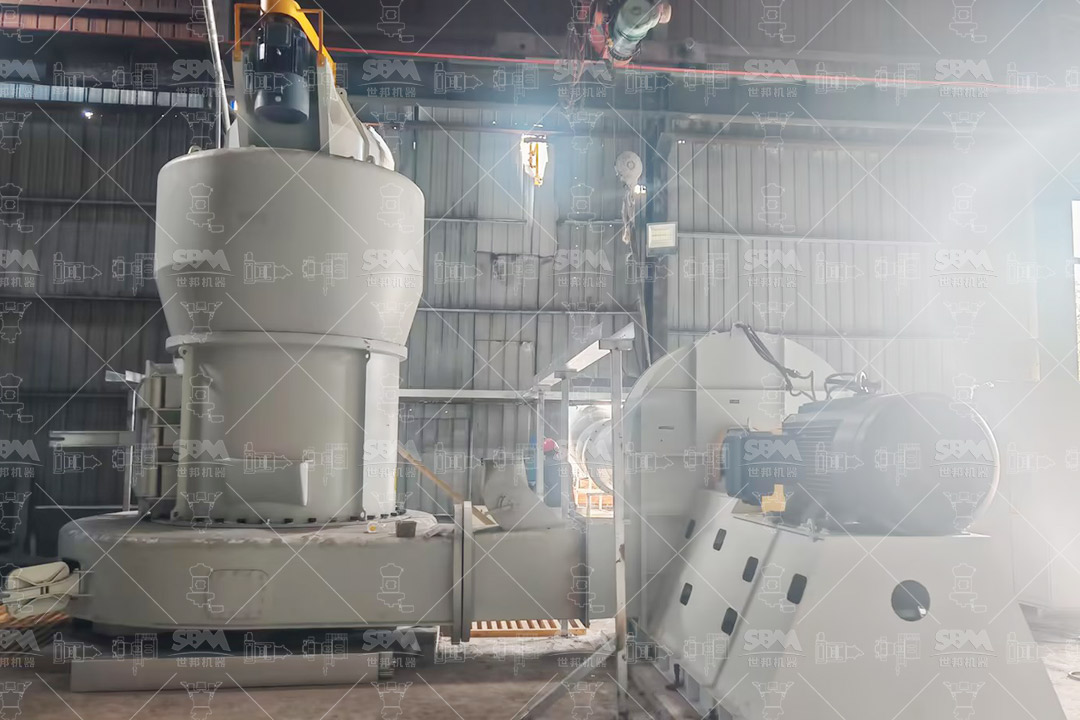
Section 3: Post-Operation and Shutdown Procedures
Proper shutdown is as important as startup for preventing issues.
3.1 Mill Purge and Cool-down
- Before stopping the feed, allow the mill to run empty for several minutes to clear residual material from the grinding chamber and ducts. This prevents material caking and hardening during shutdown.
- Allow the main motor and fan to continue running to cool down the system naturally, especially after high-temperature or long-duration operations.
3.2 Comprehensive Visual Inspection
- Once the mill is stopped and safe to enter, conduct a thorough internal inspection. Look for accumulated material, signs of wear or scraping on internal surfaces, and the condition of shovels and liners.
- Check the pulse-jet dust collector bags for tears or clogging. Ensure the cleaning mechanism is functioning correctly.
Section 4: Addressing Common Wear and Performance Challenges
Even with perfect daily care, wear parts eventually need replacement. Choosing the right technology can dramatically extend maintenance intervals.
Traditional Raymond Mills can suffer from rapid wear of rollers and rings, leading to frequent downtime for replacement and recalibration. Furthermore, achieving consistent, ultra-fine product fineness (below 325 mesh) can be challenging with conventional designs, often requiring multiple passes or separate classification systems.
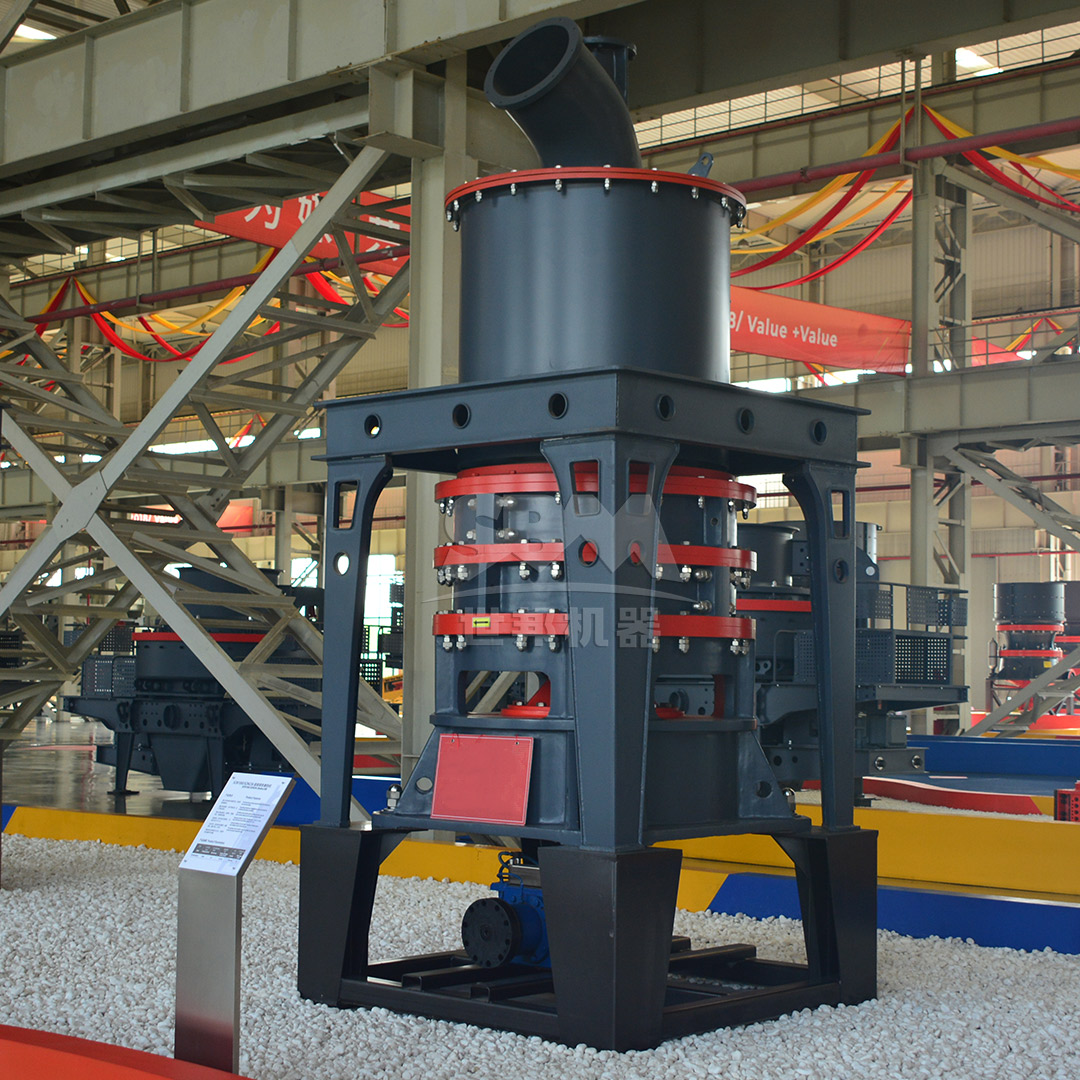
For operations demanding higher fineness, greater throughput, and superior wear life, upgrading to a more advanced milling platform is a strategic move. Our SCM Series Ultrafine Mill is engineered to address these exact challenges. Capable of producing powder from 325 to 2500 mesh (45-5μm), its High-Precision Classification system with a vertical turbine classifier ensures no coarse powder mixing, delivering a uniform product in a single pass. Its Durable Design, featuring special material rollers and rings and a shaftless screw grinding chamber, extends service life several times over compared to conventional mills, directly reducing daily maintenance concerns and frequency of part changes. The integrated pulse dust collection system also simplifies environmental maintenance.
Section 5: The Role of Advanced Mill Design in Reducing Maintenance Burden
Investing in mills with modern engineering principles inherently reduces the daily maintenance load. For high-capacity grinding applications in the 30-325 mesh range, our MTW Series European Trapezium Mill incorporates several maintenance-friendly features. Its Anti-wear Shovel Design with combined blades lowers replacement costs and frequency. The Integral Bevel Gear Drive (98% transmission efficiency) is more reliable and requires less maintenance than traditional worm gear systems. Furthermore, the wear-resistant volute structure and optimized arc air duct are built to withstand abrasive materials, reducing wear-related downtime by an estimated 30%. This design philosophy means your daily checks are more about monitoring smooth operation than constantly battling wear.
Conclusion: Maintenance as an Investment, Not a Cost
Implementing a disciplined, daily maintenance routine for your Raymond Mill is a low-cost, high-return investment. It safeguards your capital equipment, ensures consistent product quality, optimizes energy usage, and prevents catastrophic failures. By combining these daily best practices with strategic investments in more durable and efficient milling technology like the SCM Series for ultrafine needs or the MTW Series for high-capacity coarse-to-fine grinding, you can transform maintenance from a reactive cost center into a proactive driver of productivity, profitability, and plant reliability.