
How Much Does a 10-20 Ton Per Hour Silica Grinding Mill Cost?
Introduction: Understanding Silica Grinding Mill Costs
Silica, in its various forms—quartz, silica sand, feldspathic silica, and industrial silica flour—is one of the most important non-metallic minerals in modern manufacturing. It is the backbone of the glass industry, a critical filler in paints, plastics, and rubber, a key component in ceramics and refractories, and an essential additive in construction materials. Because silica is so widely used across so many industries, the demand for high-quality, precisely ground silica powder continues to grow globally. Consequently, a very common question from investors and plant operators is: how much does a 10-20 ton per hour silica grinding mill cost?
The short answer is that the price of a silica grinding mill in this capacity range is not a fixed number—it depends on a wide range of technical, operational, and commercial factors. A 10-20 t/h silica grinding mill can range from tens of thousands of dollars for a conventional mill configuration to several hundred thousand dollars for a complete, automated, high-precision grinding system with advanced dust collection and intelligent control. To understand why this range is so wide, and to help you make a more informed purchasing decision, this article breaks down the key factors that determine the cost of a 10-20 ton per hour silica grinding mill and provides practical guidance on selecting the right equipment for your project.
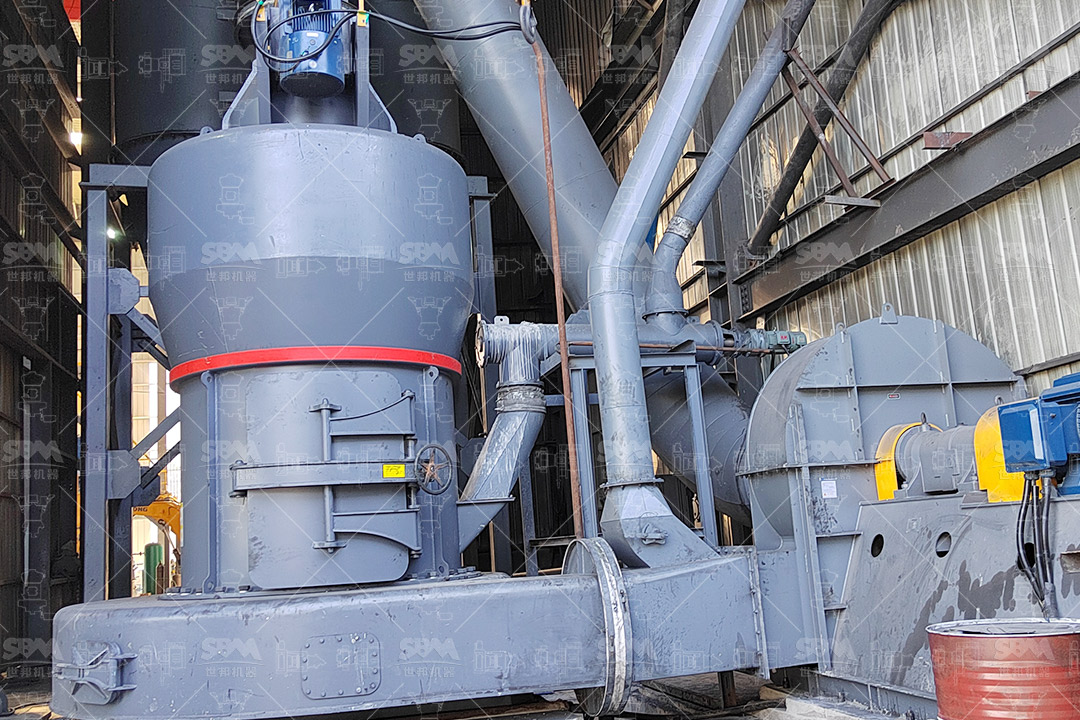
What Does “10-20 Tons Per Hour” Actually Mean for Silica Grinding?
Before discussing cost, it is important to clarify what a 10-20 t/h capacity requirement really entails. Capacity in grinding is not a single number—it is the result of a specific combination of input material size, desired output fineness, moisture content, and the physical properties of the silica being processed. For example:
A mill rated at 15 t/h when grinding silica sand to 100 mesh (150 μm) will produce significantly less—perhaps 5-8 t/h—when the target fineness is increased to 400 mesh (38 μm) or finer. Similarly, harder quartz varieties may reduce throughput compared with softer silica flour feed. Therefore, when a customer asks for a 10-20 t/h silica grinding mill, the first step in any professional quotation is to define the fineness range, the feed size, and the product application.
Typically, silica grinding projects in this capacity range fall into one of three categories:
- Coarse to medium grinding (80-200 mesh): Used in glass raw materials, foundry sand, and construction fillers.
- Fine grinding (200-400 mesh): Used in ceramics, paints, plastics, and rubber fillers.
- Ultrafine grinding (400-2500 mesh): Used in high-end coatings, electronic materials, silicone rubber, and specialty chemical applications.
Each category demands different equipment, different wear-part materials, and different classification technologies—and therefore different price points.
The Main Types of Silica Grinding Mills and Their Cost Profiles
Several types of grinding mills are commonly used for silica processing in the 10-20 t/h range. Each type has its own capital cost, operating cost, and performance characteristics.
1. Raymond Mill / Pendulum Mill (MTM, MTW, MRN Series)
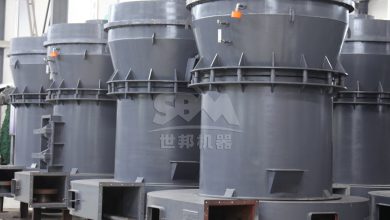
Trapezium and pendulum mills are among the most popular choices for medium-fine silica grinding because they offer a good balance between capacity, fineness, and cost. A mill in this family capable of 10-20 t/h at 100-325 mesh typically represents a moderate capital investment. The MTW Series European Trapezium Mill, for instance, includes models such as the MTW138Z with a capacity of 6-17 t/h and the MTW175G with a capacity of 9.5-25 t/h, both of which comfortably cover the 10-20 t/h requirement. These mills feature optimized arc air ducts, integral bevel gear drive with transmission efficiency up to 98%, and wear-resistant volute structures that reduce maintenance costs by around 30%.
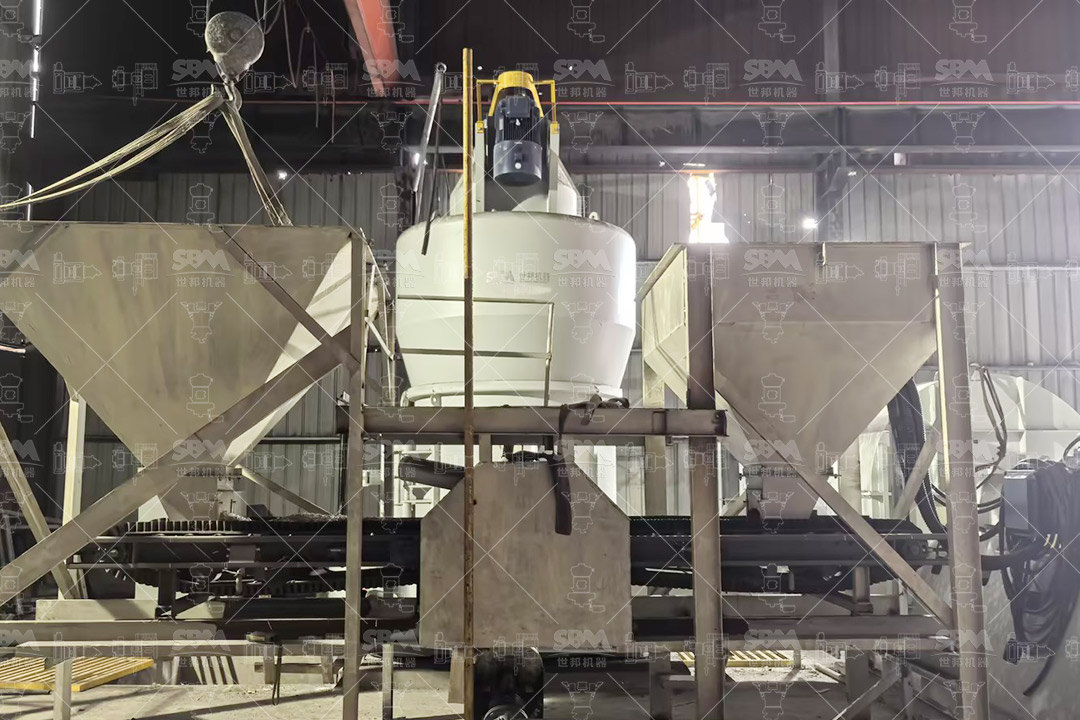
2. Vertical Roller Mills (LM, LUM Series)
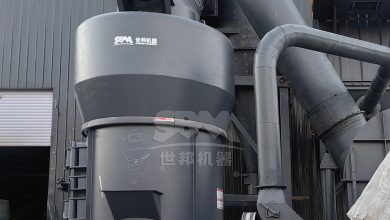
Vertical roller mills are increasingly preferred for silica grinding because of their integrated design, low operating cost, and environmental compliance. The LM Series Vertical Roller Mill integrates crushing, grinding, and classification, reducing floor space by 50% and allowing outdoor installation that cuts infrastructure costs by 40%. Energy consumption is 30-40% lower than ball mill systems, and wear-part life is extended by up to three times thanks to the non-contact roller-table design. Models such as the LM170K (18-48 t/h) and LM190K (23-68 t/h) can exceed the 10-20 t/h range, while smaller configurations and finer product targets bring them into this capacity bracket. The LUM Ultrafine Vertical Roller Mill is the go-to choice when ultrafine silica powder (325-2500 mesh) is required, with models like the LUM1525 offering 1.6-11.5 t/h and the LUM1632 offering 2-13.5 t/h.
3. Ball Mills
Ball mills remain a traditional and reliable option for silica grinding, particularly for coarse to medium fineness and for continuous large-scale production. They have a high crushing ratio (up to 300:1) and can operate in both dry and wet modes. However, ball mills generally consume more energy per ton of product and require more floor space. For a 10-20 t/h silica application, a ball mill may be considered when the target fineness is relatively coarse (e.g., 0.074-0.8 mm) or when the plant already has a conventional layout.
4. Ultrafine Mills (SCM Series)
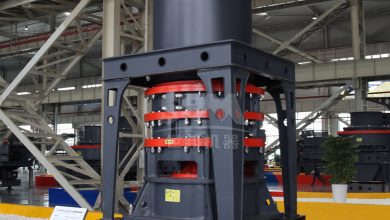
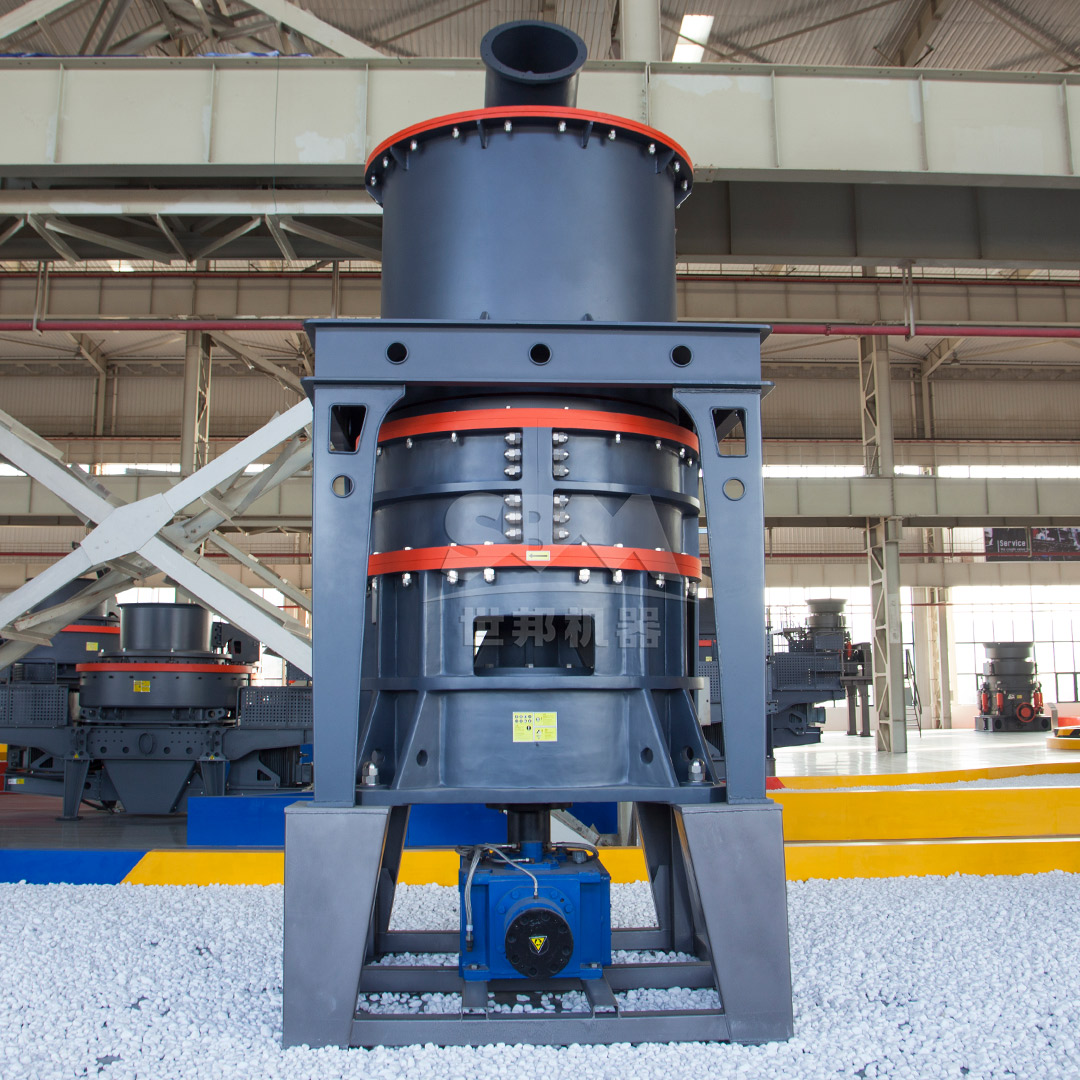
When the application demands very fine silica powder—for example, in silicone rubber, electronic encapsulants, or high-performance coatings—the SCM Series Ultrafine Mill is a strong candidate. With output fineness from 325 to 2500 mesh and capacity from 0.5 to 25 t/h depending on the model, the SCM series covers the 10-20 t/h range at the higher-capacity end. Its vertical turbine classifier achieves precise particle size cutting with no coarse powder mixing, and its capacity is twice that of jet mills with 30% lower energy consumption. The intelligent control system with automatic finished-product granularity feedback makes it a highly automated solution for premium silica powder production.
Key Cost Factors: What Drives the Price of a 10-20 t/h Silica Grinding Mill?
Understanding the following cost drivers will help you interpret quotations and compare offers fairly.
1. Target Fineness and Product Quality
Fineness is the single most important cost driver. Grinding silica to 200 mesh is far less demanding—and far less expensive—than grinding to 1250 or 2500 mesh. Higher fineness requires more sophisticated classifiers, more grinding stages, higher motor power, and more wear-resistant materials. If your product specification calls for a narrow particle size distribution (for example, D97 below 10 μm with no coarse particles), expect a significantly higher equipment cost.
2. Required Capacity Within the 10-20 t/h Range
A mill rated at 10 t/h and a mill rated at 20 t/h are different machines with different motor sizes, grinding chamber dimensions, and auxiliary equipment. The price difference between the lower and upper end of this range can be substantial—often 30-60% or more. It is important to specify whether 10-20 t/h is a nominal range or a guaranteed minimum at the target fineness.
3. Feed Material Characteristics
Silica varies widely in hardness, abrasiveness, and moisture content. Crystalline quartz is highly abrasive and will accelerate wear on rollers, rings, and liners. Mills configured with special wear-resistant materials—such as the special material rollers and rings in the SCM Series, or the wear-resistant volute structure in the MTW Series—cost more upfront but deliver much longer service life and lower maintenance costs. High-moisture feed may require hot-air drying integration, adding to system cost.
4. System Configuration and Automation Level
A grinding mill is rarely purchased alone. A complete silica grinding system typically includes:
- Feeders and conveyors
- Crushers (if feed size exceeds the mill’s input limit)
- The grinding mill itself
- Classifiers (integrated or standalone)
- Cyclone collectors and pulse dust removal systems
- Fans and air ducts
- Control systems (PLC, intelligent automation, remote monitoring)
- Steel structure, piping, and electrical wiring
A basic manual system and a fully automated, intelligent, dust-compliant system can differ in price by a factor of two or more. Advanced features such as automatic finished-product granularity feedback (as in the SCM Series), expert-level auto-control with remote/local switching (as in the LM Series), and multi-stage dust collection all add value—and cost.
5. Environmental and Safety Compliance
Modern silica grinding plants must meet strict dust emission and noise standards. Pulse dust collection systems with efficiency exceeding international standards, soundproof room designs, and fully sealed negative-pressure operation are increasingly standard requirements rather than optional extras. While these features increase the initial investment, they are essential for regulatory compliance and worker safety, and they reduce long-term operating and remediation costs.
6. Wear Parts and After-Sales Support
The cost of wear parts over the life of the mill can exceed the initial purchase price difference between two suppliers. Mills with long-life rollers, rings, and liners—such as the combined shovel blade design and curved roller design of the MTW Series, or the non-contact roller-table design of the LM Series—offer a lower total cost of ownership even if their purchase price is higher. After-sales support, spare-parts availability, installation services, and training should also be factored into the comparison.
Typical Price Ranges and What They Include
While it is impossible to give a single precise figure without a detailed technical specification, the following general ranges can help set expectations for a 10-20 t/h silica grinding mill:
- Entry-level pendulum/trapezium mill system: A basic MTM or MTW configuration with standard automation, suitable for 10-15 t/h at 100-200 mesh, may fall in the lower-to-mid range of the market. This typically includes the mill, fan, classifier, feeder, cyclone, and pulse dust collector.
- Mid-range vertical roller mill system: An LM Series or similar vertical mill configured for 10-20 t/h at 200-325 mesh, with integrated crushing/grinding/classification and intelligent control, represents a mid-to-upper range investment. The reduced civil works and lower energy consumption often justify the higher capital cost within two to three years of operation.
- High-end ultrafine grinding system: An SCM Series ultrafine mill or LUM ultrafine vertical mill configured for 10-20 t/h at 800-2500 mesh, with precise classification, full automation, and premium dust collection, represents the upper range of the market. These systems are typically justified by high-value end products such as silicone rubber fillers, electronic-grade silica, and specialty coatings.
It is also important to distinguish between the price of the mill alone and the price of a complete turnkey system. Many quotations in the market refer only to the main mill unit, while feeders, crushers, dust collectors, fans, steel structures, and installation are quoted separately. Always ask for a breakdown of the scope of supply.
How to Get an Accurate Quotation
To obtain a meaningful and comparable quotation for a 10-20 t/h silica grinding mill, prepare the following information before contacting suppliers:
- Feed material specification: Type of silica (quartz sand, silica flour, feldspathic silica, etc.), feed size (e.g., ≤20 mm or ≤50 mm), moisture content, and hardness (Mohs scale).
- Product specification: Target fineness (mesh or μm), required particle size distribution (e.g., D97, D50), and any limits on coarse particles or iron content.
- Capacity requirement: Whether 10-20 t/h is the design capacity at the target fineness, and whether future expansion is planned.
- Site conditions: Available floor space, indoor or outdoor installation, power supply voltage (380V or 6-10kV), and local environmental regulations.
- Automation and service requirements: Desired level of automation, remote monitoring needs, spare-parts strategy, and installation/commissioning support.
With this information, a reputable supplier can recommend the most suitable mill type and model, provide a detailed scope of supply, and quote an accurate price. Suppliers who ask detailed technical questions before quoting are generally more reliable than those who offer an immediate “one-size-fits-all” price.
Why Total Cost of Ownership Matters More Than Purchase Price
When evaluating the cost of a 10-20 t/h silica grinding mill, experienced buyers focus on total cost of ownership (TCO) rather than the initial purchase price alone. TCO includes:
- Energy consumption: Grinding is an energy-intensive process. A mill that is 30% more energy-efficient can save a substantial amount over years of operation—often enough to offset a higher purchase price within a few years.
- Wear-part consumption: Rollers, rings, liners, and shovels are consumables. Long-life designs and wear-resistant materials reduce replacement frequency and downtime.
- Maintenance and labor: Intelligent control, remote monitoring, and easy-maintenance designs reduce manual intervention and skilled-labor requirements.
- Downtime: Reliable equipment with readily available spare parts minimizes production losses.
- Compliance costs: Dust and noise compliance avoids fines, remediation costs, and operational interruptions.
In many cases, a mill with a higher upfront price delivers a lower cost per ton of finished silica powder over its service life—which is the metric that ultimately matters for profitability.
Recommended Solutions for 10-20 t/h Silica Grinding
For buyers targeting the 10-20 t/h range, two product families stand out as particularly well-suited to silica processing:
MTW Series European Trapezium Mill — With models such as the MTW138Z (6-17 t/h) and MTW175G (9.5-25 t/h), the MTW series offers an excellent balance of capacity, fineness (10-325 mesh), and cost. Its anti-wear shovel design, optimized arc air duct, integral bevel gear drive (98% transmission efficiency), and wear-resistant volute structure make it a reliable and economical choice for medium-fine silica grinding. Maintenance costs are reduced by around 30%, and the internationally advanced pulse dust removal technology ensures environmental compliance.
SCM Series Ultrafine Mill — For applications requiring fine to ultrafine silica powder (325-2500 mesh), the SCM series is a high-performance option. With capacity up to 25 t/h depending on the model, it covers the 10-20 t/h requirement comfortably. Its capacity is twice that of jet mills with 30% lower energy consumption, and its vertical turbine classifier ensures precise particle size cutting with no coarse powder mixing. The intelligent control system with automatic finished-product granularity feedback makes it ideal for producing consistent, high-value silica powder for demanding applications.
Both product families are supported by comprehensive technical documentation, model selection guidance, and after-sales service, and both can be configured with the appropriate feeders, dust collectors, and automation to match your specific project requirements.
Conclusion
The cost of a 10-20 ton per hour silica grinding mill is not a single number but a function of fineness requirements, capacity specifications, feed material characteristics, system configuration, automation level, environmental compliance, and after-sales support. Entry-level systems for coarse grinding may be relatively affordable, while high-end ultrafine grinding systems with full automation and premium dust collection represent a significantly larger investment. The most reliable way to determine the right price for your project is to define your technical requirements precisely and request a detailed, scope-based quotation from an experienced supplier. By focusing on total cost of ownership—energy efficiency, wear-part life, maintenance, and compliance—rather than purchase price alone, you can select a silica grinding mill that delivers reliable performance and strong returns for years to come.