
Coal-Based Kaolin Ultrafine Powder Deep Processing Technology and Equipment Introduction
Introduction
Coal-based kaolin, also known as coal gangue kaolin or coal-series kaolin, is a valuable mineral resource associated with coal seams. As the demand for high-performance fillers, paper coatings, and advanced ceramics increases globally, the deep processing of coal-based kaolin into ultrafine powder has become a critical industrial process. The production of ultrafine kaolin powder with a fineness of 325 mesh to 2500 mesh (45-5μm) requires advanced grinding technology, precise classification, and reliable equipment. This article provides a comprehensive introduction to the latest deep processing technologies and equipment, highlighting the key technical advantages, working principles, and selection criteria for modern ultrafine powder production lines.
Raw Material Characteristics and Processing Challenges
Coal-based kaolin typically contains impurities such as quartz, feldspar, carbon residues, and iron oxides. The raw ore often has a high moisture content and variable hardness. The primary processing challenges include achieving uniform particle size distribution, removing impurities effectively, and maintaining high production efficiency while minimizing energy consumption. The ultrafine grinding process must be capable of handling feed sizes up to 20mm and producing consistent powders with d97 particle sizes as fine as 5 microns.
Core Deep Processing Technologies
Modern coal-based kaolin ultrafine powder processing integrates several key technologies: crushing, grinding, classification, and dust collection. Among these, grinding and classification are the most critical stages determining product quality and production efficiency.
1. Ultrafine Grinding Technology
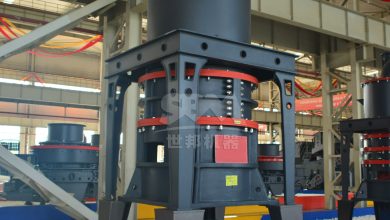
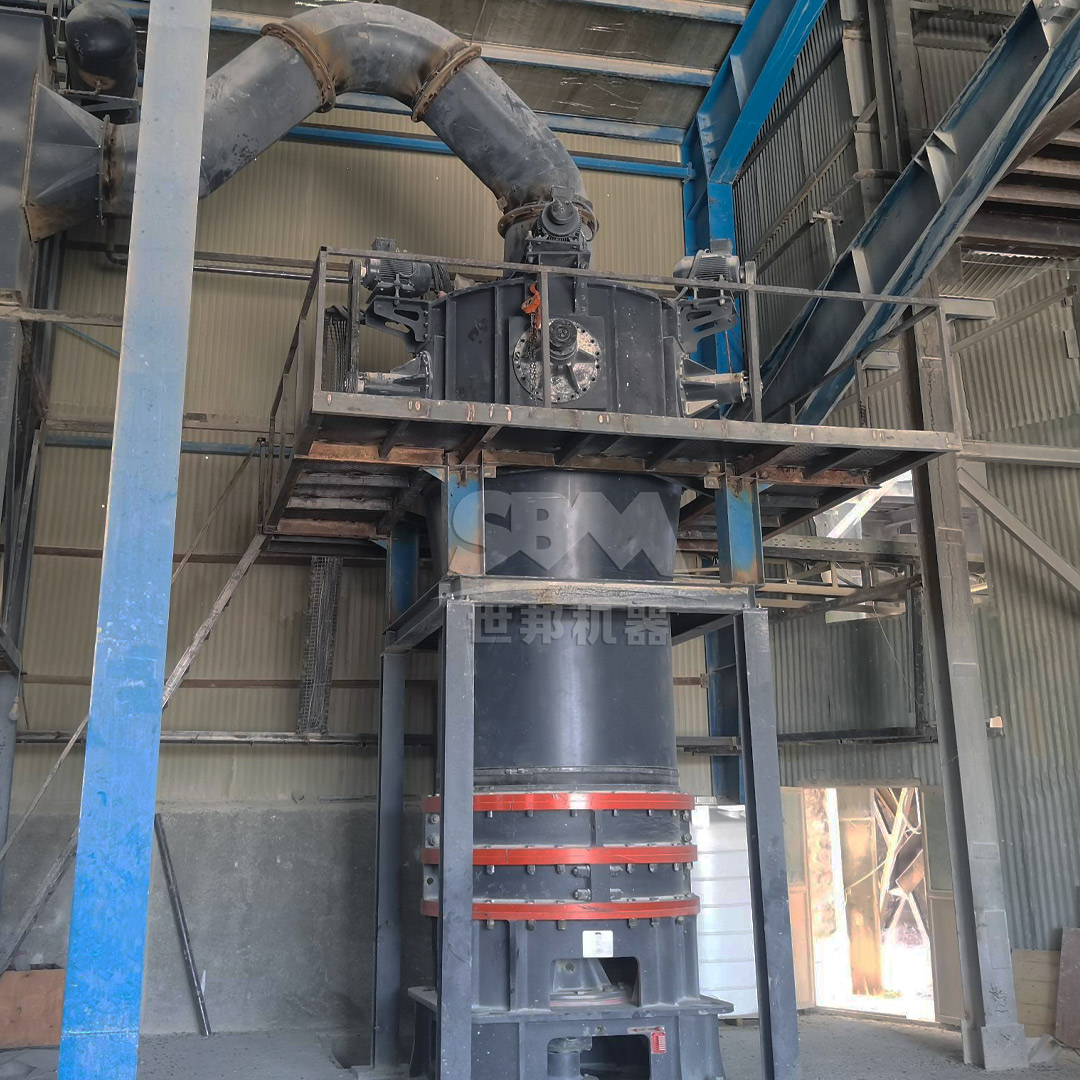
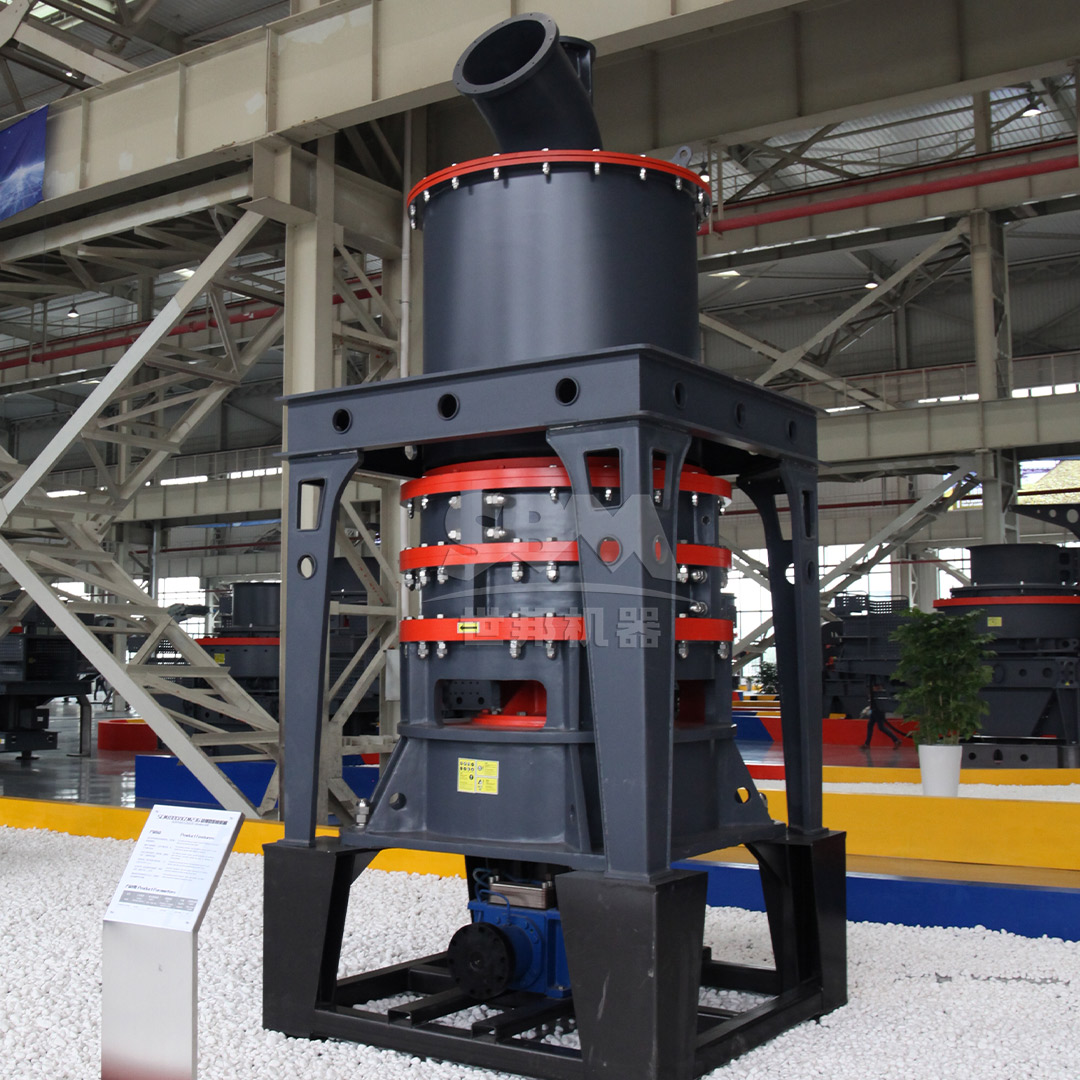
The core of any ultrafine powder production line is the grinding mill. For coal-based kaolin, the two most common and effective technologies are the roller mill and the vertical roller mill. Our SCM Series Ultrafine Mill is specifically designed for the 45-5μm fineness range. It utilizes three layers of grinding rings and multiple rollers to apply centrifugal force and grinding pressure, ensuring materials are crushed and ground layer by layer. This structure delivers significantly higher capacity—up to 2 times that of jet mills—while consuming 30% less energy. The intelligent control system automatically adjusts parameters based on real-time product granularity feedback, ensuring stable operation and consistent quality.
2. High-Precision Classification Technology
Achieving precise particle size cutting without coarse powder mixing is essential for high-value ultrafine kaolin products. The vertical turbine classifier used in our mills provides superior classification efficiency. It ensures that the final product fineness can be precisely controlled between 325 and 2500 mesh, meeting the most stringent industry specifications for coatings, plastics, and rubber applications.
3. Environmental Protection and Energy Saving
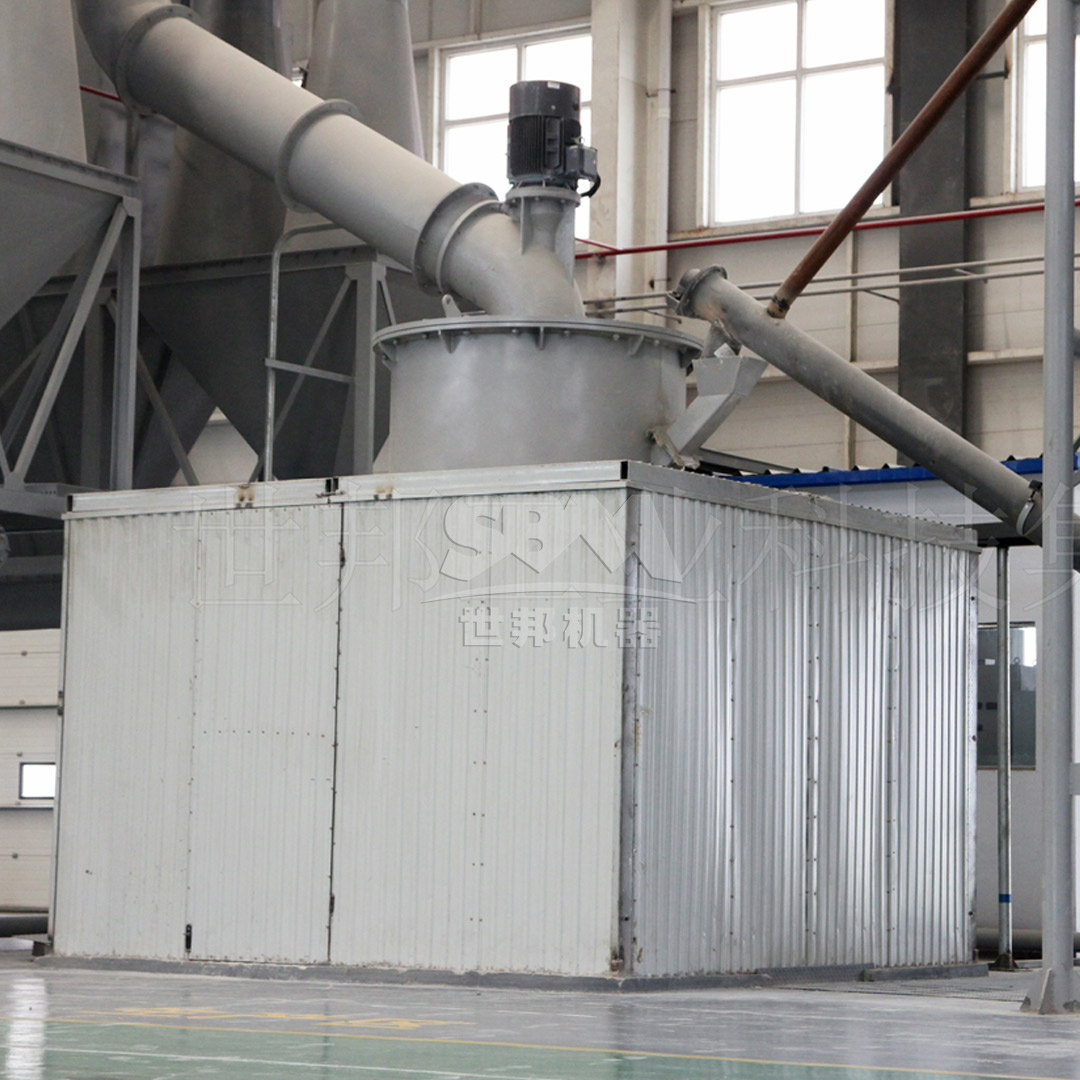
Environmental compliance is a top priority in modern mineral processing. The pulse dust collection system integrated into our equipment achieves dust emission levels far exceeding international environmental standards. Combined with a soundproof room design, the entire system operates with noise levels below 85 decibels, making it suitable for installation near residential or ecologically sensitive areas. The closed-loop negative pressure system ensures zero dust leakage, protecting both the environment and operator health.
Recommended Equipment: Our Flagship Ultrafine Mill
For customers seeking to produce high-quality ultrafine coal-based kaolin powder in the 45-5μm range, we highly recommend the SCM Series Ultrafine Mill. This mill is the result of years of research and field experience, offering the best balance of capacity, energy efficiency, and product fineness. With models ranging from SCM800 (capacity 0.5-4.5 t/h) to SCM1680 (capacity 5.0-25 t/h), there is a solution for every production scale. The main motor power for the SCM1250 model is only 185kW, yet it can process up to 14 tons per hour, demonstrating exceptional energy efficiency.
Working Principle of the Ultrafine Mill
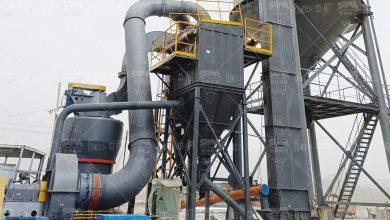
Understanding the working principle is key to optimizing operations. The main motor drives three layers of grinding rings to rotate at high speed. Raw material (≤20mm) is fed into the mill and dispersed by centrifugal force onto the grinding path. Rollers press against the rings, crushing the material into fine powder. The ground powder is then carried by an airflow to the vertical turbine classifier. Coarse particles are returned to the grinding chamber for further processing, while qualified fine powder passes through to the cyclone collector and pulse dust removal system for final collection. This continuous, closed-loop process ensures maximum yield and consistent quality.
Equipment Selection Criteria for Different Applications
Not all kaolin applications require the same fineness. For example:
- Paper coating grade: Typically requires 90% < 2μm (equivalent to 6250 mesh), which may need additional classification steps.
- Paint and coating fillers: 1250 mesh (10μm) to 2500 mesh (5μm) is common. The SCM Series is ideal for this range.
- Plastics and rubber reinforcement: 800 mesh (18μm) to 1250 mesh (10μm). Both SCM and MTW series can be considered.
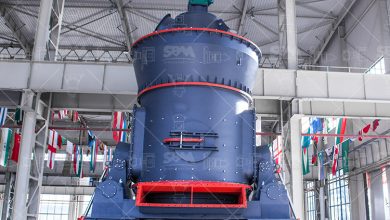
- Ceramic raw materials: 325 mesh (45μm) is often sufficient. The MTW European Trapezium Mill or LM Vertical Roller Mill offer high capacity solutions for this coarser range.
Case Study: Optimizing a Kaolin Ultrafine Production Line
In a typical project, a customer processing coal-based kaolin with an initial moisture content of 8% and a feed size of 15mm needed to produce 8 tons/hour of d97=10μm powder. By selecting an SCM1000 model equipped with an intelligent control system and a high-efficiency pulse dust collector, the plant achieved a stable capacity of 8.5 t/h with energy consumption 28% lower than their previous jet mill system. The product fineness was consistently maintained at d97=10.2μm, with less than 5% residue on a 1250 mesh sieve. The customer reported a payback period of less than 18 months due to energy savings and reduced maintenance.
Future Trends and Technological Innovations
The industry is moving towards larger, more intelligent, and more energy-efficient equipment. Our patented technologies, such as the shaftless screw grinding chamber and special material rollers and rings, are continuously improving service life and reducing downtime. The integration of IoT sensors and cloud-based monitoring systems will soon allow real-time optimization of grinding parameters from remote locations, further reducing operational costs. Additionally, the development of hybrid grinding systems that combine the advantages of roller mills and ball mills for specific application needs is on the horizon.
Conclusion
Coal-based kaolin ultrafine powder deep processing is a technically demanding field that requires the right combination of equipment, process know-how, and operational experience. Whether the target fineness is 325 mesh for general fillers or 2500 mesh for high-end coatings, the SCM Series Ultrafine Mill provides a reliable, efficient, and environmentally friendly solution. By choosing advanced equipment and intelligent control systems, producers can maximize their return on investment while meeting the highest quality standards demanded by the global market. For more information on selecting the right model for your specific kaolin project, contact our technical team for a detailed consultation.