Ceramic Raw Material Vertical Mill: The Automated Production Equipment for Ceramic Powder Processing
Introduction
The ceramic industry demands high purity, consistent particle size distribution, and efficient production processes. As the market evolves, the need for automated, energy-saving grinding equipment has become paramount. The Ceramic Raw Material Vertical Mill represents a breakthrough in powder processing technology, combining crushing, grinding, classifying, and conveying into a single automated system. This article explores the technical advantages, working principles, and applications of this essential equipment for ceramic powder production.
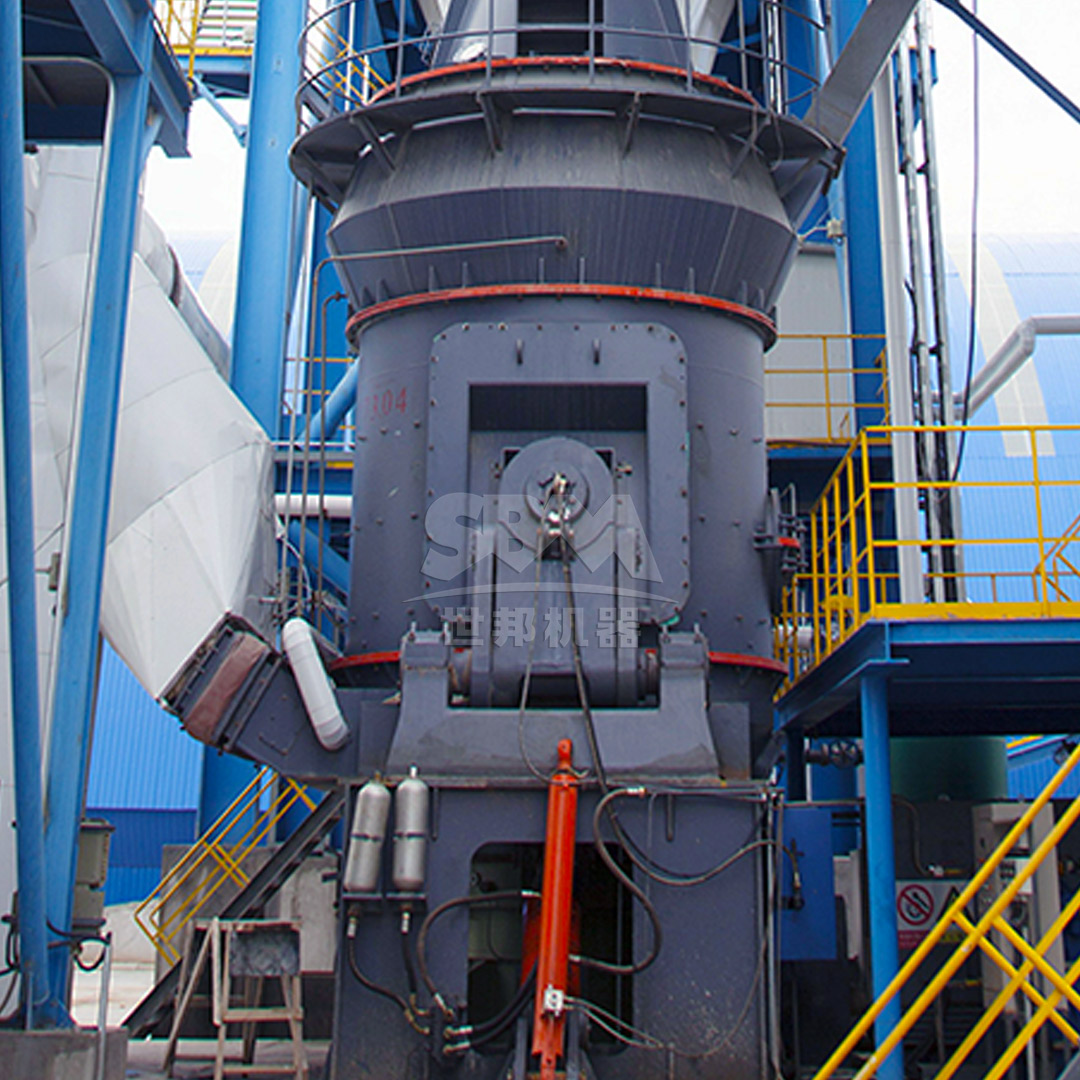
Key Technical Parameters for Ceramic Processing
Ceramic raw materials such as feldspar, quartz, kaolin, and talc require precise fineness control to ensure product quality. The vertical mill system addresses these requirements through advanced engineering:
Feed Size: Typically ≤50mm, accommodating primary crushed materials without additional pre-processing.
Output Fineness: Adjustable from 30-325 mesh (standard models) up to 600 mesh for specialized ceramic applications.
Capacity Range: From 3 to 250 ton/h depending on model configuration, supporting both small-scale batch production and large continuous operations.
Moisture Content: Capability to handle materials with up to 15% moisture when using hot air drying systems.
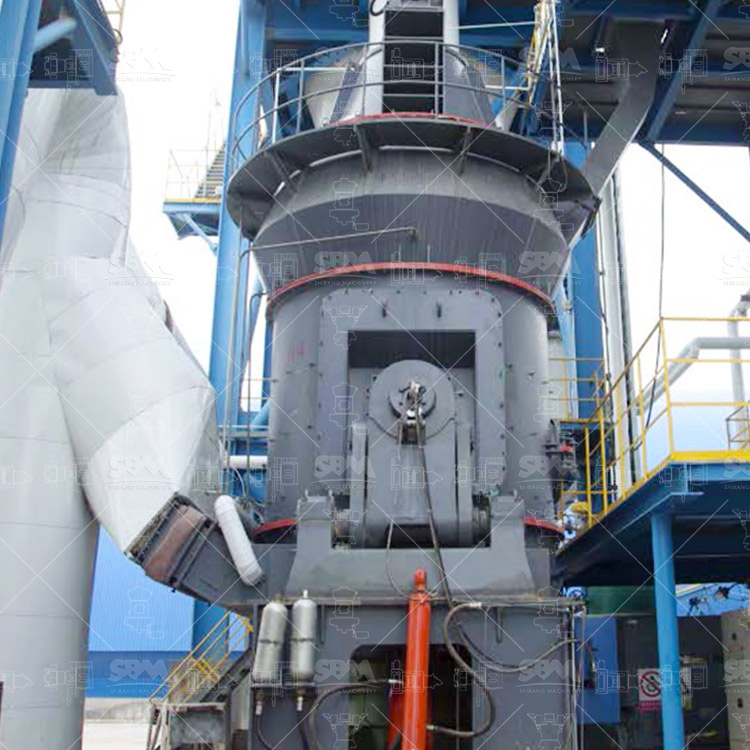
Technical Advantages of Vertical Mill Systems
1. Integrated Design Reduces Footprint: The vertical mill integrates crushing, grinding, and classification into a single unit, reducing floor space requirements by up to 50% compared to traditional ball mill systems. This integrated design also enables outdoor installation, cutting infrastructure costs by approximately 40%.
2. Energy Efficiency and Cost Reduction: Non-contact design between grinding rollers and table extends wear part life by three times. Energy consumption is 30-40% lower than ball mill systems, translating to significant operational savings for ceramic manufacturers processing large volumes of feldspar and quartz.
3. Intelligent Control Systems: Expert-level auto-control systems support both remote and local operation switching. Real-time monitoring of grinding pressure, separator speed, and material bed thickness reduces manual intervention while maintaining consistent product quality.
Working Principle of Ceramic Raw Material Vertical Mill
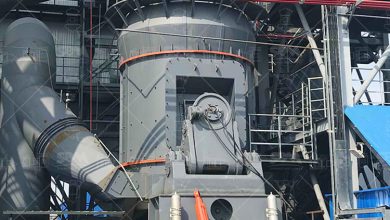
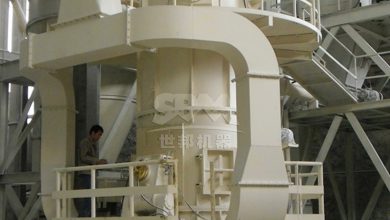
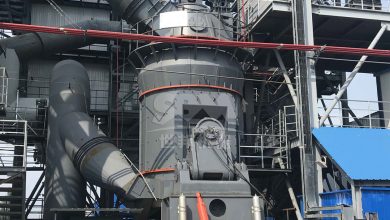
Material enters the mill through the central feed port and spreads evenly onto the grinding table via centrifugal force generated by table rotation. The grinding rollers, applying hydraulic or mechanical pressure, crush the material layer through compression and shear forces. The ground material is carried upward by airflow to the dynamic classifier, where rotating vanes separate fine particles from coarse ones. Qualified fine powder passes through the classifier and is collected by bag filters or cyclones, while coarse particles return to the grinding table for further reduction.
This continuous circulation system ensures uniform particle size distribution essential for ceramic body preparation, glazing applications, and refractory material production.
Patented Technologies for Enhanced Performance
Modular Grinding Roller Assembly Quick-Change System: Reduces downtime during roller replacement, crucial for maintaining production schedules in high-volume ceramic powder plants.
Dynamic Classifier Multi-Stage Adjustment Technology: Enables precise control of finished product fineness, allowing operators to switch between different ceramic material specifications without mechanical modifications.
Hot Air Circulation Energy-Saving System: Recovers thermal energy from the system, reducing drying costs for wet ceramic raw materials by up to 25%.
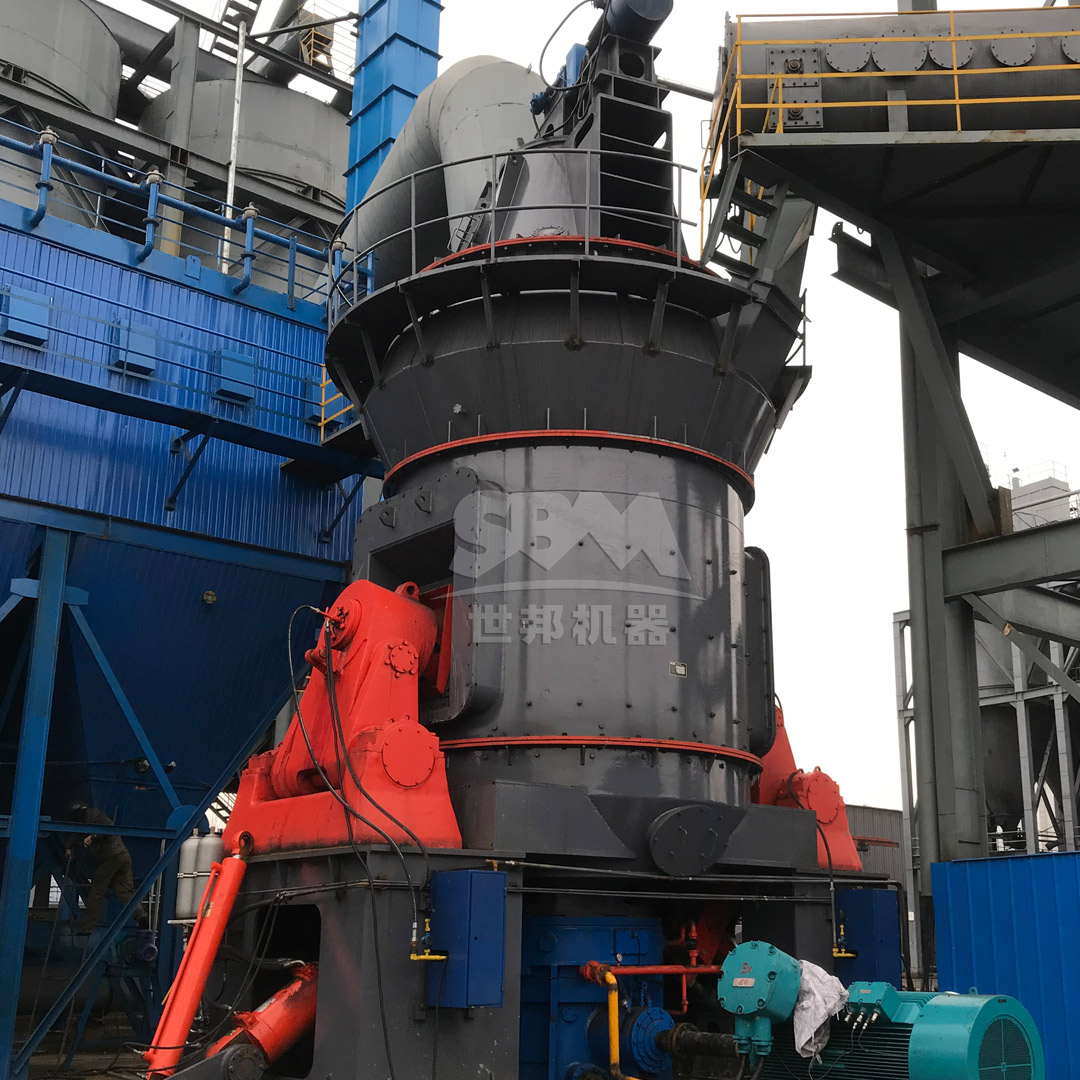
Recommended Product: LM Series Vertical Roller Mill
For ceramic raw material processing, our LM Series Vertical Roller Mill offers unmatched performance and reliability. Key models suitable for ceramic applications include:
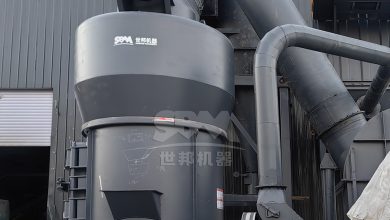
LM130K to LM280K (Vertical Mineral Mill Series): Table diameters from 1300mm to 2800mm, with capacities ranging from 10 to 170 ton/h. Fineness adjustable from 170-40μm, ideal for standard ceramic body materials.
LM130X-GX to LM220X-GX (Vertical Fine-powder Mill Series): Equipped with three rollers, feed size ≤20mm, producing fineness from 325-600 mesh. Perfect for high-value ceramic glaze materials and advanced ceramics requiring ultra-fine powders.
The LM series features fully sealed negative pressure operation, ensuring dust emission levels below 20mg/Nm³ and operating noise under 85dB, meeting the strictest environmental regulations.
Another Recommended Product: MTW Series European Trapezium Mill
For ceramic manufacturers requiring medium-fineness powders (30-325 mesh) with high throughput, the MTW Series European Trapezium Mill provides an excellent solution:
MTW138Z: Capacity 6-17 ton/h, main power 90kW, producing fineness from 10-325 mesh. Ideal for processing feldspar and quartz for ceramic tile body preparation.
MTW215G: Capacity 15-45 ton/h, main power 280kW, accommodating feed sizes up to 50mm. Suitable for large-scale ceramic powder production lines.
The optimized arc air duct design reduces airflow energy loss, while the integral bevel gear drive achieves transmission efficiency up to 98%. Combined shovel blades reduce maintenance costs, making this mill particularly cost-effective for continuous ceramic powder operations.
Application in Ceramic Manufacturing
Vertical mills are widely used in processing:
- Feldspar and Quartz: Essential fluxing and filler materials for ceramic bodies and glazes
- Kaolin and Ball Clay: Plasticity enhancers requiring precise particle size control
- Talc and Wollastonite: Functional fillers for ceramic tile and sanitaryware
- Alumina and Zirconia: Advanced ceramic raw materials for technical applications
The ability to handle both dry and slightly moist materials, combined with precise classification, makes these mills indispensable for modern ceramic powder processing plants.
Conclusion
The Ceramic Raw Material Vertical Mill represents the pinnacle of automated powder processing technology. With integrated design, intelligent control systems, and proven energy efficiency, this equipment enables ceramic manufacturers to achieve consistent product quality while reducing operational costs. Whether processing traditional ceramic raw materials or advanced ceramic powders, the LM Series Vertical Roller Mill and MTW Series European Trapezium Mill offer reliable, high-performance solutions tailored to the specific needs of the ceramic industry.