Ball Mill vs Raymond Mill: Which Grinding Machine is Better for Your Needs?
Introduction: The Quest for the Right Grinding Solution
In the world of mineral processing, construction materials, and chemical industries, the selection of an appropriate grinding mill is a critical decision that directly impacts production efficiency, product quality, and operational costs. Two of the most historically significant and widely debated machines in this arena are the Ball Mill and the Raymond Mill (also known as a pendulum roller mill). Each has its own legacy, operating principles, and ideal application scenarios. This article provides a comprehensive, professional comparison to guide you in determining which grinding machine better aligns with your specific operational needs and production goals.
Fundamental Principles and Design Philosophy
Ball Mill: The Workhorse of Impact and Attrition
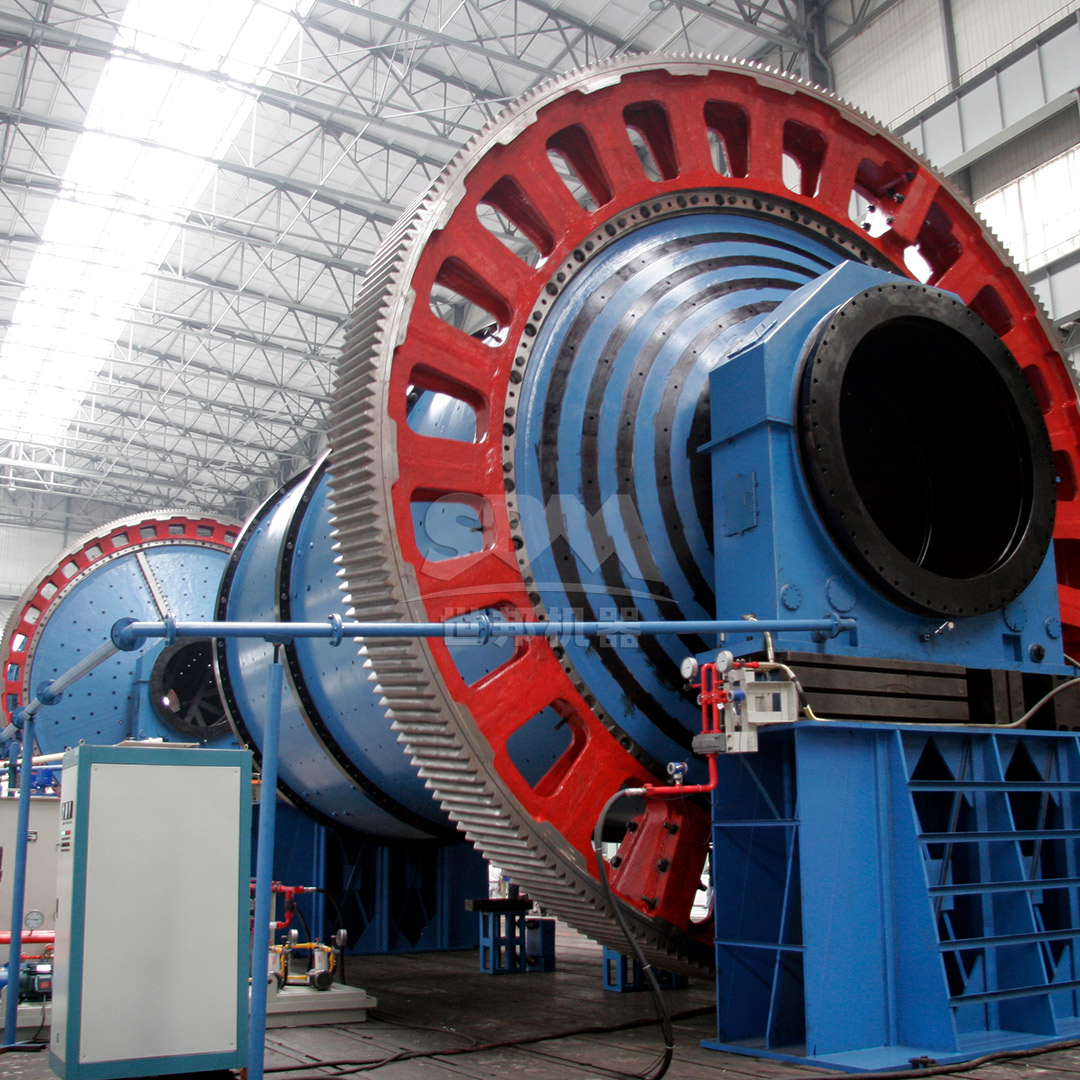
The Ball Mill operates on a relatively simple principle. It consists of a rotating cylindrical shell, partially filled with grinding media such as steel balls. As the shell rotates, the balls are lifted and then cascade down, impacting and crushing the material through a combination of impact and attrition forces. The ground material exits through a discharge grate. This method is highly effective for achieving a wide range of particle sizes, typically from 0.074mm to 0.8mm. Its design is robust, allowing for both dry and wet grinding processes, making it a versatile choice for industries like cement (raw meal and clinker grinding), metallurgy (ore beneficiation), and silicate products.
Raymond Mill (and Modern Pendulum Roller Mills): Masters of Compression Grinding
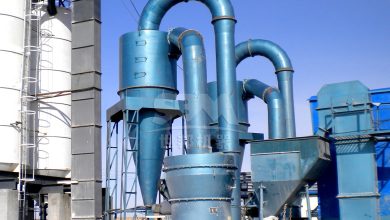
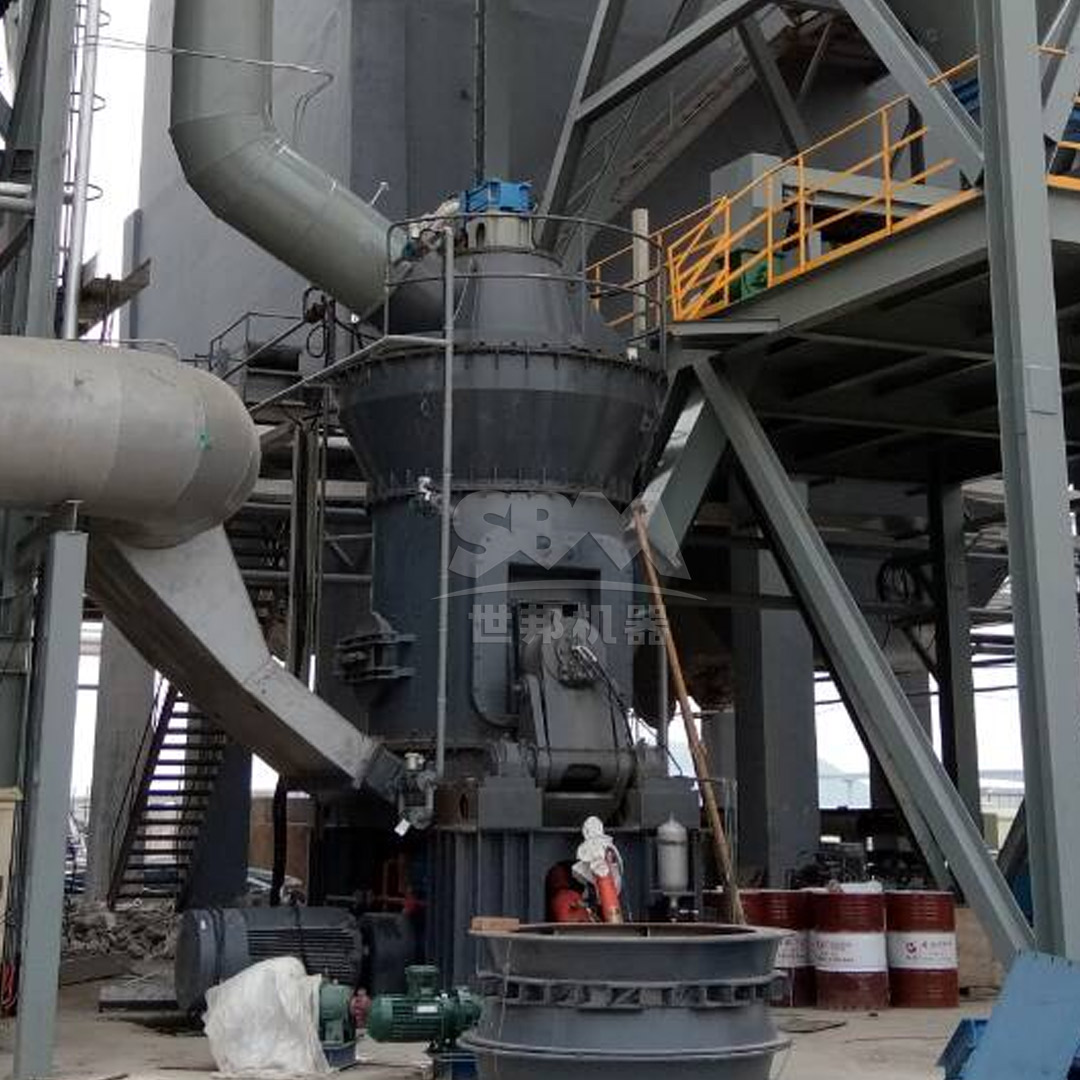
The traditional Raymond Mill and its modern successors, like pendulum roller mills, employ a fundamentally different approach. Material is fed into a grinding chamber where it is crushed between rotating rollers and a stationary grinding ring. The rollers swing outward due to centrifugal force, applying substantial pressure to the material bed. A built-in classifier immediately separates fine particles, which are carried away by an air stream to a collector, while coarse particles fall back for regrinding. This closed-circuit, air-swept system is inherently efficient for dry grinding of non-metallic minerals to medium fineness (typically 30-325 mesh or 45-600μm).
Head-to-Head Comparison: Key Performance Factors
1. Output Fineness and Product Shape
- Ball Mill: Excels in producing a relatively coarse to medium-fine powder. The particle size distribution can be broad, and the product shape is often angular due to impact fracturing. It is less suited for producing superfine powders (<400 mesh) efficiently.
- Raymond/Pendulum Mill: Specializes in medium-fine grinding with a narrower, more uniform particle size distribution. The compression grinding action can produce more flaky particles in certain materials. Modern high-performance models have significantly extended this range.
2. Capacity and Energy Efficiency
- Ball Mill: Can handle very large feed sizes (up to 25mm) and is known for high throughput in large-scale operations. However, its energy efficiency is generally lower. A significant portion of energy is consumed in rotating the heavy drum and lifting the grinding media, rather than in the actual size reduction process.
- Raymond/Pendulum Mill: Often more energy-efficient for achieving target fineness in its optimal range. The direct application of roller pressure and the integrated air classification system reduce wasted energy. Its capacity is highly dependent on material hardness and desired fineness.
3. System Footprint and Capital Cost
- Ball Mill: Requires a large foundation due to its weight and dynamic loads. The system often needs auxiliary equipment like feeders, conveyors, and separate classifiers, increasing the overall plant footprint and civil engineering costs.
- Raymond/Pendulum Mill: Typically features a more compact, vertical design. Modern versions are integrated systems that include grinding, classification, and dust collection in a single footprint, significantly reducing installation space and associated costs.
4. Maintenance and Operating Costs
- Ball Mill: High wear rates on liners and grinding balls are a major operational expense. Media consumption is continuous. Maintenance can be labor-intensive, involving liner replacement and mill relining.
- Raymond/Pendulum Mill: Wear is concentrated on the grinding rollers and ring, which are often made from high-alloy materials for extended life. Modern designs facilitate easier maintenance, such as the ability to swing the roller assembly out for servicing without dismantling the main structure.
Modern Evolution: Beyond the Traditional Definitions
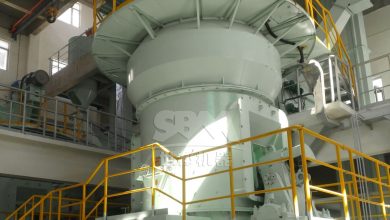
The classic distinctions between these mill types have blurred with technological advancement. Today’s market offers highly evolved machines that address the limitations of their predecessors. For instance, modern vertical roller mills (VRMs) and advanced pendulum mills incorporate features like:
- Hydraulic roller pressing systems for optimized grinding pressure.
- High-efficiency, dynamic classifiers for precise particle size cuts.
- Intelligent PLC control systems for stable operation and remote monitoring.
- Advanced sealing and negative pressure operation for dust-free, environmentally compliant performance.
Choosing the Right Machine: A Needs-Based Guide
Selecting between a ball mill and a modern roller mill depends on your specific application:
Choose a Ball Mill if:
– Your primary requirement is very high throughput of coarser materials.
– You need to handle wet grinding processes.
– You are grinding abrasive ores where media cost is acceptable.
– Your product fineness requirement is primarily in the 0.1-0.8mm range.
Choose a Modern Raymond/Pendulum or Vertical Roller Mill if:
– Your target is energy-efficient dry grinding to medium and high fineness (45μm to 2500 mesh).
– You prioritize a compact plant layout and lower installation costs.
– You require a consistent product quality with a tight particle size distribution.
– Your materials are medium-hard or non-metallic minerals like limestone, calcite, dolomite, barite, or talc.
Our Recommended Solution: The SCM Series Ultrafine Mill
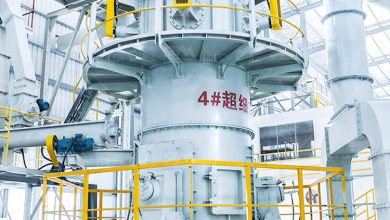
For operations that demand moving beyond traditional Raymond mill fineness into the true ultrafine realm (<20μm or 600 mesh), while maintaining high efficiency, we strongly recommend our flagship SCM Series Ultrafine Mill.
This mill represents the pinnacle of compression-grinding technology, engineered to overcome the limitations of both traditional ball mills and older Raymond mills for superfine powder production.
Why the SCM Series Stands Out:
- Exceptional Fineness & Capacity: It achieves an impressive output range of 325-2500 mesh (45-5μm) with a capacity 2x higher than jet mills, while consuming 30% less energy. This makes it ideal for high-value markets like high-grade coatings, pharmaceuticals, and advanced fillers.
- High-Precision Classification: Its vertical turbine classifier ensures precise particle size cutting, guaranteeing a uniform finished product without coarse powder contamination.
- Unmatched Durability: Constructed with special material rollers and rings and a shaftless screw grinding chamber, it offers several times the service life of conventional components, ensuring stable, long-term operation.
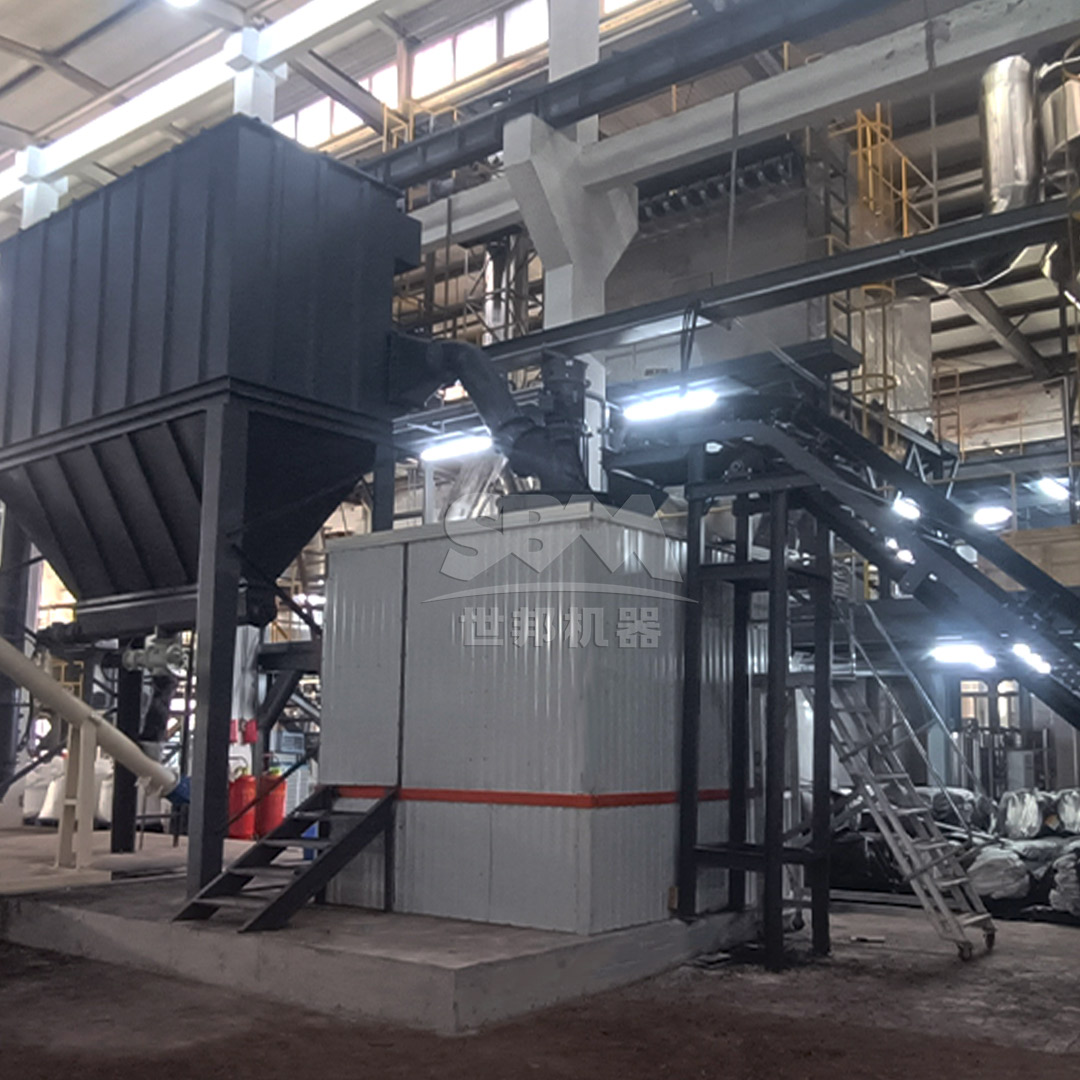
- Eco-Friendly Design: With a pulse dust collection efficiency exceeding international standards and a soundproof room design, it operates cleanly and quietly, meeting the strictest environmental regulations.
For example, the SCM1250 model offers a robust capacity of 2.5-14 tons per hour, powered by a 185kW motor, perfectly suited for medium to large-scale production of ultrafine powders.
Conclusion: A Synergistic Future
The debate is not about which machine is universally “better,” but which is optimal for your specific material, target fineness, capacity, and economic constraints. While ball mills remain indispensable for large-scale, coarse grinding and wet processes, the evolution of roller mill technology—exemplified by machines like our SCM Series Ultrafine Mill—has made them the superior choice for efficient, precise, and environmentally sound dry grinding to medium and superfine levels.
We advise conducting thorough material tests and consulting with our engineering team to match your project’s unique parameters with the perfect grinding solution. Investing in the right technology from the start is the most critical step towards achieving operational excellence and long-term profitability.