
Application of Brucite Ultrafine Grinding Mill in Magnesium Hydroxide Production Process
Introduction
Brucite, a naturally occurring magnesium hydroxide mineral (Mg(OH)₂), is an increasingly important raw material for the production of high-purity magnesium hydroxide, magnesium oxide, and various magnesium chemicals. With the growing demand for flame-retardant magnesium hydroxide in polymers, environmental wastewater treatment, and pharmaceutical applications, the efficient ultrafine grinding of brucite has become a critical step in the production chain. This article explores the application of advanced ultrafine grinding mills in the brucite-to-magnesium hydroxide process, highlighting how equipment selection influences product quality, energy consumption, and overall process economics. We also introduce two flagship products from our company—the SCM Series Ultrafine Mill and the LUM Ultrafine Vertical Roller Mill—which are specifically engineered to meet the rigorous demands of brucite processing.
Brucite as a Precursor for Magnesium Hydroxide
Brucite (Mg(OH)₂) is the mineral form of magnesium hydroxide. In industrial processes, brucite ore is mined, crushed, and then ground to a fine powder. For many applications, especially in flame retardants and specialty chemicals, the brucite must be ultrafine (typically 325 to 2500 mesh, i.e., 45 μm down to 5 μm) to ensure high reactivity, good dispersion, and optimal performance. Ultrafine grinding not only increases the surface area but also enhances the subsequent calcination or chemical conversion steps. In the production of synthetic magnesium hydroxide from brucite, fine grinding facilitates complete hydration or controlled thermal decomposition, leading to high-purity Mg(OH)₂ or MgO products.
Key Requirements for Brucite Ultrafine Grinding
Brucite is a relatively soft mineral (Mohs hardness 2.5–3), but its layered structure and tendency to agglomerate during grinding pose specific challenges. The ideal ultrafine grinding mill for brucite should deliver:
- High fineness and narrow particle size distribution to ensure uniform product quality.
- High capacity with low energy consumption to keep production costs competitive.
- Precise classification to avoid over-grinding and coarse particle contamination.
- Dust-free operation and low noise to meet environmental regulations.
- Reliable wear parts to minimize maintenance downtime.
Our SCM Series Ultrafine Mill and LUM Ultrafine Vertical Roller Mill are designed precisely to address these requirements, offering state-of-the-art solutions for brucite processing.
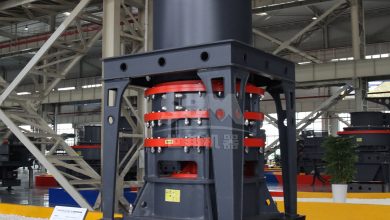
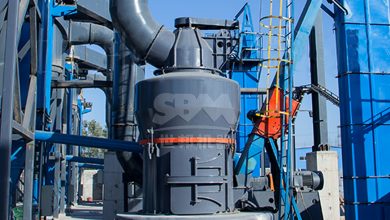
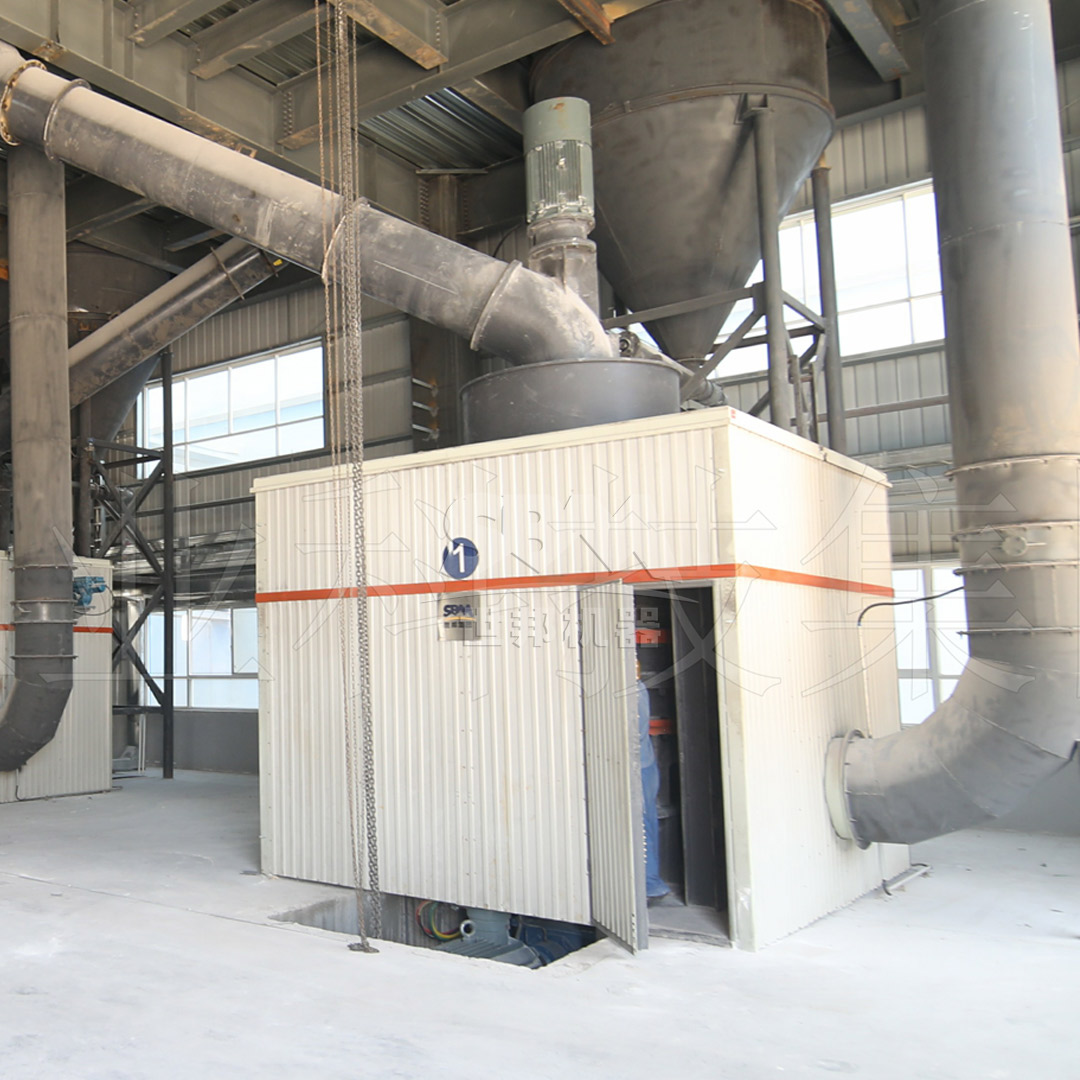
SCM Series Ultrafine Mill: A Proven Solution for Brucite Ultrafine Grinding
The SCM Series Ultrafine Mill is a highly efficient and energy-saving grinding equipment that has been widely applied in the processing of non-metallic minerals, including brucite. With an output fineness adjustable from 325 to 2500 mesh (45–5 μm) and a capacity range of 0.5 to 25 t/h, the SCM mill is ideally suited for both small-scale and large-scale brucite powder production.
Technical Advantages for Brucite Processing:
- High Efficiency & Energy Saving: The SCM mill’s capacity is twice that of a jet mill, while energy consumption is 30% lower. This is particularly beneficial for brucite grinding, where energy costs constitute a significant portion of total production costs.
- High-Precision Classification: The vertical turbine classifier ensures precise particle size cutting, preventing coarse powder from mixing into the finished product. This is crucial for magnesium hydroxide production, where consistent fineness directly impacts reactivity and flame-retardant efficiency.
- Durable Design: Special material rollers and rings extend service life several times over, reducing maintenance frequency. The shaftless screw grinding chamber ensures stable operation, even when processing brucite with varying moisture content.
- Eco-friendly & Low Noise: The pulse dust collection system achieves efficiency exceeding international standards, while the soundproof room design keeps noise levels low. This makes the SCM mill suitable for installation in environmentally sensitive areas.
Working Principle: The main motor drives three layers of grinding rings to rotate. Brucite material is dispersed into the grinding path by centrifugal force, crushed by roller pressure, and ground layer by layer. The powder collection is completed by a cyclone collector and a pulse dust removal system.
Recommended Model for Brucite: For a typical brucite ultrafine grinding plant with a required fineness of 1250 mesh (10 μm) and a capacity of 2–5 t/h, the SCM800 model (capacity 0.5–4.5 t/h, main power 75 kW) or SCM900 model (capacity 0.8–6.5 t/h, main power 90 kW) are excellent choices. For larger operations, the SCM1250 (2.5–14 t/h, 185 kW) or SCM1680 (5–25 t/h, 315 kW) can be selected. The automatic finished product granularity feedback system ensures consistent quality, while the intelligent control reduces operator intervention.
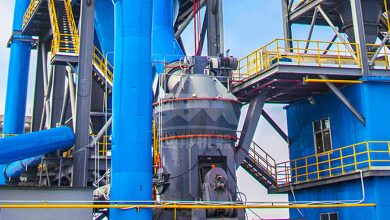
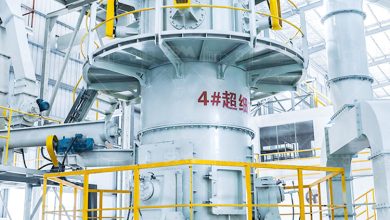
LUM Ultrafine Vertical Roller Mill: Advanced Technology for High-End Brucite Powder
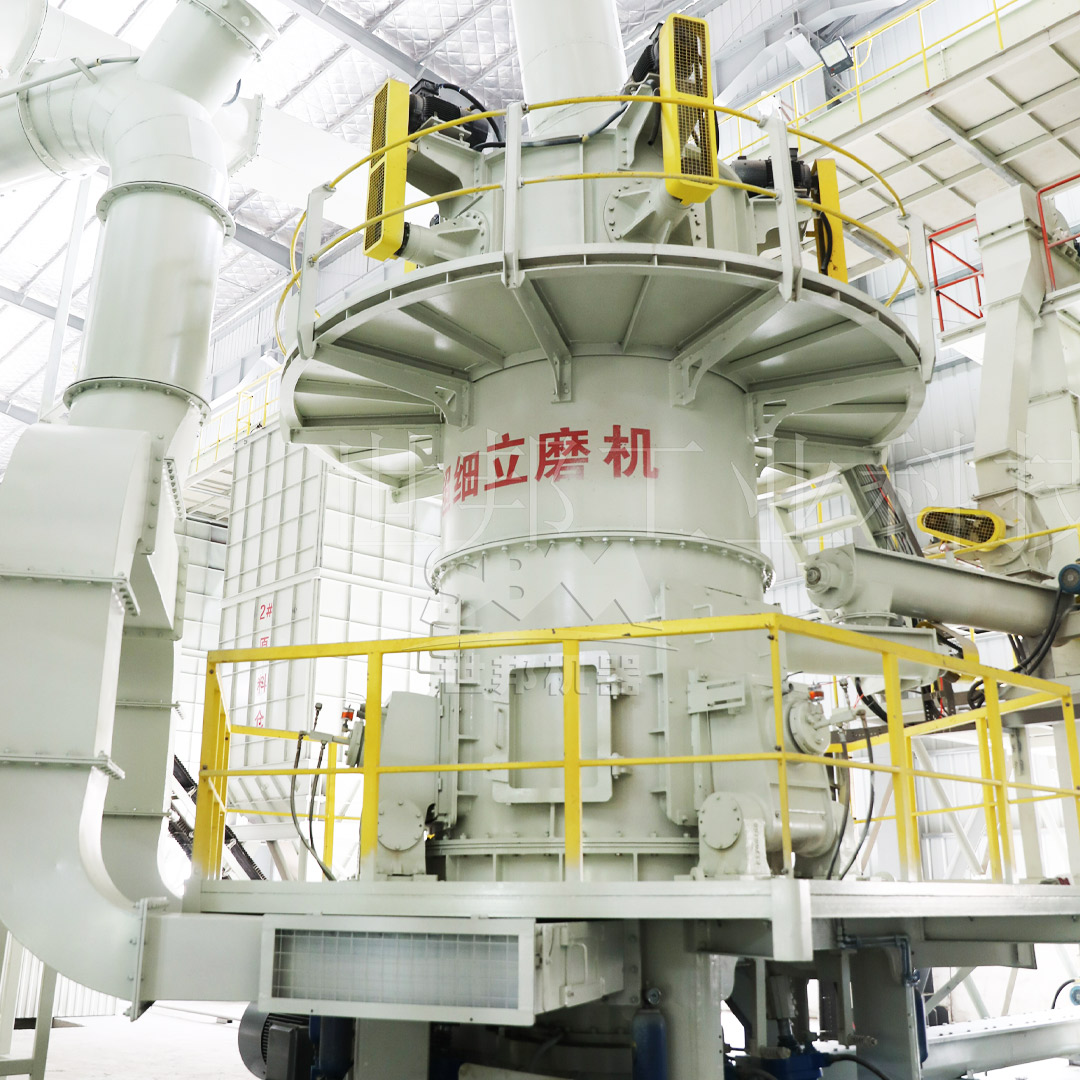
For applications requiring the highest purity and finest particle sizes, the LUM Ultrafine Vertical Roller Mill offers superior performance. With a feed size of 0–20 mm and output fineness ranging from 325 to 2500 mesh, the LUM mill is capable of producing brucite powder down to 5 μm. Its unique roller and liner curves improve grinding efficiency, while the multi-rotor classifying technology ensures no coarse particles escape.
Key Benefits for Brucite Processing:
- Efficient Grinding: The optimized roller/liner profile reduces specific energy consumption and increases throughput.
- Precise Classifying: The multi-rotor classifier provides sharp top-size control, essential for high-quality magnesium hydroxide used in flame retardants.
- Smart Control: The PLC automation system ensures stable operation and allows remote monitoring, reducing labor costs.
- Environmental Compliance: Negative pressure operation prevents dust leakage, and the integrated pulse dust collector meets strict emission standards.
Recommended Models: The LUM1525 (220–250 kW, capacity 1.6–11.5 t/h, fineness 5–30 μm) is ideal for medium-scale brucite processing, while the LUM1632 (280–315 kW, 2–13.5 t/h) and LUM1836 (355–400 kW, 2.3–15 t/h) handle larger capacities. These models are particularly recommended for producing ultrafine brucite for high-value magnesium hydroxide products.
Integration of Brucite Grinding into Magnesium Hydroxide Production
The production of magnesium hydroxide from brucite typically involves the following steps:
- Crushing: Brucite ore is crushed to <20 mm using a hammer mill or jaw crusher.
- Ultrafine Grinding: The crushed brucite is ground to the desired fineness using an SCM or LUM ultrafine mill. The choice between the two depends on the required fineness, capacity, and capital budget.
- Hydration or Calcination: The ultrafine brucite powder may be subjected to controlled hydration to produce high-purity magnesium hydroxide, or calcined to produce magnesium oxide, which can then be hydrated.
- Classification and Packaging: The final product is classified to remove any oversize particles and then packaged.
Both the SCM and LUM mills integrate seamlessly into this process. Their ability to produce narrow particle size distributions and their energy-efficient operation make them indispensable for competitive magnesium hydroxide production.
Case Study: SCM Mill in a Brucite Processing Plant
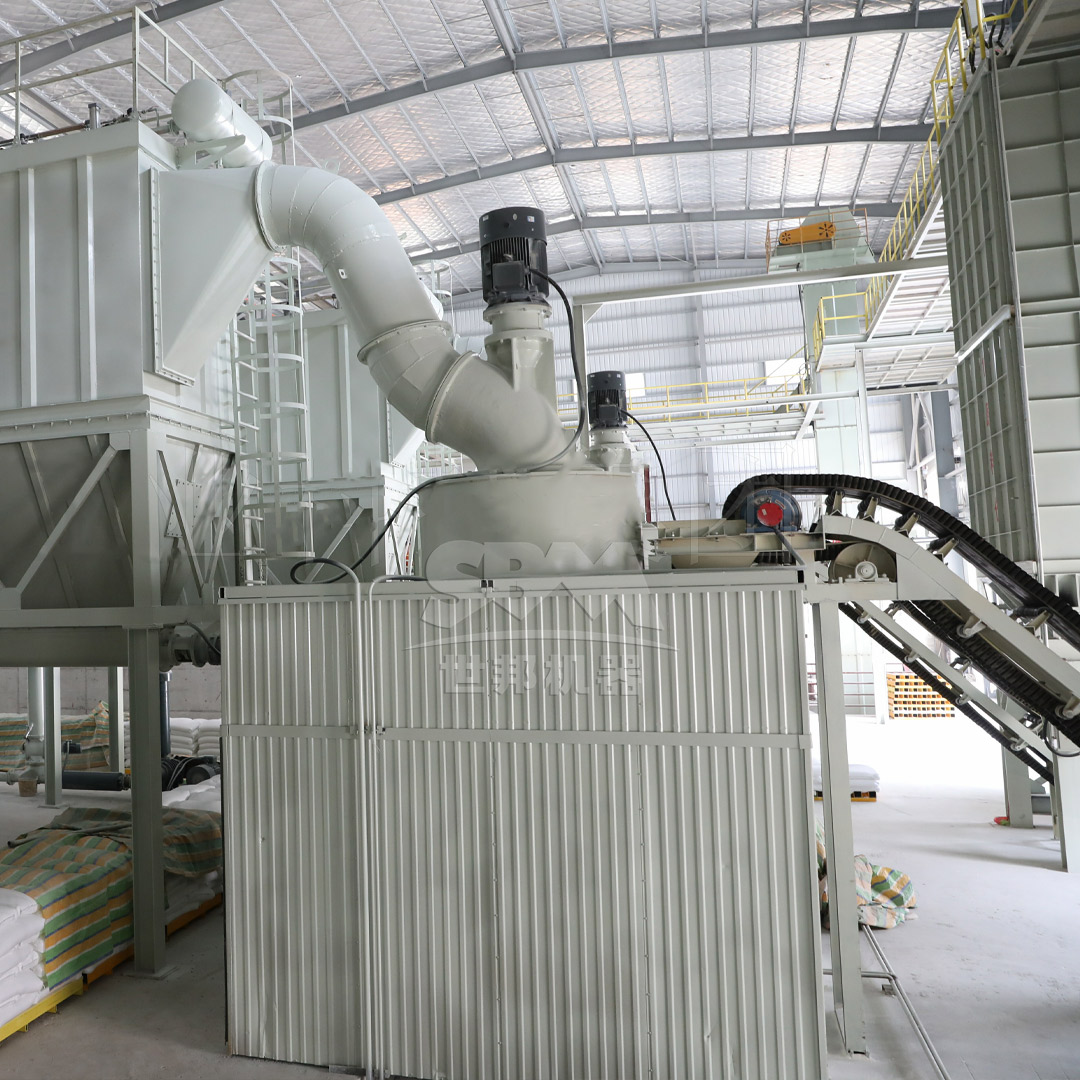
A recent installation in a Chinese brucite processing facility demonstrated the advantages of the SCM Series Ultrafine Mill. The plant required an output of 3 t/h of brucite powder at 1500 mesh (8–10 μm). After installing an SCM900 model, the plant achieved a consistent fineness of 98% passing 10 μm, with an energy consumption of only 65 kWh per ton of product—significantly lower than the 95 kWh/t consumed by the previous jet mill. Maintenance costs were reduced by 40% due to the durable roller and ring design. The pulse dust collector ensured dust emissions below 10 mg/m³, meeting local environmental regulations.
Conclusion
The application of ultrafine grinding mills is a cornerstone of efficient brucite processing for magnesium hydroxide production. The SCM Series Ultrafine Mill and LUM Ultrafine Vertical Roller Mill from our company offer complementary solutions that cover a wide range of capacities and fineness requirements. With their high efficiency, precise classification, durable design, and environmental compliance, these mills enable producers to achieve high-quality brucite powder while minimizing operating costs. As the demand for high-purity magnesium hydroxide continues to grow, investing in advanced grinding technology will be key to staying competitive. For more information on selecting the right mill for your brucite project, please contact our technical team.