What Are the Uses of Silicomanganese Slag After Grinding?
Introduction
Silicomanganese slag is an industrial by-product generated during the production of silicomanganese alloy in submerged arc furnaces. For every ton of silicomanganese produced, approximately 1.2–1.4 tons of slag are generated. Historically, this material was stockpiled or landfilled, causing environmental concerns and occupying valuable land. However, with advancing grinding technologies, silicomanganese slag can be transformed into a valuable resource with numerous applications. This article explores the diverse uses of silicomanganese slag after grinding, highlighting how proper processing unlocks its potential.
Understanding Silicomanganese Slag
Silicomanganese slag is primarily composed of silica (SiO₂), calcium oxide (CaO), alumina (Al₂O₃), and magnesium oxide (MgO), along with residual manganese and iron. Its amorphous or glassy structure, resulting from rapid cooling, contributes to its latent hydraulic properties. When finely ground, typically to 325–2500 mesh, these properties become activated, making the slag suitable for a wide range of industrial applications.
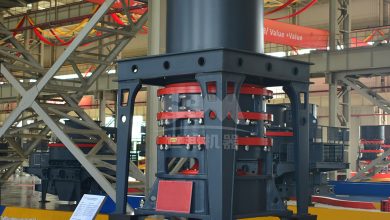
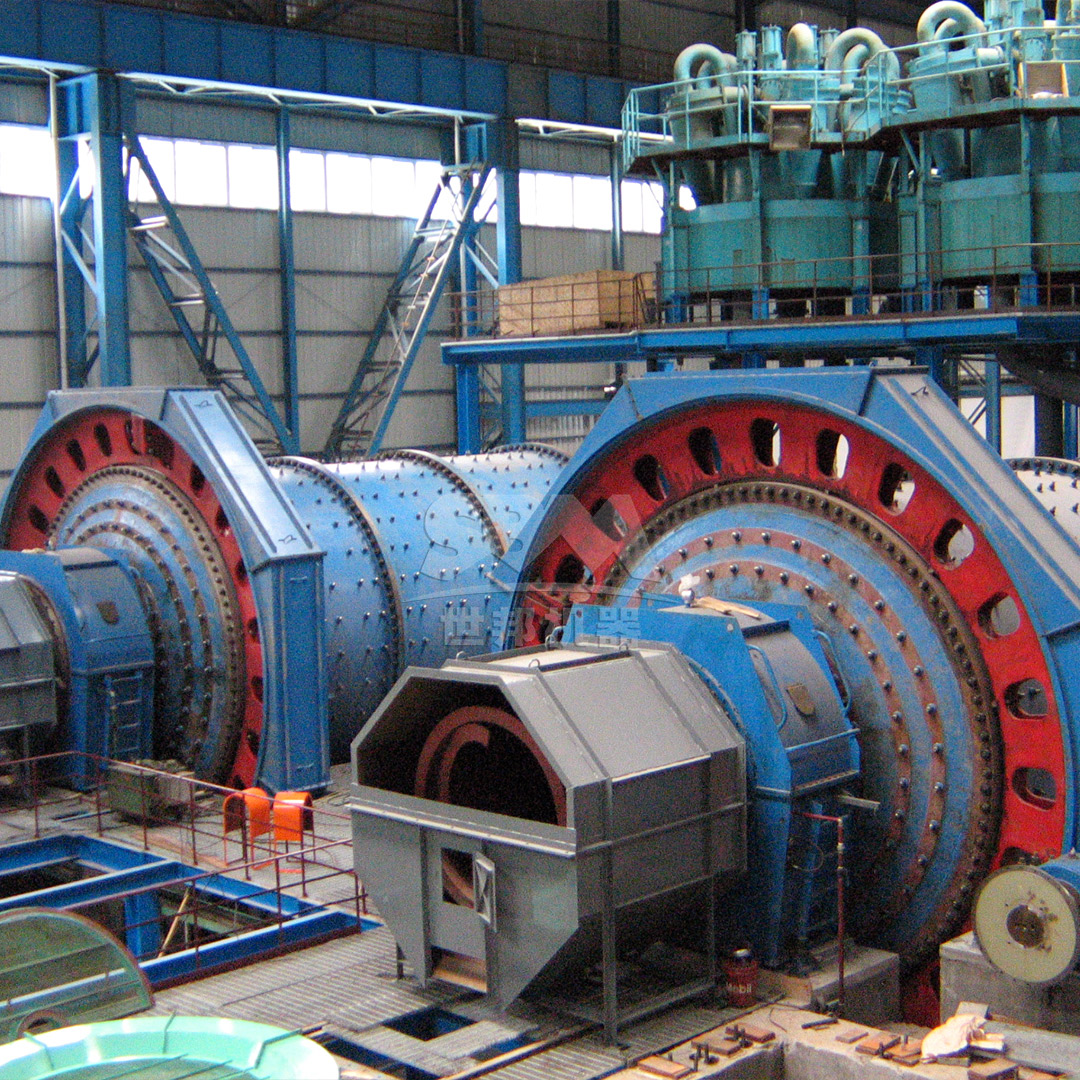
The key to unlocking the value of silicomanganese slag lies in efficient grinding. Traditional ball mills often struggle with the slag’s abrasive nature and high moisture content. Modern ultrafine grinding mills, such as the SCM Series Ultrafine Mill from our company, are specifically designed to handle such challenging materials. With a capacity of 0.5–25 t/h and an output fineness of 325–2500 mesh, the SCM mill ensures high-efficiency pulverization while maintaining uniform particle size distribution.
1. Construction Materials: Cement and Concrete
One of the most significant uses of ground silicomanganese slag is as a supplementary cementitious material (SCM) in concrete. When ground to a fine powder, the slag exhibits pozzolanic activity, reacting with calcium hydroxide to form additional calcium silicate hydrate (C-S-H) gel. This enhances the strength, durability, and chemical resistance of concrete.
Studies have shown that replacing 10–30% of Portland cement with ground silicomanganese slag can improve long-term strength and reduce permeability. This not only lowers construction costs but also reduces the carbon footprint associated with cement production. The MTW Series European Trapezium Mill is an excellent choice for grinding slag for cement applications, offering capacities up to 45 t/h and fineness adjustable from 30 to 325 mesh. Its optimized arc air duct and wear-resistant shovel design ensure low maintenance and consistent product quality.
2. Road Construction and Stabilization
Ground silicomanganese slag can be used as a stabilizing agent for road bases and subgrades. When mixed with lime or cement, the finely ground slag improves the bearing capacity and reduces plasticity of soils. This application is particularly valuable in regions where traditional aggregates are scarce or expensive.
Moreover, the slag’s angular particles and high friction angle make it suitable for asphalt mixtures. When used as a filler, it enhances the stiffness and rutting resistance of asphalt pavements.
3. Production of Geopolymers
Geopolymers are emerging as eco-friendly alternatives to traditional cement. Ground silicomanganese slag, rich in silica and alumina, is an ideal precursor for geopolymer synthesis. When activated with alkaline solutions (e.g., sodium hydroxide and sodium silicate), the slag forms a three-dimensional polymeric network with excellent mechanical properties and fire resistance.
Geopolymers made from silicomanganese slag have shown compressive strengths exceeding 60 MPa, making them suitable for precast structures, fireproof panels, and even nuclear waste encapsulation.
4. Ceramic and Glass Industries
The chemical composition of silicomanganese slag makes it a viable raw material for ceramics and glass. In ceramic tiles, ground slag can partially replace feldspar and clay, reducing firing temperatures and energy consumption. In glass manufacturing, the slag provides silica, calcium, and aluminum, while its manganese content can act as a colorant, producing amber or brown glass.
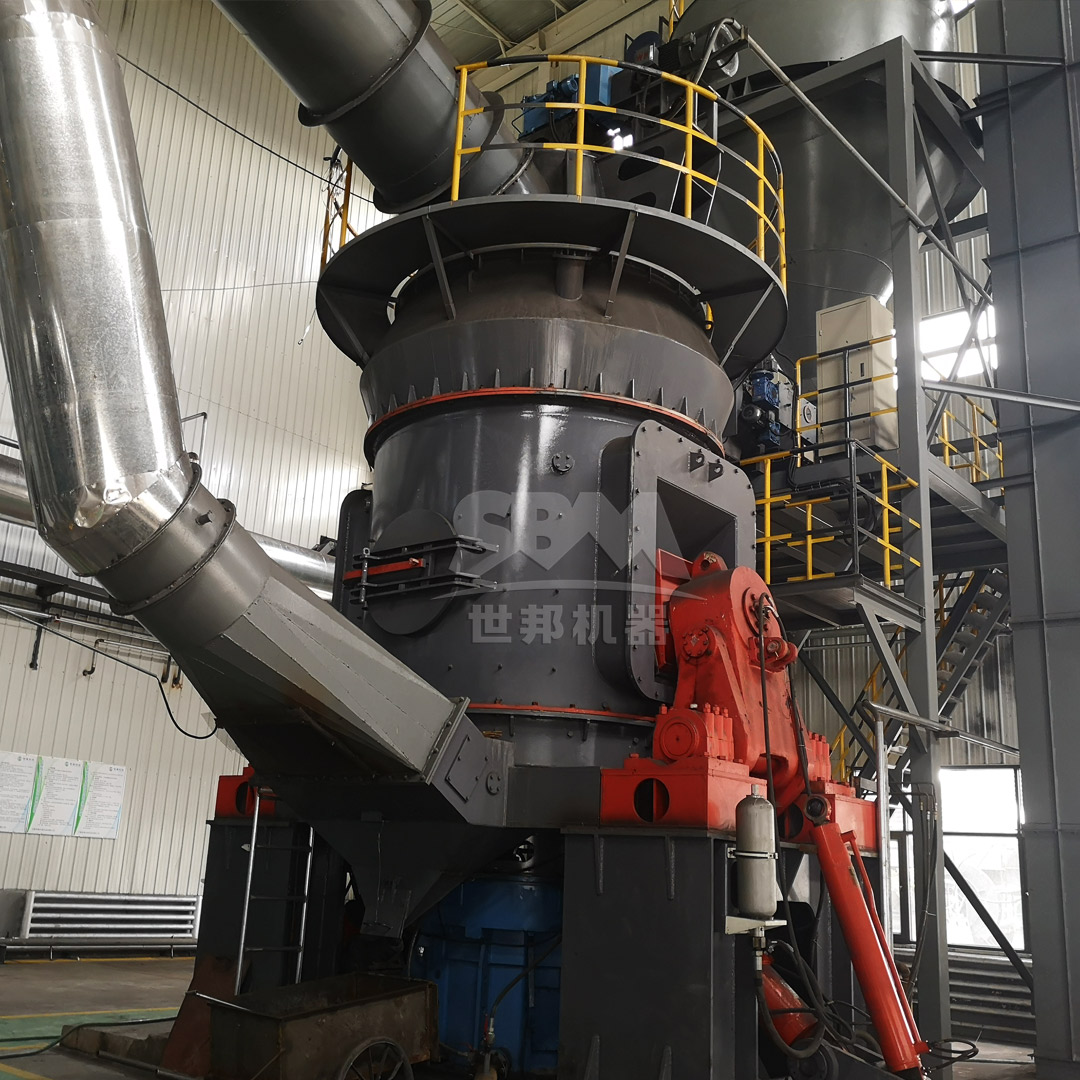
However, for these applications, the slag must be ground to a very fine particle size, typically below 45 μm. Ultrafine grinding mills like the LUM Ultrafine Vertical Roller Mill (fineness 325–2500 mesh) are well-suited for producing such fine powders with minimal contamination.
5. Recovery of Manganese and Other Metals
Silicomanganese slag often contains residual manganese (5–15%) and iron, which can be recovered through further processing. After grinding, the slag can undergo magnetic separation or leaching to extract these valuable metals. The fine grinding liberates the metal particles from the slag matrix, improving recovery rates.
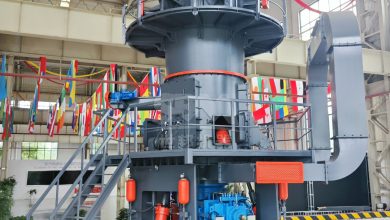
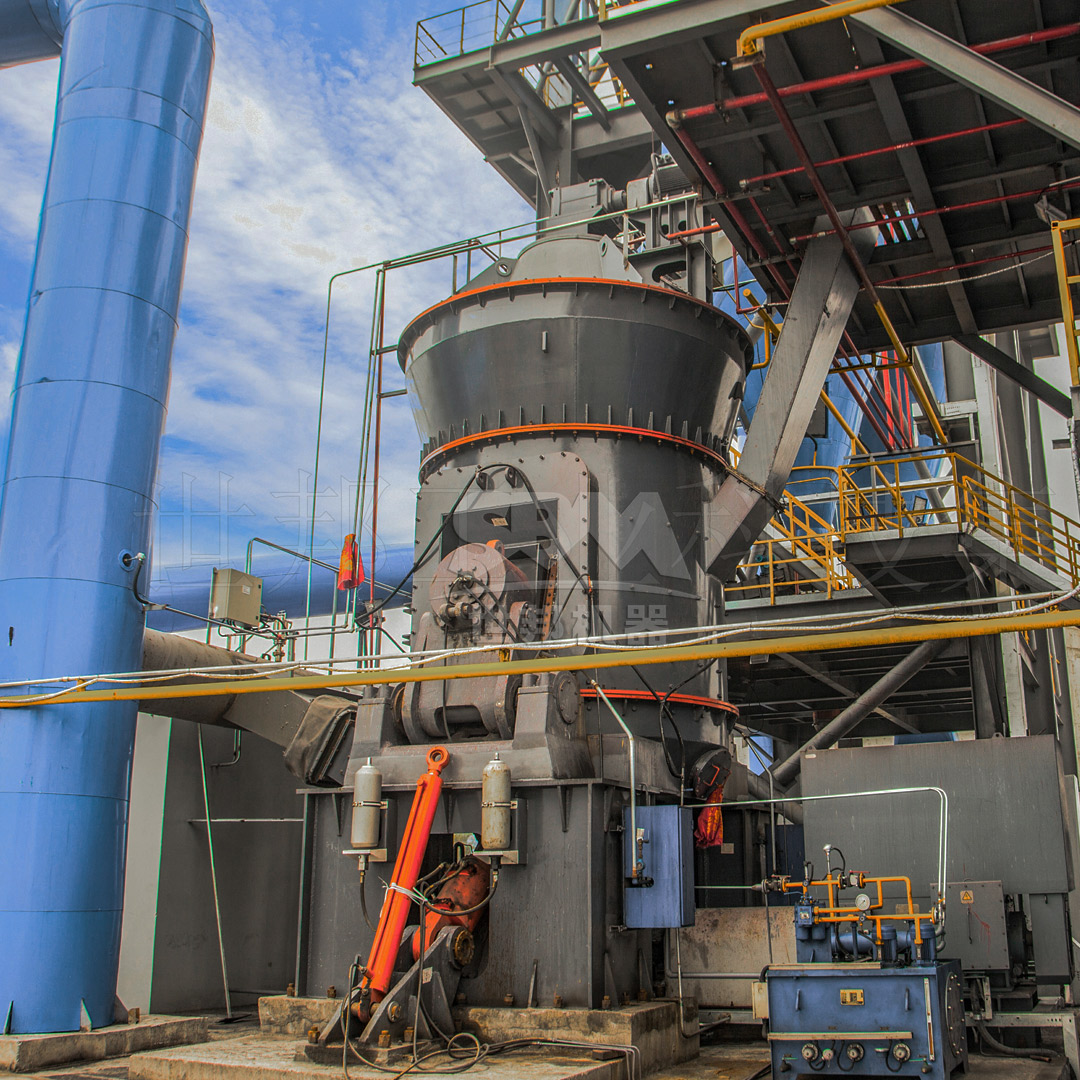
For metal recovery, a ball mill or a vertical roller mill can be used to achieve the required liberation size. Our LM Series Vertical Roller Mill offers capacities up to 250 t/h and fineness down to 600 mesh, making it an efficient choice for large-scale slag processing.
6. Soil Amendment and Fertilizer
Ground silicomanganese slag can be used as a soil amendment, particularly in acidic soils. Its calcium and magnesium content helps neutralize soil acidity, while silica improves soil structure and plant resistance to diseases. Additionally, the slow release of manganese and other micronutrients can correct deficiencies in crops.
For agricultural applications, the slag should be ground to 100–200 mesh to ensure proper reactivity and ease of application.
7. Wastewater Treatment
Recent research has explored the use of ground silicomanganese slag as an adsorbent for heavy metals and dyes in wastewater. The slag’s high surface area and porous structure, especially after fine grinding, enable effective adsorption of pollutants such as lead, cadmium, and methylene blue. This low-cost material offers a sustainable solution for industrial wastewater treatment.
8. Filler in Polymer Composites
Ground silicomanganese slag can serve as an inorganic filler in polymer composites, improving mechanical properties and reducing costs. Its hardness and thermal stability make it suitable for applications in automotive parts, pipes, and construction panels. Silane coupling agents are often used to enhance the interfacial bonding between the slag and polymer matrix.
Conclusion
The grinding of silicomanganese slag transforms a problematic waste into a valuable resource with applications spanning construction, metallurgy, agriculture, and environmental protection. The key to realizing this potential is selecting the right grinding equipment that can efficiently reduce the slag to the required fineness while minimizing energy consumption and wear.
Our company offers a range of advanced grinding mills tailored for slag processing. The SCM Series Ultrafine Mill excels in producing ultrafine powders (325–2500 mesh) with high efficiency and energy savings, ideal for cement and geopolymer applications. For larger capacities and coarser grinding, the MTW Series European Trapezium Mill provides robust performance and low maintenance. By investing in the right grinding technology, industries can not only reduce environmental impact but also create new revenue streams from silicomanganese slag.