Top 55 Industries and Their Preferred Types of Calcium Carbonate
Introduction: The Ubiquitous Mineral
Calcium carbonate (CaCO3) is one of the most abundant and versatile minerals on Earth. Its applications span from the foundational construction of our cities to the intricate formulations of modern pharmaceuticals and high-tech materials. The performance of calcium carbonate in any given application is intrinsically linked to its physical properties—primarily particle size (fineness), particle size distribution (PSD), brightness, and purity. These properties are, in turn, determined by the source (ground calcium carbonate/GCC or precipitated calcium carbonate/PCC) and, critically, the grinding and classification technology used to process it.
This article explores the preferred types of calcium carbonate across 55 key industries, detailing the required specifications and linking these needs to the advanced milling solutions that make them possible.
Understanding Calcium Carbonate Specifications
Before delving into specific industries, it’s crucial to understand the key specifications:
- Fineness (Mesh/Microns): Measured in mesh (e.g., 325 mesh, 2500 mesh) or micrometers (μm). Higher mesh numbers indicate finer particles.
- Particle Size Distribution (PSD): The range of particle sizes present. A narrow PSD is often critical for consistency.
- Brightness & Whiteness: Measured on standardized scales, important for paper, paints, and plastics.
- Chemical Purity: The percentage of CaCO3 content, with reduced levels of silica, iron, manganese, etc.
Industry Breakdown: From Coarse to Ultrafine
1. Construction & Building Materials (Industries 1-10)
This sector consumes vast quantities of coarse to medium-fine GCC.
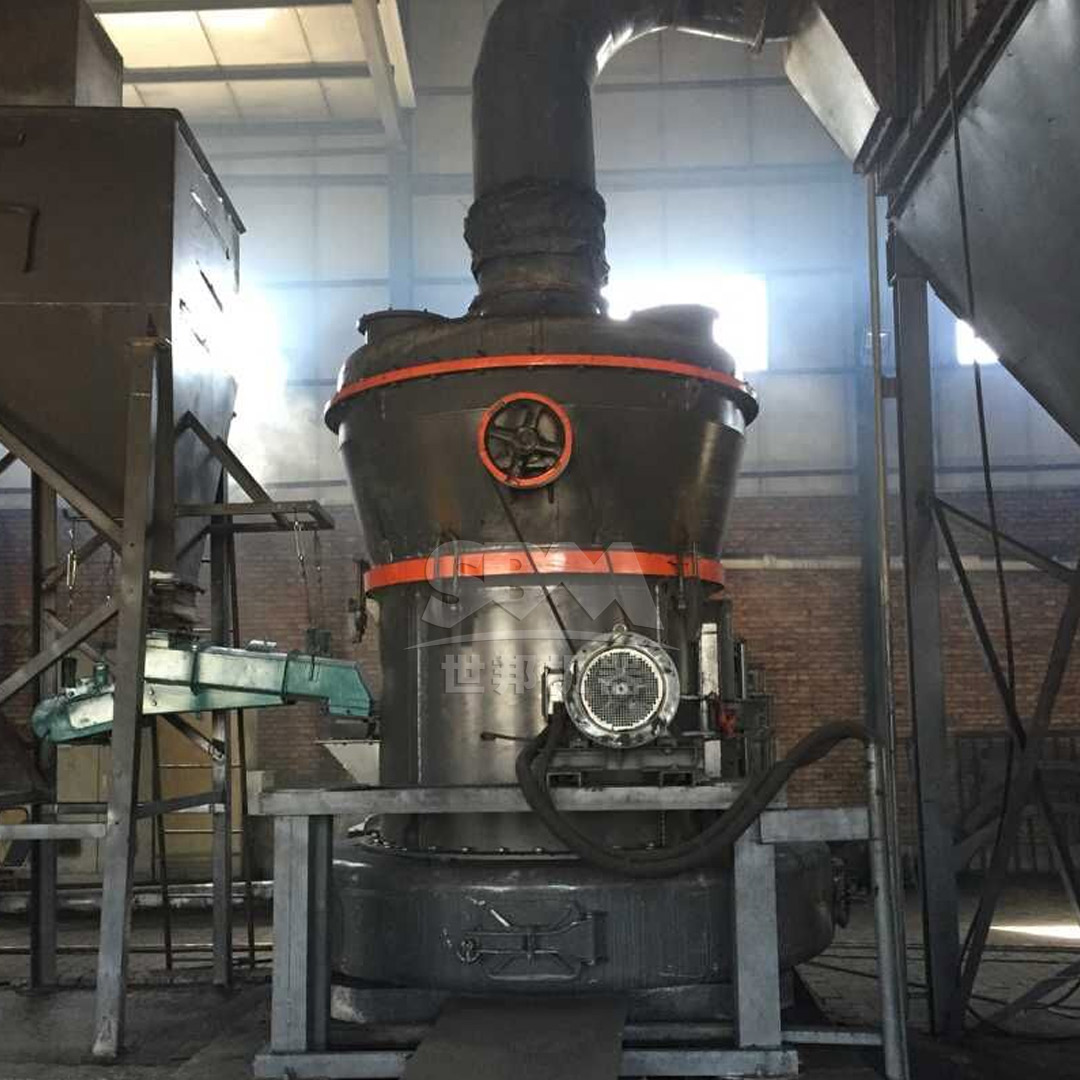
- Concrete & Cement (Filler, Aggregate): Requires 30-100 mesh (600-150μm) material. It acts as a cost-effective filler and influences setting time and strength. High-capacity, robust mills like the MTW Series European Trapezium Mill are ideal, handling up to 45 TPH of ≤50mm feed to produce consistent 30-100 mesh product efficiently.
- Asphalt & Road Paving: Uses 80-200 mesh (180-75μm) to improve density, stability, and resistance to rutting.
- Drywall & Joint Compound: Requires 200-325 mesh (75-45μm) for smooth application and crack resistance.
- Paints & Coatings (Architectural): While finer grades exist, architectural paints often use 325-600 mesh (45-10μm) GCC as an extender pigment for sheen control and reinforcement.
- Sealants & Adhesives: Utilize 400-800 mesh (38-18μm) for viscosity control and reinforcement.
2. Plastics & Polymers (Industries 11-20)
A major consumer of fine and ultrafine GCC, where it improves mechanical properties, reduces cost, and enhances surface finish.
- PVC (Pipes, Profiles, Cables): Prefers 600-1250 mesh (10-5μm) with surface treatment. Improves impact strength and heat stability.
- Polypropylene & Polyethylene (Automotive, Packaging): Requires 800-2500 mesh (18-5μm) to increase stiffness, dimensional stability, and opacity. The demand for narrow PSD is high. For producing these high-volume, superfine fillers, the SCM Series Ultrafine Mill is exceptionally capable, achieving fineness up to 2500 mesh (5μm) with high classification precision and energy efficiency up to 30% better than jet mills.
- Engineering Plastics: Uses ultra-high purity, surface-treated GCC at 1500-2500 mesh (10-5μm) for specialized applications.
3. Paper & Packaging (Industries 21-25)
One of the largest markets for both GCC and PCC. GCC is used as a filler, while PCC is often used for coating.
- Paper Filling: Uses 325-800 mesh (45-18μm) GCC to improve opacity, brightness, and printability while reducing fiber cost.
- Paper & Board Coating: Requires ultrafine, high-brightness GCC or PCC in the range of 1250-2500 mesh (10-5μm) for a smooth, glossy printing surface.
4. Paints, Coatings & Inks (Industries 26-30)
Beyond architectural paints, this sector demands high-performance ultrafine grades.
- Industrial & Automotive Coatings: Require 1250-2500 mesh (10-5μm) GCC with narrow PSD for gloss control, durability, and corrosion resistance.
- Printing Inks: Use ultrafine, high-purity GCC (2000+ mesh) to control rheology and improve print quality.
5. Food, Pharmaceutical & Personal Care (Industries 31-40)
Demands the highest levels of purity (often USP/EP grade) and controlled particle size.
- Dietary Supplements & Pharmaceuticals (Antacid, Calcium Source): Use 200-400 mesh (75-38μm) or finer, with strict heavy metal limits.
- Food (Fortification, Acidity Regulator): Similar specifications to pharma, used in baking powder, cereals, etc.
- Toothpaste: Uses very fine, high-brightness GCC (600-1250 mesh) as a mild abrasive.
- Cosmetics (Foundation, Powder): Requires ultrafine, treated GCC (1500-2500 mesh) for smooth texture and spreadability.
6. Adhesives, Sealants & Rubber (Industries 41-45)
- Rubber (Tires, Gaskets, Hoses): Uses 400-1250 mesh (38-10μm) to improve tensile strength, abrasion resistance, and reduce cost.
- Silicone Sealants: Prefer 600-1500 mesh (10-5μm) for reinforcement and thixotropy.
7. Environmental & Chemical Processes (Industries 46-55)
- Flue Gas Desulfurization (FGD): Uses pulverized limestone, typically 100-325 mesh (150-45μm), in scrubber systems.
- Water & Wastewater Treatment: Used for pH adjustment and precipitation of impurities, often in coarse to medium grades.
- Agriculture (Soil Conditioner, Animal Feed): Uses coarse ground limestone (20-100 mesh) to neutralize soil acidity and provide calcium.
- Glass & Ceramics: Requires high-purity, controlled-size GCC as a flux and source of CaO.
- Wire & Cable: Uses fine GCC (800-1250 mesh) in insulation compounds for improved electrical and mechanical properties.
The Engine of Specification: Advanced Milling Technology
Meeting the diverse and stringent requirements of these 55 industries is impossible without state-of-the-art grinding equipment. The choice of mill dictates the achievable fineness, PSD, production capacity, and energy efficiency.
Key Milling Solutions for Calcium Carbonate
For coarse to medium-fine production (30-325 mesh) at very high capacities (up to 45 TPH), such as needed for construction fillers or FGD sorbents, the MTW Series European Trapezium Mill stands out. Its anti-wear shovel design, optimized arc air duct, and integral bevel gear drive (98% transmission efficiency) ensure durable, cost-effective operation for high-tonnage applications.
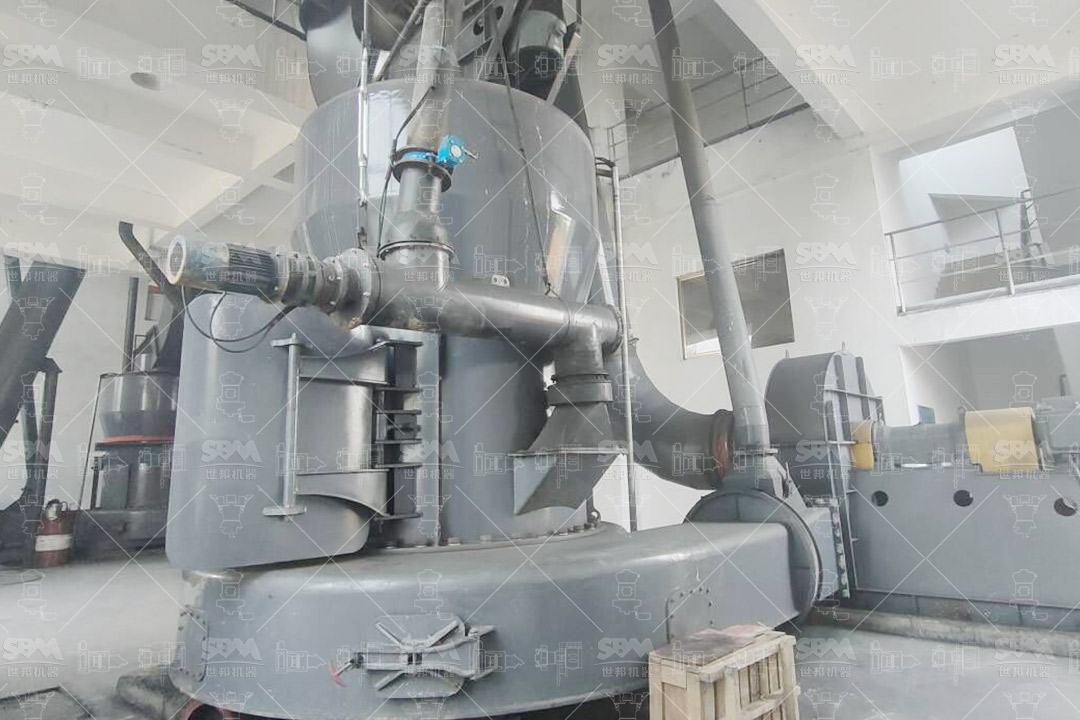
For the high-value, ultrafine markets (325-2500 mesh) like plastics, masterbatch, high-end paints, and coatings, the SCM Series Ultrafine Mill is the technology of choice. Its vertical turbine classifier guarantees precise particle size cuts with no coarse powder mixing, producing uniform, high-quality filler. With a capacity up to 25 TPH and energy consumption 30% lower than traditional jet mills, it offers a superior return on investment for producers targeting specialty chemical and polymer markets.
Conclusion
The journey of calcium carbonate from a raw mineral to a critical component in thousands of products is defined by precision engineering. Each industry’s unique needs—from the coarse filler in asphalt to the nano-sized particle in a premium cosmetic—are met by pairing the right type of calcium carbonate with the appropriate, advanced milling technology. By investing in versatile and efficient grinding solutions like the MTW and SCM series, producers can flexibly serve the broad spectrum of the global market, ensuring their calcium carbonate products meet the exacting standards of quality, consistency, and performance demanded today.