
What Is the Potassium Feldspar Powder Production Process and Which Equipment Is Needed?
Introduction to Potassium Feldspar
Potassium feldspar, also known as K-feldspar, is a common rock-forming mineral belonging to the tectosilicate group. It is an important industrial mineral used extensively in the manufacturing of ceramics, glass, enamels, glazes, and as a filler in paints, plastics, and rubber. Its high potassium content and low melting point make it a valuable flux in ceramic bodies and glazes. To utilize potassium feldspar in these industries, it must be processed into fine powder of specific particle sizes. This article provides a comprehensive overview of the potassium feldspar powder production process and the equipment required, with a focus on efficient and reliable grinding solutions.
Overview of the Potassium Feldspar Powder Production Process
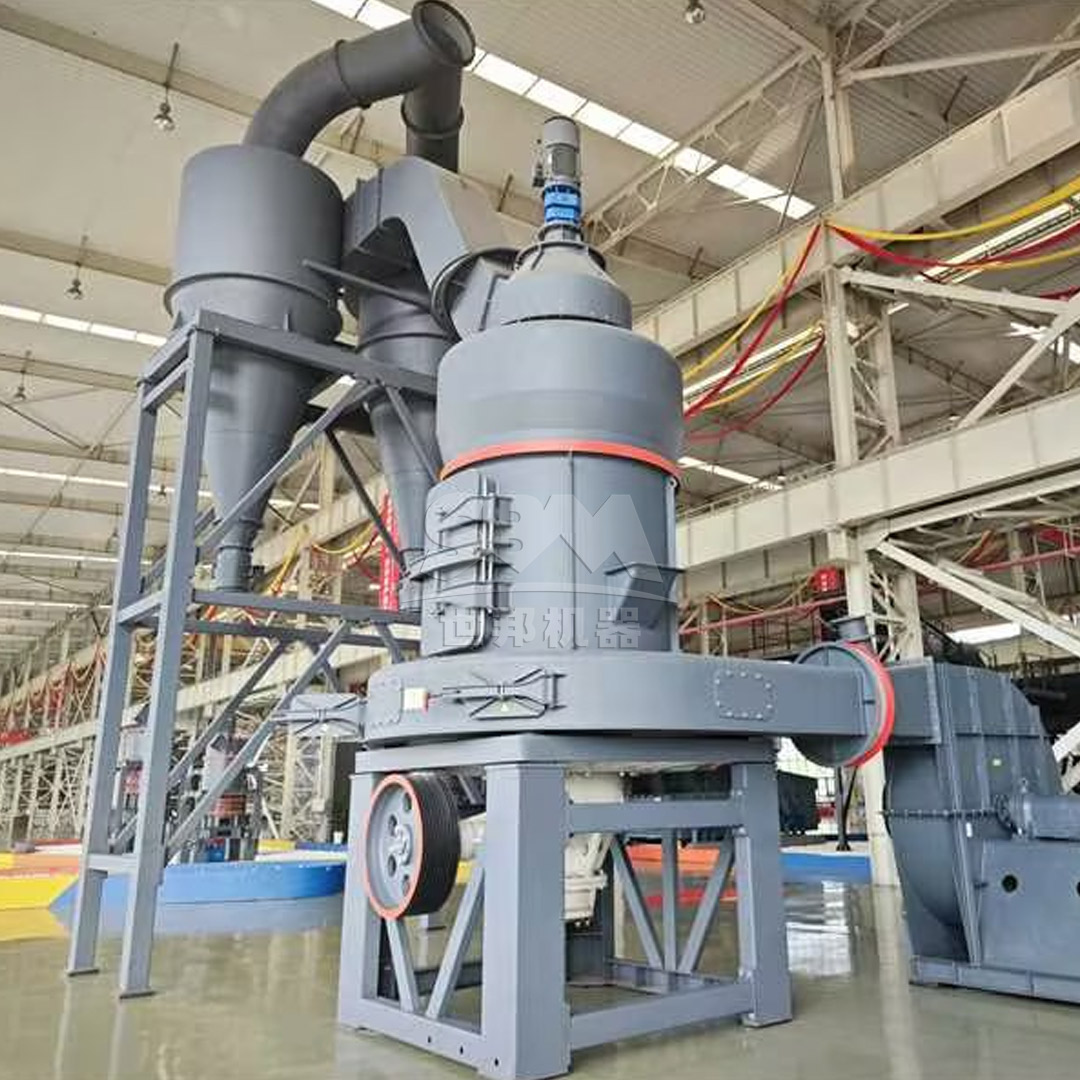
The production of potassium feldspar powder involves several stages: mining, crushing, grinding, classification, and collection. Depending on the final application, the process may also include beneficiation to remove impurities such as iron, mica, and quartz. The general flow diagram is as follows:
1. Mining and Crushing
Raw potassium feldspar ore is extracted from quarries and transported to the processing plant. The ore is first crushed by jaw crushers or hammer crushers to reduce the size to approximately 20-50 mm. Hammer mills are often used for secondary crushing to achieve a finer feed size of 0-3 mm, preparing the material for the grinding stage.
2. Grinding
Grinding is the core step in potassium feldspar powder production. The crushed material is fed into a grinding mill to be reduced to the desired fineness, typically ranging from 45 μm to 2500 mesh (5 μm) depending on the application. Common grinding equipment includes ball mills, Raymond mills (pendulum mills), vertical roller mills, and ultrafine mills. The choice of mill depends on the required fineness, capacity, and energy efficiency.
3. Classification
After grinding, the material is classified by air classifiers or screens to separate the fine powder from coarse particles. Coarse particles are returned to the mill for further grinding, while the fine product is collected. Modern grinding mills often integrate dynamic classifiers for precise particle size control.
4. Collection
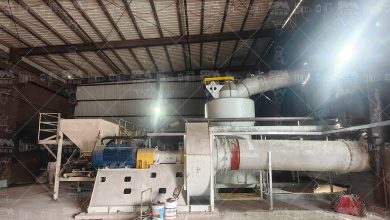
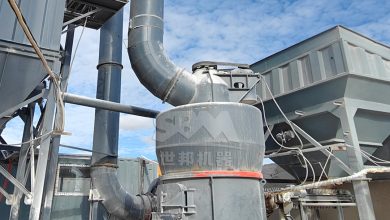
The finished powder is collected using cyclone collectors and pulse dust removal systems. This ensures a clean working environment and minimizes material loss. The collected powder is then packaged for shipment.
5. Beneficiation (Optional)
For high-purity applications, beneficiation processes such as magnetic separation, flotation, and acid leaching may be employed to remove iron and other impurities. This step is often integrated into the grinding circuit or performed separately.
Key Equipment for Potassium Feldspar Powder Production
Selecting the right equipment is crucial for achieving high productivity, energy efficiency, and product quality. Below we highlight two advanced grinding mills from our company that are particularly suitable for potassium feldspar processing.
SCM Series Ultrafine Mill: For High-Fineness Applications
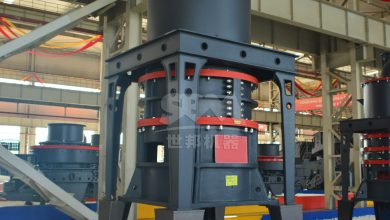
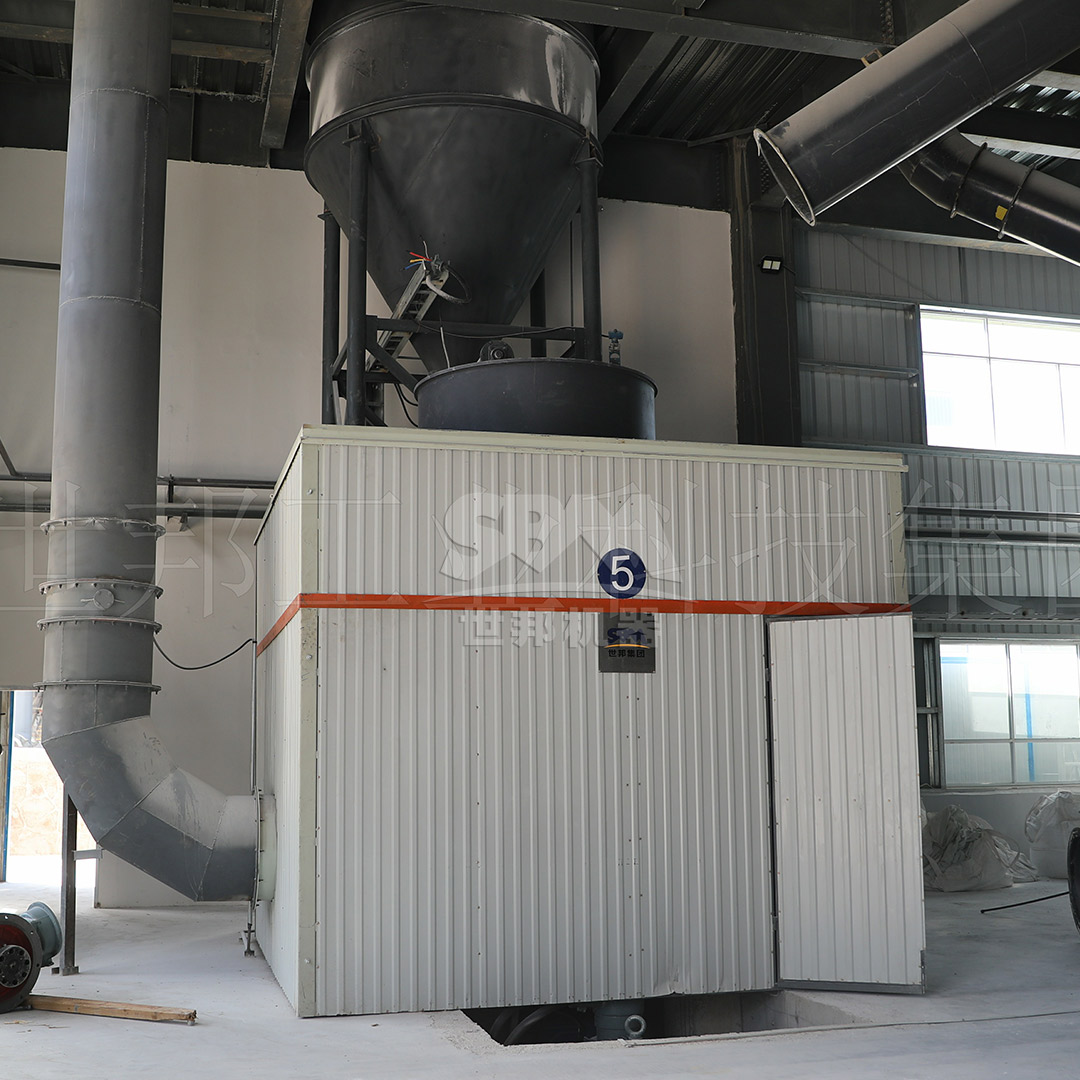
The SCM Series Ultrafine Mill is an ideal choice for producing ultrafine potassium feldspar powder (325-2500 mesh). It features high efficiency and energy saving, with a capacity twice that of jet mills and 30% lower energy consumption. The vertical turbine classifier ensures precise particle size cutting, preventing coarse powder mixing and guaranteeing uniform finished products. The durable design with special material rollers and rings extends service life, while the shaftless screw grinding chamber ensures stable operation. The pulse dust collection system exceeds international standards for dust removal efficiency, and the soundproof room design keeps noise levels low.
With models ranging from SCM800 (0.5-4.5 t/h) to SCM1680 (5-25 t/h), the SCM Series can meet various production capacity requirements. Its working principle involves three layers of grinding rings driven by the main motor, with materials dispersed by centrifugal force and crushed by roller pressure layer by layer. The powder collection is completed by a cyclone collector and pulse dust removal system. For potassium feldspar, this mill can produce powders suitable for high-end ceramics and glazes.
MTW Series European Trapezium Mill: For Versatile and Efficient Grinding
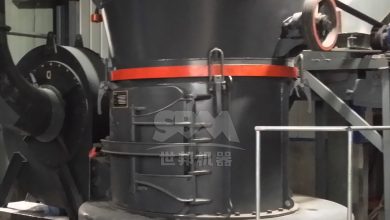
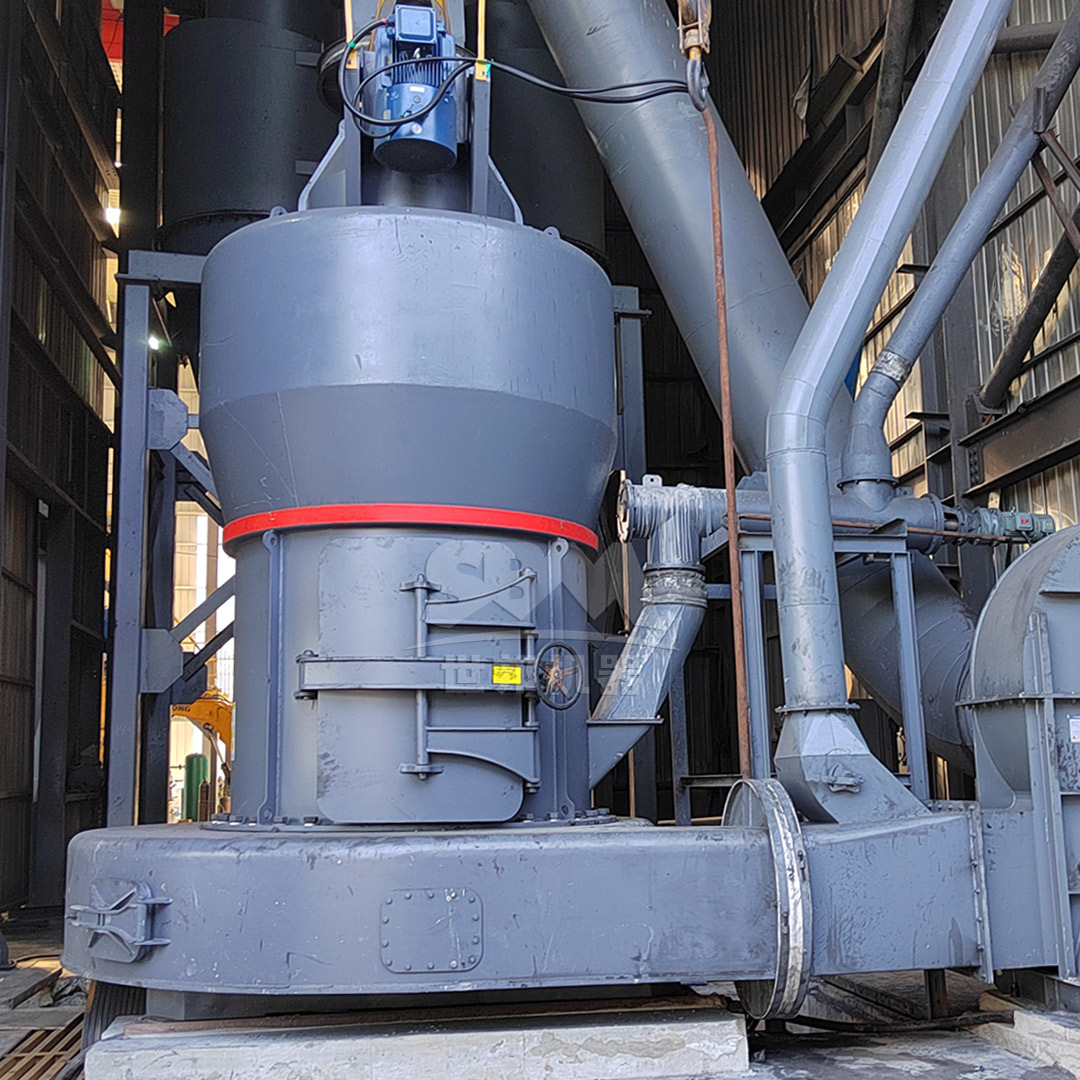
The MTW Series European Trapezium Mill is a versatile grinding solution for potassium feldspar, offering fineness from 30 to 325 mesh (down to 0.038mm) and capacities from 3 to 45 t/h. It incorporates an anti-wear shovel design that reduces maintenance costs and extends roller life. The optimized arc air duct reduces airflow energy loss and improves transmission efficiency. The integral bevel gear drive achieves transmission efficiency up to 98%, saving space and reducing installation costs. The wear-resistant volute structure features a non-resistance flow design that improves air selection efficiency and reduces maintenance costs by 30%.
The MTW Series is available in several models, including MTW110 (3-9 t/h), MTW138Z (6-17 t/h), and MTW215G (15-45 t/h), among others. It is also equipped with patented technology such as an internal suction oil lubrication system and internationally advanced pulse dust removal technology. For potassium feldspar producers requiring medium to fine powder with high efficiency, the MTW Series is an excellent choice.
Other Equipment in the Production Line
In addition to the grinding mills, a complete potassium feldspar powder production line requires:
- Crushers: Jaw crushers for primary crushing and hammer mills for secondary crushing to prepare feed material.
- Feeders: Vibrating feeders or belt feeders to ensure continuous and uniform feeding.
- Classifiers: Air classifiers or vibrating screens for precise particle size separation.
- Dust Collectors: Pulse jet dust collectors to maintain a clean environment and recover fine powder.
- Conveyors: Belt conveyors, bucket elevators, and screw conveyors for material transport.
- Packaging Machines: Automatic packing machines for finished powder.
Selection Criteria for Grinding Equipment
When choosing a grinding mill for potassium feldspar, consider the following factors:
- Required Fineness: Determine the final particle size needed for your application. Ultrafine mills like the SCM Series are suitable for high-value products, while trapezium mills like the MTW Series are more economical for medium fineness.
- Production Capacity: Match the mill’s capacity to your expected output. Models range from small-scale (0.5 t/h) to large-scale (45 t/h or more).
- Energy Efficiency: Grinding is energy-intensive; choose equipment with low energy consumption per ton of product.
- Maintenance and Wear Parts: Consider the cost and availability of wear parts. Mills with durable rollers and liners reduce downtime and maintenance costs.
- Environmental Compliance: Ensure the equipment meets local dust emission and noise regulations. Pulse dust collectors and soundproof designs are important.
- Automation and Control: Modern mills with intelligent control systems improve product consistency and reduce manual intervention.
Conclusion
The production of potassium feldspar powder is a multi-stage process that requires careful selection of equipment to achieve desired product quality and operational efficiency. Crushing, grinding, classification, and collection are the key steps. Among the grinding equipment, our company’s SCM Series Ultrafine Mill and MTW Series European Trapezium Mill offer advanced features and reliable performance for potassium feldspar processing. The SCM Series excels in producing ultrafine powder with high efficiency, while the MTW Series provides versatile grinding with low maintenance costs. By choosing the right equipment and optimizing the process, manufacturers can produce high-quality potassium feldspar powder for a wide range of industrial applications.
For more information on our grinding mills and complete production line solutions, please contact our technical team. We are committed to providing tailored solutions to meet your specific needs.