
Dolomite Powder Production of Magnesium Hydroxide: Process Flow and Grinding Equipment Guide
Introduction
Magnesium hydroxide (Mg(OH)₂) is a versatile chemical compound widely used in flame retardants, wastewater treatment, pharmaceuticals, and as a precursor for magnesium oxide. One of the most abundant natural sources for magnesium is dolomite, a double carbonate of calcium and magnesium (CaMg(CO₃)₂). Producing high-purity magnesium hydroxide from dolomite powder involves a series of carefully controlled chemical and physical processes, with grinding being a critical step that determines reactivity, purity, and downstream performance. This article provides a comprehensive guide to the dolomite-to-magnesium hydroxide process flow and offers insights into selecting the appropriate grinding equipment for optimal results.
Why Dolomite for Magnesium Hydroxide?
Dolomite is preferred for magnesium hydroxide production due to its relatively high magnesium content (theoretically about 13.2% Mg by weight, or 21.7% MgO) and its widespread availability. Unlike magnesite (MgCO₃), dolomite is often more economical and can be calcined to produce a mixture of magnesium oxide and calcium oxide, which is then selectively leached to recover magnesium. The key advantage lies in the ability to separate magnesium from calcium through controlled hydration and carbonation steps. However, the efficiency of these steps depends heavily on the particle size and surface area of the dolomite powder—finer powders react faster and more completely, but over-grinding can lead to excessive energy consumption and impurity pickup.
Process Flow for Magnesium Hydroxide from Dolomite
1. Calcination
Crushed dolomite (typically 10–50 mm) is calcined in a rotary or shaft kiln at 900–1100°C. The carbonate decomposes into magnesium oxide (MgO) and calcium oxide (CaO):
CaMg(CO₃)₂ → CaO + MgO + 2CO₂
Calcination conditions (temperature, residence time, atmosphere) affect the crystallinity and reactivity of the resulting oxides. Soft-burned MgO is more reactive but may contain residual carbonate, while hard-burned MgO is less reactive but more stable.
2. Hydration and Leaching
The calcined product (calcine) is hydrated with water to form magnesium hydroxide and calcium hydroxide:
CaO + H₂O → Ca(OH)₂
MgO + H₂O → Mg(OH)₂
Because calcium hydroxide is more soluble than magnesium hydroxide, a selective leaching step is often employed. In some processes, the hydrated slurry is treated with carbon dioxide to convert calcium hydroxide to calcium carbonate (CaCO₃), which precipitates, while magnesium hydroxide remains in suspension or is later precipitated. Alternatively, ammonium chloride or other leaching agents can be used to selectively dissolve magnesium as magnesium chloride, followed by precipitation with alkali.
3. Separation and Purification
The slurry undergoes solid-liquid separation (filtration, centrifugation) to remove calcium-rich solids. The magnesium-rich liquor is further purified to remove iron, silica, and other impurities. This may involve pH adjustment, oxidation, and ion exchange.
4. Precipitation of Magnesium Hydroxide
Magnesium hydroxide is precipitated by adding a base (e.g., sodium hydroxide, ammonia) to the purified magnesium solution, or by controlled hydration of magnesium oxide. The precipitation conditions (temperature, pH, addition rate) determine particle size, morphology, and purity. For high-purity applications, the precipitate is washed and dried.
5. Drying and Grinding of Final Product
The wet magnesium hydroxide filter cake is dried at moderate temperatures (below 300°C to avoid decomposition) and then milled to the desired particle size. For flame retardant applications, a fine, uniform powder (typically 1–10 μm) is required, which demands efficient grinding and classification equipment.
Role of Grinding in the Process
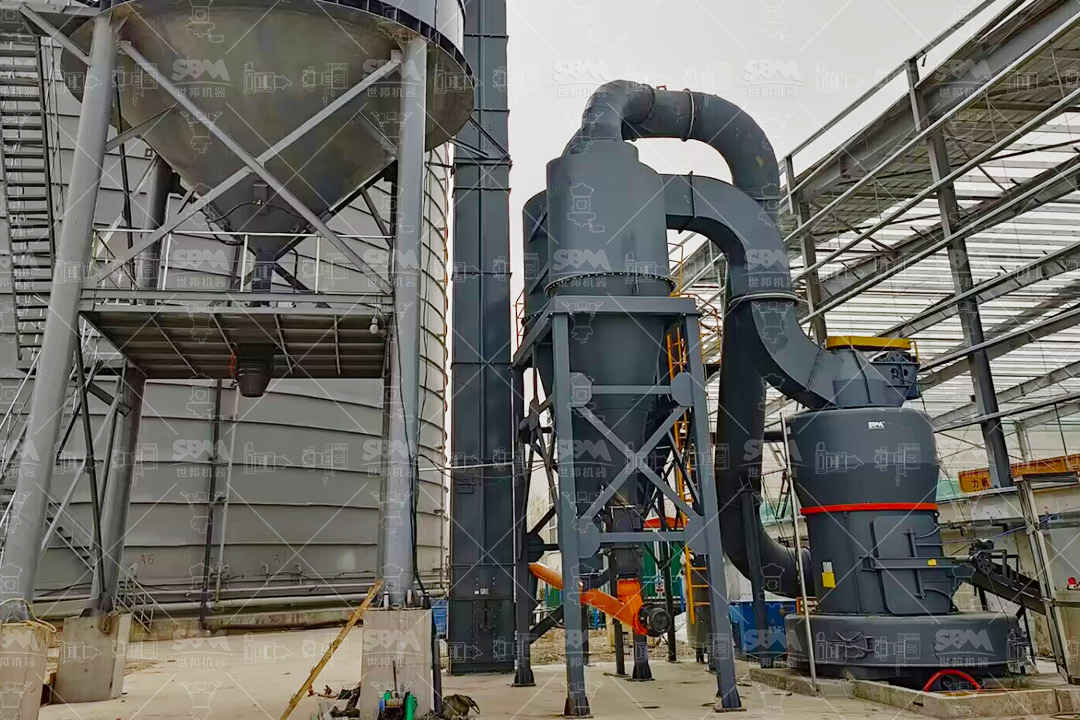
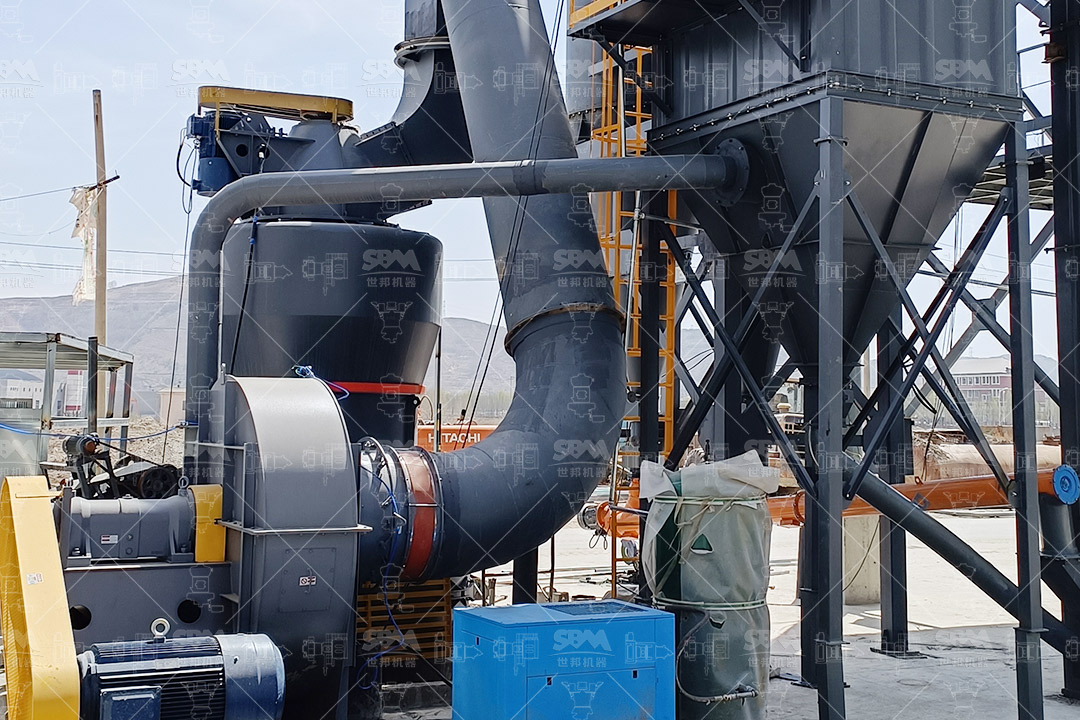
Grinding is involved at two critical points: (1) grinding of raw dolomite before calcination, and (2) grinding of the final magnesium hydroxide product. In some flowsheets, the calcined dolomite is also ground before hydration to increase surface area. The choice of grinding equipment depends on the required fineness, capacity, and material characteristics (hardness, moisture, abrasiveness).
For raw dolomite, coarse grinding (e.g., to 0–3 mm or 0–20 mm) is often sufficient for calcination, and a hammer mill or ball mill can be used. However, for the final magnesium hydroxide powder, ultrafine grinding (down to 5–45 μm or finer) is frequently needed to achieve the desired reactivity and dispersion. In such cases, advanced mills with precise classification are essential.
Selecting the Right Grinding Equipment
When selecting a mill for dolomite or magnesium hydroxide grinding, consider the following:
- Target fineness: 325–2500 mesh (45–5 μm) for ultrafine grades; 30–325 mesh for standard grades.
- Capacity: from lab-scale to 45 t/h or more.
- Energy efficiency: grinding is energy-intensive; mills with low specific power consumption reduce operating costs.
- Contamination control: for high-purity Mg(OH)₂, wear parts should be made of materials that minimize iron pickup.
- System integration: classifiers, dust collectors, and feeders should be matched to the mill for stable operation.
Among the various mill types, vertical roller mills and ultrafine mills are particularly suited for dolomite processing because they combine grinding, drying (if hot gas is used), and classification in a single unit, reducing footprint and energy consumption.
Recommended Equipment from Our Portfolio
Based on the specific requirements of dolomite grinding for magnesium hydroxide production, we recommend two of our flagship products:
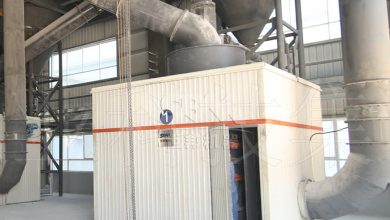
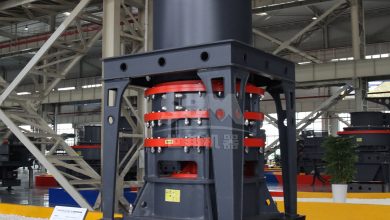
SCM Series Ultrafine Mill (45–5 μm)
The SCM Series is ideal for producing ultrafine magnesium hydroxide powder. With output fineness adjustable from 325 to 2500 mesh (45–5 μm), it meets the stringent particle size requirements for flame retardants and specialty chemicals. Key advantages include:
- High efficiency: capacity is twice that of jet mills, with 30% lower energy consumption.
- Precise classification: the vertical turbine classifier ensures no coarse powder mixing, yielding a uniform product.
- Durable design: special material rollers and rings extend service life, while the shaftless screw grinding chamber ensures stable operation.
- Eco-friendly: pulse dust collection exceeds international standards, and noise is minimized by soundproofing.
Available models range from SCM800 (0.5–4.5 t/h) to SCM1680 (5–25 t/h), with main power from 75 kW to 315 kW. For a typical magnesium hydroxide plant producing 5 t/h of 10 μm powder, the SCM1250 (2.5–14 t/h) would be a suitable choice.
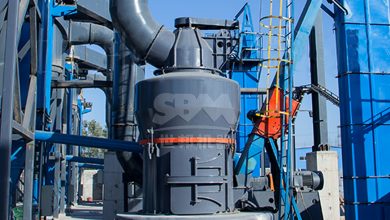
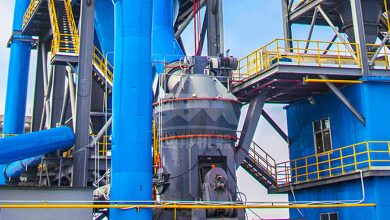
LM Series Vertical Roller Mill (30–325 mesh)
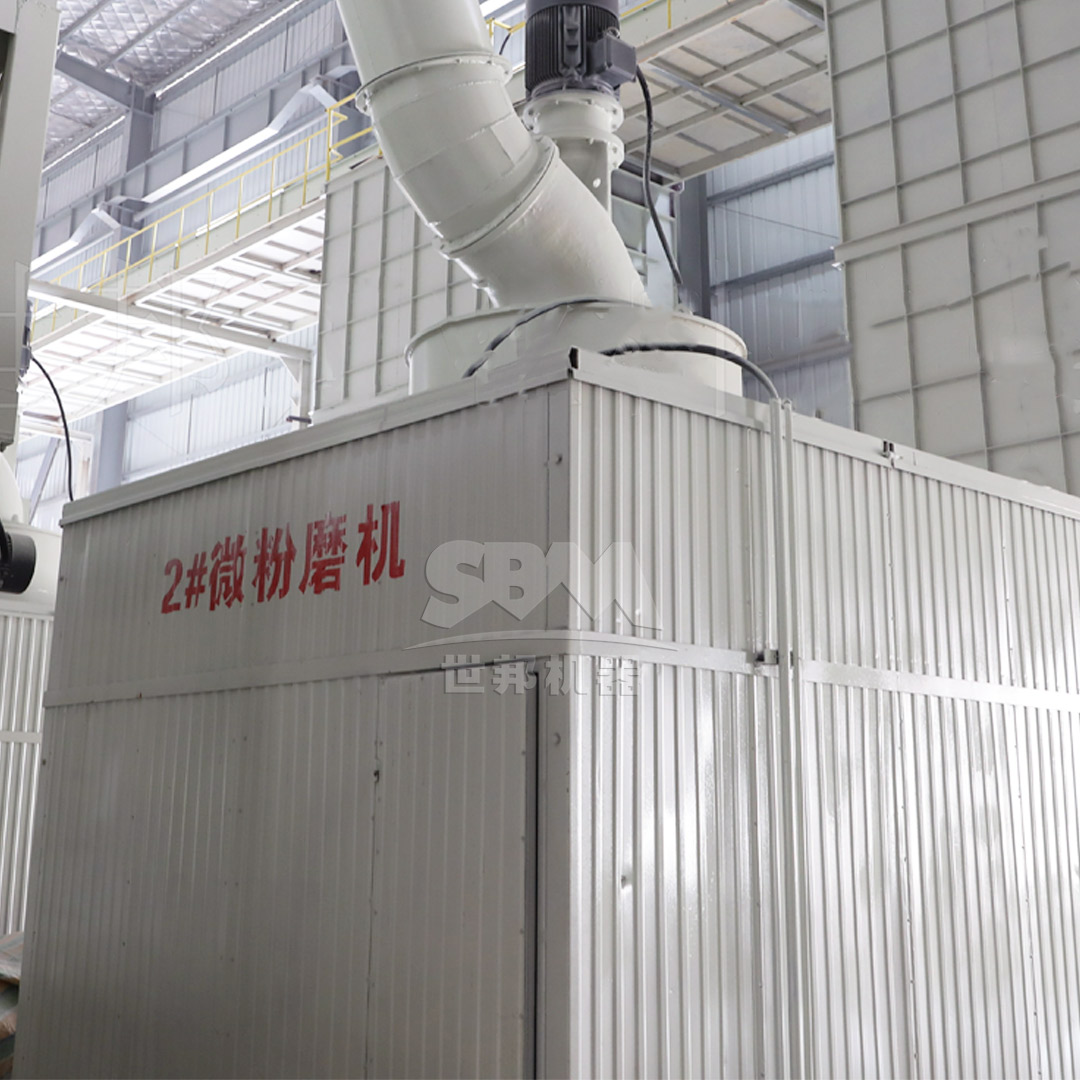
For raw dolomite grinding or for producing standard grades of magnesium hydroxide, the LM Series Vertical Roller Mill offers exceptional capacity and energy savings. It integrates crushing, grinding, and classification, reducing floor space by 50% compared to ball mill systems. Energy consumption is 30–40% lower than ball mills, and wear part life is extended by three times due to the non-contact roller-table design. The LM series can handle feed sizes up to 50 mm and capacities from 3 to 250 t/h, making it suitable for large-scale dolomite processing. For a dolomite calcination plant requiring 30 t/h of 200-mesh powder, the LM170K (18–48 t/h, 400 kW) is a robust option.
Both the SCM and LM series are backed by our patented technologies, including intelligent control systems and advanced dust removal, ensuring reliable and sustainable operation.
Case Study: Integrated Grinding Solution
A recent installation in Southeast Asia processes dolomite for magnesium hydroxide production. The flow includes:
- Primary crushing to 20 mm using a jaw crusher.
- Grinding of raw dolomite to 100 mesh using an LM130K vertical mill (10–28 t/h).
- Calcination in a rotary kiln.
- Hydration and leaching.
- Drying of Mg(OH)₂ filter cake.
- Ultrafine grinding to 8 μm using an SCM1000 ultrafine mill (1.0–8.5 t/h).
The plant achieves consistent product quality with low energy consumption, thanks to the efficient classification and stable operation of our mills.
Conclusion
Producing high-quality magnesium hydroxide from dolomite powder requires careful attention to each step of the process, with grinding playing a pivotal role in determining reactivity, purity, and cost. By selecting the appropriate grinding equipment—such as our SCM Series Ultrafine Mill for ultrafine grades or the LM Series Vertical Roller Mill for high-capacity coarse grinding—producers can optimize their operations and achieve superior product quality. For more information on how our equipment can enhance your dolomite processing line, please contact our technical team.