
What Are the Uses of Crushed Waste Refractory Bricks?
Introduction
Refractory bricks are essential materials in high-temperature industries such as steelmaking, cement production, glass manufacturing, and non-ferrous metallurgy. However, after their service life, these bricks become waste refractory materials, which traditionally end up in landfills. With growing environmental awareness and the circular economy imperative, the recycling and repurposing of crushed waste refractory bricks have gained significant attention. This article explores the diverse uses of crushed waste refractory bricks and highlights how modern grinding technology can enhance their value.
What Are Crushed Waste Refractory Bricks?
Crushed waste refractory bricks are obtained by crushing, grinding, and classifying spent refractory bricks. Depending on the source, they may consist of alumina, silica, magnesia, chrome, or carbon-based materials. After proper processing, these crushed aggregates can be reused in various applications, reducing the demand for virgin raw materials and lowering disposal costs.
Key Uses of Crushed Waste Refractory Bricks
1. Reuse as Refractory Aggregates
One of the most direct applications is using crushed waste refractory bricks as aggregates in new refractory products. For example, crushed high-alumina bricks can partially replace virgin calcined alumina in castables, ramming mixes, and gunning materials. This not only conserves natural resources but also improves the thermal shock resistance of the final product due to the presence of pre-fired grains.
2. Production of Refractory Mortars and Concretes
Fine fractions of crushed waste refractory bricks can be used as fillers in refractory mortars and concretes. They help reduce shrinkage during drying and firing, and contribute to a more uniform microstructure. When properly graded, these recycled fines can replace up to 30% of virgin aggregates without compromising performance.
3. Raw Material for Cement and Concrete
Crushed waste refractory bricks, especially those with high alumina or silica content, can serve as supplementary cementitious materials or as aggregates in non-structural concrete. Their high hardness and thermal stability make them suitable for applications requiring abrasion resistance, such as industrial floors and pavements.
4. Slag Conditioner and Flux in Metallurgy
In steelmaking, certain crushed refractory bricks (e.g., magnesia-carbon or dolomite-based) can be used as slag conditioners or fluxing agents. They help adjust slag viscosity and protect the furnace lining. The residual carbon in magnesia-carbon bricks also contributes to foaming slag control.
5. Filler Material in Plastics and Rubber
Finely ground waste refractory bricks can act as functional fillers in polymer composites. Their high thermal stability and chemical inertness improve the heat resistance and dimensional stability of plastics and rubber products. This application requires ultrafine grinding to ensure uniform dispersion.
6. Landscaping and Road Construction
Coarse crushed refractory bricks can be used as sub-base material in road construction or as decorative aggregates in landscaping. Their excellent durability and resistance to weathering make them suitable for these low-value but high-volume applications.
The Role of Grinding Technology in Enhancing Value
To fully realize the potential of crushed waste refractory bricks, proper size reduction and classification are crucial. Different applications require specific particle size distributions, from coarse aggregates (0-5 mm) to ultrafine powders (d50 < 10 μm). Advanced grinding mills enable efficient processing, ensuring that the recycled materials meet the stringent requirements of end-users.
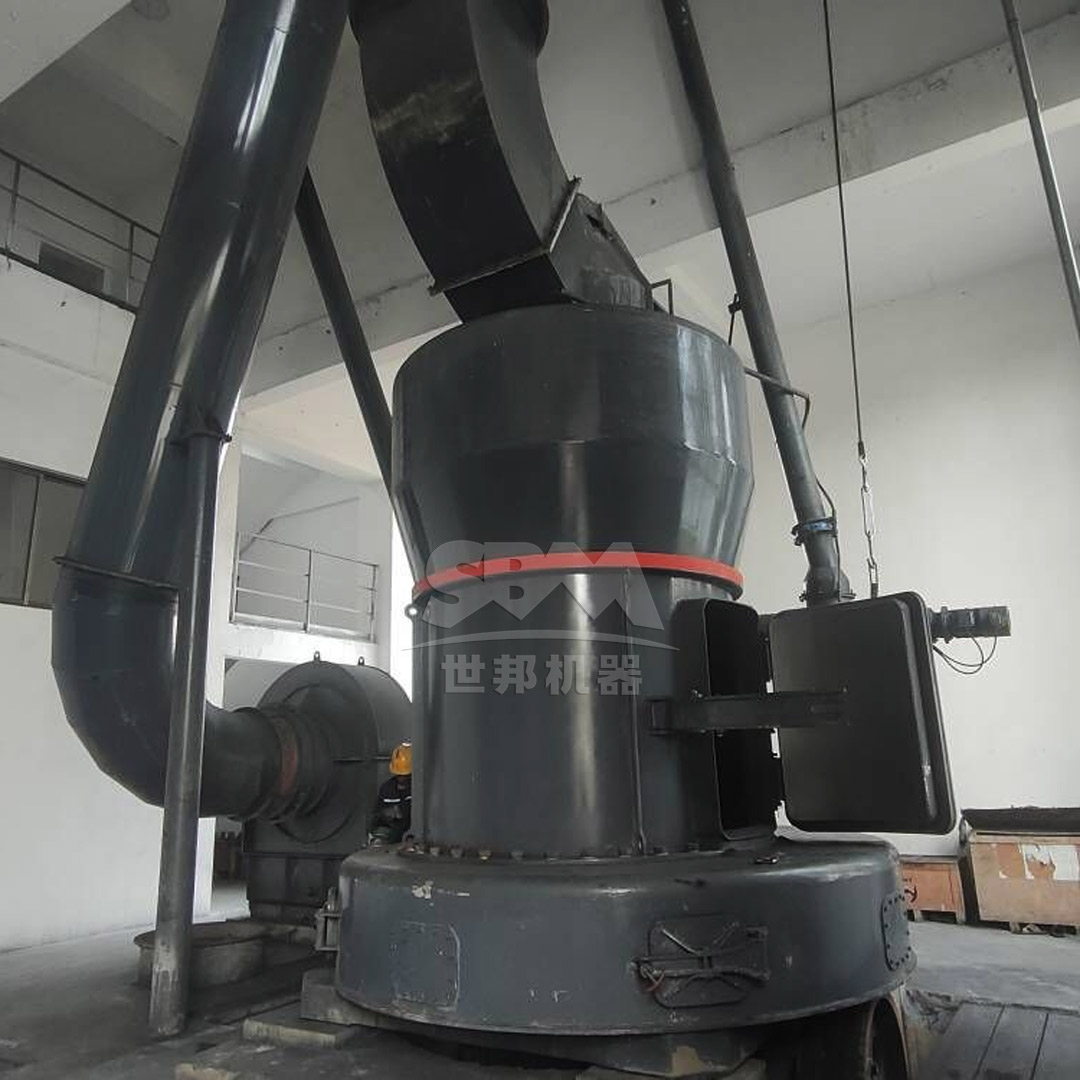
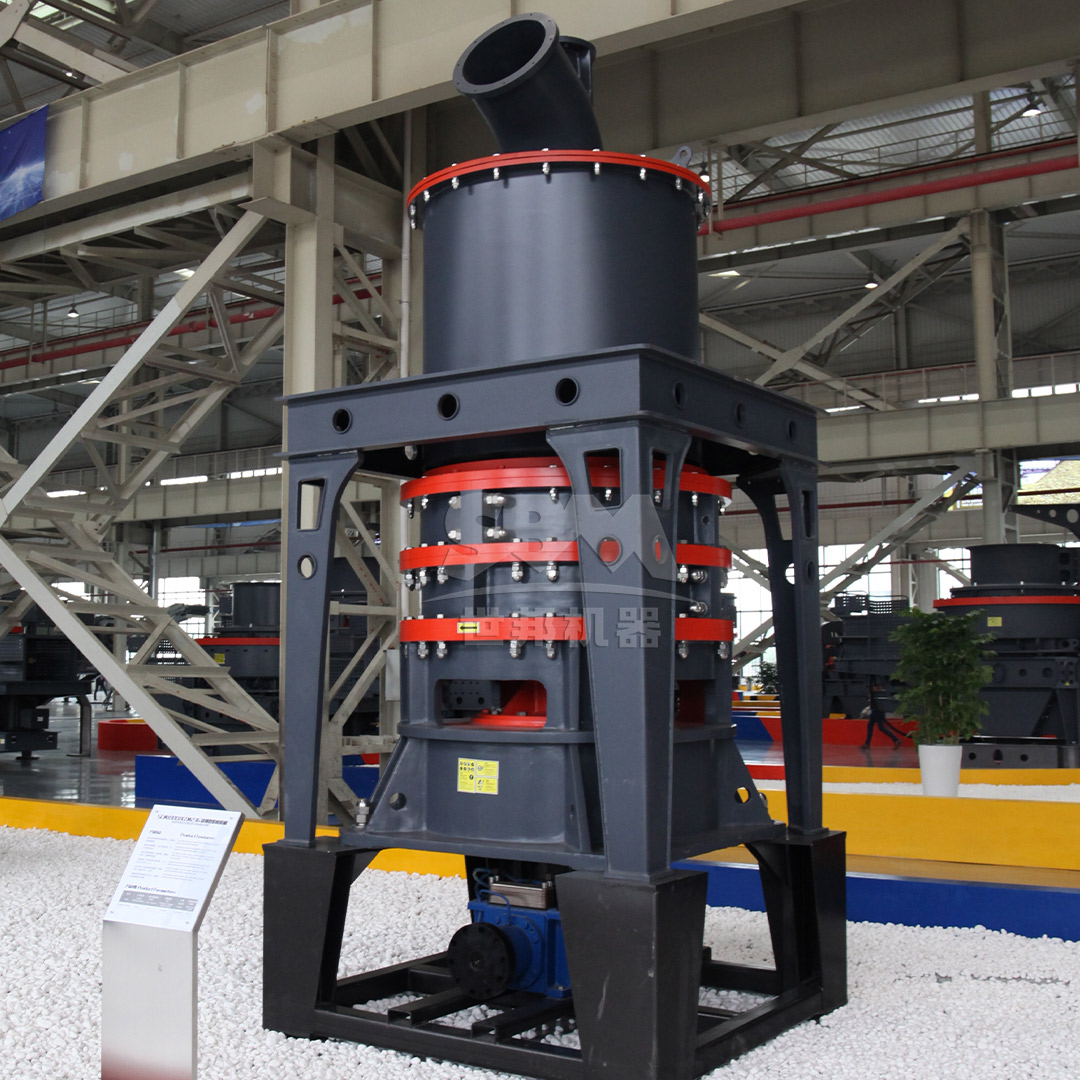
For ultrafine grinding of waste refractory bricks, the SCM Series Ultrafine Mill from our company is an ideal choice. With an output fineness of 325-2500 mesh and a capacity of up to 25 t/h, it can produce fine powders suitable for high-value applications such as fillers in polymers or high-performance castables. Its high-precision classifier ensures no coarse particles, while the intelligent control system guarantees stable product quality. The durable roller and ring design extends service life, reducing maintenance costs.
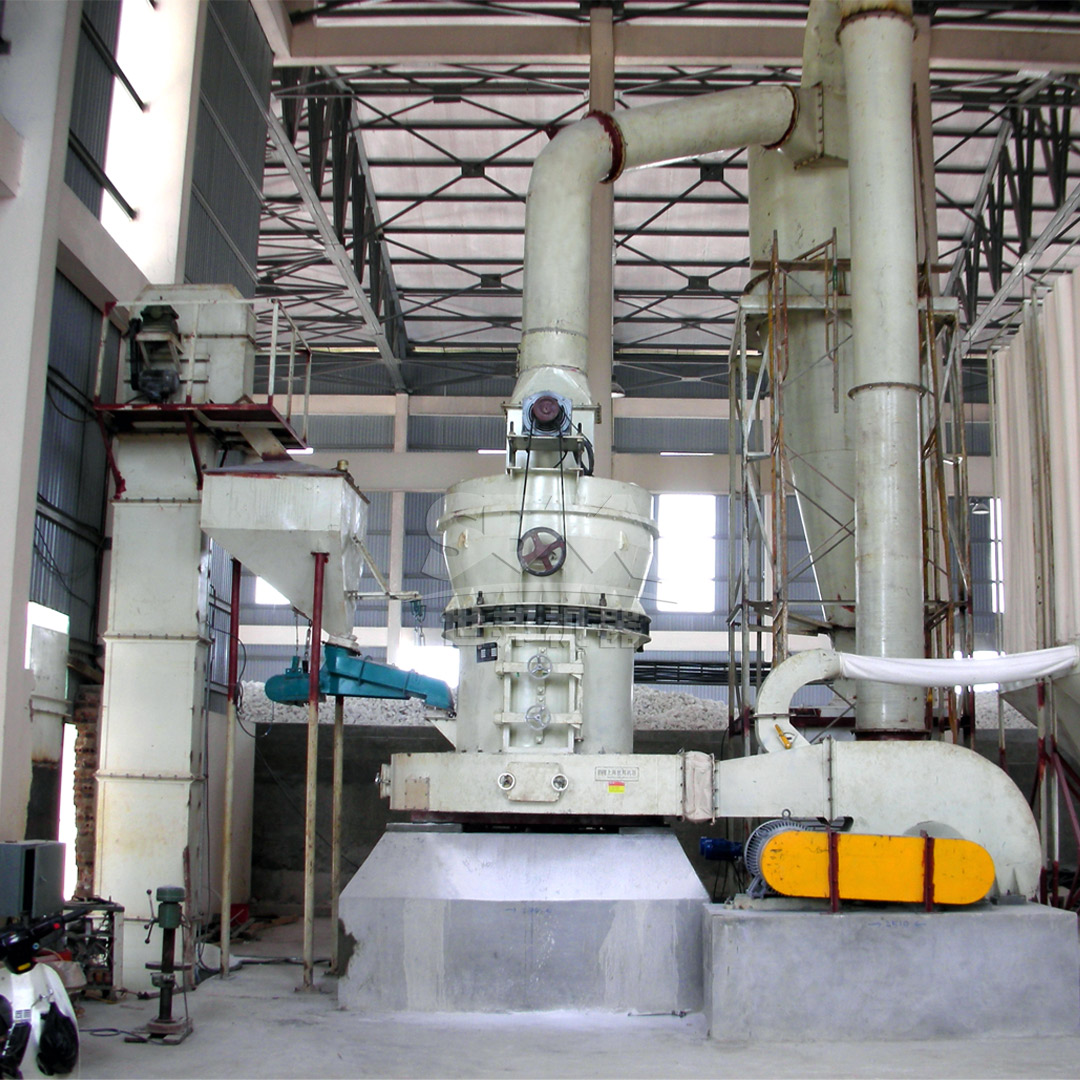
For coarser grinding requirements, such as producing aggregates for refractory castables or road construction, the MTW Series European Trapezium Mill offers a perfect solution. With an input size up to 50 mm and output fineness adjustable from 30 to 325 mesh, it delivers capacities from 3 to 45 t/h. The anti-wear shovel design and optimized arc air duct reduce energy consumption and maintenance, making it a cost-effective choice for recycling waste refractories.
Environmental and Economic Benefits
Recycling crushed waste refractory bricks offers substantial environmental benefits: it reduces landfill waste, conserves natural resources, and lowers carbon emissions associated with mining and processing virgin materials. Economically, it provides cost savings for industries that generate refractory waste, as they can either reuse the material internally or sell it as a valuable secondary raw material.
Challenges and Considerations
Despite the benefits, several challenges exist. The variability in waste refractory composition requires thorough characterization before reuse. Contaminants such as slag, metal, or dust must be removed. Proper crushing and grinding are essential to achieve consistent particle size. Additionally, regulatory standards for recycled materials in critical applications (e.g., primary steelmaking) may limit their use. Ongoing research and standardization efforts are addressing these issues.
Conclusion
Crushed waste refractory bricks are not just waste; they are a valuable resource with multiple high-value applications. From refractory aggregates to polymer fillers, their reuse contributes to sustainable industrial practices. By employing advanced grinding technologies like the SCM Series Ultrafine Mill and MTW Series European Trapezium Mill, industries can unlock the full potential of recycled refractories, achieving both environmental and economic gains. As the circular economy continues to evolve, the utilization of crushed waste refractory bricks will undoubtedly expand, paving the way for greener high-temperature industries.