Coal Gangue Grinding Mill Complete Equipment for Preparing Molecular Sieve from Coal Gangue Powder Process Flow Diagram
Introduction
Coal gangue, a byproduct of coal mining and washing, has long been considered a waste material with limited economic value. However, recent advancements in material science have unlocked its potential as a valuable resource for producing molecular sieves—porous materials widely used in catalysis, adsorption, and separation processes. The key to this transformation lies in the efficient grinding of coal gangue into ultrafine powder, which serves as the precursor for synthesizing molecular sieves. This article presents a comprehensive process flow diagram for a coal gangue grinding mill complete equipment, specifically designed to prepare molecular sieve from coal gangue powder. We will explore the essential stages, equipment selection, and technical considerations, highlighting how our advanced grinding mills can optimize this process.
Process Flow Overview
The preparation of molecular sieves from coal gangue involves several critical steps: raw material crushing, grinding, activation, and synthesis. The grinding stage is particularly crucial, as it determines the particle size distribution and reactivity of the coal gangue powder. A typical process flow diagram includes:
- Raw Coal Gangue Storage and Feeding: Coal gangue is stored in silos and fed into the crushing system via vibrating feeders.
- Crushing: Jaw crushers or hammer mills reduce the raw gangue to particles smaller than 20-50 mm.
- Grinding: The crushed material is ground to ultrafine powder (typically 325-2500 mesh) using specialized mills. This step often employs a combination of coarse grinding and fine grinding to achieve the desired fineness.
- Classification: Air classifiers or sieves separate the ground powder into different size fractions, ensuring uniformity.
- Activation: The powder may undergo thermal or chemical activation to enhance its reactivity.
- Synthesis: The activated powder is mixed with alkalis and other precursors, then hydrothermally treated to form molecular sieve crystals.
- Post-processing: Washing, drying, and calcination complete the molecular sieve production.
Among these stages, grinding is the most energy-intensive and critical for determining the quality of the final molecular sieve. Therefore, selecting the right grinding equipment is paramount.
Key Equipment for Coal Gangue Grinding
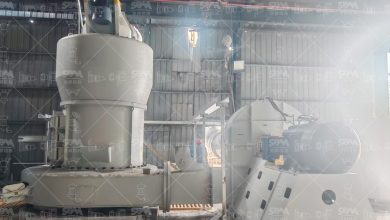
To achieve the ultrafine particle size required for molecular sieve synthesis, robust and efficient grinding mills are essential. Our company offers a range of advanced mills that excel in processing coal gangue. Below, we recommend two flagship products that are particularly suitable for this application.
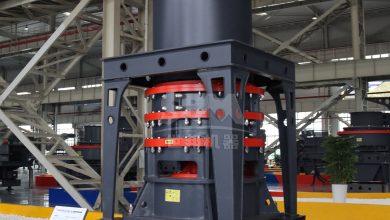
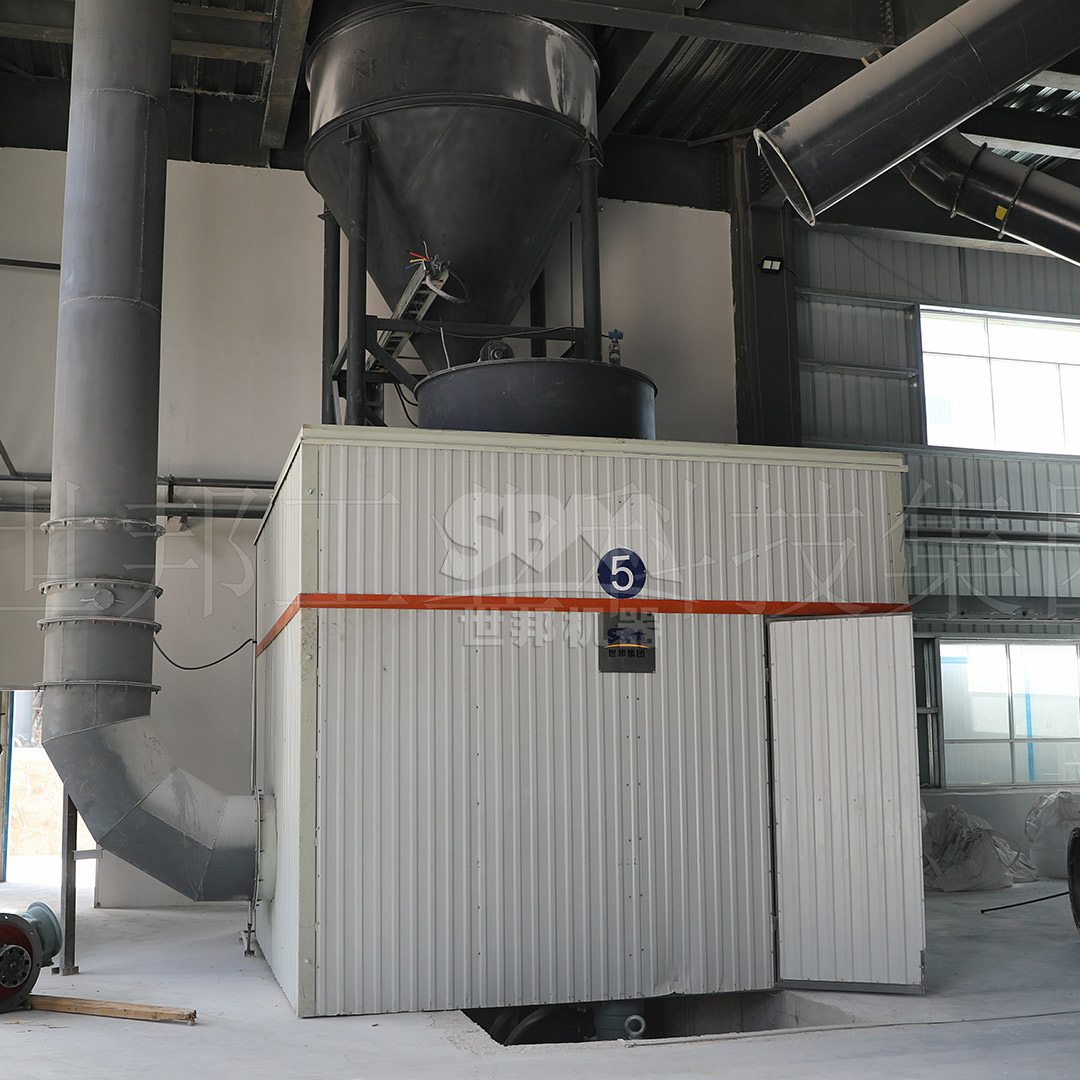
SCM Series Ultrafine Mill (45-5μm)
The SCM Series Ultrafine Mill is an ideal choice for grinding coal gangue to the fine powders needed for molecular sieve production. With an output fineness of 325-2500 mesh (45-5μm), it can produce powders with high surface area and reactivity. Key features include:
- High Efficiency & Energy Saving: Capacity is twice that of jet mills, with 30% lower energy consumption. Intelligent control with automatic finished product granularity feedback ensures consistent quality.
- High-Precision Classification: The vertical turbine classifier achieves precise particle size cutting, eliminating coarse powder mixing and ensuring uniform finished products.
- Durable Design: Special material rollers and rings extend service life several times over. The shaftless screw grinding chamber ensures stable operation.
- Eco-friendly & Low Noise: Pulse dust collection efficiency exceeds international standards, and the soundproof room design ensures noise levels are minimized.
With models ranging from SCM800 (0.5-4.5t/h) to SCM1680 (5.0-25t/h), the SCM Series can be scaled to meet various production capacities. Its working principle involves three layers of grinding rings rotating to crush materials by roller pressure, followed by cyclone collection and pulse dust removal.
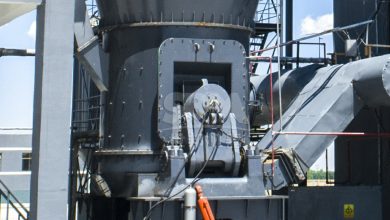
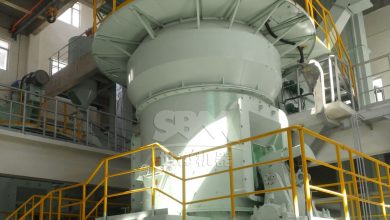
LUM Ultrafine Vertical Roller Mill
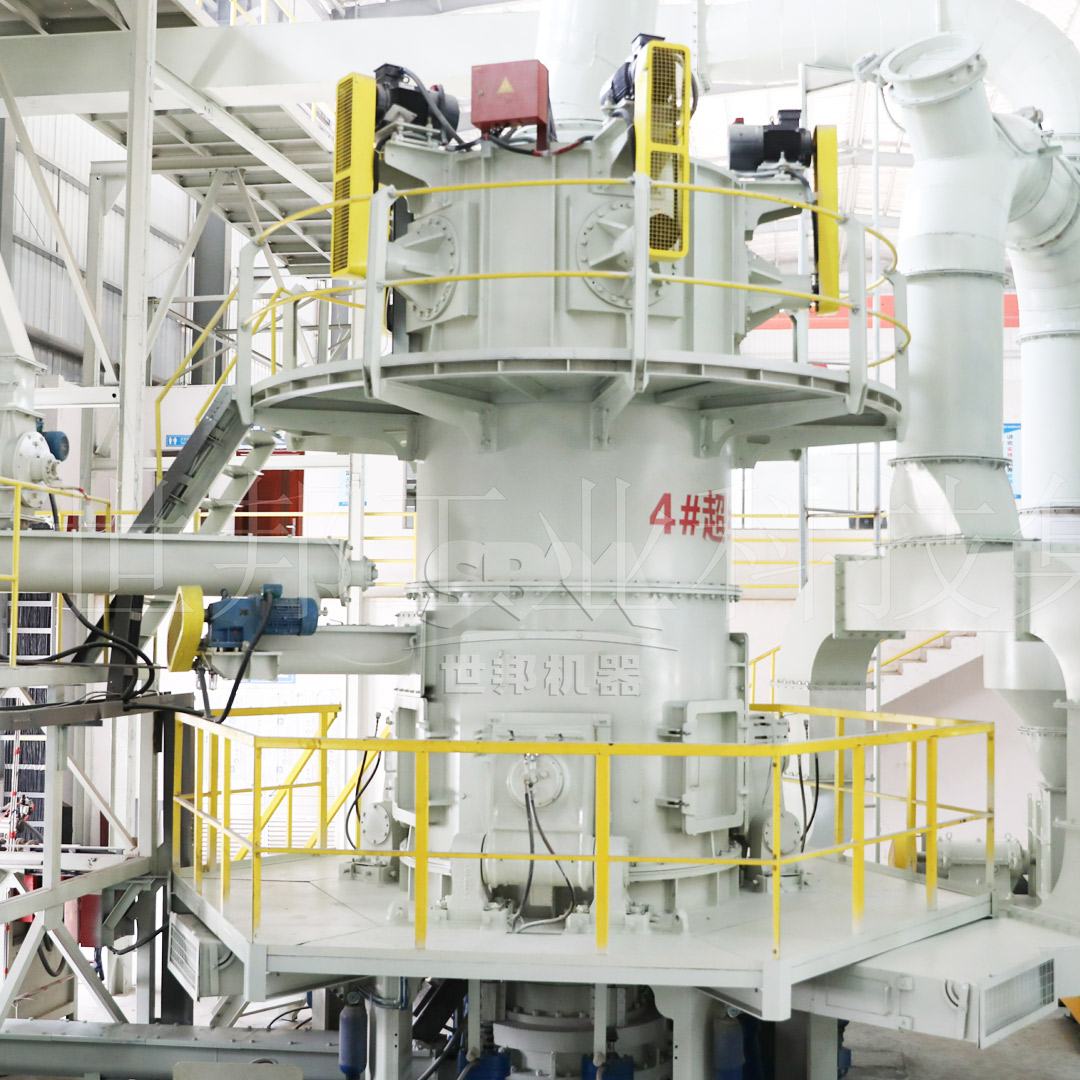
For even finer grinding, the LUM Ultrafine Vertical Roller Mill is an excellent option. It combines grinding, classification, and drying in one unit, making it highly efficient for coal gangue processing. Key advantages include:
- Efficient Grinding: Unique roller and liner curves improve grinding efficiency, reducing power consumption.
- Precise Classifying: Multi-rotor technology ensures no coarse particles in the finished product.
- Smart Control: PLC automation for stable running and easy operation.
- Environmental: Negative pressure operation prevents dust leakage, meeting strict environmental standards.
The LUM series offers models like LUM1525 (220-250kW, 1.6-11.5t/h) and LUM1836 (355-400kW, 2.3-15t/h), with output fineness of 325-2500 mesh. This mill is particularly suitable for producing the ultrafine powders required for high-performance molecular sieves.
Process Flow Diagram for Coal Gangue Grinding System
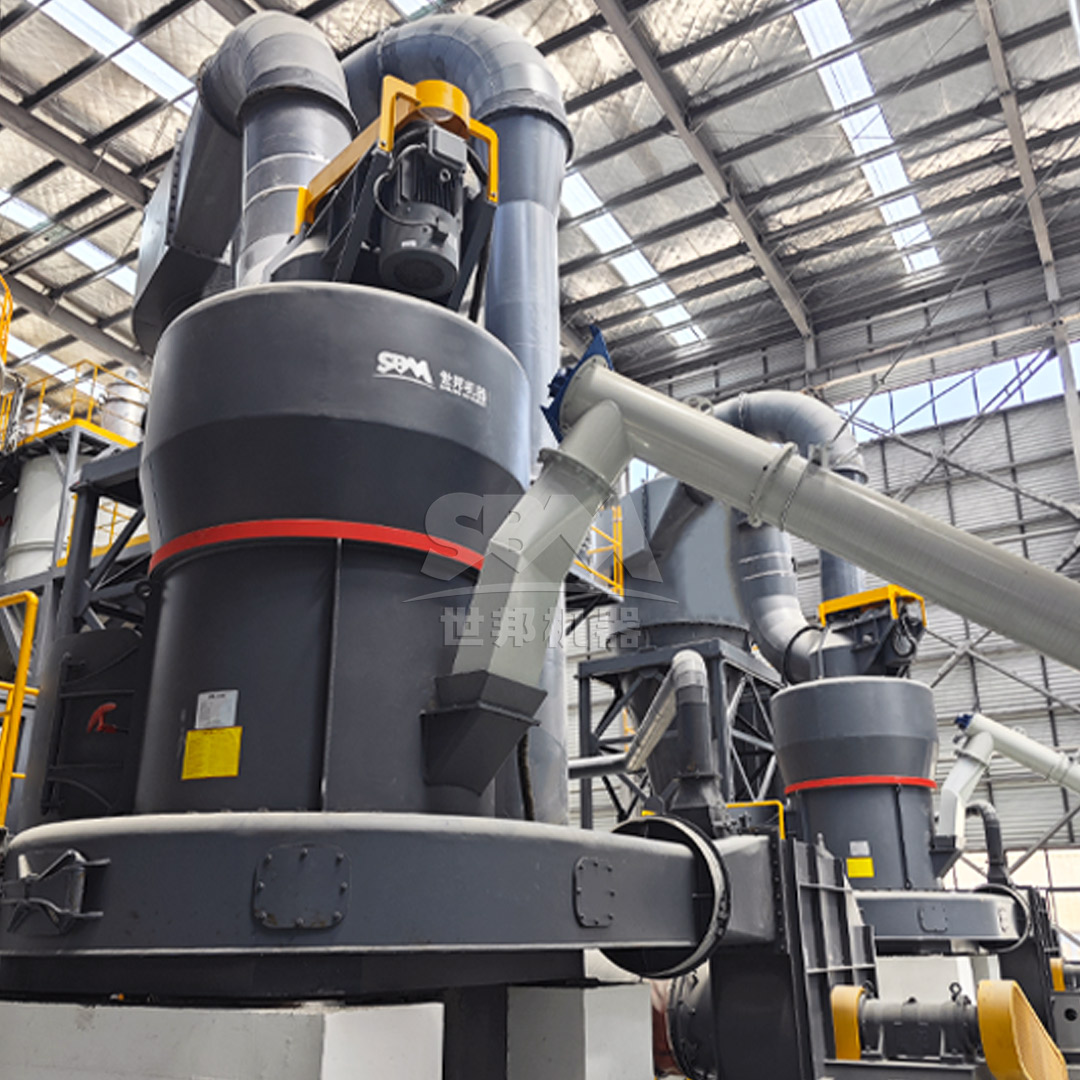
Based on our equipment, a complete process flow diagram for preparing molecular sieve from coal gangue powder would include the following stages:
- Feeding: Raw coal gangue is fed into a hopper and conveyed to a jaw crusher.
- Primary Crushing: A jaw crusher reduces the material to less than 50 mm.
- Secondary Crushing: A hammer mill further reduces the material to less than 20 mm. Our Hammer Mill (PC4008-75) is ideal for this stage, with a capacity of 8-15t/h and output size of 0-3mm.
- Grinding: The crushed material is fed into the SCM Series Ultrafine Mill or LUM Ultrafine Vertical Roller Mill. The grinding process is controlled to achieve a fineness of 325-2500 mesh.
- Classification: The mill’s internal classifier separates fine powder from coarse particles, which are returned for re-grinding.
- Collection: The fine powder is collected by a cyclone collector and pulse dust removal system.
- Storage: The finished coal gangue powder is stored in silos for further processing into molecular sieves.
This integrated system ensures high efficiency, low energy consumption, and consistent product quality. The diagram below illustrates the flow:
Technical Considerations for Molecular Sieve Preparation
The quality of the coal gangue powder directly impacts the performance of the resulting molecular sieve. Key parameters include:
- Particle Size Distribution: A narrow distribution with a median size of 5-10μm is often optimal for hydrothermal synthesis. The SCM Series and LUM mills excel in achieving this.
- Chemical Composition: Coal gangue contains silica and alumina, which are essential for molecular sieve frameworks. Grinding should not introduce contamination; our mills use wear-resistant materials to prevent iron contamination.
- Reactivity: Ultrafine grinding increases the surface area, enhancing reactivity during activation and synthesis. The high-precision classification in our mills ensures maximum reactivity.
- Energy Efficiency: Grinding is energy-intensive. Our mills’ energy-saving features reduce operational costs and carbon footprint.
Why Choose Our Grinding Mills?
Our SCM Series and LUM Series mills are engineered for superior performance in ultrafine grinding. They offer:
- Proven Technology: Decades of research and development, with patented designs.
- Customization: We can tailor the grinding system to your specific coal gangue characteristics and production capacity.
- After-Sales Support: Global service network ensures minimal downtime and optimal performance.
- Environmental Compliance: Our mills meet stringent emission standards, making them suitable for green production.
Conclusion
The transformation of coal gangue into molecular sieves is a promising avenue for waste valorization. The grinding stage is pivotal, and selecting the right equipment is crucial for success. Our SCM Series Ultrafine Mill and LUM Ultrafine Vertical Roller Mill are designed to meet the challenges of ultrafine grinding, delivering the particle size and quality required for high-performance molecular sieves. By integrating these mills into a complete process flow, manufacturers can achieve efficient, eco-friendly, and cost-effective production. For more information on how our equipment can enhance your coal gangue processing, please contact our technical team.