
Feasibility of Producing High-Purity Calcium Carbonate from Steel Slag
Introduction
The steel industry generates substantial quantities of slag as a by-product of iron and steelmaking processes. While steel slag has traditionally been used in low-value applications such as road construction and cement clinker, its high calcium oxide (CaO) content—typically ranging from 40% to 60%—presents a compelling opportunity for producing high-purity calcium carbonate (CaCO₃), a valuable industrial mineral with diverse applications in paper, plastics, paints, pharmaceuticals, and food industries. This article examines the technical and economic feasibility of extracting high-purity calcium carbonate from steel slag, and highlights the critical role of advanced grinding and classification equipment in achieving the required fineness and purity.
Composition and Potential of Steel Slag
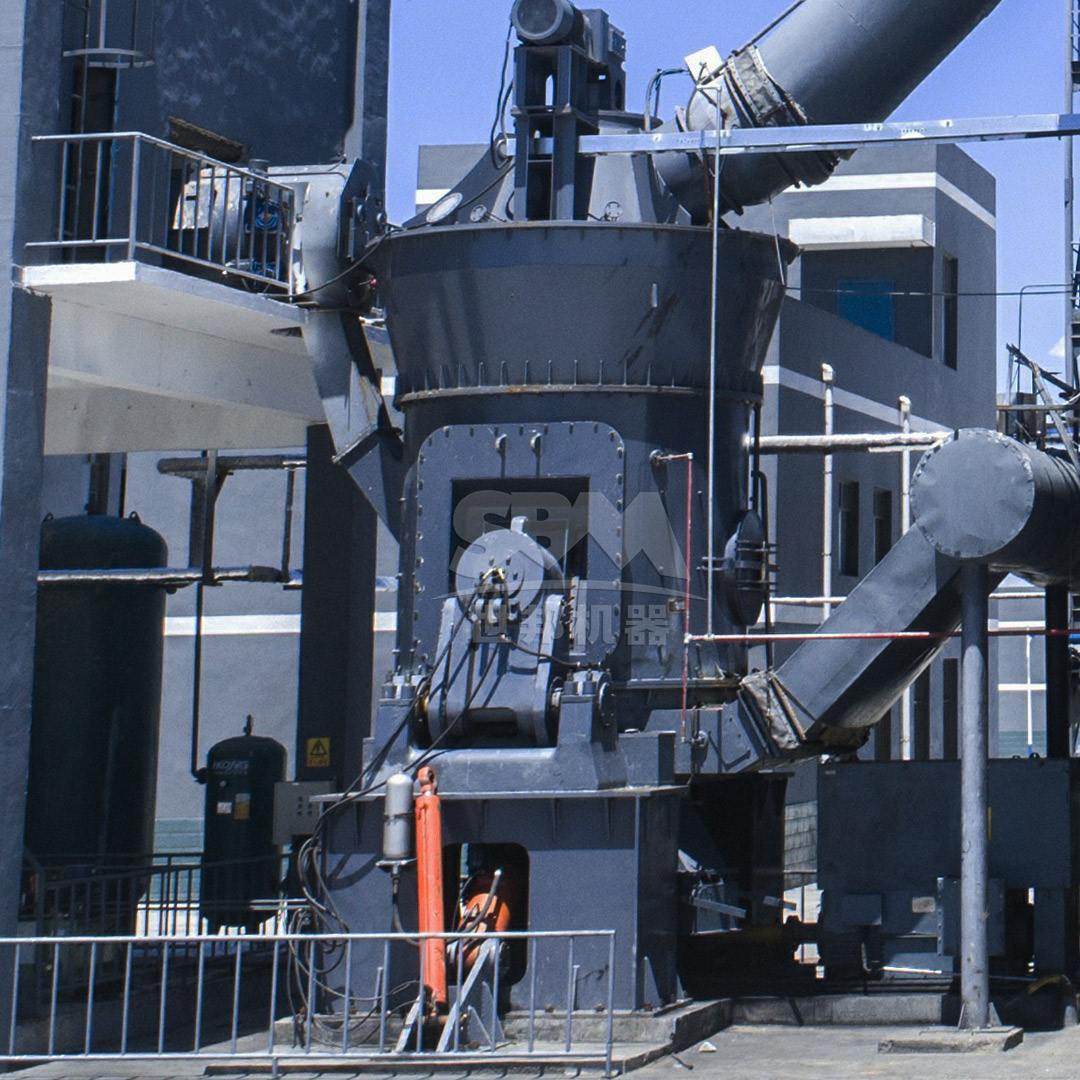
Steel slag primarily consists of calcium silicates, calcium ferrites, and free lime, along with minor amounts of magnesium, aluminum, and iron oxides. The high calcium content makes it an attractive feedstock for calcium carbonate synthesis. However, the presence of impurities such as iron, manganese, and heavy metals necessitates careful processing to achieve high purity levels (typically >98% CaCO₃). The conversion process generally involves leaching calcium from the slag using acids or ammonium salts, followed by carbonation to precipitate calcium carbonate. Alternatively, direct carbonation using CO₂-rich flue gases can be employed, offering the added benefit of carbon capture and utilization.
Technical Feasibility
Leaching and Purification
The first step in producing high-purity CaCO₃ from steel slag is the selective leaching of calcium. Acidic leaching with hydrochloric or nitric acid can dissolve calcium along with other metals, requiring subsequent purification steps such as pH adjustment and ion exchange. Ammoniacal leaching using ammonium chloride or ammonium acetate offers higher selectivity for calcium over iron and magnesium, simplifying purification. After leaching, the solution is carbonated by bubbling CO₂ gas, precipitating calcium carbonate. The purity of the final product depends on the efficiency of these steps and the initial slag composition.
Grinding and Classification: Key to Product Quality
To meet the specifications of high-purity calcium carbonate, the final product must be ground to a fine particle size, often in the range of 1–10 μm for premium applications. This requires advanced milling equipment capable of achieving ultrafine grinding while minimizing contamination. The choice of mill significantly impacts product fineness, particle size distribution, and energy consumption.
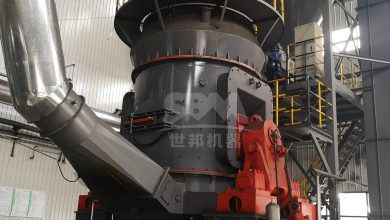
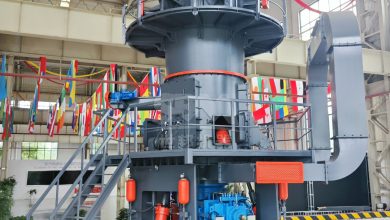
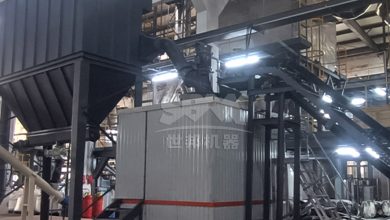
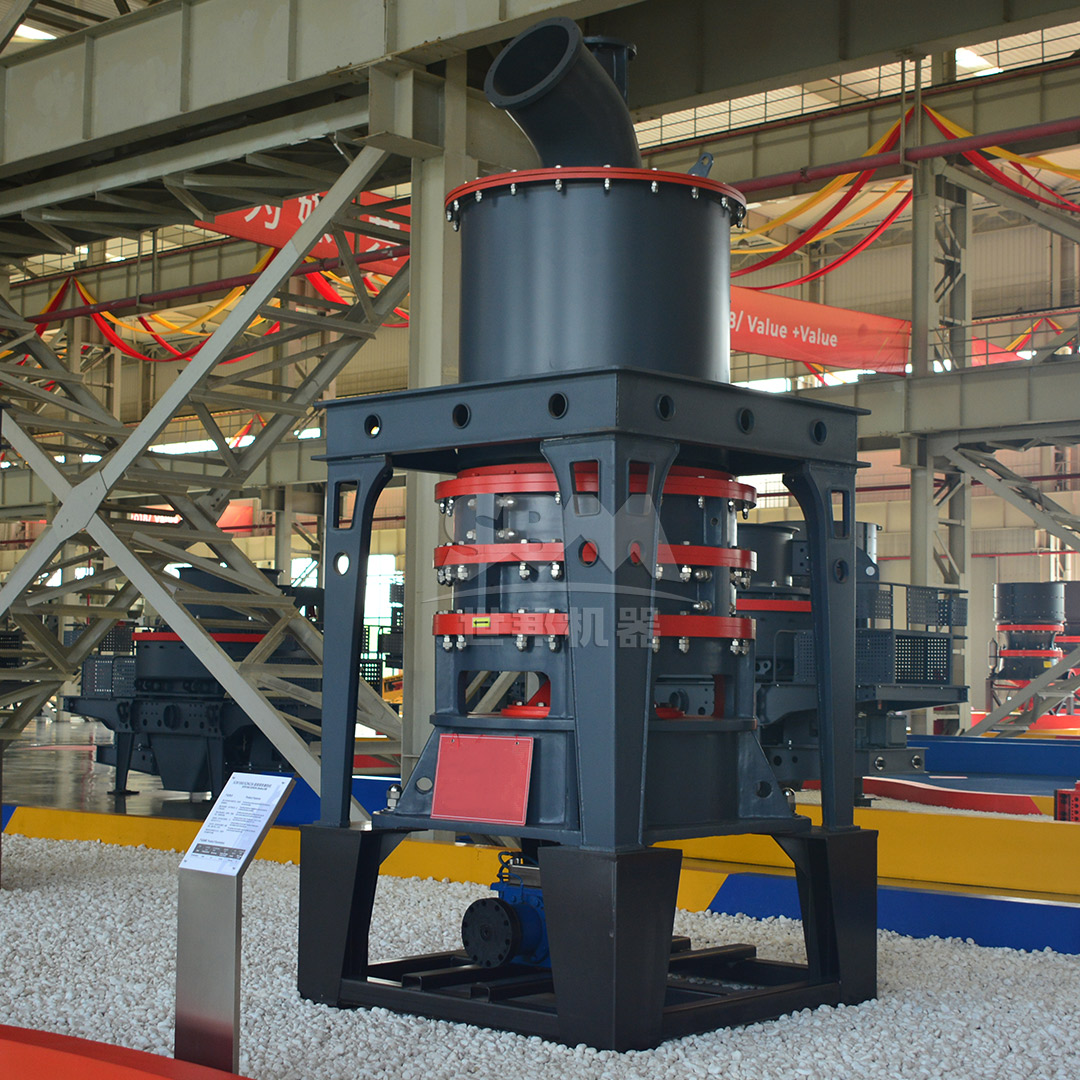
For ultrafine grinding of calcium carbonate, the SCM Series Ultrafine Mill is an ideal solution. With an output fineness of 325–2500 mesh (down to 5 μm) and a capacity of 0.5–25 t/h, it delivers high efficiency and precise classification. Its vertical turbine classifier ensures no coarse powder mixing, resulting in a uniform product. The SCM mill’s durable design, featuring special material rollers and rings, extends service life and reduces maintenance costs. Moreover, its eco-friendly pulse dust collection system meets stringent environmental standards.
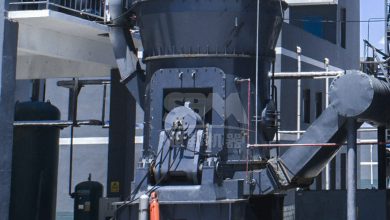
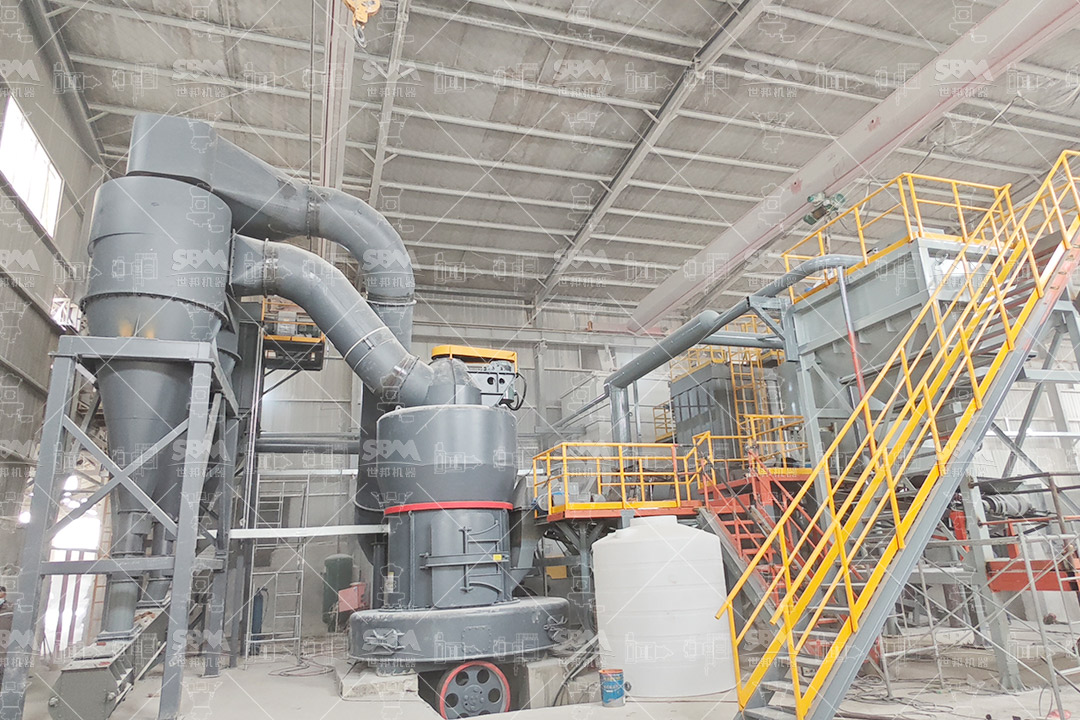
For larger-scale production, the MTW Series European Trapezium Mill offers an excellent balance of capacity and fineness. With a capacity of 3–45 t/h and fineness ranging from 30 to 325 mesh (down to 0.038 mm), it is suitable for producing high-purity calcium carbonate for various industrial applications. The MTW mill features an anti-wear shovel design, optimized arc air duct, and integral bevel gear drive, ensuring high transmission efficiency (up to 98%) and low maintenance costs. Its patented internal suction oil lubrication system and pulse dust removal technology further enhance reliability and environmental performance.
Economic Feasibility
The economic viability of producing high-purity CaCO₃ from steel slag depends on several factors: the cost of raw slag (often negligible or even negative if disposal costs are considered), the cost of chemicals and energy, the market price of high-purity CaCO₃, and the capital investment in processing equipment. High-purity CaCO₃ commands prices ranging from $200 to $1000 per ton, depending on fineness and purity. Steel slag is abundantly available at low cost, and the process can be integrated with carbon capture, potentially generating carbon credits. However, the purification steps can be complex and energy-intensive, necessitating efficient grinding and classification to minimize operating costs. Advanced mills like the SCM and MTW series offer high energy efficiency and low maintenance, improving the overall economics.
Environmental Benefits
Utilizing steel slag for calcium carbonate production addresses two environmental issues: solid waste management and carbon utilization. Steel slag stockpiles occupy land and can leach heavy metals into groundwater. Converting slag into valuable products reduces environmental liability. Furthermore, if the carbonation step uses captured CO₂, the process becomes carbon-negative, contributing to climate change mitigation. The grinding equipment itself is designed for eco-friendly operation, with dust collection systems that exceed international standards and noise reduction features.
Case Study: Pilot-Scale Production
Several pilot-scale studies have demonstrated the feasibility of producing high-purity CaCO₃ from steel slag. For instance, a recent project utilized a leaching-carbonation route and achieved 99.2% purity with a median particle size of 2.5 μm after grinding in an SCM mill. The product met the requirements for paper coating applications. The project reported an energy consumption of 120 kWh per ton of product, with grinding accounting for about 40% of the total. The use of an efficient mill was crucial to achieving the desired fineness at a competitive cost.
Challenges and Solutions
Despite the potential, several challenges remain. The variability in slag composition requires flexible process adjustments. Impurities such as iron and manganese must be removed effectively, which may involve additional purification steps. Scaling up from laboratory to industrial scale requires careful design of the grinding circuit to handle the abrasive nature of slag-derived materials. The SCM and MTW mills are engineered to handle such abrasive materials with wear-resistant components, ensuring long-term reliability.
Conclusion
The production of high-purity calcium carbonate from steel slag is technically feasible and economically promising, provided that efficient grinding and classification equipment is employed. The SCM Series Ultrafine Mill and MTW Series European Trapezium Mill offer the performance, reliability, and eco-friendly features required for this application. By converting a waste material into a valuable product, the steel industry can enhance its sustainability and profitability while contributing to the circular economy. With continued research and development, this approach could become a standard practice in integrated steel mills worldwide.