The Role of Ultrafine Calcium Carbonate Powder in Plastics: Key Benefits, Applications, and Selection Tips
Introduction: The Growing Importance of Ultrafine Calcium Carbonate
In the modern plastics industry, the pursuit of cost efficiency, enhanced mechanical properties, and improved processing performance has led to the widespread adoption of functional fillers. Among these, ultrafine calcium carbonate (CaCO₃) powder has emerged as a cornerstone additive. Unlike traditional coarse fillers, ultrafine GCC (Ground Calcium Carbonate) with a particle size ranging from 5 to 45 micrometers (325-2500 mesh) does not merely act as an extender to reduce resin consumption; it functions as an active performance modifier. The strategic incorporation of ultrafine calcium carbonate can significantly improve the tensile strength, impact resistance, rigidity, and surface finish of plastic products. This article delves into the pivotal role of ultrafine calcium carbonate in plastics, exploring its key benefits, diverse applications, and offering practical selection tips for manufacturers—emphasizing how the right grinding technology, such as the advanced SCM Series Ultrafine Mill, is critical to unlocking its full potential.
Key Benefits of Ultrafine Calcium Carbonate in Plastics
1. Enhanced Mechanical Properties and Reinforcement
The primary role of ultrafine CaCO₃ is to function as a rigid inorganic phase within the polymer matrix. When uniformly dispersed, these particles significantly increase the rigidity and dimensional stability of the final product. The modulus of elasticity is notably enhanced, making parts less prone to deformation under load. Furthermore, controlled particle size distribution can induce a ‘micro-crack’ toughening mechanism. When impact occurs, the fine particles act as stress concentrators, initiating localized micro-crazes that absorb energy, thereby preventing catastrophic crack propagation. This unique balance of stiffness and toughness is unattainable with standard fillers.
2. Improved Processing Performance and Dispersion
High-quality ultrafine powders offer superior dispersion characteristics compared to coarse alternatives. The smooth, spherical or rhombohedral morphology of well-ground GCC reduces internal friction during melt processing. This leads to a lower melt viscosity, allowing for lower processing temperatures and reduced energy consumption. In extrusion and injection molding processes, the addition of ultrafine CaCO₃ can shorten cycle times and improve flowability, particularly in complex mold geometries. The critical factor ensuring good dispersion is achieving a narrow particle size distribution with minimal coarse particles, a feature directly dependent on the precision of the classification system in the grinding mill.
3. Cost Reduction and Material Efficiency
As a naturally abundant mineral, calcium carbonate is significantly cheaper than petroleum-based polymer resins. Replacing a portion of the resin with ultrafine CaCO₃—typically 10-30% by weight—drastically reduces raw material costs without compromising, and in some cases, enhancing mechanical properties. For high-volume applications like packaging films and profiles, this cost advantage is the primary driver for filler usage. Additionally, the use of ultrafine particles with high specific surface area ensures that the interaction with the polymer matrix is maximized, preventing defects such as voids or stress concentrations that can occur with poorly bonded coarse fillers.
4. Surface Finish, Opacity, and Thermal Conductivity
Ultrafine CaCO₃ contributes to a superior surface finish by forming a uniform microstructure. This results in lower surface roughness and a pleasant matte appearance. It also enhances the whiteness and opacity of the plastic, reducing the need for expensive titanium dioxide (TiO₂) pigments. Compared to organic additives, mineral fillers offer better thermal conductivity. In electrical wire and cable applications, this property helps dissipate heat, extending the lifespan of the insulation. Furthermore, the inorganic nature of CaCO₃ renders plastics less combustible, providing inherent flame-retardant benefits.
Key Applications in the Plastics Industry
BOPP Films and Packaging
Biaxially Oriented Polypropylene (BOPP) films heavily rely on ultrafine CaCO₃ to create surface porosity (voids) during stretching. These micro-voids enhance the film’s opacity (pearlized effect) and reduce density, lowering material usage. The SCM series mills’ capability to produce powder at 2-3 microns with a very sharp cut point is essential for ensuring the uniform void formation critical for consistent film quality in synthetic paper and packaging applications.
PVC Extrusion and Rigid Profiles
In PVC window profiles, pipes, and siding, ultrafine CaCO₃ serves as a cost-effective filler that stabilizes the blend and improves impact resistance. The fine particle size ensures a smooth surface finish and protects the impact modifiers from being consumed by coarse filler particles. With the MTW Series European Trapezium Mill offering the capability to produce 30-325 mesh, manufacturers can achieve the ideal 1-5 micron size range needed for rigid PVC, ensuring high durability and weather resistance.
Automotive Components and Engineering Plastics
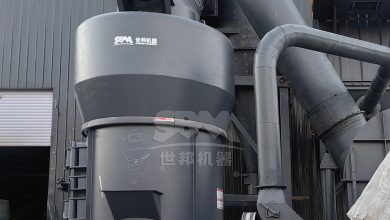
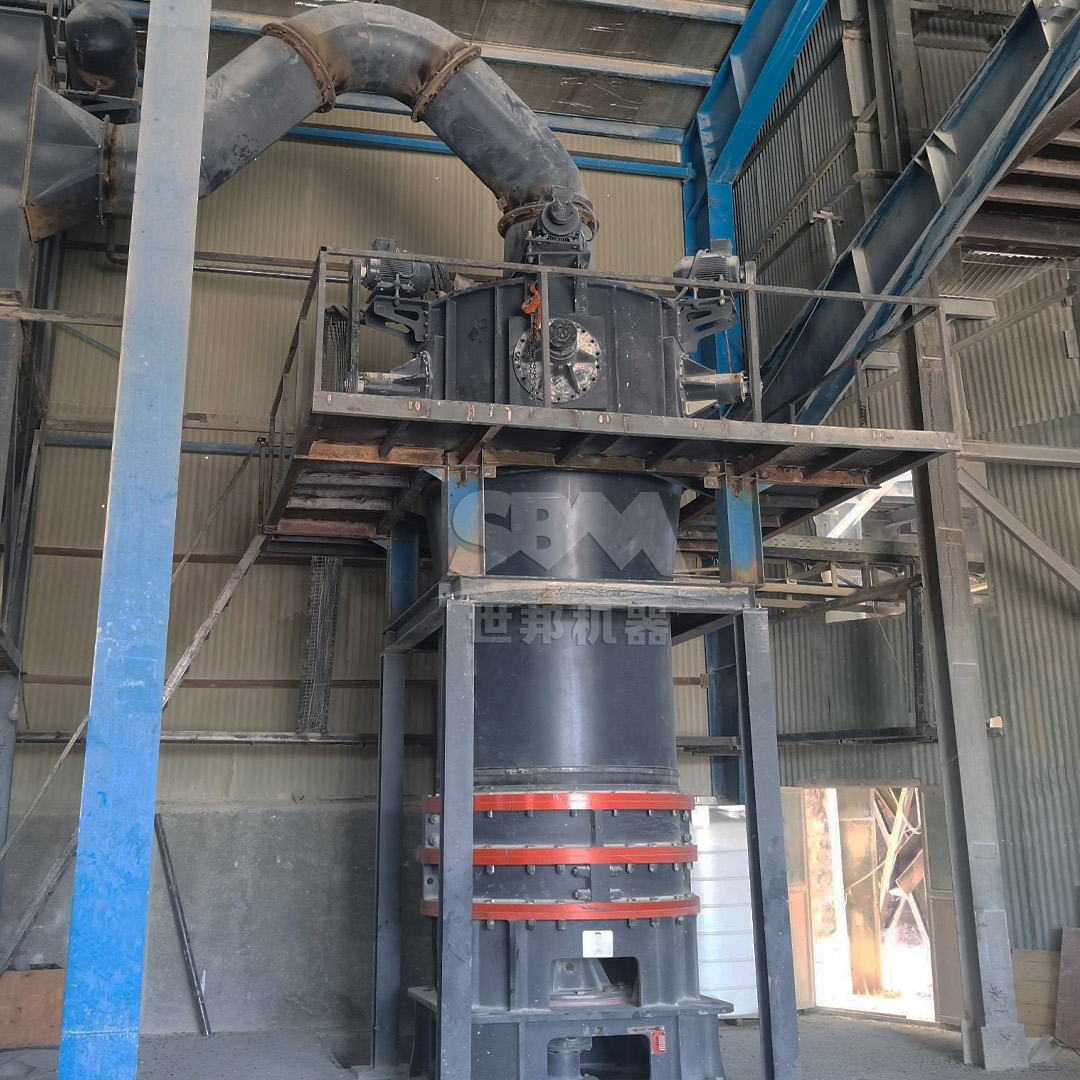
The automotive sector demands tight tolerances and high structural integrity. Polypropylene compounds used for automotive bumpers, dashboards, and interior trims incorporate ultrafine CaCO₃ to improve scratch resistance, stiffness, and dimensional stability at high temperatures. The vertical roller mill technology, such as the LM series, ensures high capacity (up to 250 t/h) and precise fineness, supplying the volume required for large-scale compounders while maintaining the consistent quality necessary for sensitive aesthetic parts.
Selection Tips: Sourcing and Grinding Equipment
Analyzing Particle Size and Fineness
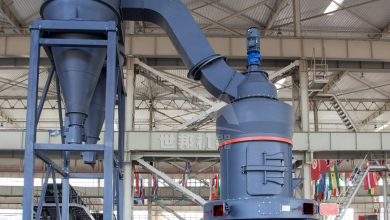
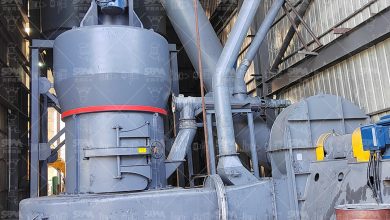
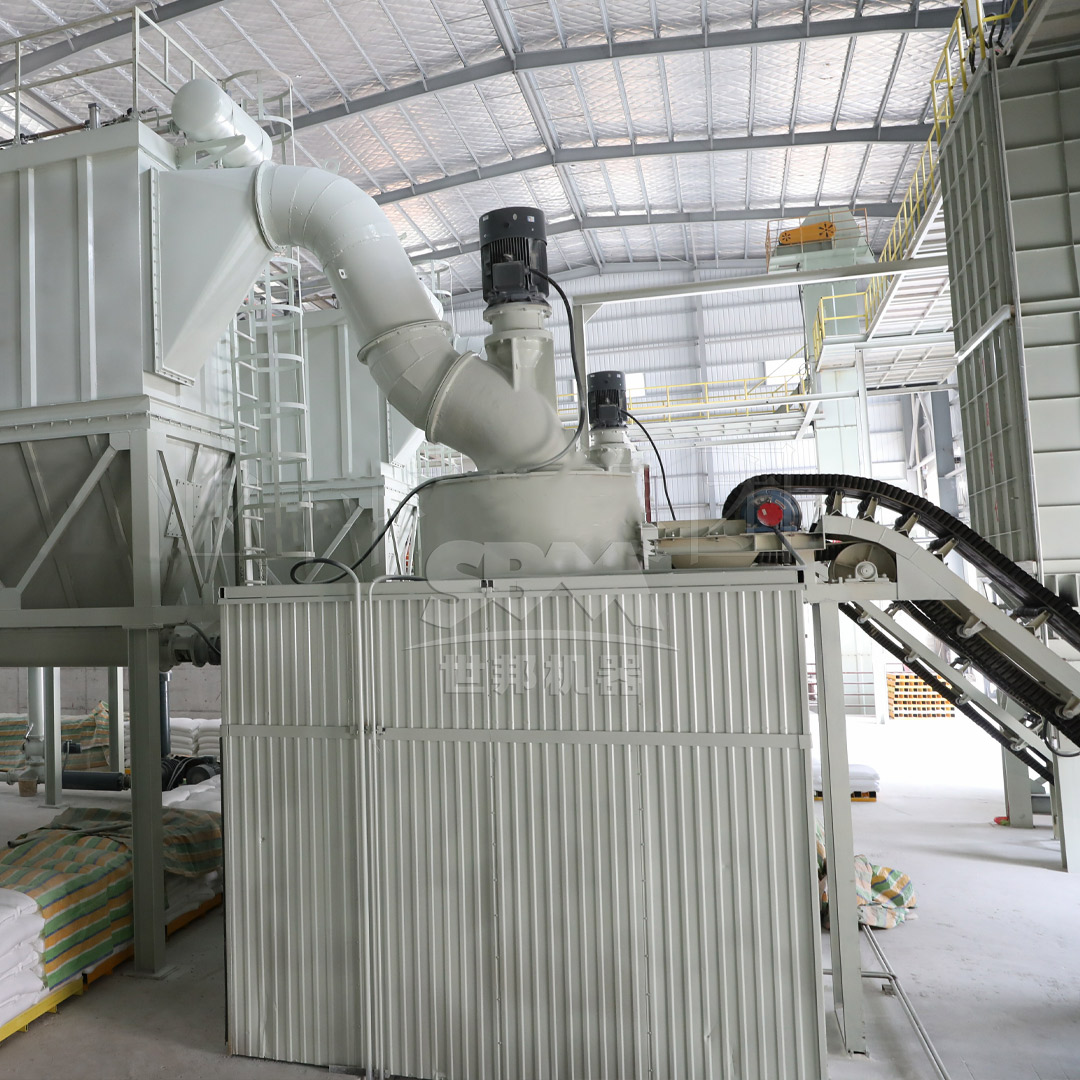
The definition of ‘ultrafine’ varies. For plastics, the ‘active’ range is typically 2-10 microns. For critical applications like engineering plastics, a maximum particle top-cut (D97) of 10-15 microns is required to avoid surface defects. This demands a mill with a high-precision classifier. The SCM Series Ultrafine Mill stands out in this domain. It features a vertical turbine classifier that delivers precise particle size cutting (325-2500 mesh). This ensures no coarse powder mixing, delivering a uniform product that directly enhances the consistency of the plastic’s mechanical properties.
Evaluating Energy Efficiency and Yield
Powder production cost is a significant factor in the total cost of plastic compounds. Using outdated grinding equipment leads to higher energy consumption and lower yields. Modern technology is essential. Our SCM Series Ultrafine Mill is designed for high efficiency; its capacity is twice that of jet mills while consuming 30% less energy. This intelligent control system automatically compensates for material variations, ensuring stable output. For high-volume production of masterbatch and filled resins, this efficiency translates into direct profit margins.
Surface Treatment and Compatibility
Calcium carbonate is hydrophilic, while plastics are hydrophobic. Untreated powder will not disperse well. The selection tip is to ensure your powder supplier utilizes a consistent surface treatment process, typically with stearic acid. This coating reduces particle agglomeration and bridges the gap between the organic polymer and inorganic filler. The grinding process must ensure the surface chemistry is preserved. The pulse dust collection system on the SCM series ensures the powder is collected efficiently without degradation, maintaining the ideal surface conditions for subsequent coating.
Recommended Solution: The SCM Series Ultrafine Mill
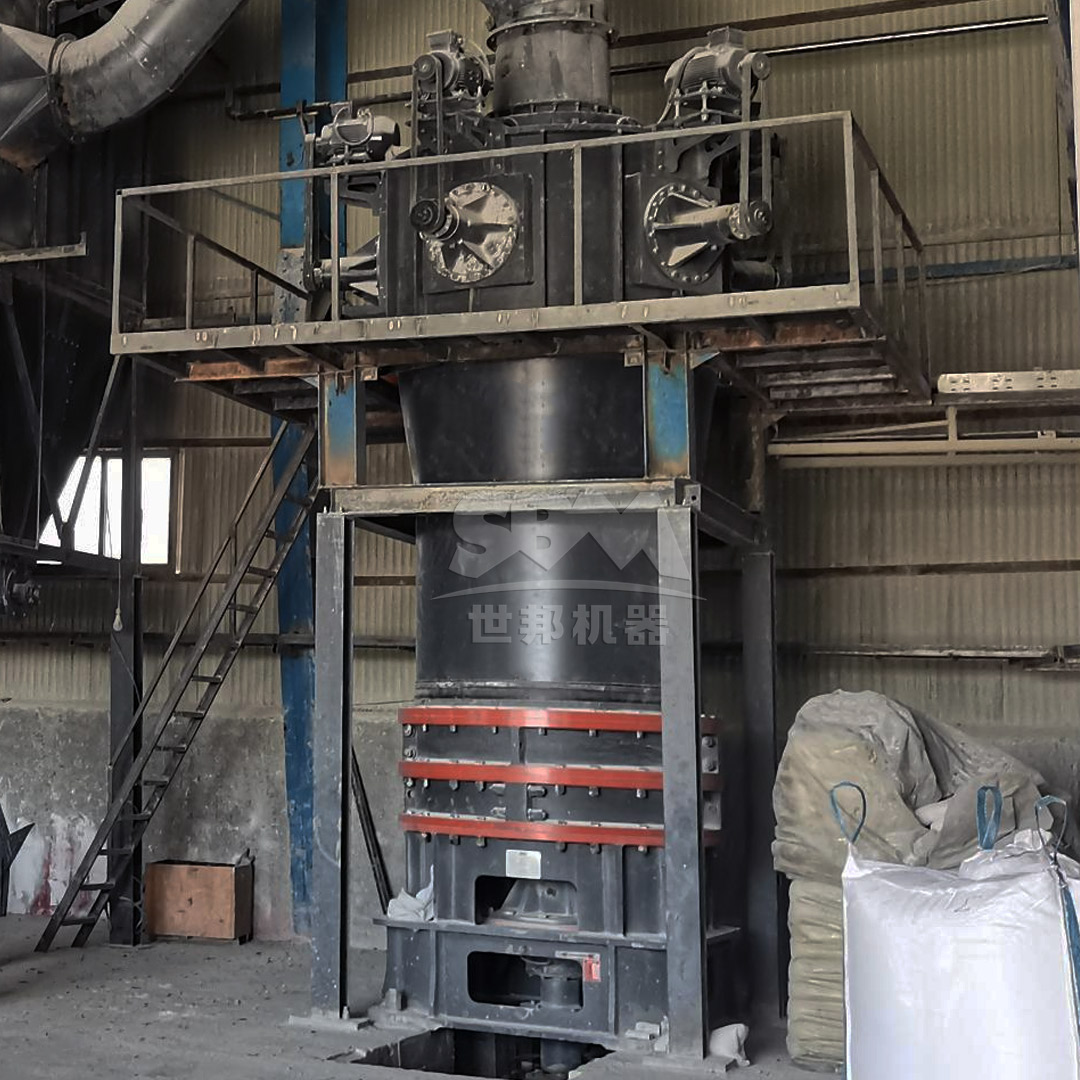
To achieve the highest value from your calcium carbonate filler—especiallly for high-end plastics requiring 5–45 micron output—we highly recommend the SCM Series Ultrafine Mill. This equipment is specifically engineered for the demanding requirements of the plastic filler market. It excels in producing the 325-2500 mesh powder that delivers the optimal balance of reinforcement and cost reduction. Whether you require the compact SCM800 (0.5-4.5 t/h) for a specialized operation or the high-output SCM1250 (2.5-14 t/h) for large-scale masterbatch production, the reliability, low noise, and durable design (special material rollers, shaftless screw) ensure a fast return on investment. Upgrade your powder production to unlock the full functional benefits of ultrafine calcium carbonate.
Conclusion
Ultrafine calcium carbonate is no longer just an inert filler; it is a strategic functional additive that enhances plastic performance while reducing cost. From improving impact resistance in packaging to providing rigidity in automotive parts, its role is indispensable. However, the realization of these benefits depends entirely on the quality of the grinding. The selection of sophisticated milling technology, particularly the energy-efficient and high-precision SCM Series Ultrafine Mill, is paramount. By adhering to the selection tips and leveraging advanced grinding solutions, manufacturers can produce superior plastic products that stand out in the competitive market.