The Role of Calcium Carbonate in Paints and Coatings: A Comprehensive Guide to Its Uses and Benefits
Introduction to Calcium Carbonate in the Paint Industry
Calcium carbonate (CaCO₃) is one of the most widely used functional fillers in the paints and coatings industry. As a naturally abundant mineral, it offers an exceptional balance of performance enhancement and cost efficiency. From architectural emulsions to industrial primers, calcium carbonate plays a multifaceted role that goes far beyond simple volume filling. It acts as a functional extender, a rheology modifier, and a durability enhancer. Understanding the technical benefits of this mineral is essential for formulators aiming to optimize product performance while managing production costs. In modern paint manufacturing, the physical properties of calcium carbonate—particularly particle size and distribution—dictate its effectiveness in the final formulation.
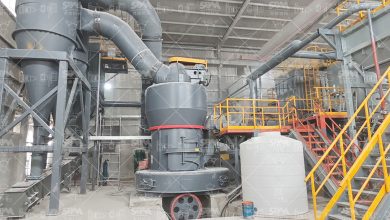
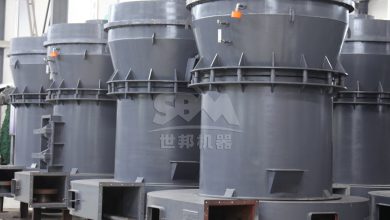
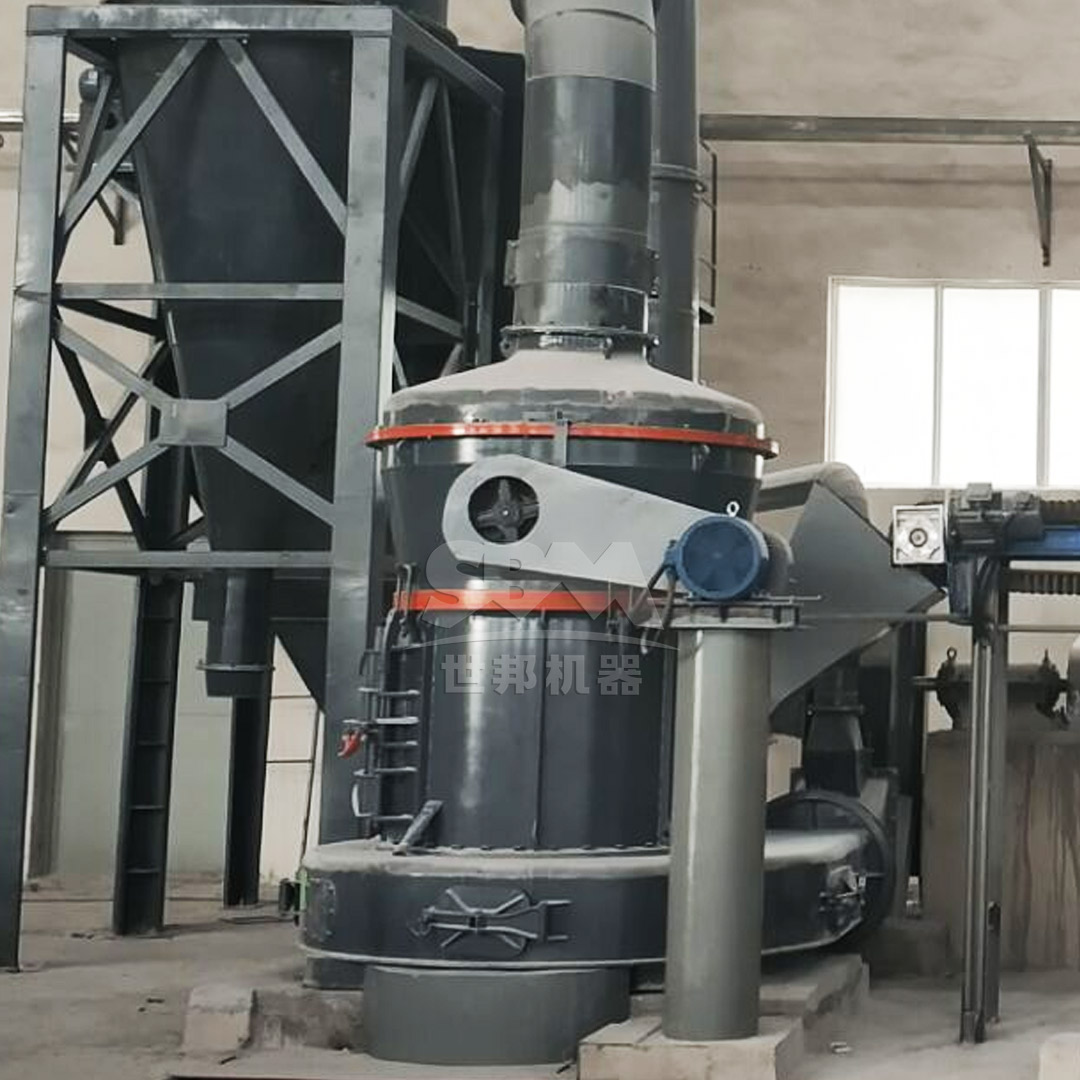
The selection of the appropriate calcium carbonate grade is a critical decision for paint formulators. Coarse grades (typically 45–75 μm) are used in textured coatings, while fine grades (5–45 μm) serve in smooth emulsions. However, for high-end applications such as automotive coatings or anti-corrosive primers, ultra-fine grades (down to 5 μm or smaller) are required. The grinding technology used to produce these fine powders directly impacts the gloss, opacity, and hiding power of the paint film. This is where advanced milling equipment becomes indispensable. For instance, our SCM Series Ultrafine Mill is engineered to produce precisely controlled particle sizes ranging from 325 to 2500 mesh (45–5 μm), ensuring that paint manufacturers achieve the exact specifications required for premium coating formulations.
Key Functional Benefits of Calcium Carbonate in Paints
1. Opacity and Hiding Power Enhancement
Titanium dioxide (TiO₂) is the primary pigment responsible for opacity in white paints, but its high cost necessitates efficient utilization. Calcium carbonate particles, when properly sized and dispersed, act as spacers between TiO₂ particles. This prevents the agglomeration of TiO₂, allowing each pigment particle to effectively scatter light. The result is improved hiding power with lower TiO₂ loading. Ultra-fine calcium carbonate, particularly with a particle size below 10 μm, provides the optimal spacing effect. Our SCM Series Ultrafine Mill, capable of achieving fineness between 5–45 μm, produces powders that maximize this spacing effect, enabling formulators to reduce TiO₂ content by 10–20% without compromising opacity.
2. Viscosity and Rheology Control
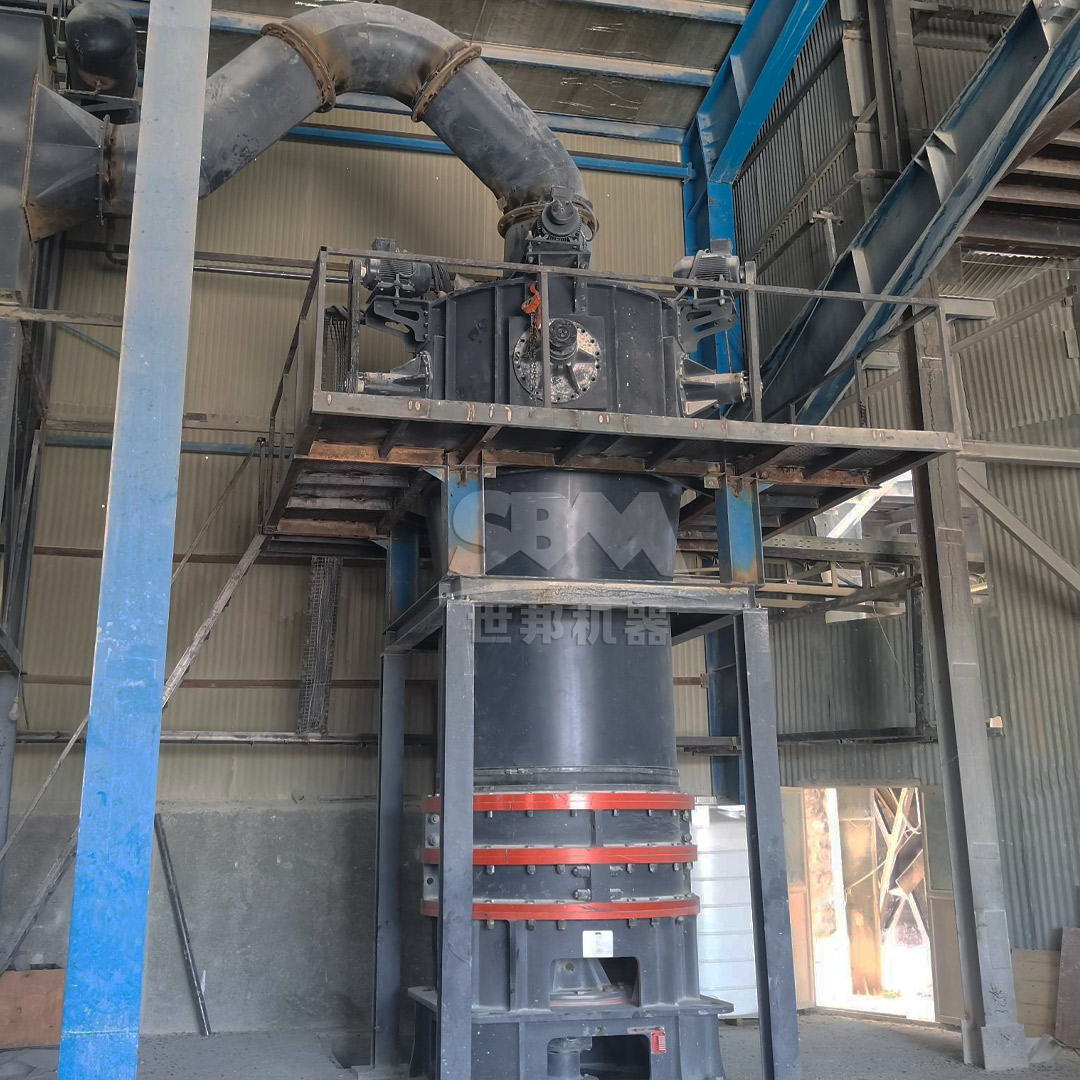
The particle size distribution of calcium carbonate significantly influences paint rheology. Fine particles with a narrow distribution create a thixotropic behavior, preventing sagging on vertical surfaces while maintaining excellent levelling properties. The controlled particle shape—whether cubic, acicular, or plate-like—determines the flow characteristics. Ground calcium carbonate produced by our MTW Series European Trapezium Mill, offering fineness from 30–325 mesh (600–45 μm), ensures consistent viscosity profiles. This mill’s patented internal suction oil lubrication system guarantees stable operation, producing powders with uniform particle shape that contributes to predictable rheological behavior in solvent-based and water-based systems alike.
3. Durability and Weather Resistance
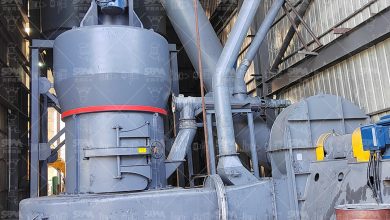
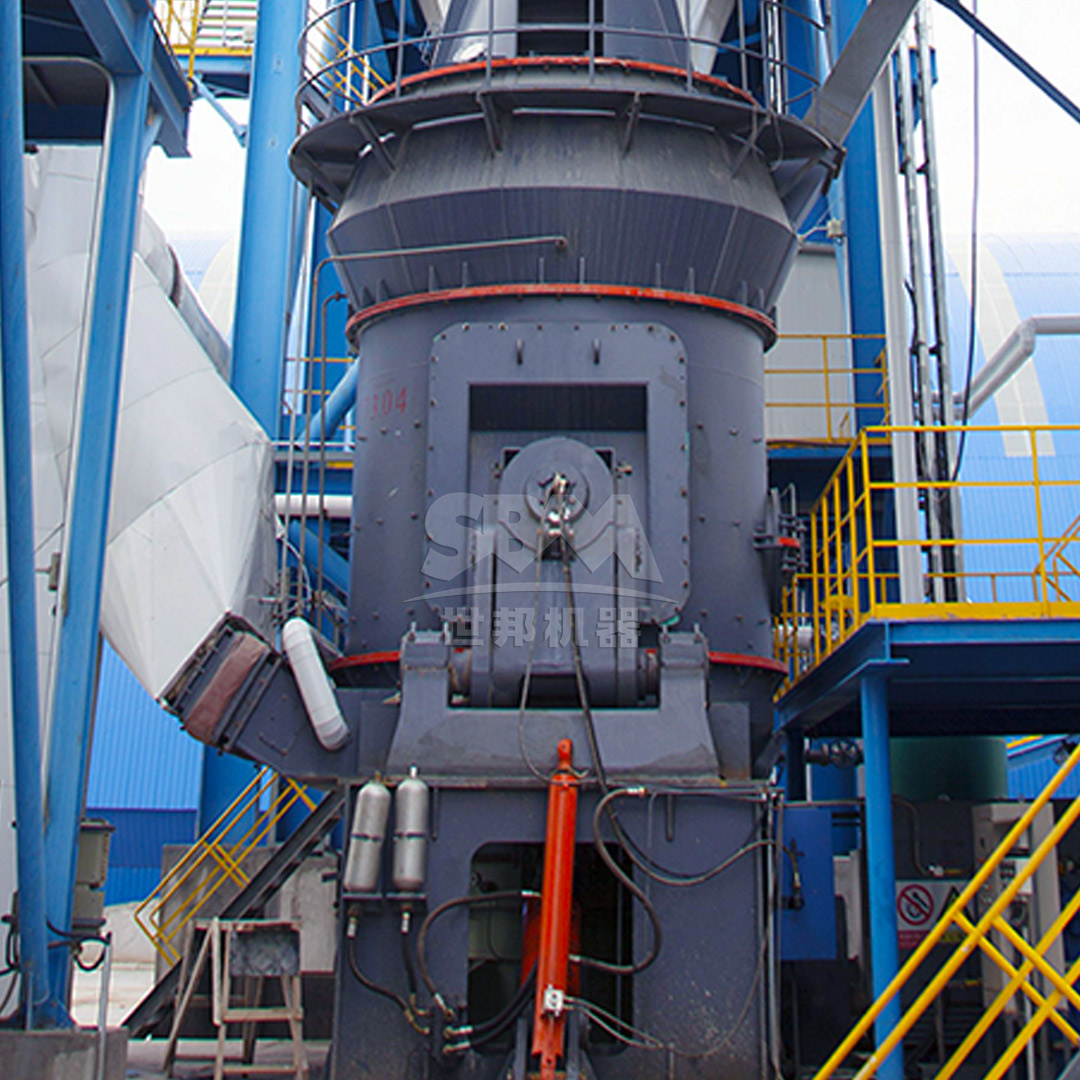
Exterior paints face harsh environmental conditions including UV radiation, moisture ingress, and temperature fluctuations. Calcium carbonate contributes to the durability of paint films by enhancing the packing density of the coating matrix. Dense particle packing reduces micro-porosity, limiting water penetration and preventing blistering or delamination. Furthermore, the alkaline nature of calcium carbonate neutralizes acidic pollutants in the atmosphere, protecting the polymer binder from acid-catalyzed degradation. For exterior applications requiring robust weather resistance, finer particle size distributions are preferred. The LM Series Vertical Roller Mill produces powders from 30–325 mesh with an integrated classification system that ensures no coarse particles contaminate the final product. This precision directly translates into smoother, more durable paint films that withstand years of environmental exposure.
4. Gloss and Sheen Control
Paint formulators use calcium carbonate strategically to control the final gloss level. Coarse particles (above 20 μm) create surface roughness that scatters light, producing matte finishes. Conversely, ultra-fine particles (below 10 μm) allow a smoother film surface, enabling high-gloss formulations. The ability to tailor particle size precisely is essential for producing a full range of finishes from flat to high-gloss. Our SCM Series Ultrafine Mill with its vertical turbine classifier achieves razor-sharp particle size cuts, preventing the mixing of coarse fractions that would otherwise ruin gloss development. This ensures that formulators can consistently replicate their desired finish across production batches.
5. Cost Reduction and Sustainability
Beyond performance benefits, calcium carbonate serves as a cost-effective extender, replacing a portion of more expensive resins and pigments. By incorporating well-designed calcium carbonate products, paint manufacturers can reduce formulation costs by 15–30% while maintaining—or even improving—performance characteristics. This economic advantage does not come at the expense of quality. Additionally, calcium carbonate is a naturally abundant, non-toxic mineral, making it a sustainable choice for environmentally conscious brands. Its use can contribute to meeting low-VOC (volatile organic compound) requirements since it contains no organic solvents. The energy-efficient production of this filler further reduces the carbon footprint. Our MTW Series mills are designed with an optimized arc air duct that reduces airflow energy loss, and with transmission efficiency up to 98%, they exemplify sustainable manufacturing practices.
Advanced Processing Technology for Superior Paint Grades
The quality and consistency of calcium carbonate fillers depend entirely on the milling technology employed. Traditional ball mills produce broad particle size distributions with significant oversize content, leading to inconsistent paint performance. Modern classifier-equipped mills, however, deliver precisely controlled specifications. The SCM Series Ultrafine Mill we manufacture features a three-layer grinding ring system and a vertical turbine classifier, achieving efficient grinding with minimal energy consumption. Its intelligent control system automatically adjusts parameters to maintain consistent particle size, even as feed material characteristics vary. With capacity ranging from 0.5 to 25 ton/h, this mill suits both medium-scale producers and large-volume manufacturers. For applications requiring a broader particle range, our MTW Series European Trapezium Mill offers exceptional versatility with output fineness adjustable from 600 μm down to 45 μm, accommodating various paint grades from primer to topcoat.
Both mills incorporate eco-friendly features crucial for responsible manufacturing. The pulse dust collection system on the SCM series exceeds international standards, capturing more than 99.9% of fine particles. The soundproof room design ensures noise levels remain below 85 dB, creating a safer working environment. These features align with the industry’s increasing focus on environmental compliance and worker safety, positioning our equipment as part of a sustainable production strategy.
Industry-Specific Applications of Calcium Carbonate
In architectural coatings, calcium carbonate is indispensable, providing body and texture to interior wall paints. For anti-corrosive primers, the filler improves film integrity, preventing electrolyte penetration to metal substrates. Wood coatings utilize calcium carbonate to control absorption into porous surfaces, ensuring even application and finish. In automotive OEM and refinish coatings, ultra-fine grades contribute to the high-gloss, smooth surfaces that consumers expect. The choice of particle size directly affects application properties: spray viscosity, leveling, and the tendency for sagging. Therefore, the availability of a wide range of precisely classified grades is essential for serving diverse market segments. Our comprehensive portfolio of mills—from the compact SCM800 with 0.5–4.5 t/h capacity to the large-scale SCM1680 handling up to 25 t/h—allows us to tailor equipment to our customers’ specific production scale and particle size requirements.
Quality Control and Particle Size Analysis
Consistent particle size distribution is the most critical quality parameter for calcium carbonate in paints. Variations in d50 (median particle diameter) or the presence of a coarse tail can alter viscosity, gloss, and opacity. Advanced mills incorporate online particle size measurement systems that provide real-time feedback to the classifier speed controller. This closed-loop system ensures that even minute deviations are corrected instantly, guaranteeing reproducible powder quality. Our LM Series Vertical Roller Mill includes an expert-level auto-control system that monitors multiple parameters, including grinding pressure, table speed, and classifier rpm. This intelligent system reduces manual intervention by up to 70%, improving batch-to-batch consistency. Paint manufacturers can thus rely on receiving filler with a consistent specification, which is paramount for their own quality assurance and for compliance with international standards like ISO 3262 and ASTM D476.
Recommendations: Selecting the Right Milling Solution
For paint and coating manufacturers who process calcium carbonate in-house, or for mineral processors supplying the paint industry, the choice of milling equipment is pivotal. If the target is achieving ultra-fine grades for premium paints (325–2500 mesh, 45–5 μm) with narrow distribution and high efficiency, the SCM Series Ultrafine Mill is our recommended solution. Its capacity, which is twice that of jet mills with 30% lower energy consumption, offers a compelling return on investment. The intelligent control ensures automatic feedback on finished product granularity, making the process robust and user-friendly.
Alternatively, for manufacturers producing a wider range of paints from building materials to industrial primers, the MTW Series European Trapezium Mill provides exceptional versatility. Its output fineness spans from 600 μm down to 45 μm, covering all standard paint filler requirements. The integral bevel gear drive with 98% transmission efficiency ensures lower operational costs, while the anti-wear shovel design reduces maintenance frequency. With capacities from 3 to 45 t/h, this series accommodates both medium and large producers. Ultimately, our technical team can provide a feasibility study to match the correct mill model—whether SCM, MTW, LM, or MTM—to your specific product portfolio and throughput targets.
Conclusion
Calcium carbonate remains a cornerstone material in paint and coatings formulations. Its ability to modify optical properties, control rheology, enhance durability, and reduce costs is unmatched by any other filler. The key to maximizing these benefits lies in the precision and consistency of the milling process. Advanced grinding technologies like our SCM Series and MTW Series mills empower formulators with uniform particles tailored to their exact specifications. As the coatings industry moves toward higher performance and greater sustainability, the role of well-processed calcium carbonate will only become more central. We invite you to partner with us in producing the high-quality fillers that will define the future of paints and coatings.