How to Grind Carbon Black: Best Mill Types for Carbon Black Powder Processing
Introduction to Carbon Black Grinding
Carbon black is an exceptionally versatile material, widely used in rubber reinforcement, plastics, inks, coatings, and battery manufacturing. Its unique properties—such as high surface area, fine particle size, and strong pigmentation—demand specialized processing equipment. Grinding carbon black is not a simple task; it requires mills that can handle its abrasive nature while achieving ultra-fine particle distributions without compromising efficiency.
Selecting the right milling equipment is critical. The choice depends largely on the desired fineness, throughput capacity, and the physical characteristics of the raw carbon black feedstock. Whether you are processing furnace black, thermal black, or acetylene black, the milling system must provide consistent particle size reduction while minimizing energy consumption and equipment wear. This article explores the best mill types for carbon black powder processing, comparing their advantages, limitations, and ideal application scenarios.
The Challenges of Carbon Black Milling
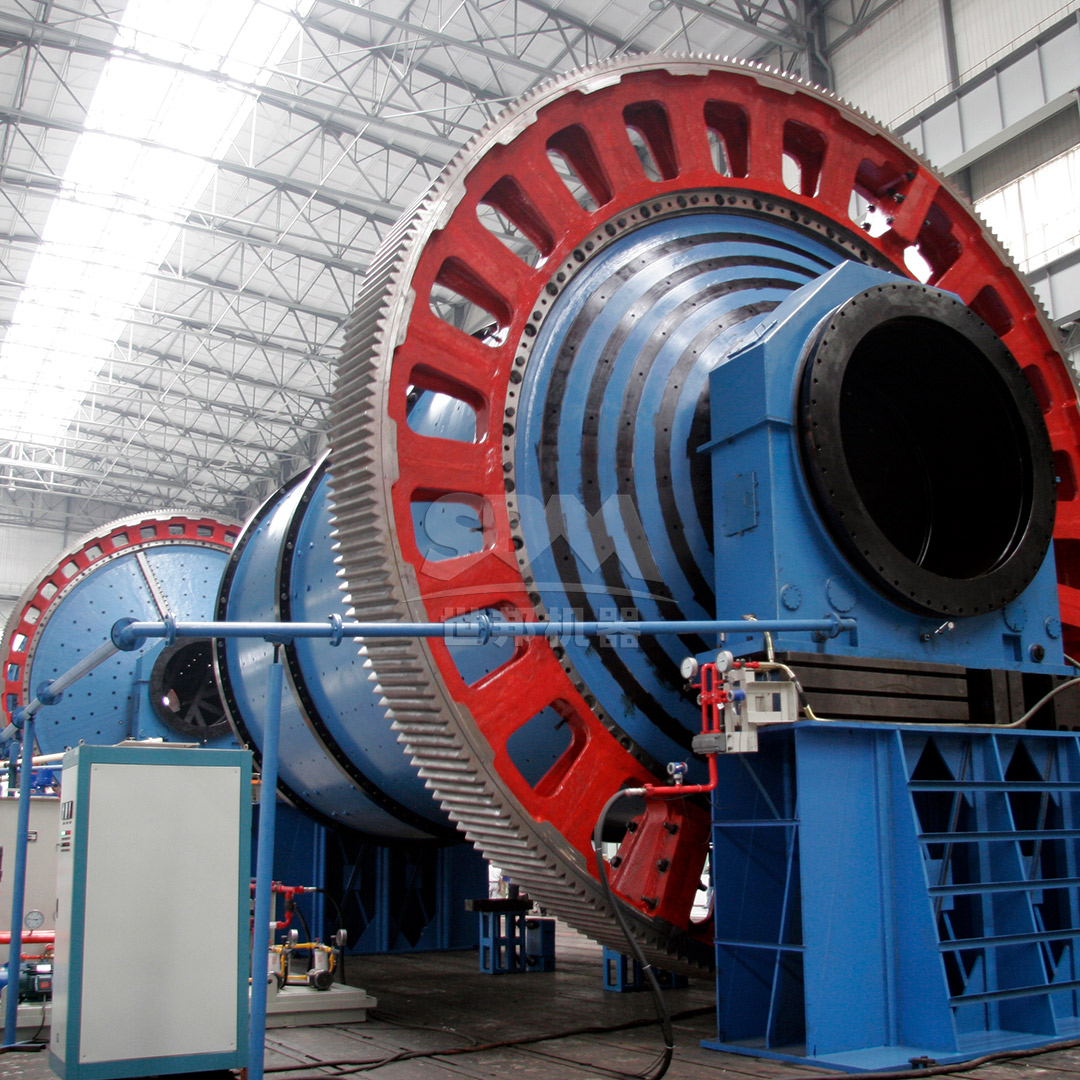
Carbon black presents several processing challenges. Firstly, it has a very low bulk density, making it prone to agglomeration. The particles tend to stick together due to van der Waals forces, making uniform grinding difficult. Secondly, carbon black is abrasive, which accelerates the wear of grinding parts, leading to increased maintenance costs. Thirdly, the demand for ultra-fine powder (often below 10 microns) requires high-energy mills, but excessive energy input can degrade the surface chemistry of the particles.
Given these challenges, a mill must offer precise classification to avoid over-grinding, wear-resistant components to prolong service life, and a robust design to handle the material’s flow characteristics. Let’s examine the most effective grinding solutions available on the market today.
SCM Series Ultrafine Mill: The Ideal Choice for Ultra-Fine Grinding (45-5μm)
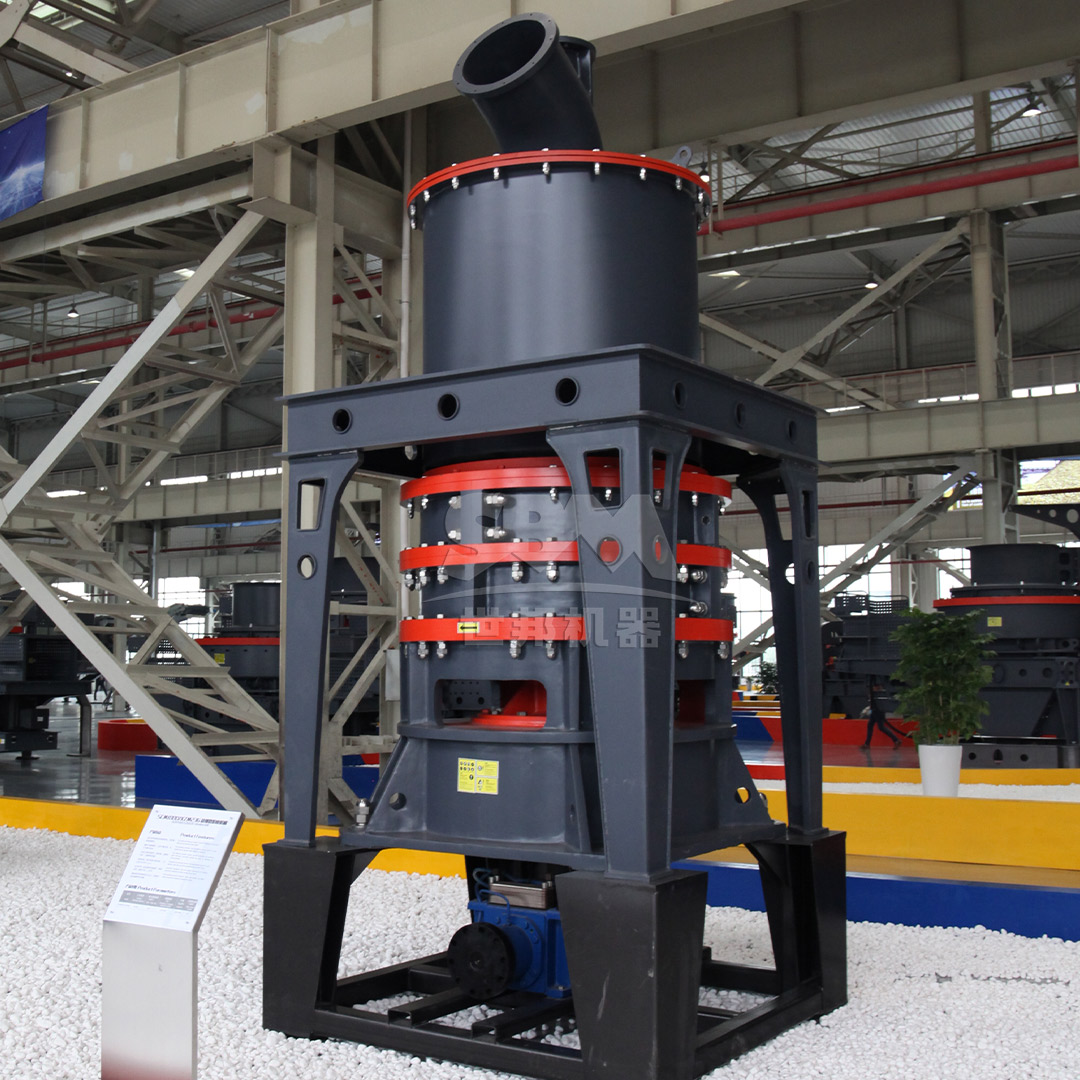
For applications demanding extremely fine powders in the range of 325 to 2500 mesh (approximately 45 to 5 microns), the SCM Series Ultrafine Mill stands out as the premier solution. This mill is specifically engineered to overcome the difficulties of grinding materials like carbon black. Its capacity is reportedly 2x that of jet mills, while consuming 30% less energy, making it a highly economical option for fine powder producers.
The working principle of this mill is designed for efficiency. The main motor drives three layers of grinding rings to rotate, and materials are dispersed into the grinding path by centrifugal force. The crushing happens through roller pressure, layer by layer, ensuring uniform stress applied to the particles. The high-precision vertical turbine classifier guarantees a sharp particle size distribution with no coarse powder mixing, which is essential for high-end applications like inks and coatings.
Our company’s SCM1250 model (Capacity: 2.5-14t/h, Main Power: 185kW) is an excellent representative of this series. It offers an ideal balance between throughput and finesse. Additionally, the SCM1680 model (Capacity: 5.0-25t/h) is available for large-scale producers requiring massive output, providing the same high-precision classification with a main power of 315kW. These models feature special material rollers and rings that extend service life several times over, directly addressing the abrasiveness of carbon black.
MTW Series European Trapezium Mill: Robust Solution for Medium Finesse (600-45μm)
When the target fineness is between 30 and 325 mesh, the MTW Series European Trapezium Mill offers a rugged and highly efficient solution. This mill is particularly well-suited for processing materials with higher moisture content or varying hardness levels. It features a unique anti-wear shovel design and an optimized arc air duct that reduces airflow energy loss, significantly improving transmission efficiency.
The transmission system utilizes an integral bevel gear drive with efficiency up to 98%. This design not only saves space but also reduces installation costs. For carbon black processing, the wear-resistant volute structure is a critical advantage, as it reduces maintenance costs by 30% compared to standard mills. The classification system is precise, ensuring the finished product meets strict size specifications.
The MTW175G (Capacity: 9.5-25t/h) and MTW215G (Capacity: 15-45t/h) are powerful options within this category. They are capable of handling feed sizes up to 40-50mm, making them flexible for various pre-processing stages. If you are seeking a balance between production capacity and moderate fineness, these models are excellent candidates.
LUM Ultrafine Vertical Roller Mill: Specialized for Fine Carbon Black
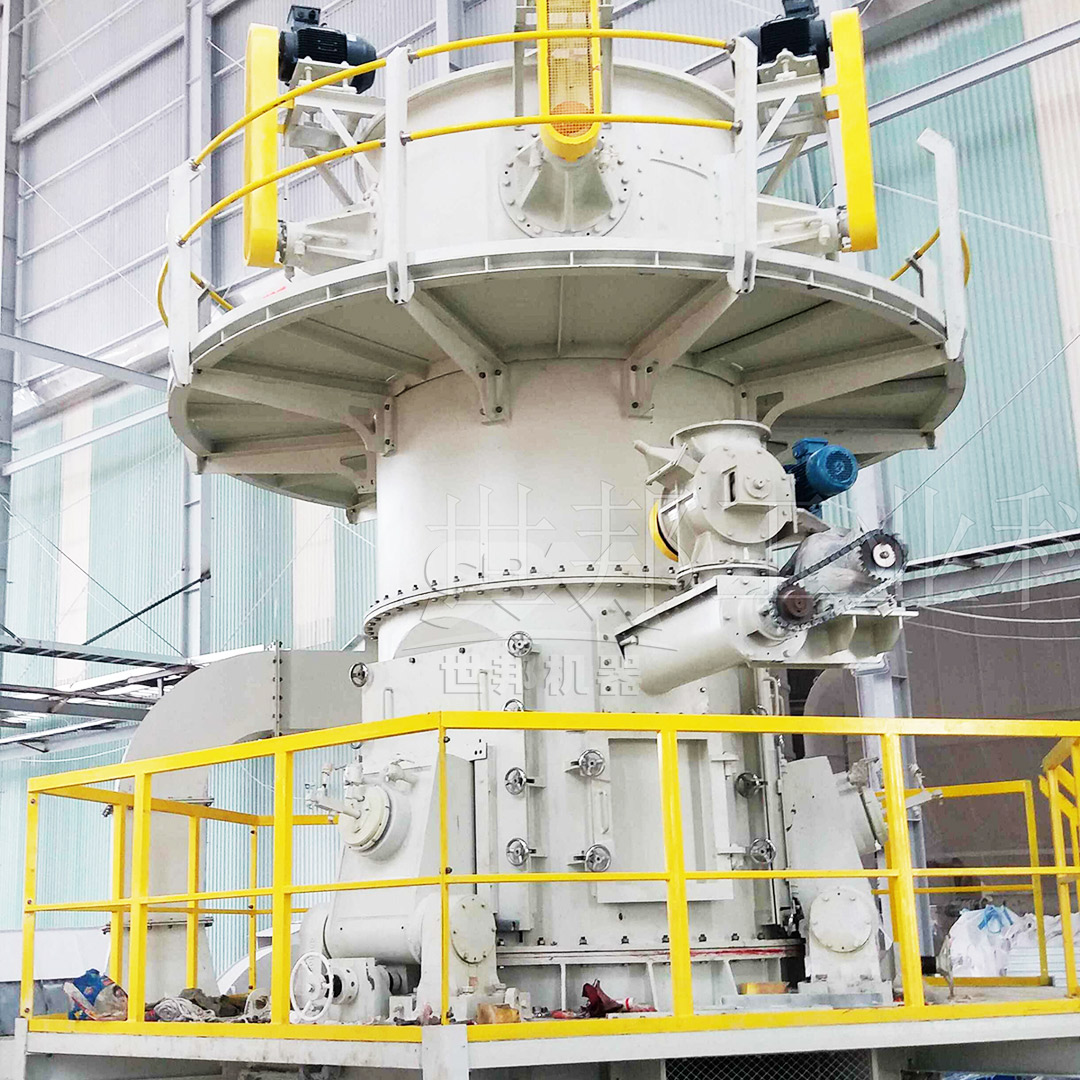
Another standout technology for fine carbon black grinding is the LUM Ultrafine Vertical Roller Mill. This system offers output fineness from 325 to 2500 mesh, similar to the SCM series, but operates on a different principle. It uses a unique roller and liner curve design that enhances grinding efficiency, paired with multi-rotor classifying technology to prevent coarse particles from contaminating the finished powder.
The LUM mill is ideal for projects requiring PLC automation and very stable operation. It operates under negative pressure, ensuring a dust-free environment. For carbon black, this is particularly important due to the health and safety concerns associated with fine carbon dust. Models like the LUM1632 (220–315kW) can produce 2–13.5 t/h, making it perfect for mid-sized operations looking for high-value, ultra-fine products.
LM Series Vertical Roller Mill: For High-Capacity Coarse to Medium Grinding
If your processing line focuses on large volumes with a moderate fineness requirement (170-40μm), the LM Series Vertical Roller Mill excels. This mill integrates crushing, grinding, and selection in one system, which reduces floor space by 50%. It offers significantly lower operating costs than traditional ball mills, with energy consumption 30-40% lower.
The design features a non-contact between rollers and table, which increases wear part life by 3 times. For carbon black, this means less downtime and lower replacement part costs. The LM190K model (23-68t/h) is a popular choice for large-scale chemical plants. However, it is worth noting that for ultra-fine carbon black (below 45 microns), the SCM or LUM mills remain the superior choices.
Conclusion: Selecting the Right Grinding Equipment
In conclusion, the grinding of carbon black is a specialized process that requires careful equipment selection. For most high-value applications requiring ultra-fine powders (D97 = 5-45μm), the SCM Series Ultrafine Mill offers unbeatable efficiency, precise classification, and energy savings that directly improve profitability. With models ranging from the SCM800 to the SCM1680, we can cater to capacities from 0.5 t/h to 25 t/h.
For medium fineness with high throughput, the MTW Series provides a durable and heavy-duty solution. Ultimately, our recommendation is to utilize the SCM1250 Ultrafine Mill for premium carbon black powder processing, as it integrates high capacity (up to 14t/h) with the ultra-fine output needed for high-performance materials. For clients with even larger production demands, we suggest our SCM1680 model, ensuring top-tier efficiency in the 5.0-25 t/h range.
By matching the mill type to your specific particle size and capacity requirements, you can ensure optimal quality, lower energy bills, and a quick return on investment.