Graphite Powder Classifications and Applications: A Complete Guide for Industrial Buyers
Introduction to Graphite Powder as an Industrial Material
Graphite powder, a crystalline form of carbon, is a critical raw material in numerous industrial sectors due to its unique combination of physical and chemical properties. Its high thermal conductivity, excellent electrical conductivity, natural lubricity, resistance to high temperatures, and chemical inertness make it indispensable in applications ranging from lithium-ion batteries to refractory materials. For industrial buyers, understanding the classification of graphite powder is essential for selecting the right type for a specific manufacturing process. The performance of the final product—whether it is advanced ceramics, conductive coatings, or steelmaking agents—relies heavily on the particle size distribution, purity, and crystalline structure of the graphite powder utilized.
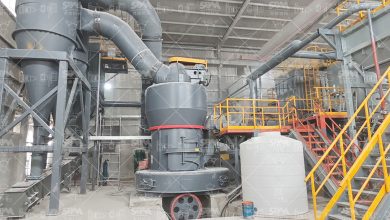
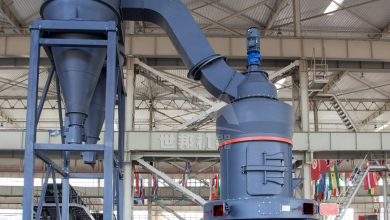
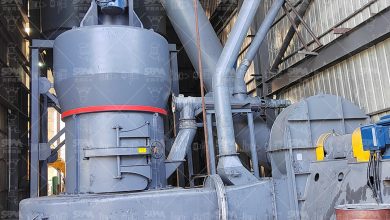
As a leading grinding equipment manufacturer, we provide the machinery that transforms raw graphite ore into the precision powders required by modern industry. The journey from mined mineral to superfine powder requires specialized milling technology that can deliver consistent fineness without introducing contamination. This guide serves to demystify the classifications of graphite powder while highlighting how modern grinding solutions, such as our LUM Ultrafine Vertical Roller Mill and SCM Series Ultrafine Mill, enable producers to meet the highest quality standards.
Classification 1: Natural Graphite vs. Synthetic Graphite
The most fundamental classification divides graphite into natural and synthetic types. Natural graphite is mined from metamorphic deposits and typically requires minimal processing post-extraction, though it must be pulverized to specific grades. It is further subdivided into three main forms: flaky graphite, vein graphite, and amorphous graphite. Flaky graphite is highly anisotropic, possessing excellent thermal and electrical conductivity along its layers, which makes it ideal for use in brake linings and expanded graphite products. Amorphous graphite (technically cryptocrystalline) has a lower degree of crystallinity and is typically used in foundry facings and lubricants.
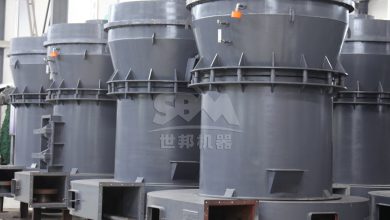
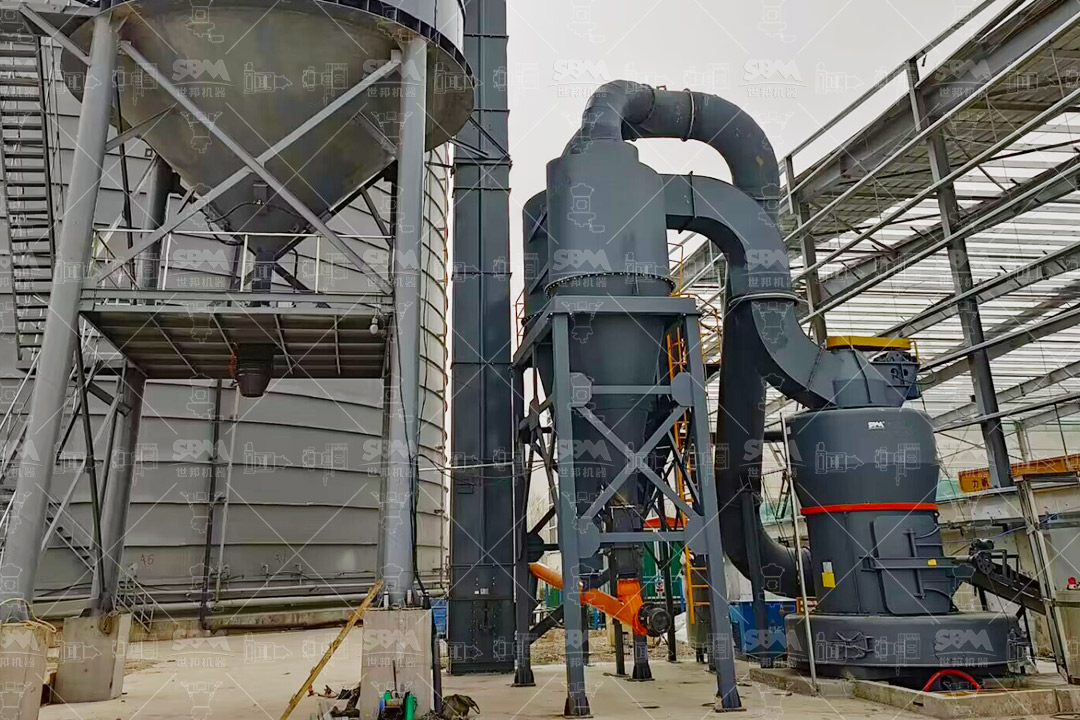
Conversely, synthetic graphite is manufactured through the high-temperature processing of carbon-based precursors, such as petroleum coke or coal tar pitch. This process, known as graphitization, produces a highly ordered crystalline structure. Synthetic graphite offers higher purity and consistent quality compared to natural alternatives, making it essential for demanding applications like semiconductor components and nuclear moderators. However, the production of synthetic graphite is energy-intensive. For industrial buyers, the choice between natural and synthetic often hinges on the required purity and budget constraints. The milling process for both types requires robust equipment that can handle abrasive materials, and our MTW Series European Trapezium Mill is specifically designed for high-efficiency grinding in the 600-45μm range, offering a cost-effective solution for standard graphite primary milling.
Classification 2: Particle Size Distribution and Fineness
Beyond the source, industrial buyers must classify graphite powder by its particle size, which is often measured in microns (μm) or mesh. The specification of fineness dictates the application. For instance, medium-fine graphite powder (typically 100-300 mesh) is used in steelmaking as a recarburizer. Fine powders (325-800 mesh) are common in powder metallurgy and foundry coatings. However, the modern era of advanced materials—particularly for battery anodes and high-performance polymer composites—demands ultrafine graphite powder in the range of 5μm to 45μm (approximately 325-2500 mesh).
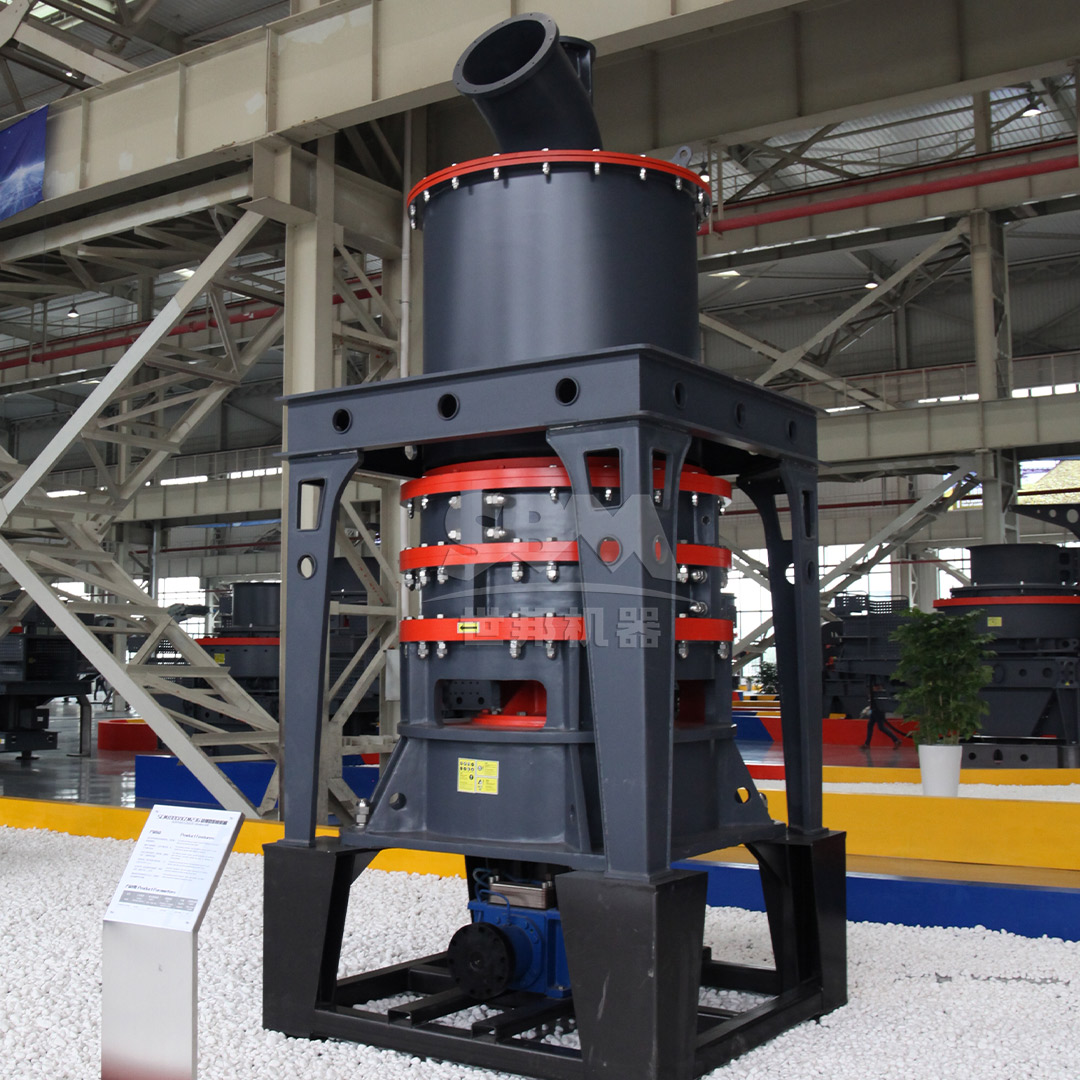
To achieve this superfine classification, standard grinding machinery often falls short due to limitations in classifier efficiency. This is where specialized ultrafine mills become crucial. Our SCM Series Ultrafine Mill (45-5μm) is engineered explicitly for this task. With an input size of ≤20mm, the SCM series can produce powders with a fineness of 325-2500 mesh. Its technical advantages are predicated on a high-precision vertical turbine classifier, which ensures that there is no mixing of coarse powder in the final product, guaranteeing uniformity. For buyers processing graphite for anode materials, the SCM mill’s intelligent control system with automatic finished product granularity feedback ensures that the target particle size is consistently met, providing a significant competitive edge in a market that demands strict quality control.
Classification 3: Purity and Ash Content
Purity is a non-negotiable parameter for graphite powder, especially in high-end applications. The ash content—the inorganic residue left after combustion—determines the suitability of the powder for applications like conductive inks or nuclear-grade components. High-purity graphite demands a carbon content of >99.9%. While the chemical purification process (using acids or high-temperature treatments) occurs before grinding, the milling process must not introduce impurities. Equipment wear due to abrasive graphite is a common source of contamination.
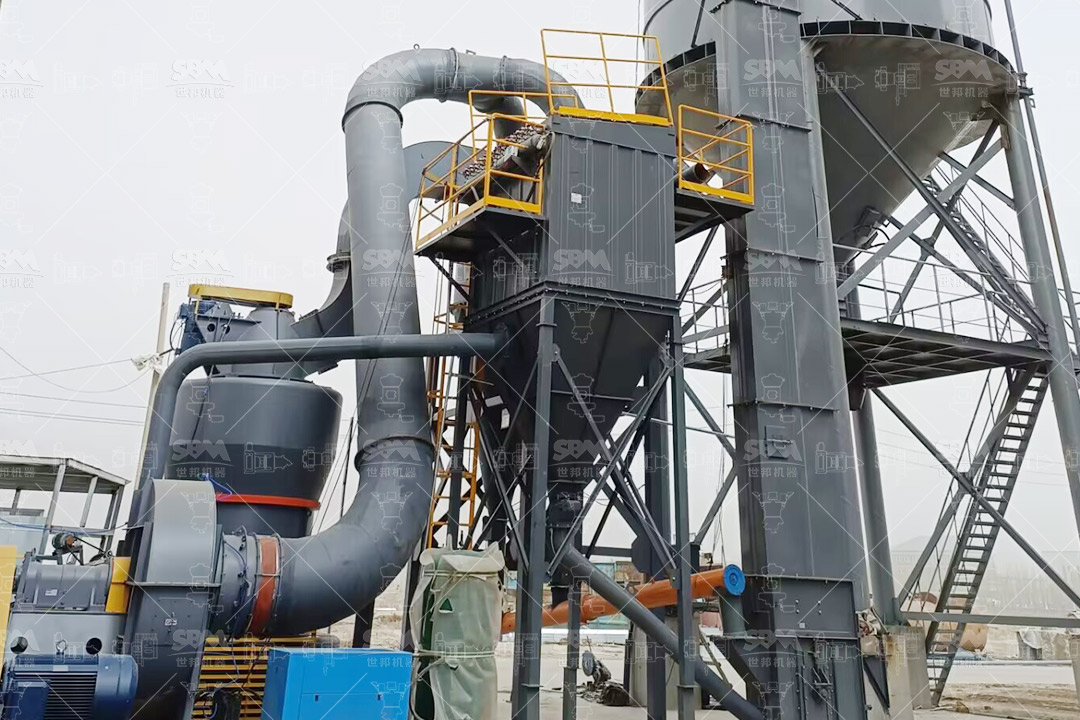
To mitigate this, our LUM Ultrafine Vertical Roller Mill employs wear-resistant roller and liner materials, designed to extend service life significantly while reducing metal-to-metal contact. The LUM series, with a fineness range of 325-2500 mesh and a feed size of 0-20mm, utilizes a unique roller/liner curve design that maximizes grinding efficiency without excessive pressure. This ensures that the carbon structure is not destroyed and that purity levels are maintained throughout the mechanical reduction process. Furthermore, the entire LUM system operates under negative pressure, ensuring a dust-free environment that complies with strict environmental standards, a crucial factor for producers targeting export markets.
Applications of Classified Graphite Powders
The application matrix for graphite powder is vast and varied. In the energy sector, the demand for graphite is exploding due to the adoption of electric vehicles. Ultrafine graphite (5-20μm) is the primary material for the anode of the most common lithium-ion batteries. The morphological characteristics—spherical shape and narrow particle size distribution—are critical here. Suppliers processing this material require milling equipment capable of selective grinding. The SCM Ultrafine Mill excels here due to its layered grinding principle, which involves three layers of grinding rings that apply precise pressure, resulting in fewer sharp edges on the final particles compared to traditional impact mills.
In the refractory industry, graphite’s high melting point and resistance to thermal shock are vital. Here, a coarser flake (often 75-150 microns) is preferred to maintain structural integrity. Producers use pendulum mills or trapezium mills for this stage. In the lubricants and coatings market, very fine grades are used to prevent wear and provide corrosion resistance. The processing of these grades often involves mixing graphite with resins; the powder must be completely homogeneous. Our MTW series ensures that the particle size distribution is exceptionally narrow, which improves the finish quality of the coating.
Ultimately, for industrial buyers looking to optimize their production lines, the selection of grinding machinery is as critical as the selection of the raw material itself. A mismatch between the mill’s capabilities and the target fineness can lead to high energy costs and low throughput. Below is a recommendation for a specific application matrix.
Recommendation: SCM Series Ultrafine Mill for High-Value Processing
For buyers focused on the production of high-value graphite products such as anode materials, polymer fillers, or high-end powder metallurgy, we strongly recommend the SCM Series Ultrafine Mill. With a capacity ranging from 0.5 t/h to 25 t/h depending on the model (SCM800 to SCM1680), it offers flexibility for both small-scale pilot plants and large-scale industrial production. The flagship model, the SCM1250, offers a capacity of 2.5-14 t/h with a main power of 185kW, balancing energy efficiency with high output. The critical advantage of the SCM is its capacity—which is reported to be twice that of jet mills while consuming 30% less energy. This translates to a rapid return on investment for operations processing abrasive materials day and night.
Conclusion
Selecting the correct classification of graphite powder is a complex decision that impacts production efficiency and product quality. By understanding the interplay between crystalline structure, mesh size, and purity, buyers can make informed decisions. However, the physical ability to classify these powders accurately rests on the capabilities of the grinding machinery. Whether you require ultra-fine powders for cutting-edge battery technology or standard mesh sizes for construction materials, our portfolio of grinding solutions ensures that you can achieve the exact specifications required. We invite you to consult with our engineers to find the optimal milling configuration for your specific graphite processing needs.