Efficient Comprehensive Utilization of Calcium-Magnesium Waste Slag: Advanced Grinding and Processing Solutions
Introduction
Calcium-magnesium waste slag, a byproduct of various industrial processes such as steelmaking, ferroalloy production, and chemical manufacturing, has long posed significant environmental and disposal challenges. Historically, this material was often stockpiled or landfilled, consuming valuable land resources and creating potential pollution risks due to its alkaline nature and fine particulate matter. However, in an era increasingly focused on circular economy and sustainable development, this waste slag is now recognized as a valuable secondary resource. Its chemical composition, rich in calcium oxide (CaO), magnesium oxide (MgO), and silicon dioxide (SiO2), makes it an excellent raw material for a wide range of applications, including cement and concrete admixtures, soil stabilization, construction aggregates, and even synthetic marble production.
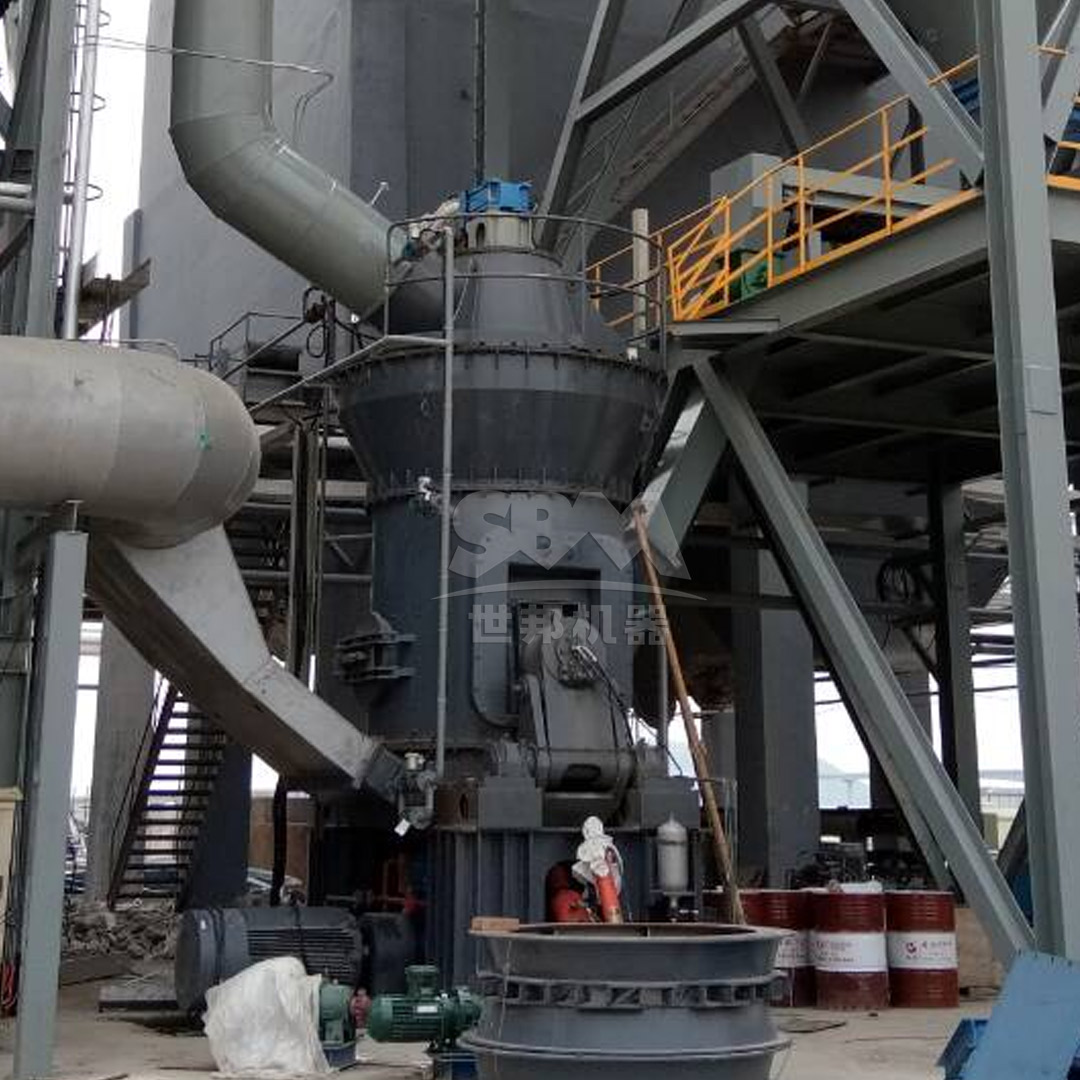
The key to unlocking this value lies in efficient and advanced grinding and processing technologies. The physical and chemical properties of the slag—its hardness, abrasiveness, and moisture content—demand robust and highly efficient milling solutions. Traditional ball mills, while versatile, often suffer from high energy consumption and limited fineness control, especially when targeting the very fine particle sizes required for high-value applications. To achieve maximum economic and environmental benefit, modern processing plants require equipment that offers low energy consumption, high capacity, precise classification, and exceptional durability. This article explores advanced grinding solutions for calcium-magnesium slag, focusing on technologies that transform an environmental liability into a profitable resource.
The Challenge of Processing Calcium-Magnesium Slag
Calcium-magnesium waste slag is characterized by its high hardness and abrasiveness, which can cause rapid wear to conventional grinding components. Additionally, the material often contains metallic iron particles that must be removed before or during the grinding process to prevent damage to the mill and ensure product purity. The target fineness for value-added applications typically ranges from a coarse 200 mesh (74 μm) for cement replacement up to an ultrafine 1250 mesh (10 μm) or finer for high-performance fillers and coatings. Achieving this range efficiently requires a grinding system that can handle the material’s unique challenges while maintaining high throughput and low operational costs.
Advanced Grinding & Classification: The Core Technology
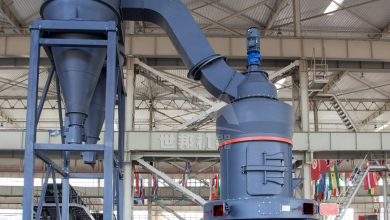
Modern slag processing lines are increasingly turning to advanced grinding technologies that overcome the limitations of older systems. Integrated grinding and classification systems are now the industry standard. These closed-circuit systems allow for continuous removal of finished product, preventing over-grinding and improving energy efficiency. The use of vertical roller mills and high-efficiency classifiers has proven particularly effective. For instance, the LUM Ultrafine Vertical Roller Mill is an ideal solution for producing high-value, ultra-fine slag powder.
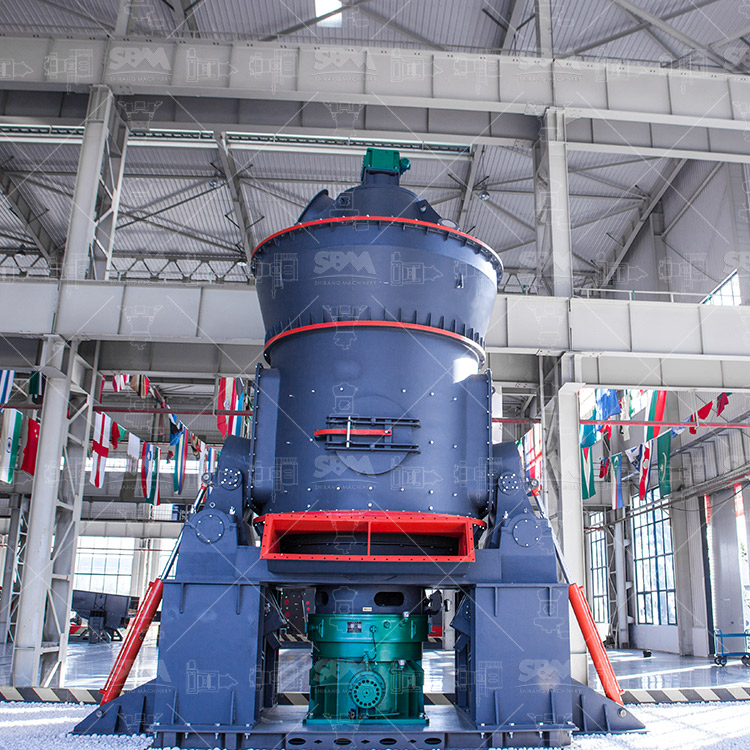
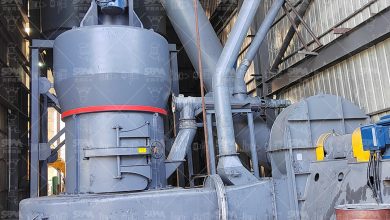
This mill utilizes a unique roller and liner curve design to create an efficient grinding bed. The material is ground between the rollers and the rotating table under hydraulic pressure. Hot air or ambient air sweeps the fine particles upward to a high-efficiency, multi-rotor classifier. This classifier ensures that the final product is free of coarse particles, achieving a sharp particle size distribution within the 325-2500 mesh range. The LUM series is also equipped with a PLC-based smart control system, ensuring stable operation under varying feed conditions. Its fully sealed, negative pressure operation guarantees an environmentally friendly process with zero dust leakage.
Case Study: From Waste to High-Grade Filler
Consider a typical plant processing 10 tons per hour of calcium-magnesium slag. The goal is to produce a D97 < 10 μm (1250 mesh) filler for use in high-quality plastics and paints. Traditionally, this would require a multi-stage process including a ball mill and a separate air classifier, leading to high energy bills and complex maintenance. With the right vertical roller mill, this process is streamlined. The material, crushed to < 20mm, is fed directly into the mill. The grinding system reduces energy consumption by up to 30-40% compared to a ball mill system while delivering a more uniform product. The durability of the mill components, manufactured from special wear-resistant materials, significantly extends the service life between maintenance cycles, reducing downtime and overall operating costs.
Product Spotlight: Pushing Boundaries in Ultrafine Grinding
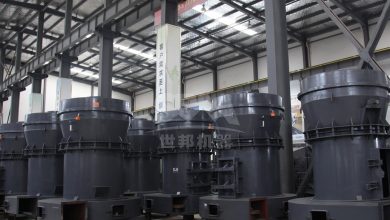
For operations that demand the highest possible fineness and efficient, intelligent processing of calcium-magnesium slag, the SCM Series Ultrafine Mill represents a state-of-the-art solution. This machine is engineered to deliver exceptional performance for the 45-5μm (325-2500 mesh) product range.
Technical Advantages for Slag Processing:
- Unmatched Efficiency: The SCM mill achieves a capacity that is twice that of jet mills while consuming 30% less energy. An intelligent control system provides automatic feedback on finished product granularity, ensuring consistent quality without manual intervention.
- High-Precision Classification: Its vertical turbine classifier provides a precise particle size cutting point. This eliminates the problem of coarse powder mixing, guaranteeing a uniformly fine finished product critical for high-end applications.
- Durable and Reliable Design: The mill features rollers and rings made from special materials, extending their service life several times over. The shaftless screw grinding chamber design ensures stable operation and simplifies maintenance.
- Eco-Friendly Operation: Equipped with a high-efficiency pulse dust collection system that exceeds international emission standards, and a soundproof room design, the SCM mill is a clean and quiet addition to any processing facility.
Models & Specifications:
- Model: SCM800 | Capacity: 0.5-4.5t/h | Main Power: 75kW | Fineness: 325-2500 mesh
- Model: SCM900 | Capacity: 0.8-6.5t/h | Main Power: 90kW | Fineness: 325-2500 mesh
- Model: SCM1000 | Capacity: 1.0-8.5t/h | Main Power: 132kW | Fineness: 325-2500 mesh
- Model: SCM1250 | Capacity: 2.5-14t/h | Main Power: 185kW | Fineness: 325-2500 mesh
- Model: SCM1680 | Capacity: 5.0-25t/h | Main Power: 315kW | Fineness: 325-2500 mesh
Integrated System Design for Comprehensive Utilization
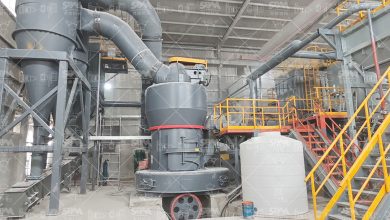
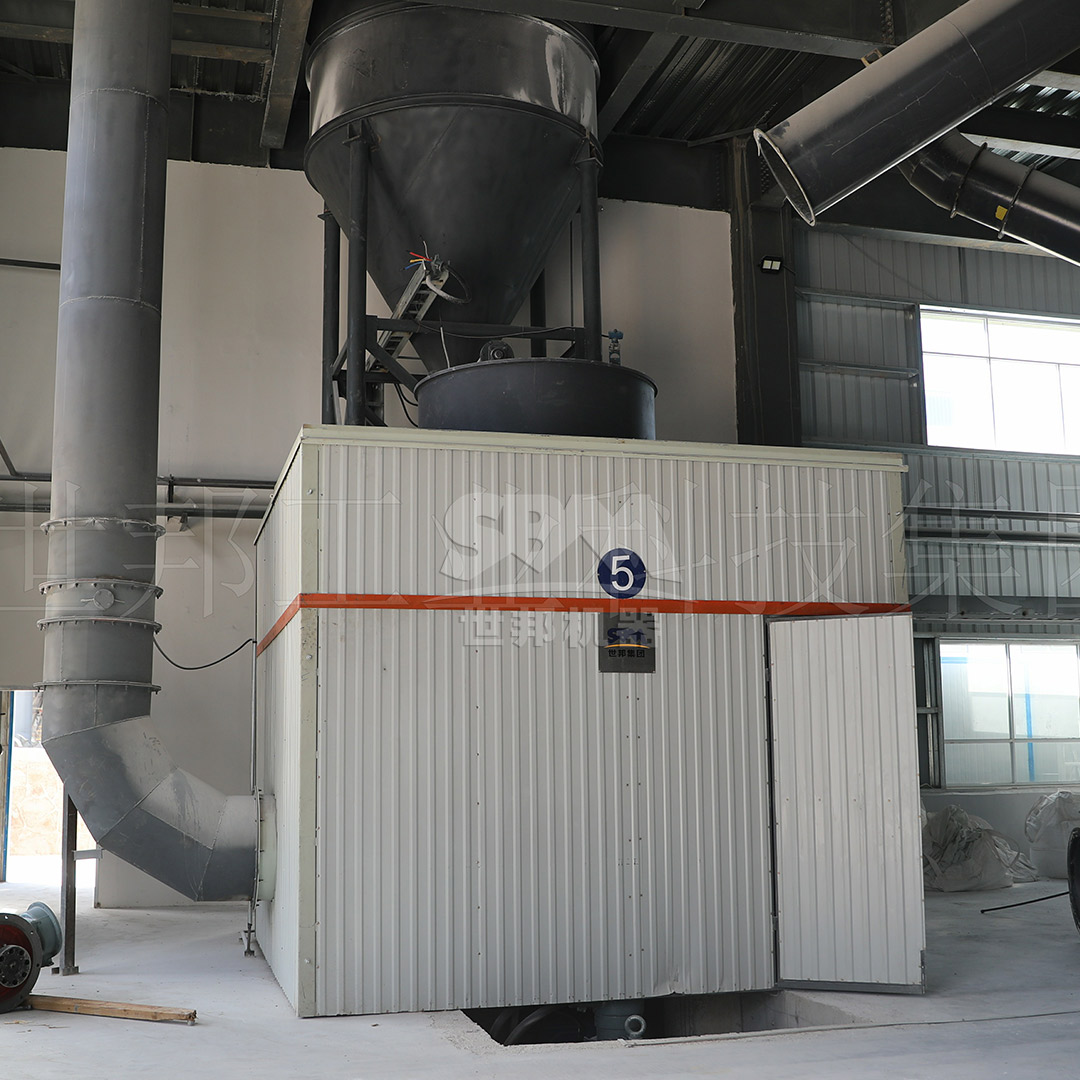
A successful slag processing plant is more than just a single mill. It requires a carefully integrated system. The process typically begins with primary crushing to reduce large slag blocks to a manageable size (< 20-50mm). Then, a magnetic separator removes metallic iron particles, protecting downstream equipment and creating a clean iron byproduct. Drying may be required if the slag has high moisture content, often utilizing waste heat from the plant itself. The dried material is then fed into the main grinding mill, such as the SCM or LUM series, where the desired fineness is achieved. The finished fine powder is collected and conveyed to silos for packaging or bulk shipment. The entire system is designed to be automated, energy-efficient, and environmentally compliant.
Conclusion
The efficient comprehensive utilization of calcium-magnesium waste slag is a critical step towards a more sustainable industrial future. What was once a significant waste stream can now be economically transformed into a high-value raw material for multiple industries. The key to this transformation is the adoption of advanced grinding technologies like the SCM Series Ultrafine Mill and the LUM Ultrafine Vertical Roller Mill. These systems offer not just grinding, but intelligent, efficient, and environmentally responsible solutions for particle size reduction. By investing in such technology, companies can turn an environmental cost into a profitable asset, reducing their ecological footprint while creating new revenue streams. The future of slag is not in a landfill; it is in a finished product silo, ready to contribute to a new cycle of manufacturing.