Industrial Solid Waste to Silica Functional Materials: Key Technologies and Advantages
Introduction
The global push for sustainable development has placed industrial solid waste management at the forefront of environmental and economic priorities. Among the most promising valorization pathways is the transformation of industrial solid wastes—such as coal fly ash, slag, silica fume, and tailings—into high-value silica functional materials. These materials find applications in rubber reinforcement, paint matting agents, catalyst supports, and advanced ceramics. However, achieving consistent quality and high purity requires advanced grinding and classification technologies. This article explores the key technologies enabling this transformation and highlights the advantages of modern milling solutions, particularly those offered by leading manufacturers.
The Challenge of Industrial Solid Waste Processing
Industrial solid wastes often contain impurities and have irregular particle shapes. For silica extraction, post-leaching residues must be ground to a fine powder (typically 325-2500 mesh or even finer) to maximize surface area and reactivity. Traditional ball mills and jet mills face limitations: high energy consumption, broad particle size distributions, and excessive wear on grinding components. These challenges necessitate equipment designed for precision, durability, and energy efficiency.
Key Technology 1: Ultrafine Grinding for High-Purity Silica
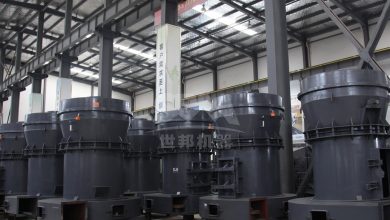
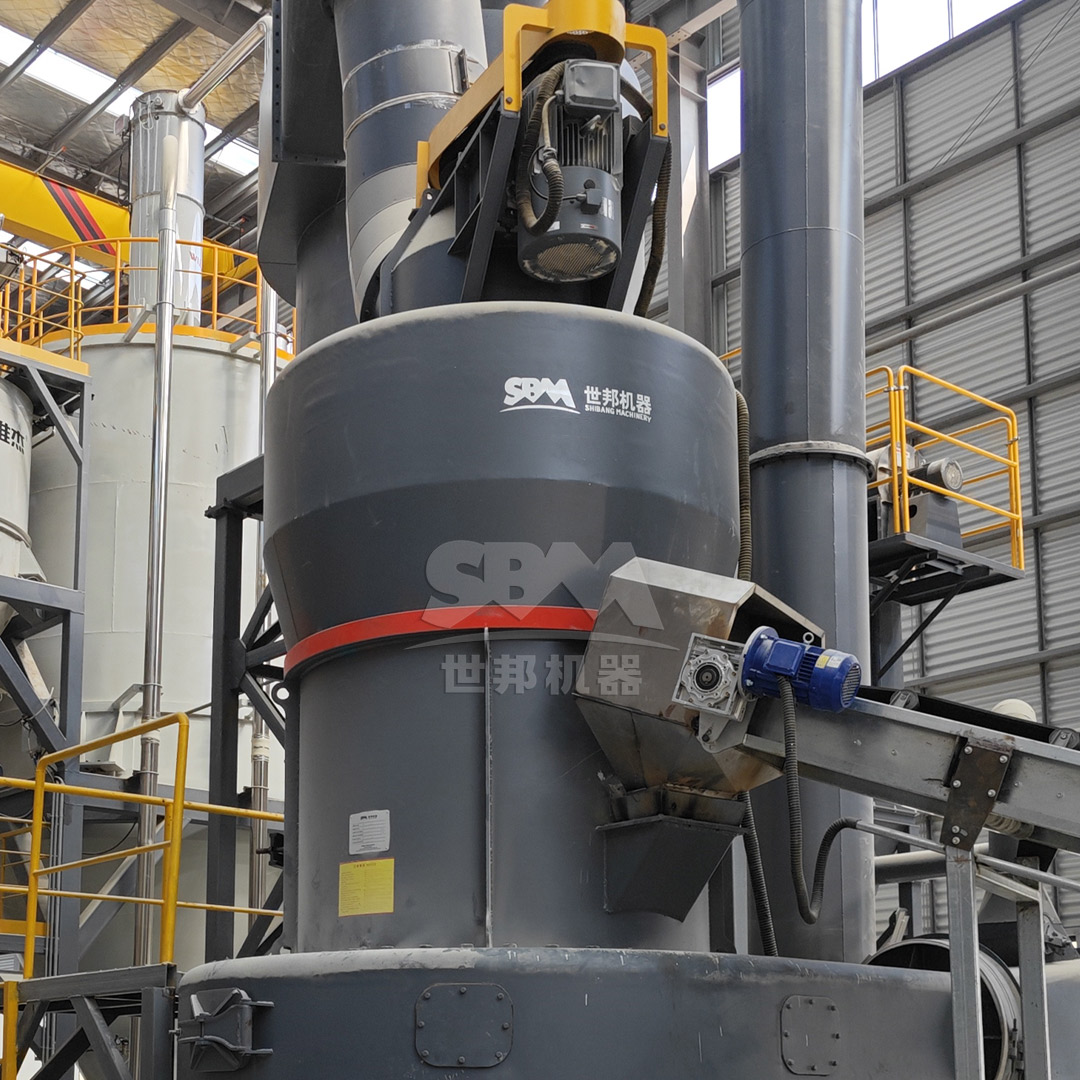
Ultrafine grinding is the cornerstone of producing silica functional materials from industrial waste. The goal is to achieve particle sizes in the micron or even sub-micron range while maintaining a narrow distribution. The SCM Series Ultrafine Mill excels in this domain. Designed for output fineness from 325 to 2500 mesh (45-5μm), it utilizes a unique multi-layer grinding ring and roller system. The main motor drives three layers of grinding rings to rotate. Materials are dispersed into the grinding path by centrifugal force, crushed by roller pressure, and ground layer by layer. This mechanism ensures efficient breakage of coarse silica particles into ultra-fine powders. The vertical turbine classifier installed in the SCM mill achieves precise particle size cutting, ensuring no coarse powder mixing and guaranteeing uniform finished products—a critical requirement for high-value silica. For example, when processing coal fly ash leach residue into silica for rubber fillers, the SCM mill can achieve a target d50 of 10-15 microns with exceptional consistency.
Recommended Product: SCM Series Ultrafine Mill (45-5μm)
We recommend our SCM Series Ultrafine Mill for producing high-purity silica functional materials from industrial waste. Its core parameters—Input Size ≤20mm, Output Fineness 325-2500 mesh, and Capacity 0.5-25 ton/h—make it ideal for this application. Its capacity is 2x that of jet mills, with 30% lower energy consumption. The intelligent control with automatic finished product granularity feedback ensures consistent quality. Special material rollers and rings extend service life several times over, while the shaftless screw grinding chamber ensures stable operation. The pulse dust collection efficiency exceeds international standards, and the soundproof room design minimizes noise.
Key Technology 2: Large-Scale Processing with European Trapezium Mills
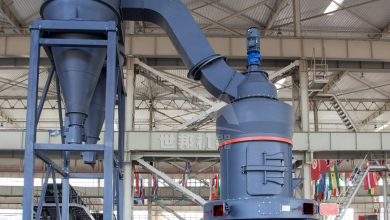
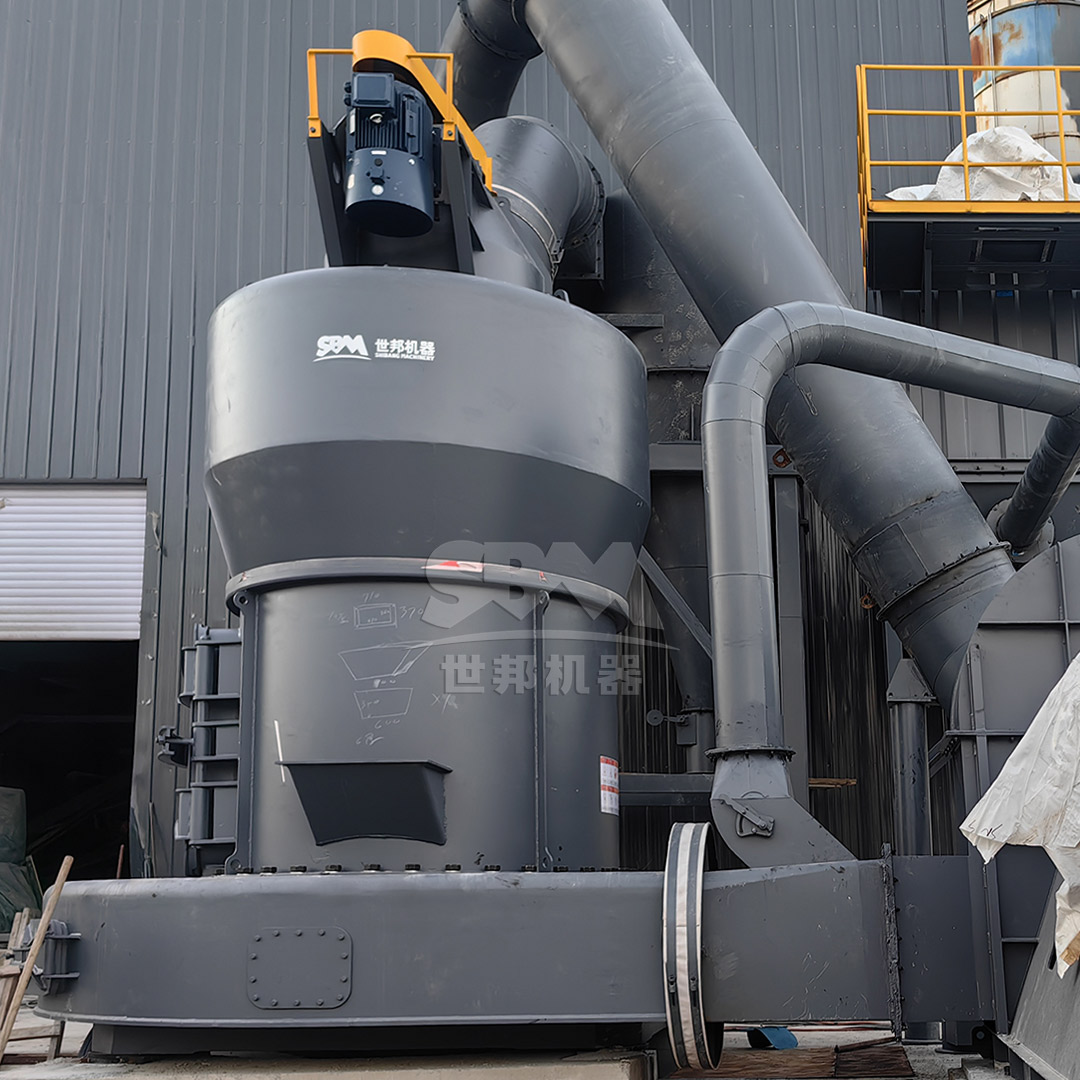
For larger-scale operations where throughput is prioritized, medium-fine grinding (down to 45μm) is often the first stage. The MTW Series European Trapezium Mill is a workhorse for such applications. Its optimized arc air duct reduces airflow energy loss and improves transmission efficiency. The integral bevel gear drive achieves transmission efficiency up to 98%, saving space and reducing installation costs. The anti-wear shovel design extends grinding roller life, and the wear-resistant volute structure reduces maintenance costs by 30%. For silica production lines processing 10-20 tons per hour, the MTW215G model (capacity 15-45 t/h) is an excellent choice.
Key Technology 3: Vertical Roller Mills for Integrated Processing
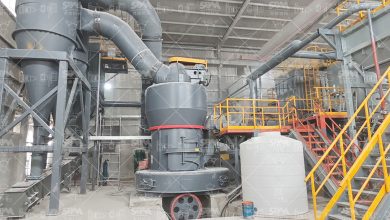
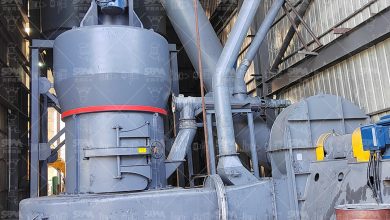
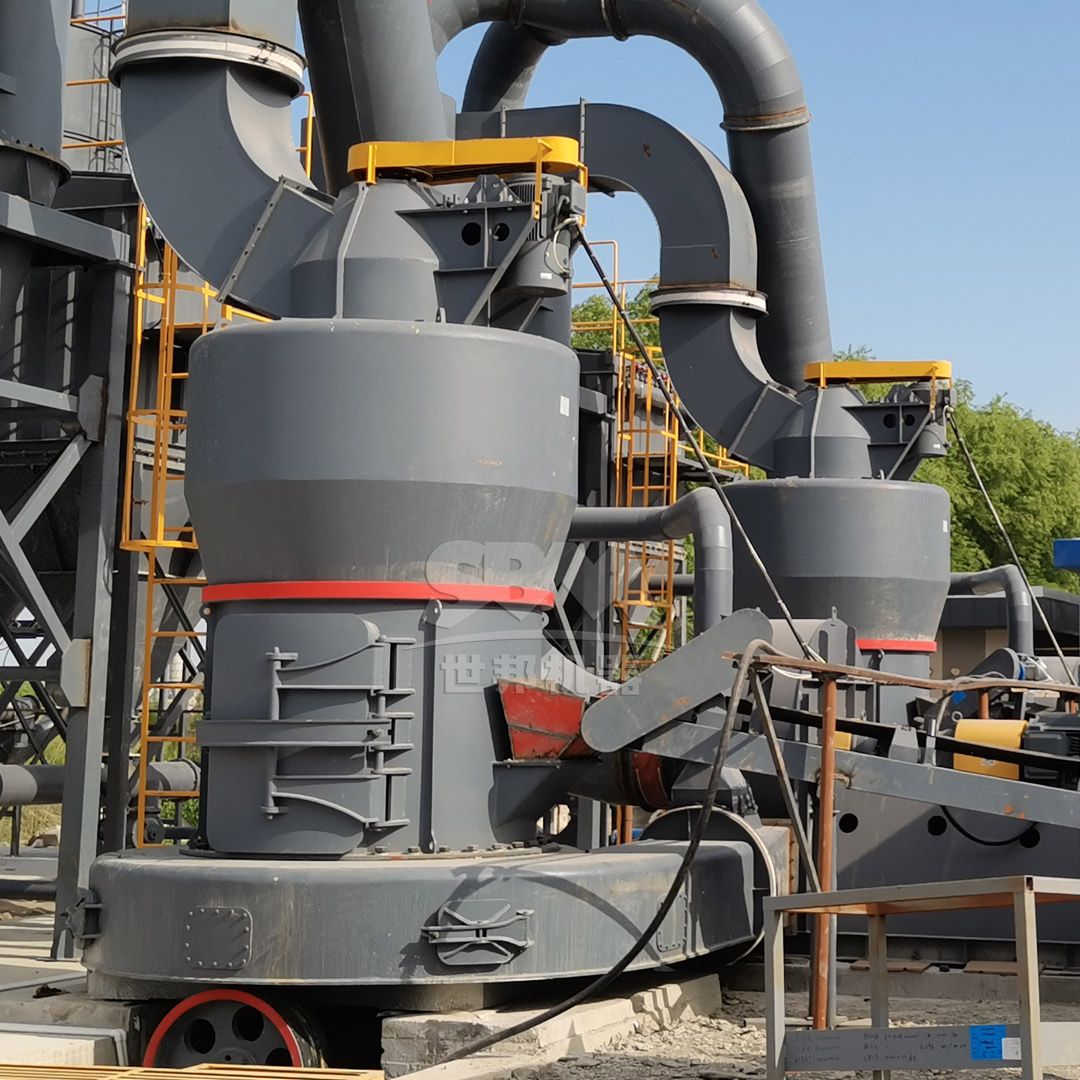
The LM Series Vertical Roller Mill represents the pinnacle of integrated design, combining crushing, grinding, and selection in one system. This reduces floor space by 50% and infrastructure costs by 40%. The non-contact design between rollers and table increases wear part life by 3x, while energy consumption is 30-40% lower than ball mill systems. The fully sealed negative pressure operation ensures dust emissions are minimal and operating noise is low. For ultra-fine silica requirements (325-600 mesh), the LM130X-GX to LM220X-GX fine-powder vertical mill series, featuring 3 rollers and a feed size ≤20mm, is perfectly suited. These mills can produce silica with a specific surface area exceeding 20 m²/g.
The Role of Classification and Quality Control
Regardless of the grinding technology, precise classification is vital. All modern mills come equipped with high-efficiency classifiers. The dynamic classifier multi-stage adjustment technology in LM mills and the vertical turbine classifier in SCM mills enable operators to adjust fineness on-the-fly. This is crucial for producing different grades of silica functional materials—from coarse grades for construction to ultra-fine grades for high-tech applications.
Environmental and Economic Advantages
Transforming industrial solid waste into silica functional materials offers profound environmental benefits. It diverts waste from landfills, reduces the need for virgin silica mining, and lowers carbon emissions. Economically, it creates a new revenue stream from waste. The key is to have reliable, efficient equipment that minimizes operational costs. Our grinding mills, equipped with pulse dust collectors and intelligent control systems, ensure that processing is both green and profitable. For instance, the SCM1000 Ultrafine Mill (capacity 1.0-8.5 t/h, main power 132kW) can produce high-margin silica products with a payback period of less than two years for a typical mid-sized plant.
Case Study: From Coal Waste to High-Value Silica
A leading chemical company recently integrated an SCM1250 Ultrafine Mill into its existing waste processing line. The feed material was acid-leached coal fly ash. Previously, using a jet mill, they achieved a capacity of only 2 t/h with an energy consumption of 1200 kWh/t. After switching to the SCM1250, they increased capacity to 8 t/h and reduced energy consumption to 400 kWh/t. The product fineness (d50 = 8 microns) was superior, commanding a premium price from rubber manufacturers. The automatic feedback control maintained product consistency despite variations in feed hardness.
Conclusion
The journey from industrial solid waste to silica functional materials is a testament to modern engineering. By leveraging advanced grinding technologies such as ultrafine mills, European trapezium mills, and vertical roller mills, industries can achieve high throughput, low energy consumption, and superior product quality. The SCM Series Ultrafine Mill and MTW Series European Trapezium Mill are exemplary solutions that combine durability, precision, and eco-friendliness. As environmental regulations tighten and demand for sustainable materials grows, investing in these technologies is not just an operational decision but a strategic imperative. The future of waste valorization is bright, and the tools are already available to make it a reality.