Which Mill Is Best for Grinding Bentonite? — A Complete Guide for Choosing the Right Grinding Machine
Introduction
Bentonite, a versatile clay mineral with unique swelling, absorption, and binding properties, is widely used in drilling fluids, foundry sands, cat litter, iron ore pelletizing, civil engineering, and environmental remediation. The quality of the final bentonite product—whether it is used as a binder, thickener, or absorbent—depends significantly on its fineness, particle size distribution, and purity. Selecting the correct grinding mill is therefore a critical decision that directly impacts production efficiency, product quality, and operational costs.
This comprehensive guide analyzes the key factors for choosing a bentonite grinding mill, reviews the primary mill types available, and provides expert recommendations to help you make an informed investment. Whether you require coarse granular bentonite for construction or ultra-fine powder for high-value applications, understanding the capabilities of different machines is essential.
Understanding Bentonite’s Grinding Characteristics
Before selecting a mill, it is crucial to assess the specific properties of your raw bentonite:
- Moisture Content: Raw bentonite often contains 15-30% moisture. Drying is usually required before grinding to prevent clogging and achieve efficient milling.
- Hardness: Bentonite has a Mohs hardness of 1-2, making it a soft mineral. However, it may contain hard impurities like quartz or feldspar that can cause wear.
- Stickiness & Abrasiveness: The sticky nature of bentonite can lead to material buildup on grinding elements, affecting efficiency. Some mills are better suited to handle this challenge.
- Target Fineness: Common specifications range from 30 mesh (500μm) for construction to 325 mesh (45μm) for foundry applications, and up to 2500 mesh (5μm) for high-end industrial fillers.
Key Factors in Mill Selection
When deciding which mill is best for your bentonite processing project, consider the following parameters:
- Required Capacity (tons per hour): This will largely determine the size and type of mill needed. Small projects may only need 1-5 t/h, while large bentonite mining operations can require 50 t/h or more.
- Target Particle Size (fineness): Standard industrial bentonite is 200-325 mesh. Ultra-fine applications (d97 < 10μm) require specialized mills.
- Energy Consumption: Grinding is energy-intensive. Mills with higher energy efficiency (e.g., vertical roller mills) can significantly reduce operating costs.
- Moisture Content of Feed: Some mills can handle higher moisture if integrated with a drying system (e.g., vertical roller mills with hot air), while others require a dry feed.
- Abrasiveness of Material: While the clay itself is soft, impurities can cause rapid wear. Mills with robust, long-lasting wear parts are preferable for high-throughput operations.
- System Integration & Footprint: Modern integrated mills combine crushing, grinding, classifying, and dust collection, reducing installation costs and floor space.
Main Mill Types for Bentonite Grinding
Several mill technologies are commonly employed for bentonite processing. Below is a comparison of the most popular options.
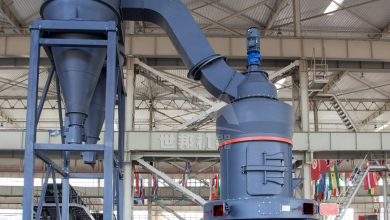
1. Raymond Mill & High-Pressure Suspension Mill
The Raymond mill is a classic choice for non-metallic minerals. It grinds material between a stationary ring and rotating rollers, using centrifugal force. It is suitable for producing 30-325 mesh powder. However, for ultra-fine classifications, its efficiency drops, and it may struggle with sticky materials without proper modifications. It remains a good, low-cost entry point for standard bentonite grinding.
2. Ball Mill
Ball mills use steel balls within a rotating cylinder to impact and grind the material. They are robust and can handle high capacities (up to 450 t/h). However, they are less energy-efficient than newer technologies (30-40% more power consumption than vertical mills), generate more noise, and typically produce a wider particle size distribution. Ball mills are best suited for wet or dry grinding of hard minerals or where extremely high capacity is the primary driver.
3. Hammer Mill
Hammer mills use high-speed rotating hammers to crush material until it passes through a screen. They produce a coarse to medium product (0-3 mm) and are excellent for pre-grinding or applications that do not require high fineness, such as granular cat litter or raw feed for a secondary mill. While simple and low-cost, hammer mills are not suitable for fine powder production (below 200 mesh).
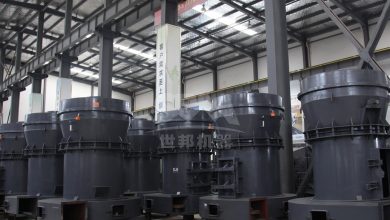
4. MTW Series European Trapezium Mill
This is an advanced evolution of the Raymond mill, featuring a trapezium-shaped grinding ring and roller design that improves grinding efficiency by 15-20%. The MTW series offers high output (3-45 t/h) and produces a consistent product from 30 to 325 mesh (600-45μm). Its integrated bevel gear drive (98% efficiency) and optimized air duct make it a reliable, energy-saving solution for standard to medium-fine bentonite powder.
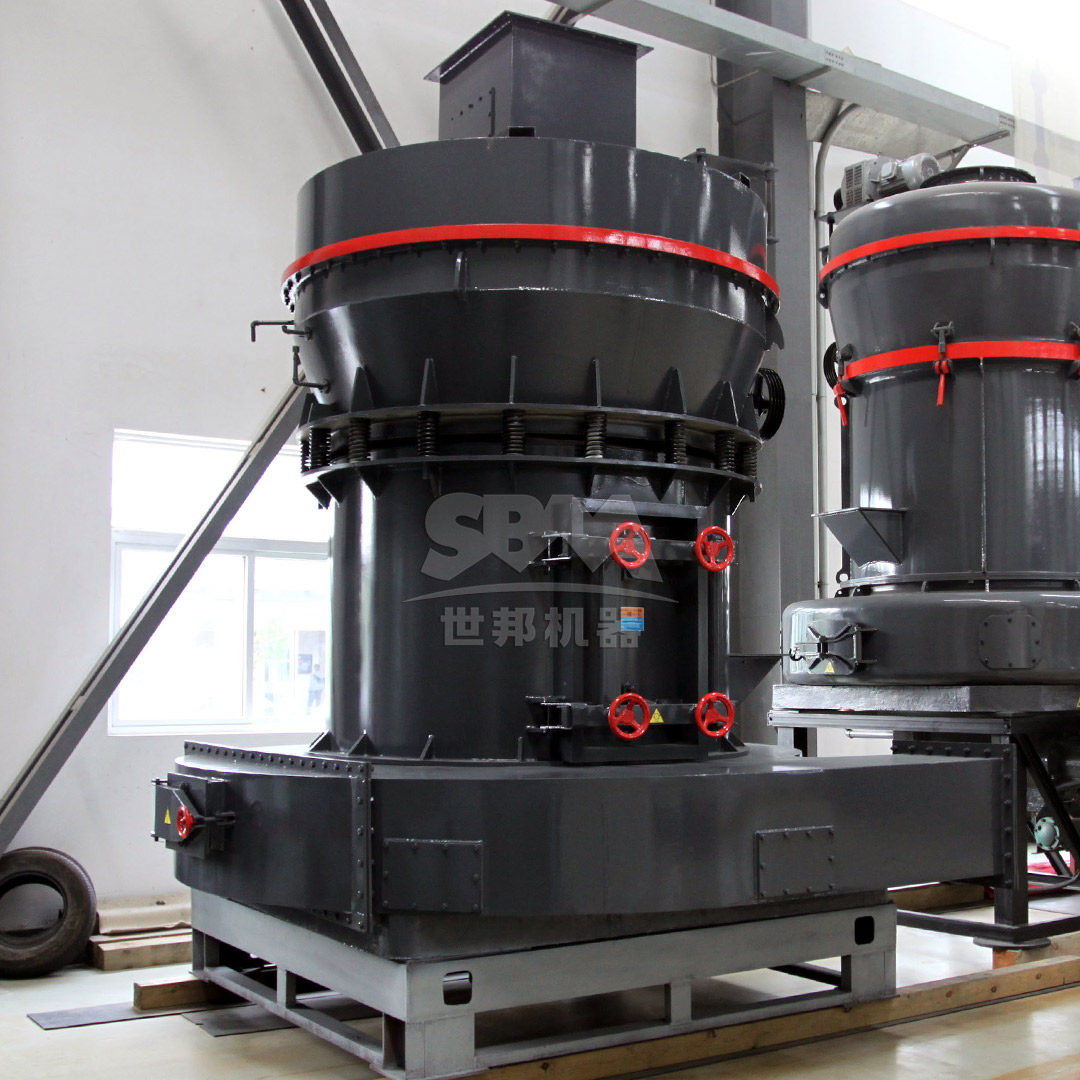
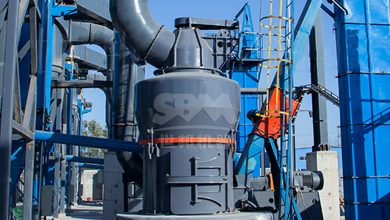
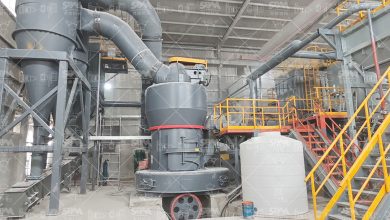
5. LM Series Vertical Roller Mill
For large-scale industrial bentonite production, the LM Series Vertical Roller Mill is the premier choice. It integrates crushing, grinding, classifying, and drying into one unit, reducing the system’s footprint by 50% and infrastructure costs by 40%. Its grinding rollers and table do not make metal-to-metal contact, dramatically extending wear part life. The LM mill is ideal for capacities from 3 to 250 t/h and fineness of 30-325 mesh. Its ability to use hot air for in-situ drying makes it perfect for processing high-moisture run-of-mine bentonite.
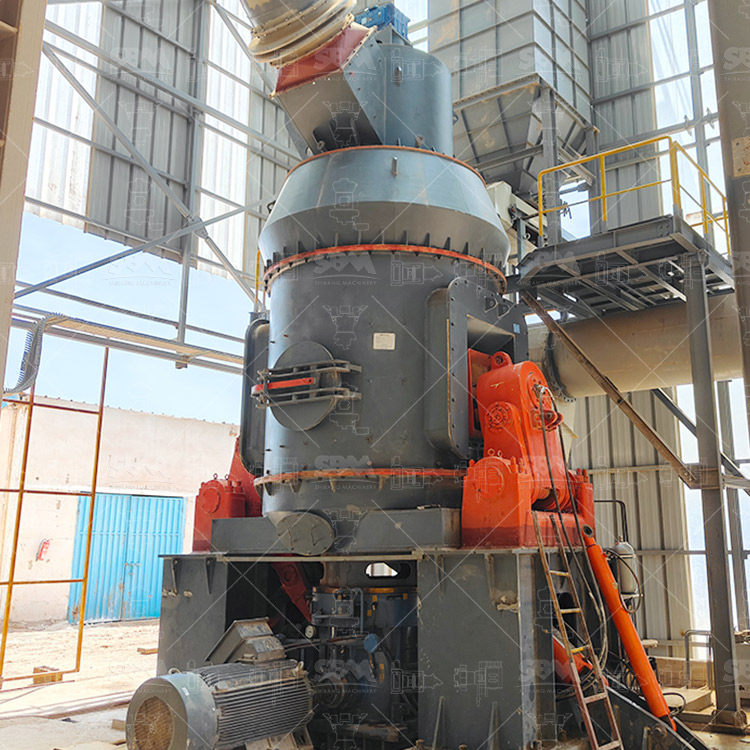
6. SCM Series Ultrafine Mill & LUM Ultrafine Vertical Roller Mill
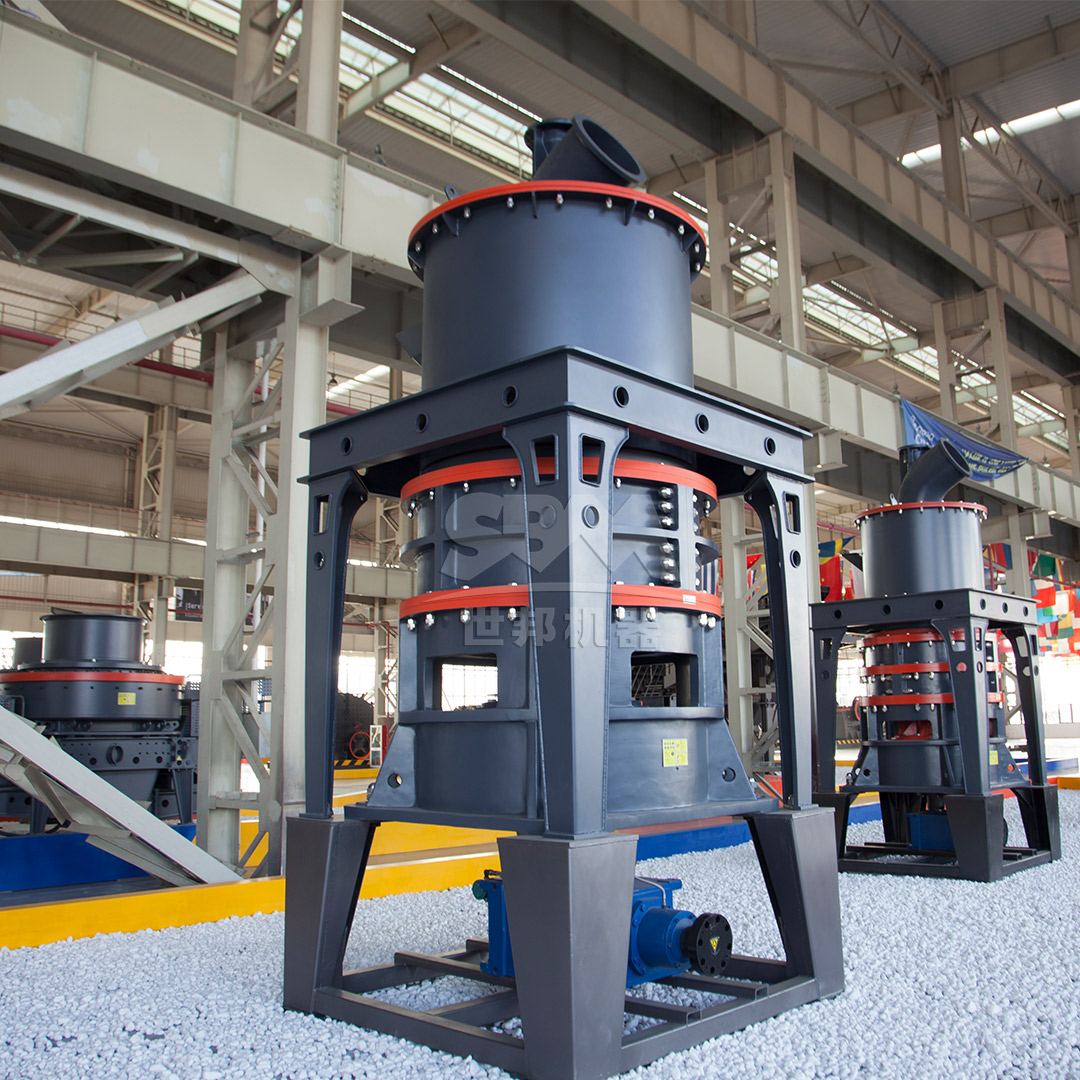
For premium bentonite products requiring fineness of 325-2500 mesh (45-5μm), ultrafine mills are necessary. The SCM Series Ultrafine Mill uses a multi-layer ring and roller system to achieve high-precision grinding. The LUM Ultrafine Vertical Roller Mill combines vertical mill efficiency with multi-rotor classification for the finest powders. These mills are essential for high-value applications like high-performance drilling fluids, cosmetics, and pharmaceutical-grade absorbents.
Recommended Solutions for Bentonite Grinding
Based on decades of experience in the mineral processing industry, we recommend the following machines from our comprehensive product portfolio for bentonite grinding solutions:
For Standard Industrial Bentonite (30-325 mesh / 600-45μm)
We highly recommend the MTW Series European Trapezium Mill. It offers the best combination of efficiency, reliability, and cost-effectiveness for producing 200-325 mesh bentonite used in foundry sand binders and low-grade drilling fluids. Its durable design, curved shovel plates, and advanced classifier ensure consistent quality with minimal maintenance. Models like the MTW138Z or MTW175G can easily handle medium to large-scale production needs (6-25 t/h).
For very large operations (15-250+ t/h) processing dry bentonite, the LM Series Vertical Roller Mill is unmatched. Its integrated drying capability and low power consumption (30-40% less than a ball mill) provide the lowest total cost of ownership for high-tonnage lines. We recommend models like the LM190K (23-68 t/h) or LM220K (36-105 t/h) for major bentonite processing plants.
For Ultra-Fine & High-Value Bentonite (>325 mesh / <45μm)
When the market demands premium-grade bentonite for high-yield drilling fluids, organoclay production, or pharmaceutical applications, the SCM Series Ultrafine Mill (models SCM1000 to SCM1680) is the optimal solution. It delivers twice the capacity of a jet mill with 30% less energy, while its vertical turbine classifier ensures a sharp particle size distribution with no coarse powder contamination. This mill allows you to produce consistent D97 = 10-15μm powder, commanding a higher market price.
Conclusion
Choosing the best mill for grinding bentonite requires a clear understanding of your target market, capacity, and product fineness. For standard powder, the MTW and LM series provide robust, high-volume solutions. For ultra-fine specialty products, the SCM Ultrafine Mill delivers superior performance and product quality. Investing in the right machine will ensure you maximize production efficiency, minimize operational costs, and meet the stringent quality requirements of the modern bentonite market.
Contact our expert team today for a customized mill recommendation and process design tailored to your specific bentonite project.