Copper Ore Vertical Roller Mill: Efficient Grinding Solution for Mineral Processing
Introduction
In the mineral processing industry, the grinding stage is a critical bottleneck that directly impacts downstream recovery rates and operational costs. Copper ore, known for its varying hardness and abrasive nature, demands a grinding solution that combines mechanical reliability with exceptional energy efficiency. Vertical roller mills (VRMs) have emerged as the preferred technology over traditional ball mills for many large-scale copper concentrators. This article explores the technical advantages, working principles, and application parameters of vertical roller mills specifically tailored for copper ore processing, highlighting how modern VRM technology can transform grinding performance.
Why Vertical Roller Mills for Copper Ore?
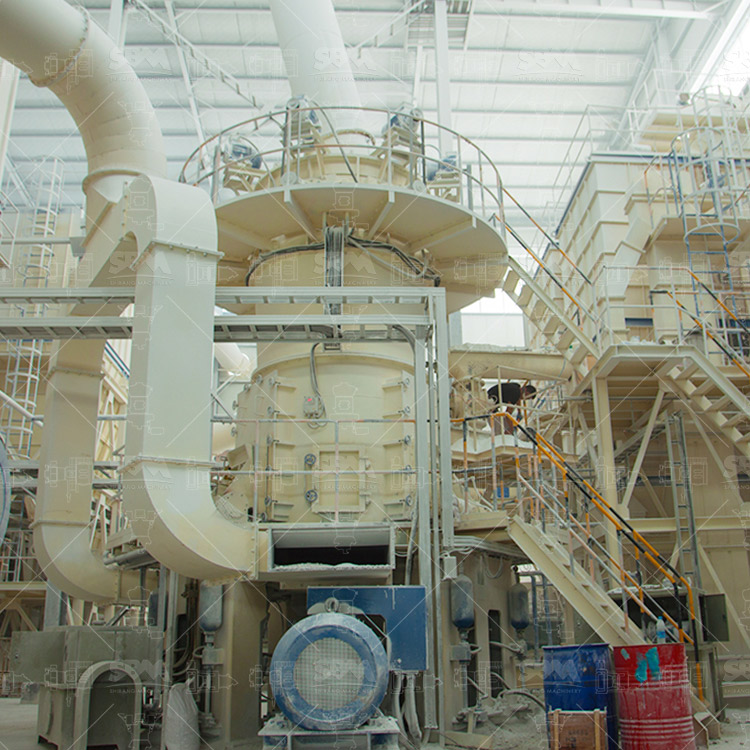
Copper ore typically requires grinding to a fineness of 75 microns or finer for effective flotation. Traditional ball mill systems consume enormous amounts of energy—often accounting for 50-70% of the total plant power. Vertical roller mills address this challenge through a fundamental design difference: instead of using heavy steel balls impacting the material, VRMs utilize a rotating grinding table and stationary rollers to crush and grind the material layer by layer. This bed-of-material grinding principle dramatically reduces metal-to-metal contact, resulting in lower wear costs and significantly reduced energy consumption. For copper ore, which often has a moderate Bond Work Index, VRMs can offer 30-50% less power consumption compared to conventional ball mill circuits.
Key Technical Advantages for Copper Processing
Modern VRMs designed for copper ore offer several distinct technical advantages. First, the integrated design combines crushing, grinding, and classification into a single unit, reducing floor space requirements by up to 50% and simplifying plant layout. Second, the non-contact design between rollers and the grinding table means that wear parts can last three to five times longer than ball mill liners. Third, intelligent control systems with expert-level automation allow real-time monitoring of grinding pressure, classifier speed, and air flow to maintain consistent product fineness even as ore hardness varies. This level of control ensures that the final copper concentrate achieves optimal particle size distribution for maximum recovery rates.
Equipment Recommendation: LM Series Vertical Roller Mill
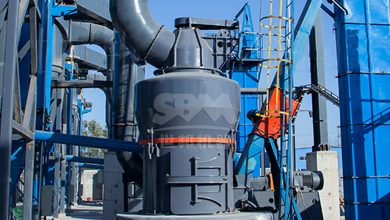
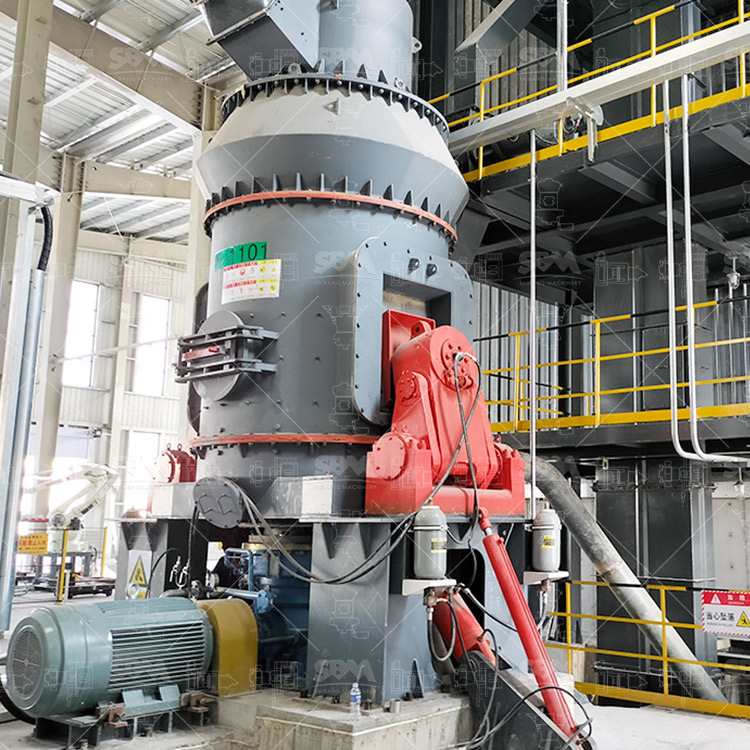
For large-scale copper ore applications requiring high throughput and ultra-low operating costs, we strongly recommend our LM Series Vertical Roller Mill. With a capacity range of 3 up to 250 tons per hour and an output fineness from 45 microns to 600 microns (with special models reaching 325-600 mesh for fine grinding applications), the LM series is engineered for heavy-duty mineral processing. The LM190K model, for example, features a grinding table diameter of 1900mm, can process 23-68 tons per hour, and is driven by a 500kW main motor—making it ideal for mid-to-large copper concentrators. The LM280K model extends capacity to an impressive 170 tons per hour, powered by a 1250kW motor, perfect for the world’s largest copper mines.
Working Principle of Vertical Roller Mill for Copper Ore
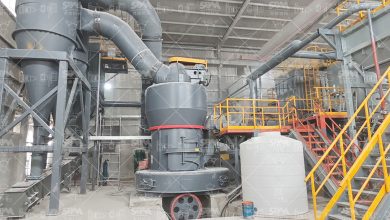
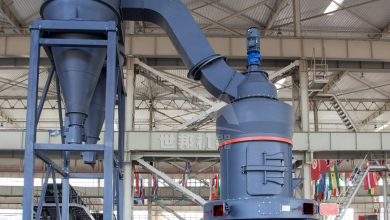
The working principle of a VRM in copper ore grinding begins with the main motor driving the grinding table to rotate via a planetary gear reducer. Copper ore, crushed to a feed size of up to 50mm, enters through the central feed port. Centrifugal force spreads the material evenly across the rotating table, forming a stable material bed. The grinding rollers, each equipped with hydraulic pressure systems, apply controlled force to crush and grind the ore particles against the table. Hot air or gas enters from below the table, lifting finely ground particles to the dynamic classifier located at the top of the mill. Coarser particles fall back to the table for further grinding, while the qualified fine powder passes through the classifier and is collected by a baghouse or cyclone collector. This closed-loop system ensures consistent product quality and minimal energy waste.
Comparison with Traditional Ball Mills
When comparing VRMs to ball mills for copper ore processing, the differences are substantial. A ball mill circuit typically requires a separate classifier, bucket elevator, and multiple conveying stages, leading to higher capital costs and more maintenance points. In contrast, a VRM performs all these functions within a single housing. Energy savings are documented at 30-40% lower specific power consumption (kWh/t). Additionally, VRMs operate with significantly lower noise levels—typically below 85 decibels—compared to the deafening roar of a ball mill. For copper ore with moderate moisture content (up to 15%), the hot air system within the VRM can simultaneously dry and grind the material, eliminating the need for a separate drying step. This combined drying and grinding capability is a major advantage in copper processing where ores often contain surface moisture from mining operations.
Application Case: LM170K for Copper Mine
In a recent application at a copper mine in South America, an LM170K vertical roller mill replaced two ball mills in a regrinding circuit. The LM170K, with a table diameter of 1700mm and a 400kW main motor, handles 25 tons per hour of copper ore with a feed size of 42mm and produces a final product of 80% passing 75 microns. The operator reported a 35% reduction in energy consumption per ton of material processed, along with a 50% reduction in maintenance downtime. The intelligent control system automatically adjusts grinding pressure based on the feed rate and ore hardness, ensuring consistent product quality even when the ore blend varies. This case demonstrates the transformative impact of modern VRM technology on copper processing economics.
Equipment Recommendation: SCM Series Ultrafine Mill for Fine Copper Tailings
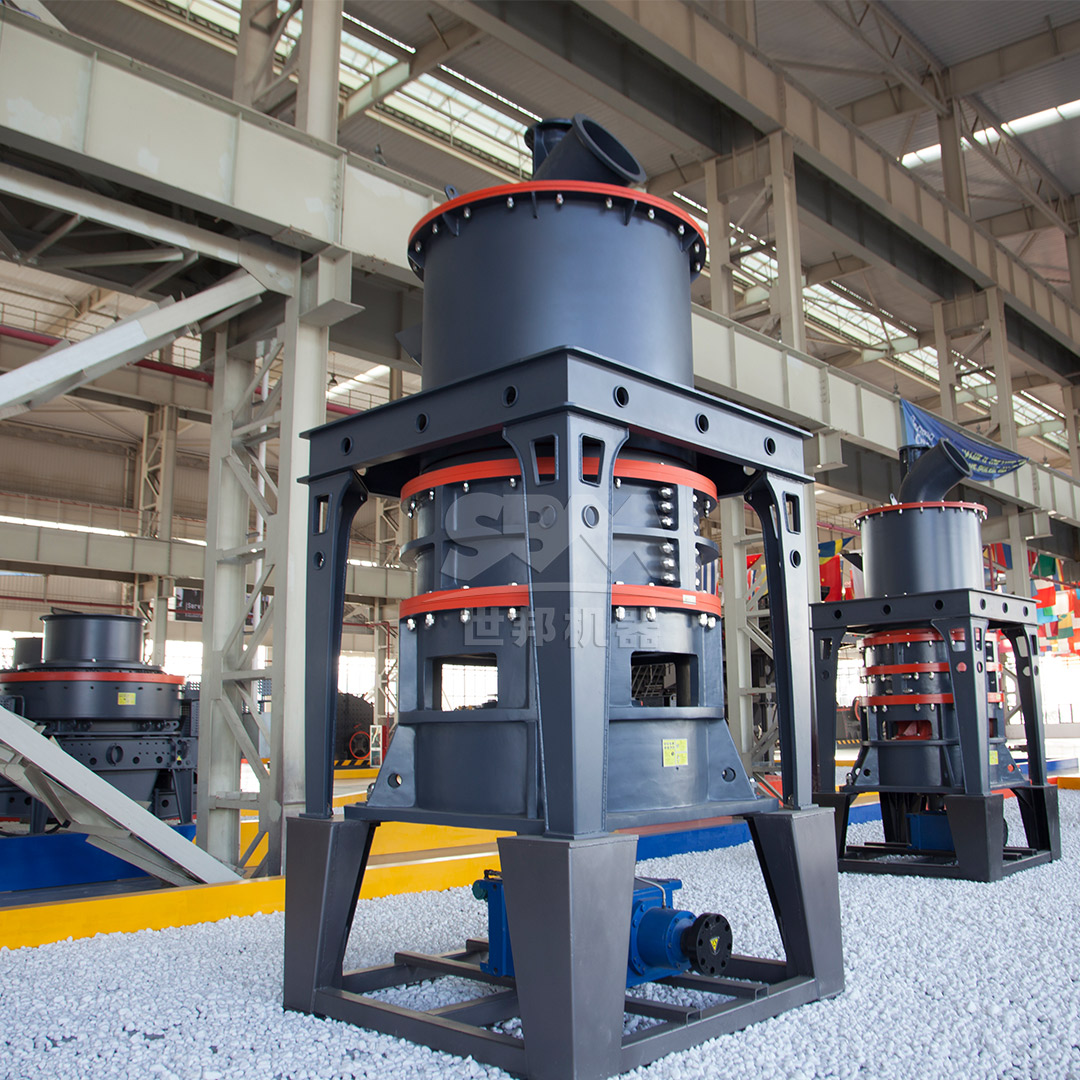
For applications requiring ultra-fine grinding of copper ore or copper tailings—for example, when targeting 325-2500 mesh product for enhanced leaching or for producing high-value micro-fine copper powder—we recommend our SCM Series Ultrafine Mill. The SCM1000 model processes 1.0 to 8.5 tons per hour with a fineness range of 325-2500 mesh, powered by a 132kW main motor. Its vertical turbine classifier ensures precise particle size cutting with absolutely no coarse powder mixing. The energy consumption is half that of a jet mill, making it the most economical solution for ultra-fine copper product requirements. The SCM1250 model extends capacity to 14 tons per hour, providing a scalable solution for larger operations. These mills are particularly suited for processing copper tailings to recover residual value or to produce high-purity copper oxide powder for industrial applications.
Intelligent Control and Automation
Modern copper ore VRMs are equipped with advanced PLC-based control systems that integrate sensors for vibration monitoring, bearing temperature, mill differential pressure, and product fineness. These systems can automatically adjust the classifier speed, grinding pressure, and air flow to maintain the target product specification. Remote monitoring capabilities allow plant operators to supervise the grinding process from a central control room, reducing the need for local staff. Expert-level algorithms can predict wear part life and schedule maintenance proactively, minimizing unplanned downtime. For copper concentrators operating 24/7, this level of automation is invaluable for maintaining consistent throughput and quality.
Maintenance and Wear Parts
One of the key concerns in VRM adoption for copper ore is the wear rate of grinding elements. However, advances in metallurgy have produced roller and table liners made from special alloy materials that extend service life by several times compared to conventional steel. The LM series, for example, uses modular grinding roller assemblies that can be quickly replaced using a hydraulic quick-change system. The grinding table liners are segmented for easy replacement without removing the entire table. Many VRM designs now incorporate automatic lubrication systems that precisely deliver grease or oil to each bearing point, further extending component life. With proper maintenance, the wear parts on a VRM for copper ore can last 8,000 to 12,000 operating hours before replacement is needed.
Environmental Benefits
Copper processing plants face increasing pressure to reduce their environmental footprint. VRMs operate under fully sealed negative pressure conditions, meaning that no dust escapes to the environment. The pulse dust collection systems integrated into VRMs achieve collection efficiencies exceeding 99.9%, meeting the strictest international emission standards. Additionally, the lower energy consumption directly translates to reduced carbon dioxide emissions from power generation. For a copper plant processing 100 tons per hour, switching from ball mills to VRMs can reduce annual CO2 emissions by thousands of tons. The reduced water consumption—since VRMs do not require slurry handling—further enhances the environmental profile of VRM-based grinding circuits.
Conclusion
Vertical roller mills have proven themselves as the most efficient grinding solution for copper ore processing. With significant advantages in energy consumption, maintenance costs, and environmental compliance, VRMs are now the standard technology for new copper concentrators and upgrade projects worldwide. Our LM Series Vertical Roller Mill offers the broadest capacity range and the most advanced technical features for mainstream copper grinding applications, from primary grinding to regrinding circuits. For ultra-fine grinding requirements down to the micron level, the SCM Series Ultrafine Mill provides unmatched precision and energy efficiency. As copper ore grades continue to decline globally, the need for energy-efficient, high-capacity grinding technology has never been greater. Investing in modern VRM technology today will ensure competitive operational costs and environmental compliance for decades to come.