How to Control Coal Powder Fineness in Coal Mill?
Introduction
Coal powder fineness is a critical parameter in coal-fired power plants, cement kilns, and industrial boilers. The fineness of pulverized coal directly affects combustion efficiency, carbon burnout, and emissions. For instance, in a vertical roller mill or ball mill, if the coal powder is too coarse, it leads to incomplete combustion and increased slagging; if it is too fine, it may cause excessive mill wear and higher energy consumption. Therefore, achieving precise control over coal powder fineness is essential for optimizing mill performance and reducing operational costs.
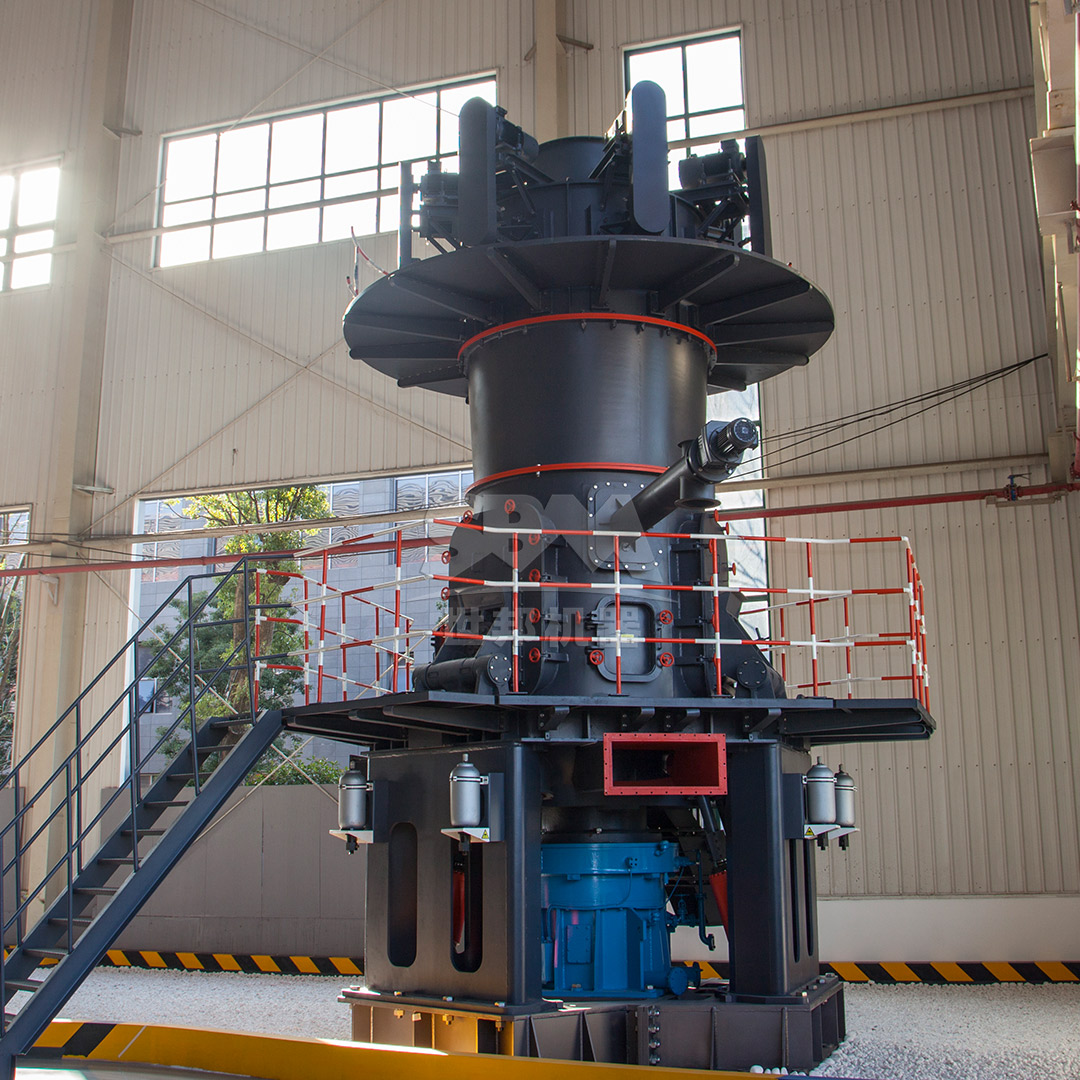
Factors Influencing Coal Powder Fineness
Several factors determine the fineness of coal powder in a mill, including the classifier speed, grinding pressure, air flow rate, and feed particle size. Understanding these variables allows operators to adjust the system for the desired output.
1. Classifier Speed
The classifier is the key component for separating fine particles from coarse ones. In dynamic classifiers, the rotational speed of the rotor directly determines the cut size. A higher rotor speed generates a stronger centrifugal force, which rejects coarser particles and allows only finer particles to pass through. For example, to achieve a fineness of 10% residue on a 90-micron sieve, the classifier speed must be precisely tuned based on the coal properties.
2. Grinding Pressure
In mills like the MTW European Trapezium Mill or LM Vertical Roller Mill, grinding pressure applied by rollers or rings affects the particle size reduction rate. Higher pressure increases the grinding force, leading to finer particles. However, excessive pressure may cause vibration and reduce mill life. Therefore, automatic pressure regulation systems, such as those in the MTM Medium-speed Trapezium Mill, are recommended for maintaining consistent fineness.
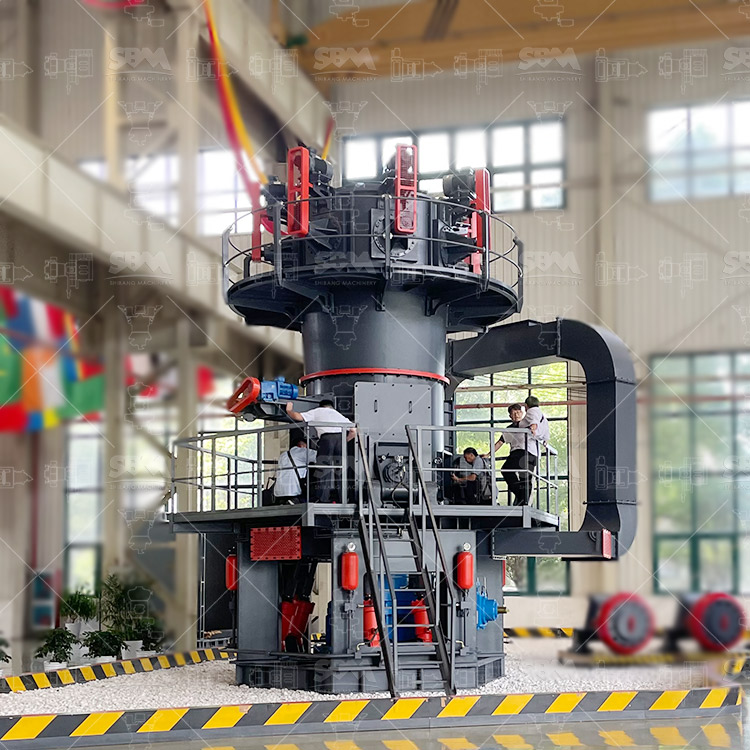
3. Air Flow and Velocity
The air flow through the mill acts as both a drying agent and a transport medium. Higher air velocity carries coarser particles upward to the classifier, which can increase the recirculating load. Conversely, lower air velocity results in a finer product but reduces mill throughput. Proper balancing of air flow is needed to achieve the target fineness without sacrificing capacity.
4. Feed Particle Size and Moisture Content
The size of the incoming coal and its moisture content also influence the grinding efficiency. Larger feed sizes require more energy for initial crushing, while high moisture leads to agglomeration and poor classification. Pre-crushing using a Hammer Mill can help standardize the feed size to below 20 mm, ensuring stable mill operation.
Advanced Control Techniques for Coal Fineness
Modern mills incorporate intelligent control systems that automate fineness adjustments. For example, the SCM Series Ultrafine Mill features an automatic finished product granularity feedback mechanism. The system continuously monitors the particle size distribution via an online analyzer and adjusts the classifier speed in real time. This closed-loop control minimizes human intervention and maintains consistent quality.
Additionally, the LM Series Vertical Roller Mill offers remote switching between local and remote control, allowing operators to change fineness parameters from a central control room. Such systems are particularly useful for large-scale power plants where multiple mills are operated simultaneously.
Case Study: Selecting the Right Mill for Coal Fineness Control
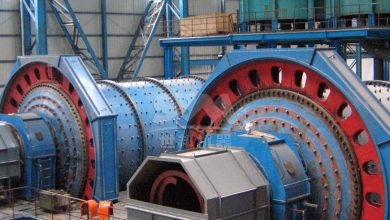
Consider a cement plant that requires coal powder with a fineness of 5% residue on 90 microns (approximately 170 mesh). The plant’s existing ball mill consumes excessive energy and produces inconsistent fineness. After evaluation, the plant upgrades to the MTW Series European Trapezium Mill with an integral bevel gear drive and optimized arc air duct. The MTW mill achieves a fineness range of 30-325 mesh (600-45 μm) with a capacity up to 45 t/h. Its anti-wear shovel design and non-resistance flow volute reduce maintenance costs by 30%. The plant successfully achieves a stable fineness of 5% R90, resulting in a 15% increase in combustion efficiency.
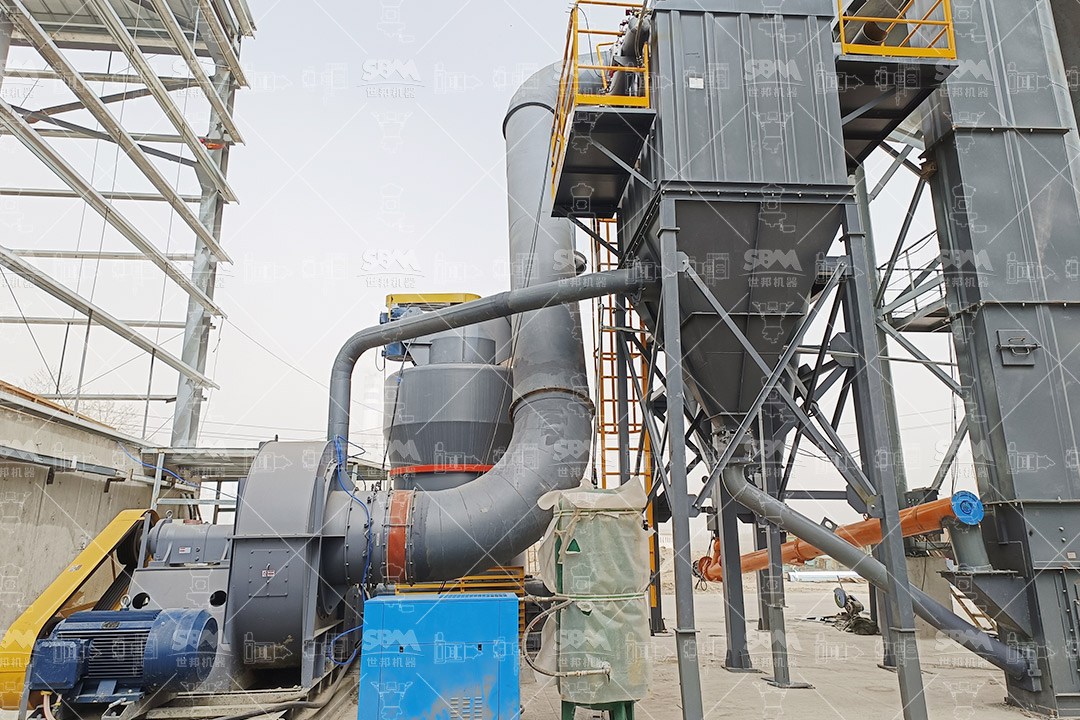
Recommended Products for Precision Coal Fineness Control
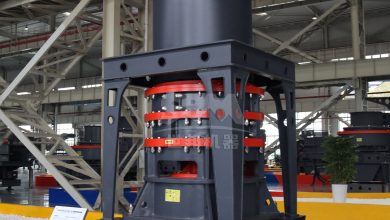
For applications requiring ultra-fine coal powder (45-5 μm), we strongly recommend the SCM Series Ultrafine Mill. This mill utilizes a vertical turbine classifier for precise particle size cutting without coarse powder mixing. With a capacity 2x that of jet mills and 30% lower energy consumption, the SCM series is ideal for pulverized coal injection in blast furnaces or fine coal for chemical industries. The models range from SCM800 to SCM1680, offering capacities from 0.5 to 25 t/h. The intelligent control system automatically adjusts the granularity, ensuring consistent output even with varying feed quality.
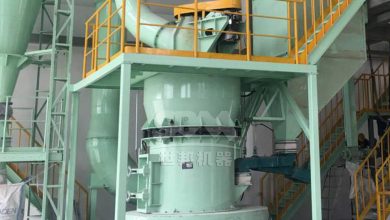
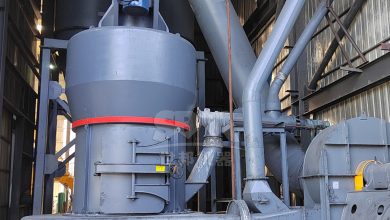
For medium-to-large scale operations requiring fineness in the 600-45 μm range, the LM Series Vertical Roller Mill is a top choice. Its integrated design combines crushing, grinding, and classification in one unit, reducing floor space by 50%. The non-contact design between rollers and table extends wear part life by 3x, while energy consumption is 30-40% lower than ball mill systems. The LM coal mill series (LM80M to LM280M) specifically handles pulverized coal with fineness parameters of 5-20% R0.08, making it suitable for power generation and cement kilns.
Monitoring and Maintenance for Consistent Fineness
Regardless of the mill type, regular monitoring of wear components and calibration of the classifier are necessary. Worn grinding rollers or rings can increase the product coarseness. Using wear-resistant materials, such as those in the MTW mill’s combined shovel blades, prolongs service intervals. The pulse dust collection system in both SCM and LM mills ensures that fine particles are efficiently collected without re-entraining coarse particles. Additionally, operators should regularly check the air flow rate and adjust the damper settings to maintain optimal velocity.
Conclusion
Controlling coal powder fineness is a multifaceted task that involves optimizing classifier speed, grinding pressure, air flow, and feed conditions. By leveraging modern mill technologies like the SCM Series Ultrafine Mill and LM Series Vertical Roller Mill, operators can achieve precise fineness control with minimal energy consumption and maintenance. These mills not only improve combustion efficiency but also reduce environmental emissions. For a detailed recommendation tailored to your specific coal properties and capacity requirements, please contact our technical support team.