Applications of Titanium Dioxide: A Comprehensive Guide to Its Key Uses Across Industries
Introduction to Titanium Dioxide
Titanium dioxide (TiO₂) is a naturally occurring oxide of titanium, widely recognized for its exceptional brightness, high refractive index, and strong ultraviolet (UV) light absorption capabilities. As a critical industrial material, TiO₂ has become indispensable across a vast range of sectors, including paints and coatings, plastics, paper, cosmetics, food, and advanced ceramics. Its versatility stems from its unique physical and chemical properties, which allow it to function as a white pigment, a UV blocker, a photocatalyst, and an opacifier. This comprehensive guide explores the key applications of titanium dioxide and highlights the essential role of advanced milling technologies in achieving the optimal particle size and performance characteristics required for these diverse uses.
The global demand for titanium dioxide continues to grow, driven by urbanization, infrastructure development, and the increasing need for high-performance materials. To meet these demands, industries require efficient, precise, and cost-effective grinding solutions to process TiO₂ and its raw materials. At the heart of this processing chain are sophisticated mills that ensure uniform particle size distribution, high purity, and consistent quality. Below, we delve into the primary applications of TiO₂ and discuss how modern milling equipment supports these critical industries.
Paints, Coatings, and Pigments
The largest and most well-known application of titanium dioxide is in the paints and coatings industry. TiO₂ is the primary white pigment used to provide opacity, brightness, and durability to architectural paints, industrial coatings, automotive finishes, and marine paints. Its high refractive index ensures that a thin layer of paint can effectively cover and hide underlying surfaces, a property known as hiding power. This makes TiO₂ an irreplaceable component in achieving high-quality finishes with fewer coats.
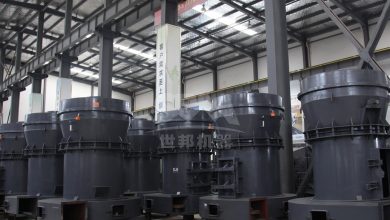
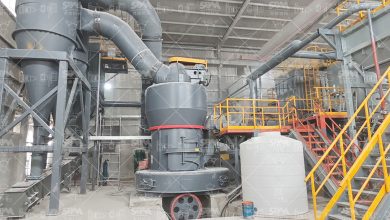
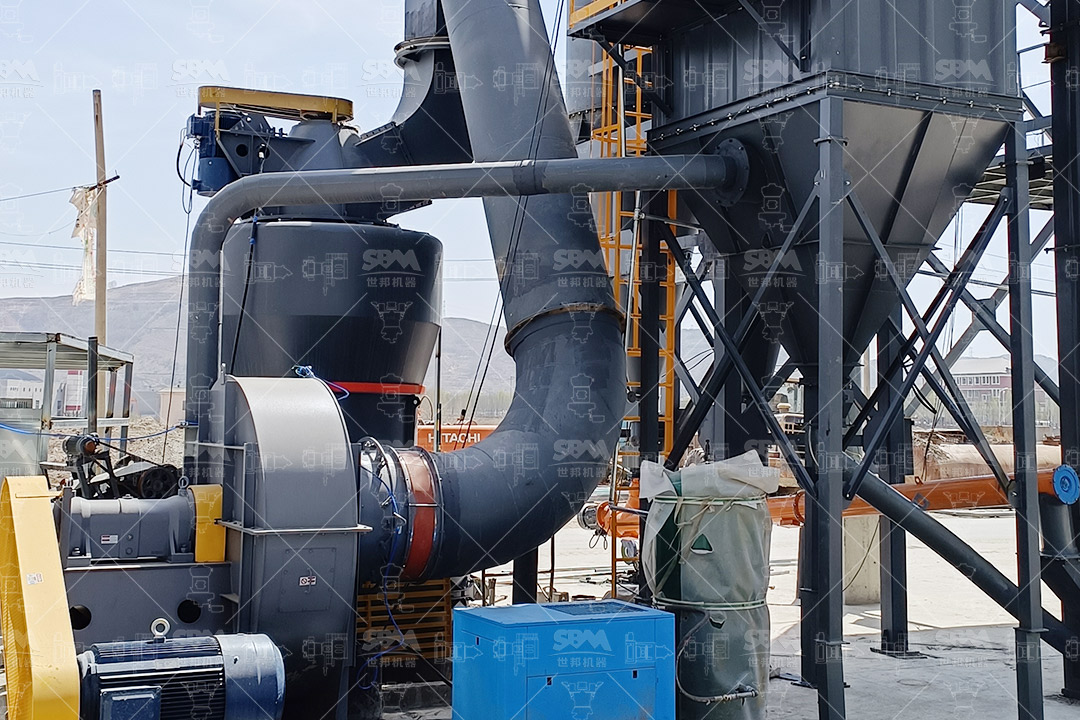
In addition to its optical properties, TiO₂ enhances the weatherability and resistance of coatings to chalking, yellowing, and cracking when exposed to sunlight. For these reasons, the particle size and distribution of TiO₂ must be meticulously controlled. Particles that are too coarse will scatter light poorly, reducing opacity, while overly fine particles can lead to agglomeration and reduce gloss. This is where advanced milling technology becomes critical. For instance, the LM Series Vertical Roller Mill from our company is an excellent choice for producing TiO₂ pigments with fineness ranging from 600 to 45 μm. With its integrated design combining crushing, grinding, and classification, the LM series ensures a uniform product, reduces energy consumption by 30-40% compared to ball mills, and minimizes floor space requirements—a key advantage for large-scale pigment production plants.
Plastics Industry
Titanium dioxide is extensively used in the plastics industry to enhance whiteness, brightness, and opacity. It is added to a wide variety of plastic products, including packaging materials (bottles, films), consumer goods (toys, appliances), and construction materials (PVC pipes, window profiles). In plastics, TiO₂ not only provides aesthetic improvements but also acts as a UV stabilizer. By absorbing harmful UV radiation, it protects the polymer matrix from degradation, extending the lifespan of the product.
The dispersion of TiO₂ in plastic matrices is crucial. Poor dispersion can result in defects such as streaks, poor color strength, and reduced mechanical properties. Therefore, the raw TiO₂ powder must be ground to a precise fineness, often in the range of 325 to 2500 mesh. For high-value applications requiring exceptional fineness and uniformity, our SCM Series Ultrafine Mill (45–5μm) stands out. With an output fineness of 325-2500 mesh and a capacity of 0.5 to 25 tons per hour, the SCM series is designed for high-efficiency grinding. Its vertical turbine classifier ensures no coarse powder mixing, achieving precise particle size cutting that is essential for premium plastic masterbatch production.
Paper and Pulp Industry
In the paper industry, TiO₂ is used as a filler and coating pigment. It improves the brightness, opacity, and printability of paper products. High-quality printing papers, labels, and laminated papers often contain significant amounts of TiO₂ to achieve a brilliant white appearance and prevent show-through during printing. The paper industry values TiO₂ for its ability to produce a bright, opaque sheet with a high gloss finish.
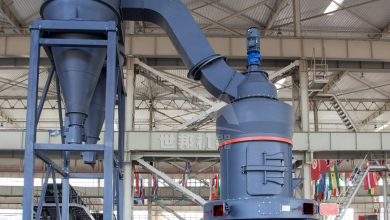
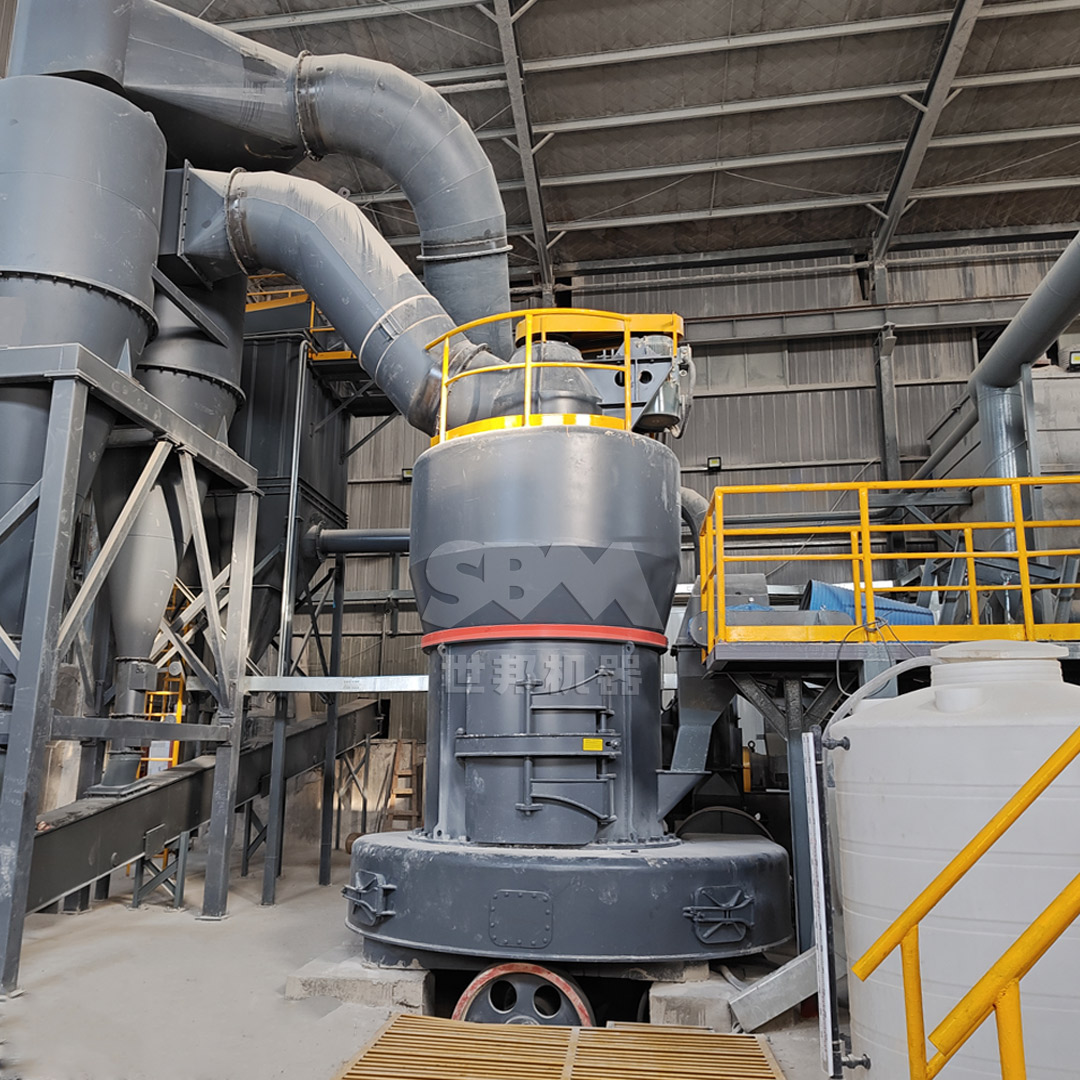
The processing requirements for TiO₂ in the paper sector involve achieving a fine, consistent particle size that can be easily dispersed in aqueous or solvent-based slurries. For applications requiring higher brightness and a smoother surface, finer grades of TiO₂ are preferred. The MTW Series European Trapezium Mill (600–45μm) is well-suited for this task. It combines an anti-wear shovel design with an optimized arc air duct and an integral bevel gear drive, achieving transmission efficiency of up to 98%. This mill is capable of handling feed sizes up to 50mm and producing fineness from 30 to 325 mesh, making it a robust solution for paper-grade TiO₂ production where both efficiency and reliability are paramount.
Cosmetics and Personal Care
Titanium dioxide is a common ingredient in cosmetics and personal care products, including sunscreens, foundations, powders, lotions, and toothpaste. In sunscreens, it functions as a physical UV filter, reflecting and scattering UVB and UVA rays. Unlike chemical sunscreens that absorb UV radiation, TiO₂ acts as a physical barrier, which is often preferred for sensitive skin. In color cosmetics, it provides opacity, coverage, and a smooth texture.
The use of TiO₂ in cosmetics often requires extremely fine particles, particularly in the nanoparticle range (less than 100 nm), to ensure transparent application and effective UV protection. However, the grinding process must be carefully controlled to maintain the crystalline structure and photocatalytic activity. The SCM Series Ultrafine Mill excels in producing these fine powders with high precision. Its energy-efficient design, with capacity double that of jet mills and 30% lower energy consumption, makes it an ideal choice for cosmetic-grade TiO₂ production. The intelligent control system with automatic feedback on product granularity ensures batch-to-batch consistency, which is absolutely critical in the cosmetics industry.
Advanced Ceramics and Glass
In the field of advanced ceramics, TiO₂ is used to produce materials with high dielectric constants, high refractive indices, and strong photocatalytic properties. It is a key component in the manufacture of capacitors, sensors, and optical filters. In glass manufacturing, TiO₂ is added to increase the refractive index and UV absorption, leading to products like self-cleaning glass (thanks to its photocatalytic effect) and anti-reflective coatings. The photocatalytic properties of TiO₂ are also harnessed for environmental applications, such as air and water purification, where it breaks down organic pollutants under UV light.
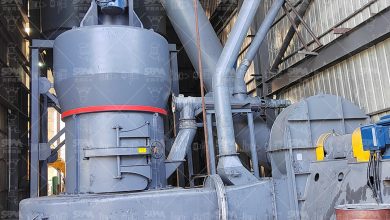
For these high-tech applications, the purity and particle morphology of TiO₂ are critical. Milling equipment must avoid contamination and precisely control the final particle size. Our LM Series Vertical Roller Mill, with its fully sealed negative pressure operation and intelligent control system, ensures a contamination-free environment. The non-contact design between rollers and table extends wear part life, while the modular design allows for quick maintenance, reducing downtime in continuous production scenarios. The ability of the LM series to handle materials with a feed size of up to 50mm and achieve fineness down to 45 microns makes it a versatile choice for the ceramics and glass industries.
Food and Pharmaceutical Industries
In the food industry, titanium dioxide is approved as a food additive (E171 in the EU) to whiten and brighten products such as candies, chewing gum, sauces, and certain dairy products. However, its use in food has come under increasing regulatory scrutiny in recent years, leading some manufacturers to seek alternatives or reduce particle sizes to minimize potential health concerns. In the pharmaceutical industry, TiO₂ is commonly used as a pigment in tablet coatings and capsules to provide a white, clean appearance and protect the active ingredients from light.
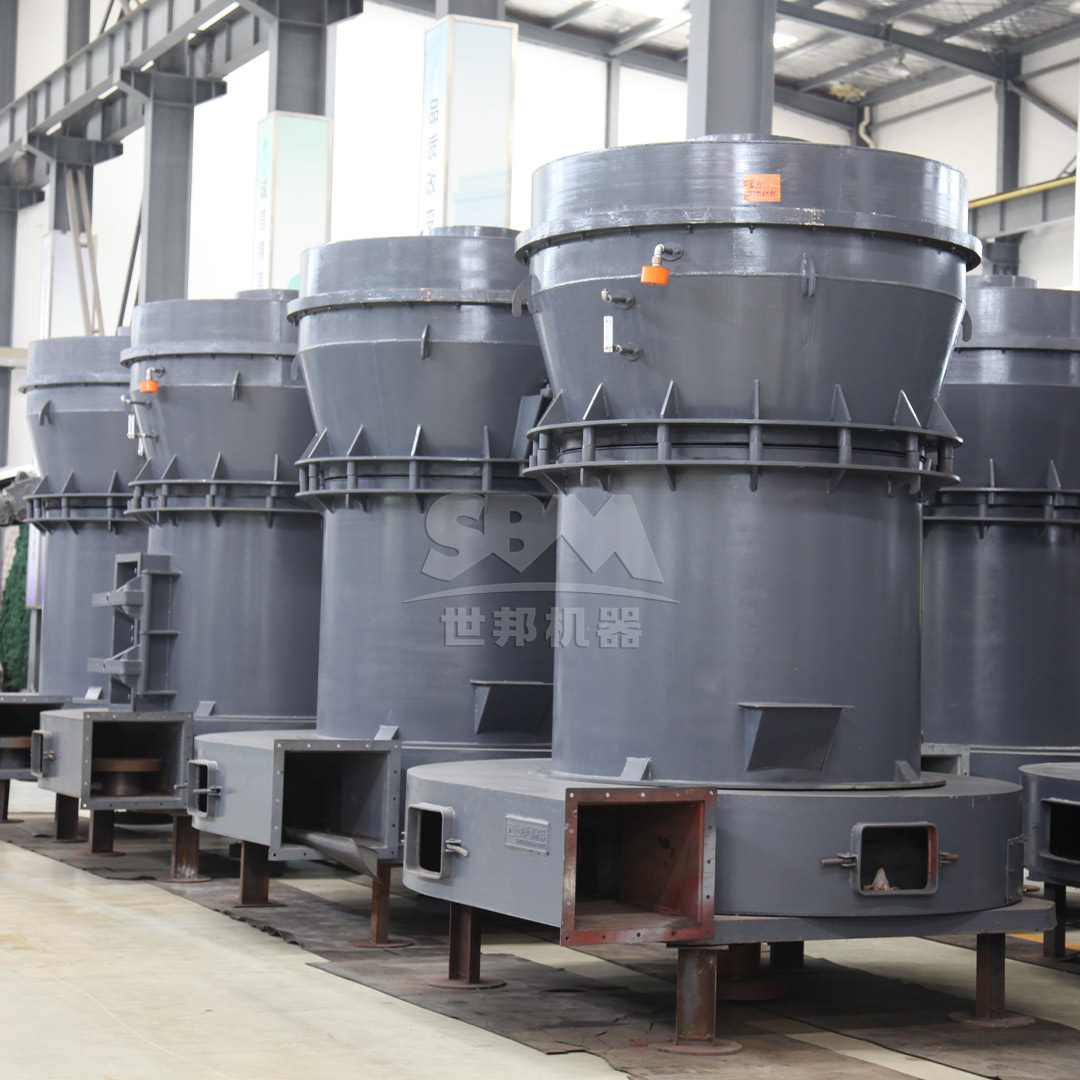
For both food and pharmaceutical applications, the milling process must adhere to stringent hygiene and safety standards. Equipment must be easy to clean and prevent cross-contamination. The MTW Series European Trapezium Mill is designed with wear-resistant components and an optimized structure that minimizes maintenance and cleaning time. Its combined shovel blade design reduces replacement costs, and the wear-resistant volute structure further enhances its durability. With capacities ranging from 3 to 45 tons per hour, the MTW series can be scaled to meet the production demands of large food and pharmaceutical processing plants, while ensuring that the final product meets the required purity and fineness specifications.
Environmental and Energy Applications
Beyond its traditional uses, TiO₂ is gaining prominence in environmental and energy applications. Its photocatalytic properties are being exploited for self-cleaning surfaces, antimicrobial coatings, and water treatment. When exposed to UV light, TiO₂ generates reactive oxygen species (ROS) that can decompose organic dirt, bacteria, and pollutants. This has led to its incorporation into building materials, such as concrete and tiles, to create surfaces that stay cleaner longer and improve air quality. In the energy sector, nano-structured TiO₂ is a key material in the development of dye-sensitized solar cells (DSSCs) as a photoanode material, offering a low-cost alternative to traditional silicon-based solar cells.
Producing TiO₂ for these advanced applications requires precise control over surface area, crystallinity, and particle size. The SCM Series Ultrafine Mill is particularly adept at handling these challenges. Its special material rollers and rings extend the service life of the equipment while processing hard, abrasive materials. The shaftless screw grinding chamber ensures stable operation even under demanding conditions. With models capable of producing 0.5 to 25 tons per hour, the SCM series provides the flexibility and performance needed for cutting-edge environmental and energy technologies.
Conclusion
Titanium dioxide remains one of the most versatile and widely used industrial minerals. From the paint on our walls to the sunscreen on our skin, and from the paper we read to the advanced ceramics in our electronics, TiO₂ plays a vital role. The performance of titanium dioxide in each of these applications is directly linked to its particle size and distribution. Therefore, selecting the right milling equipment is not just a matter of production efficiency—it is a decisive factor in product quality. Our company offers a comprehensive range of mills, including the SCM Series Ultrafine Mill for ultra-fine applications (325-2500 mesh) and the MTW Series European Trapezium Mill for medium-to-fine grinding (30-325 mesh). By choosing our advanced grinding solutions, industries can ensure that their titanium dioxide products achieve the highest standards of purity, consistency, and performance, driving innovation and value across the global market.