How to Choose the Best Stearate Grinding Mill? Types and Top Manufacturers Explained
Introduction: Understanding Stearate Grinding
Stearates, including calcium stearate, magnesium stearate, and zinc stearate, are versatile metallic soaps widely used as lubricants, stabilizers, and release agents in industries such as plastics, rubber, pharmaceuticals, and cosmetics. The physical properties of stearates—such as fineness, purity, and particle size distribution—directly impact their performance in downstream applications. Therefore, selecting the right grinding mill is critical for achieving the desired product quality, production efficiency, and cost-effectiveness. This article provides a comprehensive guide to choosing the best stearate grinding mill, covering the main types of mills available, their working principles, key selection criteria, and a look at top manufacturers in the industry.
Key Factors to Consider When Choosing a Stearate Mill
Before diving into mill types, it’s essential to understand the key parameters that define your milling needs. These factors will guide you toward the most suitable equipment.
- Desired Fineness: Stearate applications often require fine powders. For example, plastic lubricants may need 200-325 mesh (74-45 μm), while high-end pharmaceutical or coating applications may demand ultrafine powders of 1250 mesh (10 μm) or finer. Your mill must be capable of consistently achieving the target particle size.
- Production Capacity: Daily or hourly throughput is a primary consideration. A small pilot plant may need a mill processing 0.5 tons per hour, while a large industrial facility might require 20 tons per hour or more. Mill selection must align with your production scale.
- Material Characteristics: Stearates are typically soft, waxy, and heat-sensitive materials with a low melting point (typically 120-150°C). The grinding process must effectively dissipate heat to avoid melting, agglomeration, or degradation of the product. Mills with efficient air cooling or water cooling systems are preferred.
- Energy Efficiency and Operating Cost: Grinding is energy-intensive. Choosing a mill with lower specific energy consumption (kWh per ton) and longer-lasting wear parts can significantly reduce operating costs over the long term.
- Environmental and Safety Compliance: Stearate dust can be combustible under certain conditions. The mill should be designed with explosion-proof features, sealed negative-pressure operation to prevent dust leakage, and efficient dust collection systems to meet environmental regulations.
Main Types of Stearate Grinding Mills
Based on the principles of pulverization and classification, several mill types are suitable for stearate processing. The following are the most common and effective solutions.
1. Ultrafine Grinding Mills (for Fine to Superfine Powders, 325-2500 Mesh)
For applications requiring high fineness and precise particle size control, ultrafine mills are the industry standard. These mills combine high-speed grinding with high-precision classification.
Working Principle: The main motor drives a grinding ring assembly to rotate at high speed. Material is fed into the grinding chamber and dispersed by centrifugal force between the grinding rollers and the ring. Under high pressure, the material is crushed and ground into fine powder. An integrated vertical turbine classifier then separates the fine particles; any coarse powder is returned to the grinding chamber for further processing. This ensures a consistent final product with no coarse particles.
Advantages for Stearates: These mills excel at processing heat-sensitive materials like stearates because their airflow system efficiently removes heat from the grinding zone. The classifier provides sharp cut points, achieving very narrow particle size distributions, which is crucial for applications demanding uniform dispersion and performance. They are also comparatively energy-efficient, often offering double the capacity of jet mills with 30% lower energy consumption.
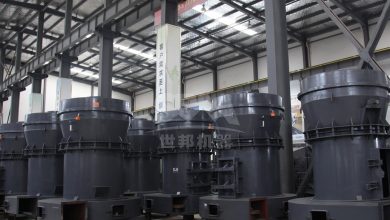
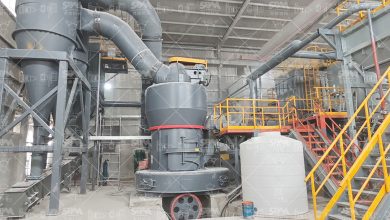
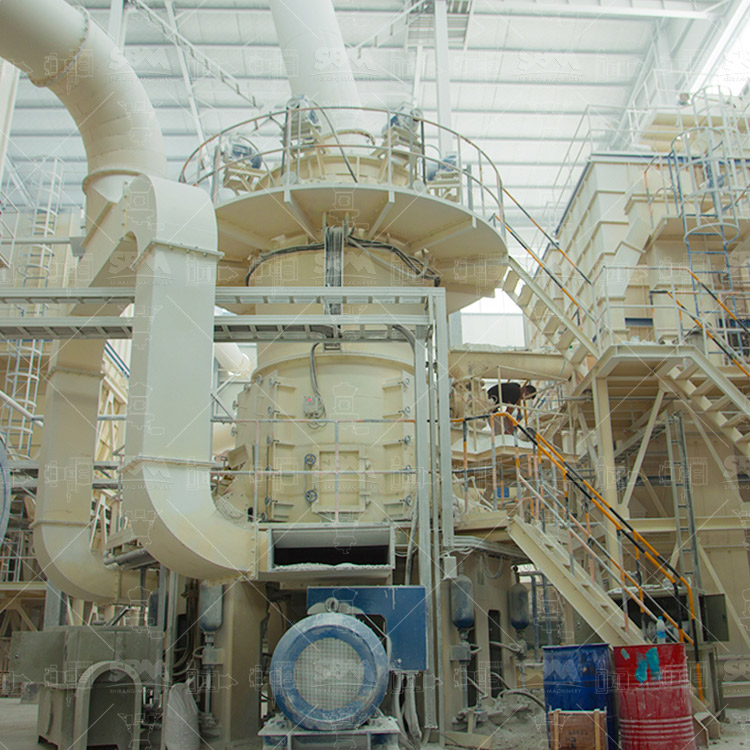
Recommended Product: At this point, we strongly recommend the SCM Series Ultrafine Mill from our company. Designed for the 45-5 μm range, it perfectly matches the fineness requirements for premium stearate powders. With models ranging from SCM800 (0.5-4.5 t/h) to SCM1680 (5-25 t/h), it offers scalable solutions. Its intelligent control system provides automatic finished product granularity feedback, ensuring stable and repeatable quality. The durable design, featuring special material rollers and rings, extends service life significantly, making it a cost-effective choice for high-volume production.
2. European Trapezium Mills (for Medium to Fine Grinding, 30-325 Mesh)
When the target fineness is in the medium-to-fine range (typically down to 45 μm), European trapezium mills are a robust and efficient choice. They represent the next generation of pendulum roller mills, offering improved performance and lower maintenance.
Working Principle: The main motor drives the central shaft and the plum frame, causing the grinding rollers to revolve around the ring. At the same time, the rollers rotate on their own axes. Material is fed by a shovel and thrown into the gap between the roller and the ring. The trapezium-shaped roller and ring design creates a large grinding area, improving crushing efficiency. An integral bevel gear drive ensures transmission efficiency up to 98%.
Advantages for Stearates: These mills handle larger feed sizes (up to 50mm) and offer high capacity, making them suitable for primary grinding or applications where ultra-fine fineness is not the primary goal. The optimized arc air duct reduces airflow resistance, and the anti-wear shovel design (combined shovels) lowers maintenance costs. The internal suction oil lubrication system is a patented feature that ensures reliable bearing operation.
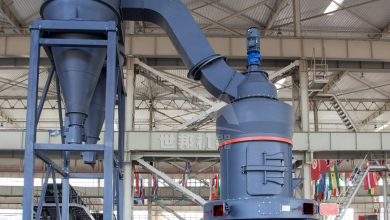
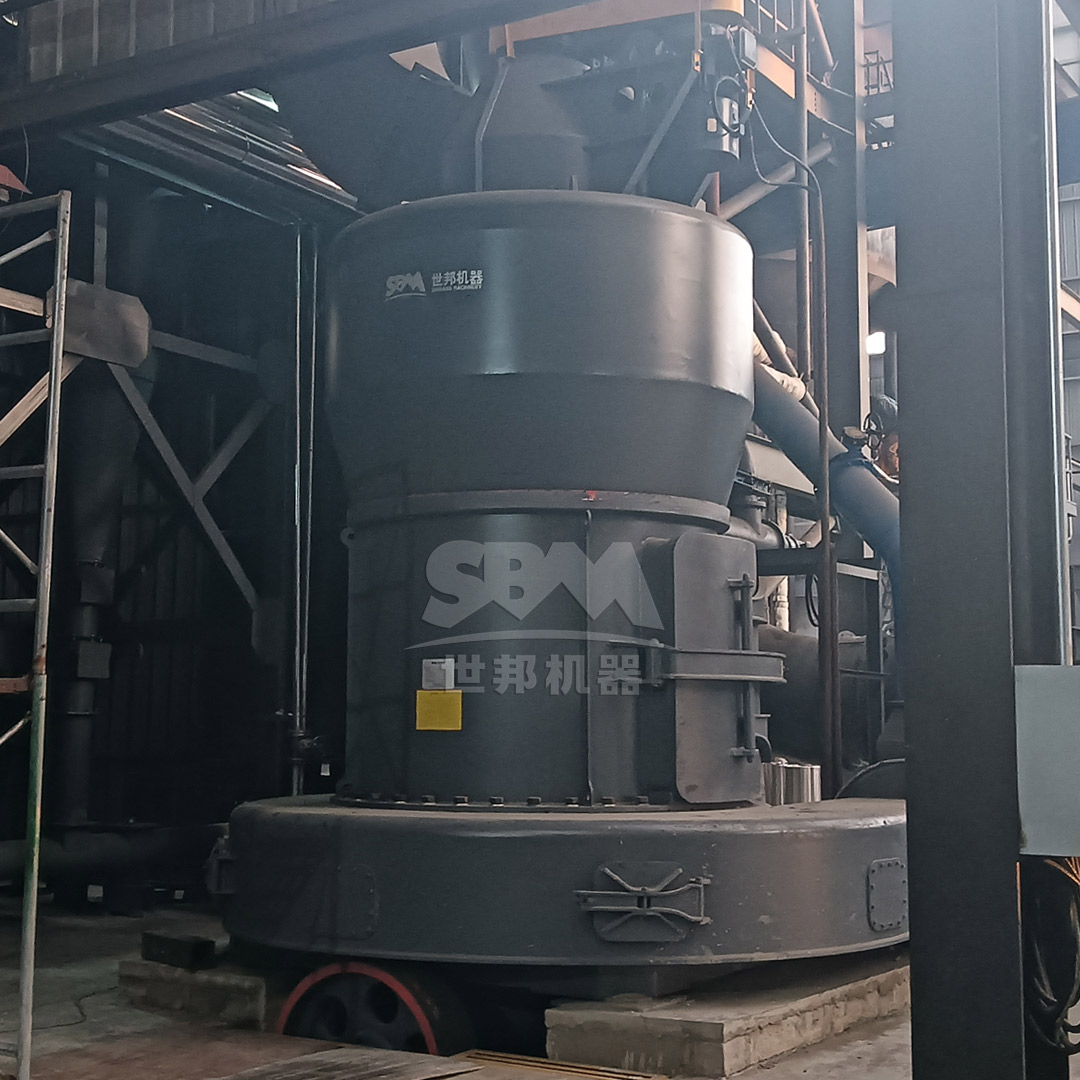
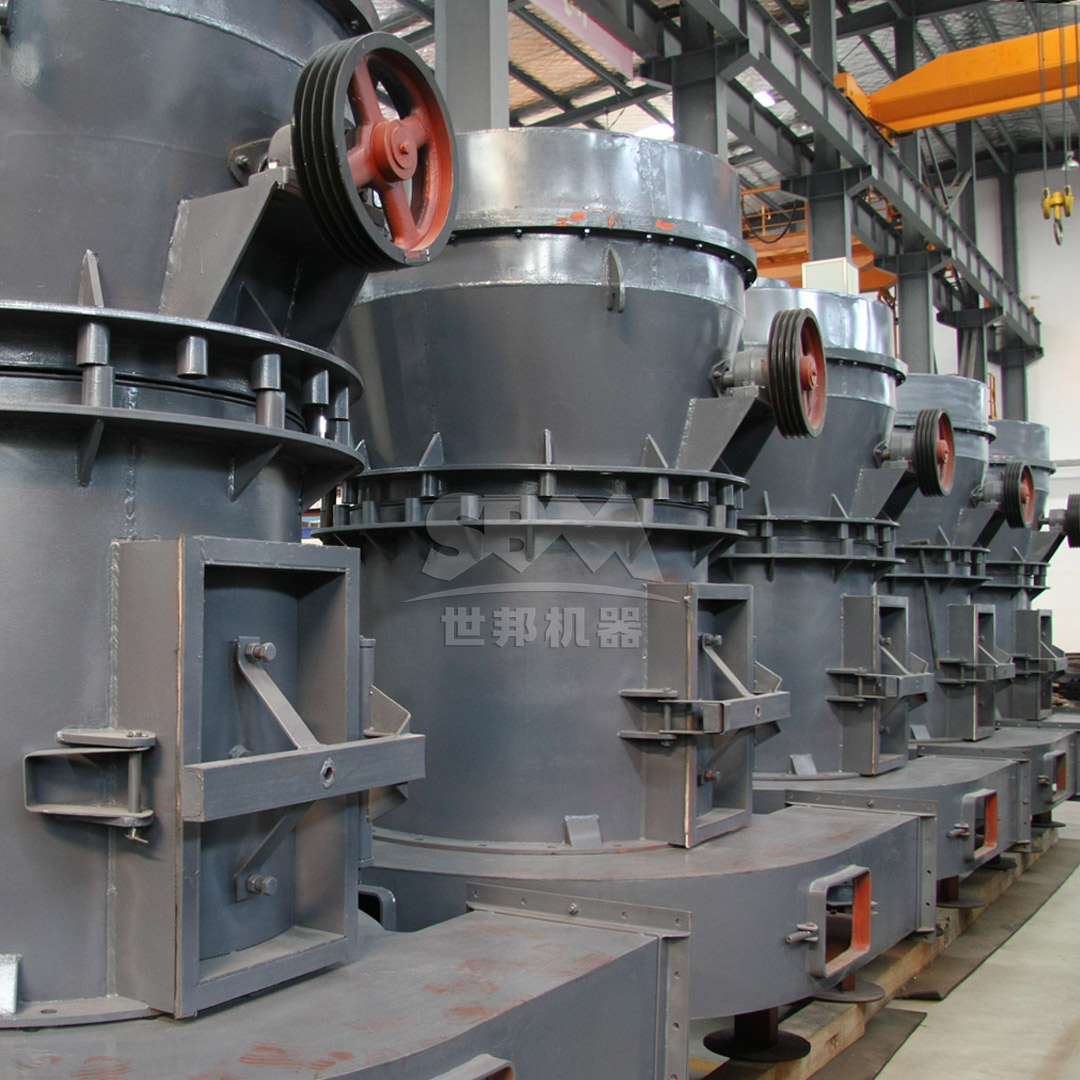
Recommended Product: For medium-fineness stearate production, our MTW Series European Trapezium Mill is an excellent solution. Covering a capacity range of 3-45 t/h (with models from MTW110 to MTW215G), it is ideal for large-scale operations. The wear-resistant volute structure prolongs the life of key components, while the curved shovel design extends the service life of the grinding rollers. It offers a perfect balance of high performance, durability, and operational simplicity for grinding stearates to 30-325 mesh.
3. Vertical Roller Mills (for Large Capacity and Integrated Processing)
Vertical roller mills (VRMs) are heavy-duty machines designed for high-throughput, continuous grinding operations. They combine crushing, grinding, and classification into a single system.
Working Principle: The material is fed onto the center of a rotating grinding table. Centrifugal force moves it outward into the grinding path, where it is crushed between the table and one or more grinding rollers. Hot air (or ambient air) enters the mill, lifting the ground material to a dynamic classifier. Coarse particles fall back onto the table for re-grinding, while the fine powder is collected.
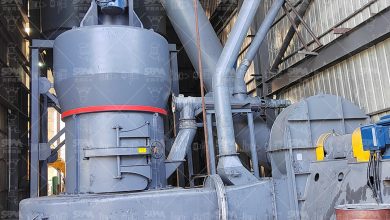
Advantages for Stearates: VRMs are known for their extremely low energy consumption (30-40% lower than ball mills) and very high capacity (up to 250 t/h). Their integrated design significantly reduces floor space and infrastructure costs. The non-contact design between rollers and table means wear is minimized, with part life increased many times over. For very large-scale stearate production facilities, a VRM can be the most efficient option.
4. Other Mill Types for Stearates
- Ball Mills: While versatile and proven for many materials, ball mills are generally less energy-efficient for dry, fine grinding of stearates compared to roller mills. They are more suitable for wet grinding, grinding of very hard materials, or when a very wide particle size distribution is acceptable. Their high steel ball consumption and noise levels are also drawbacks.
- Hammer Mills: Suitable for coarse crushing (e.g., breaking down stearate flakes or lumps to a granular size of 0-3mm). They are often used as pre-crushers before a fine grinding mill. Their high-speed impact action is not ideal for achieving fine powders or controlling particle size precisely.
- Jet Mills: Jet mills use high-velocity compressed air or steam to create particle-on-particle impact. They can achieve very fine particles and are excellent for heat-sensitive materials because there is no moving part contact. However, their energy consumption is extremely high, making them less economical for large-scale stearate production compared to mechanical mills.
Top Manufacturers and How to Choose the Right Partner
Selecting the right manufacturer is as important as selecting the right machine. Here are some criteria to consider:
- Industry Experience: Look for a manufacturer with a proven track record in powder processing, especially with heat-sensitive, soft materials like stearates.
- Technical Support and Testing: A top-tier manufacturer will offer pre-sales material testing in their lab to verify that their mill can achieve your target fineness and capacity with your specific stearate raw material.
- After-Sales Service: The availability of spare parts, local service technicians, and remote diagnostics is crucial for minimizing downtime.
- Customization Capabilities: Your process may have unique requirements (e.g., special dust collection, explosion-proofing, or feeding systems). The best manufacturers can tailor their standard machines to your specific needs.
Our Company: We are a leading manufacturer of advanced grinding and classification equipment with decades of experience. Our portfolio includes all the mill types mentioned above, specifically engineered for the efficient processing of stearates and other specialty chemicals. We offer comprehensive testing services, from laboratory-scale trials to full-scale pilot plant demonstrations, to ensure the right fit for your operation. Our global service network guarantees prompt support and genuine parts.
For instance, if your application demands the highest purity and precise ultrafine fineness for critical applications, our SCM Series Ultrafine Mill is the recommended choice. For large-scale, cost-sensitive production of medium-fineness stearates, our MTW Series European Trapezium Mill offers unmatched efficiency and durability.
Conclusion: Matching the Mill to Your Needs
Choosing the best stearate grinding mill is a decision that directly impacts your product quality and bottom line. By carefully evaluating your requirements for fineness, capacity, energy consumption, and material characteristics, you can narrow down the options. While various technologies exist, the SCM Ultrafine Mill and MTW Trapezium Mill stand out as highly effective, reliable, and economical solutions for different segments of the stearate powder market. We encourage you to contact us with your specific parameters so that we can recommend the optimal mill configuration for your success.