
What Equipment is Used to Grind Boron Ore Powder for Borax Preparation?
Introduction
The preparation of borax, a vital industrial compound, begins with the efficient processing of its primary source: boron ore. Boron minerals, such as colemanite, ulexite, and kernite, are typically hard and abrasive, requiring specialized grinding equipment to liberate the valuable boron content and achieve the precise fineness necessary for subsequent chemical processing. The choice of grinding technology directly impacts production efficiency, product quality, energy consumption, and overall operational costs. This article provides a comprehensive overview of the equipment used for grinding boron ore into fine powder, detailing the working principles, advantages, and selection criteria for different production scales and fineness requirements.
Key Considerations for Boron Ore Grinding
Before selecting grinding equipment, several critical factors related to boron ore’s properties and borax production must be evaluated:
- Ore Hardness and Abrasiveness: Boron ores are often hard (Mohs hardness 2-4.5 for common borates, but associated gangue can be harder) and abrasive. Equipment must feature wear-resistant components to ensure longevity and consistent output.
- Required Product Fineness: The optimal particle size for borax preparation varies but often falls within a range of 30 mesh (600μm) to 325 mesh (45μm) for efficient leaching or fusion processes. Some advanced applications may demand ultrafine powders below 45μm (325 mesh).
- Production Capacity: From pilot-scale studies to large-scale industrial plants, the equipment must match the required throughput, typically ranging from a few tons to hundreds of tons per hour.
- Energy Efficiency: Grinding is an energy-intensive operation. Selecting technology with lower specific energy consumption (kWh/ton) is crucial for economic and environmental sustainability.
- System Integration and Environmental Control: A complete grinding system includes feeding, grinding, classification, and dust collection. A well-integrated, sealed system is essential to prevent boron dust emissions, ensuring a clean and safe working environment.
Primary Crushing and Coarse Grinding Equipment
The journey from raw ore to fine powder often starts with size reduction to a manageable feed size for fine grinding mills.
Jaw Crushers and Cone Crushers
These are used for primary and secondary crushing to reduce large chunks of mined ore (often several hundred millimeters) down to a size of 20-50mm. They provide the first stage of liberation.
Hammer Mills
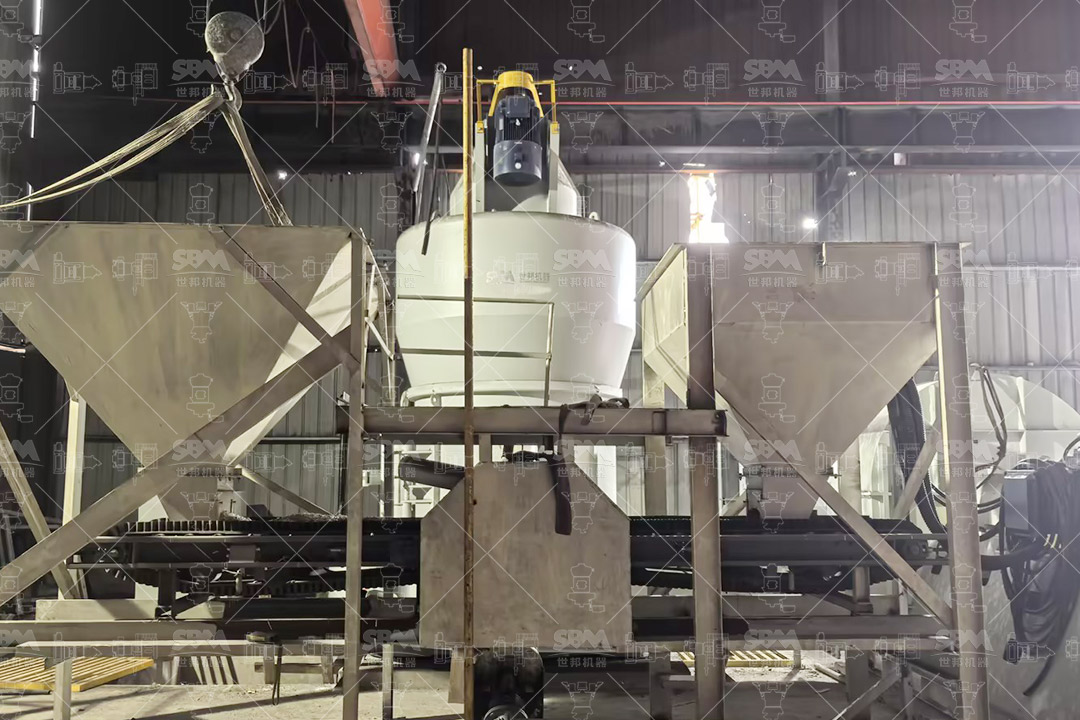
For intermediate crushing, hammer mills are highly effective. They utilize high-speed rotating hammers to shatter the ore against breaker plates. Modern hammer mills, like the models offered in our portfolio, are designed for high performance and stability. For instance, a PC4012-90 model can process 15-40 tons per hour, reducing feed sizes of 0-40mm down to 0-3mm, making it an excellent pre-grinder for subsequent fine milling stages. Their compact structure and wear-resistant liners make them a cost-effective choice for initial size reduction.
Fine and Ultrafine Grinding Technologies
This stage is the core of boron ore preparation, transforming coarse particles into the fine powder required for borax synthesis.
1. Ball Mills
A traditional and widely used technology. Ball mills are rotating cylinders filled with grinding media (steel balls). As the mill rotates, the balls cascade and impact the ore, achieving grinding through attrition and impact.
- Advantages: Proven technology, wide application range, capable of both dry and wet grinding. Suitable for achieving fineness down to 0.074mm (200 mesh).
- Considerations for Boron Ore: Can have relatively high energy consumption and wear rates due to the abrasive nature of the ore. The grinding fineness is limited compared to more advanced mills.
2. Raymond Mills (Roller Mills)
These are medium-speed mills that grind material between rotating rollers and a stationary ring. They are a staple in mineral processing for medium-fine powders.
- Advantages: Higher efficiency than ball mills for similar fineness ranges (typically 30-325 mesh). More compact footprint.
- Considerations: Direct metal-to-metal contact in the grinding zone can lead to wear from abrasive ores, though modern designs incorporate advanced wear-resistant materials.
3. Vertical Roller Mills (VRM)
VRMs represent a significant advancement in grinding technology. Material is fed onto a rotating table and is ground under pressure by hydraulically loaded rollers. A stream of gas carries the fine particles to an integrated classifier.
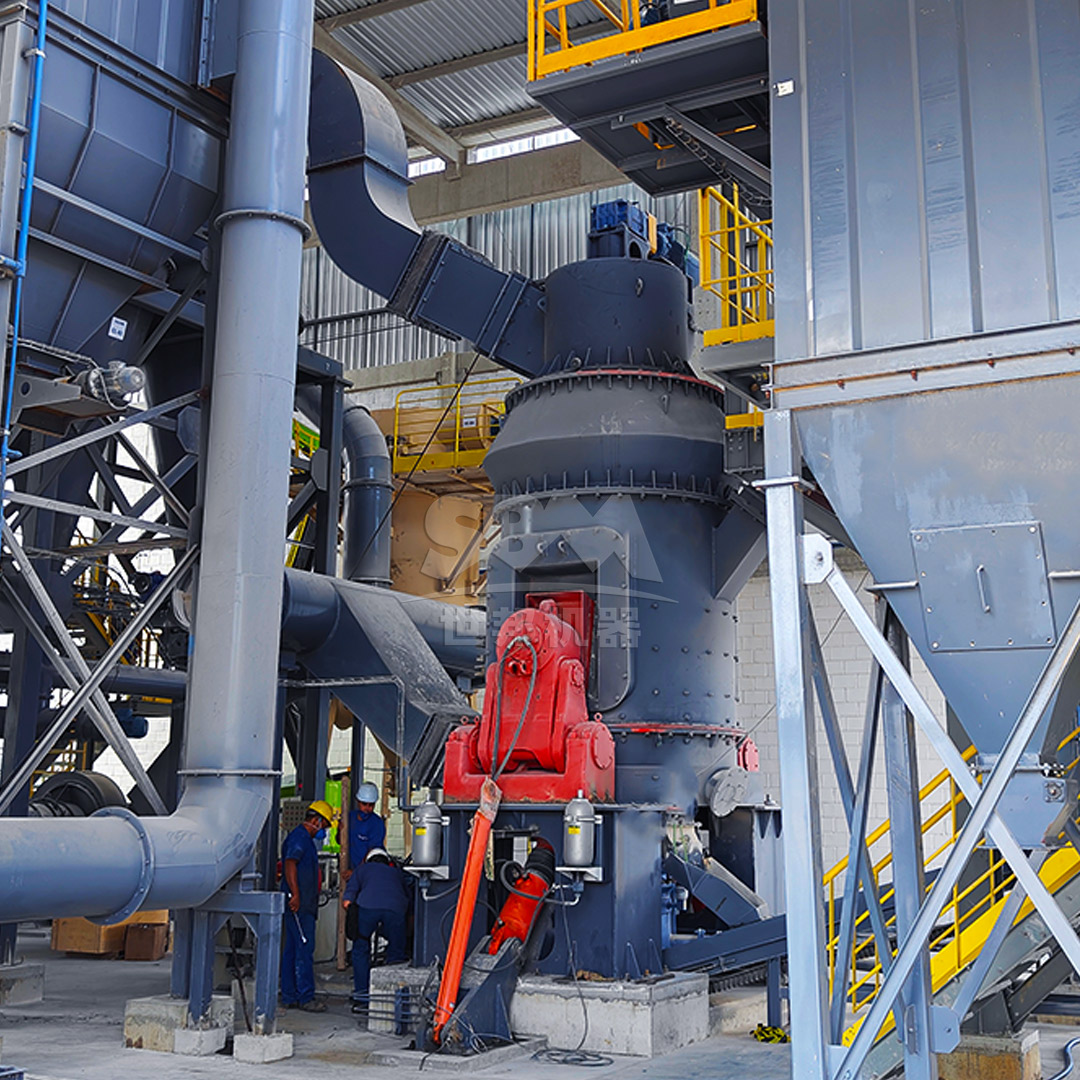
- Advantages: Exceptional energy efficiency (30-50% less than ball mills), integrated drying capability (if using hot gas), low noise, and excellent environmental control due to fully enclosed operation. They are ideal for large-capacity plants requiring fineness in the 30-325 mesh range.
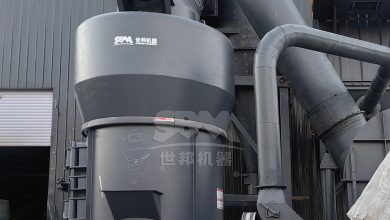
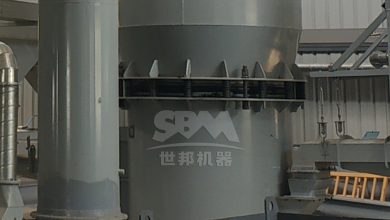
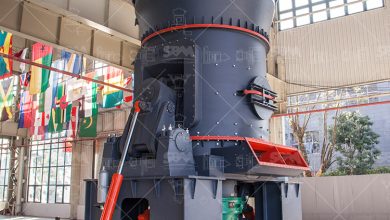
- Our Solution: Our LM Series Vertical Roller Mill is perfectly suited for high-volume boron ore grinding. Its integrated design combines crushing, grinding, drying, and classifying in a single unit, reducing floor space by 50%. With capacities from 3 to 250 t/h and the ability to handle feed sizes up to 50mm, it offers a robust and efficient solution. The non-contact design between rollers and table and the use of special wear-resistant materials significantly extend service life when processing abrasive boron ores, while its intelligent control system ensures stable, high-quality powder production.
4. Ultrafine Grinding Mills
For applications demanding superfine boron powder (finer than 325 mesh/45μm), specialized ultrafine mills are required.
- Jet Mills: Use high-speed jets of compressed air or steam to cause particle-on-particle impact, suitable for very fine, low-contamination products but with high energy costs.
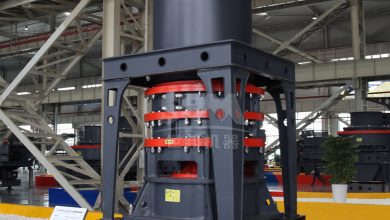
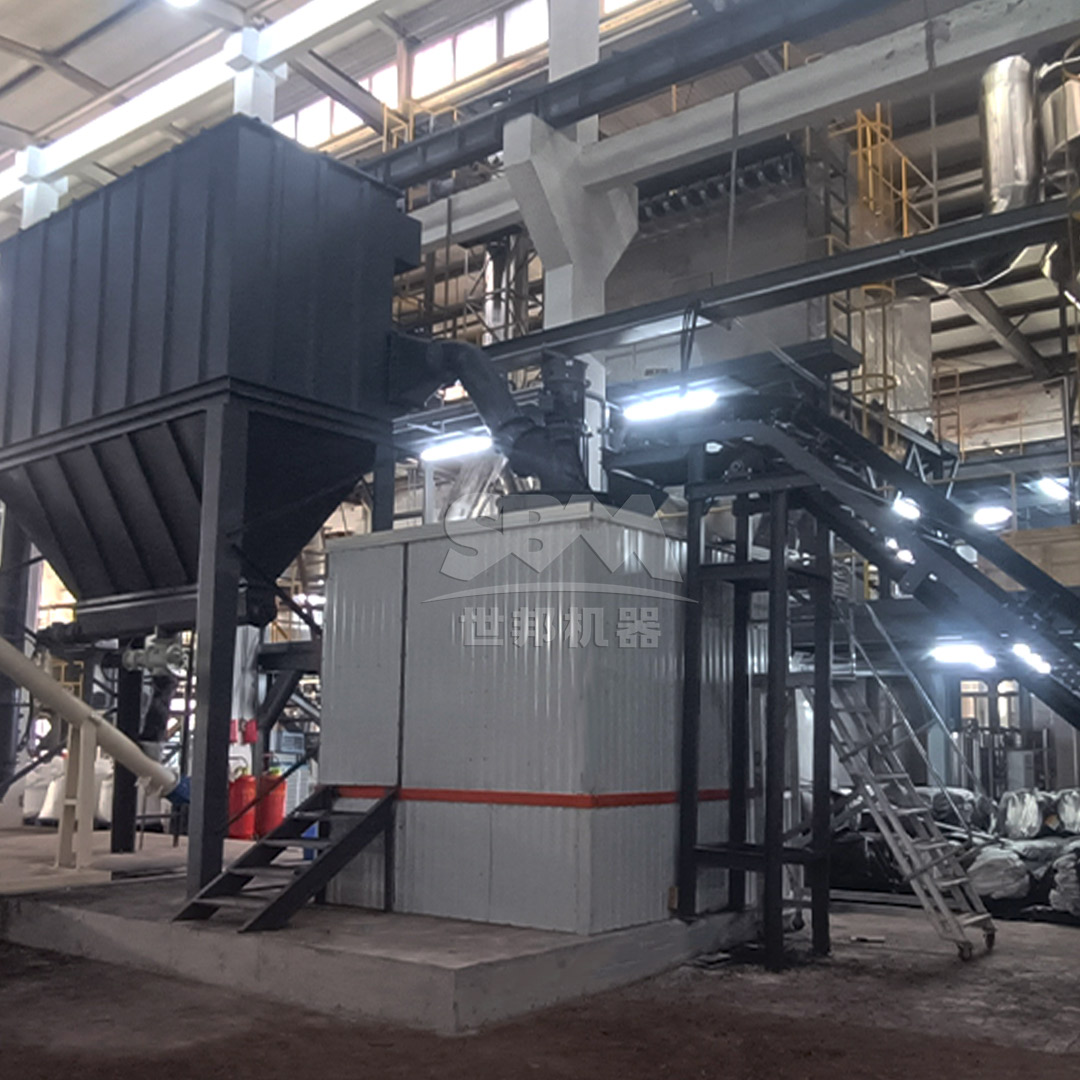
- Our Advanced Solution: For producing high-value, ultrafine boron powders, our SCM Series Ultrafine Mill is the technology of choice. It is engineered to produce powders between 325 and 2500 mesh (45-5μm) with high efficiency. Its core advantages include a high-precision vertical turbine classifier that ensures a sharp particle size cut without coarse powder mixing, resulting in a uniform product critical for consistent chemical reactivity. Furthermore, it features a durable design with special material rollers and rings that withstand abrasive materials, and its eco-friendly pulse dust collection system maintains a clean operation. With capacities from 0.5 to 25 t/h, it is an ideal solution for premium borax and boron derivative production.
Ancillary Equipment: The Complete System
No grinding mill operates in isolation. A complete system includes:
- Feeders: Ensure a consistent and controlled feed rate to the mill.
- Classifiers: Critical for controlling product fineness. Integrated dynamic classifiers (as in VRMs and SCM mills) or separate cyclone air classifiers separate fine product from coarse material that requires regrinding.
- Dust Collectors: Baghouse filters or pulse jet dust collectors are mandatory to capture fine boron dust, protecting the environment and recovering product. Modern mills feature highly efficient integrated systems.
- Conveying & Packaging Systems: Transport the finished powder to storage silos or packaging lines.
Conclusion
Selecting the right equipment for grinding boron ore is a strategic decision that balances technical requirements with economic and operational goals. For coarse to medium-fine grinding at high capacities, Vertical Roller Mills like our LM Series offer an unbeatable combination of efficiency, reliability, and environmental performance. For producing specialized, ultrafine boron powders that can enhance borax preparation processes, the SCM Series Ultrafine Mill provides precision, uniformity, and advanced wear protection. By understanding the properties of the ore and the demands of the final product, producers can implement a grinding circuit that maximizes yield, minimizes cost, and ensures a high-quality feed for efficient borax production.