Lithium Extraction from Lepidolite: Complete Process Flow for Producing Lithium Carbonate
Introduction
The global transition to clean energy has propelled lithium, the cornerstone of modern battery technology, into a position of critical strategic importance. While brines and spodumene dominate current lithium supply, lepidolite, a lithium-bearing mica, presents a significant and often underutilized resource. Its complex mineralogy, characterized by a layered silicate structure containing lithium, aluminum, potassium, fluorine, and other elements, demands a specialized and robust extraction process. This article provides a comprehensive overview of the complete process flow for converting lepidolite ore into high-purity battery-grade lithium carbonate, highlighting key technological considerations and equipment requirements at each stage.
1. Ore Preparation and Beneficiation
The journey from raw lepidolite ore to lithium carbonate begins with meticulous preparation. The ore, typically mined as large rocks, must be reduced to a specific particle size to maximize the surface area for subsequent chemical reactions. This stage involves primary crushing, secondary crushing, and finally, fine grinding.
For the initial size reduction from run-of-mine ore to a manageable feed size (typically below 50mm), robust jaw crushers or gyratory crushers are employed. The secondary crushing stage further reduces the material to below 20mm. The critical step in preparation is the fine grinding of the beneficiated lepidolite concentrate. The goal is to achieve a uniform, ultra-fine powder to ensure complete and efficient reaction in the downstream roasting or leaching stages. This is where advanced milling technology becomes paramount.
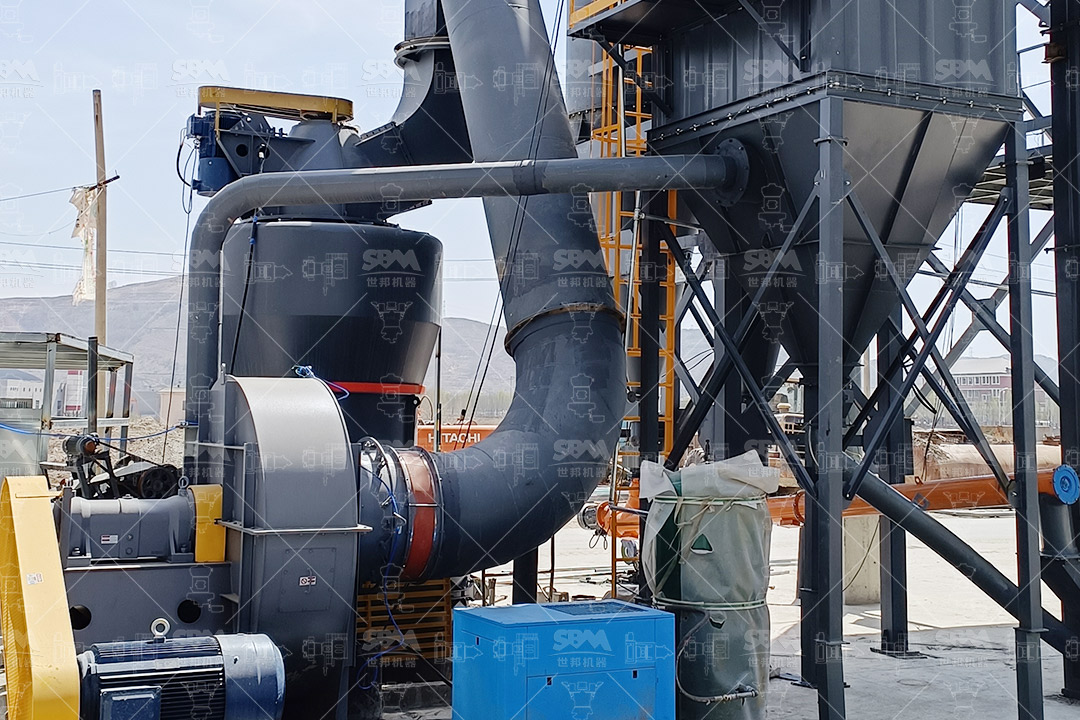
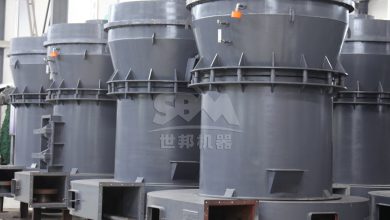
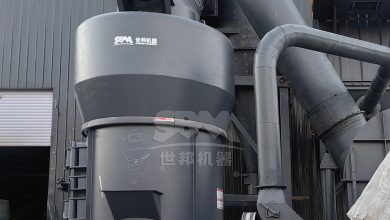
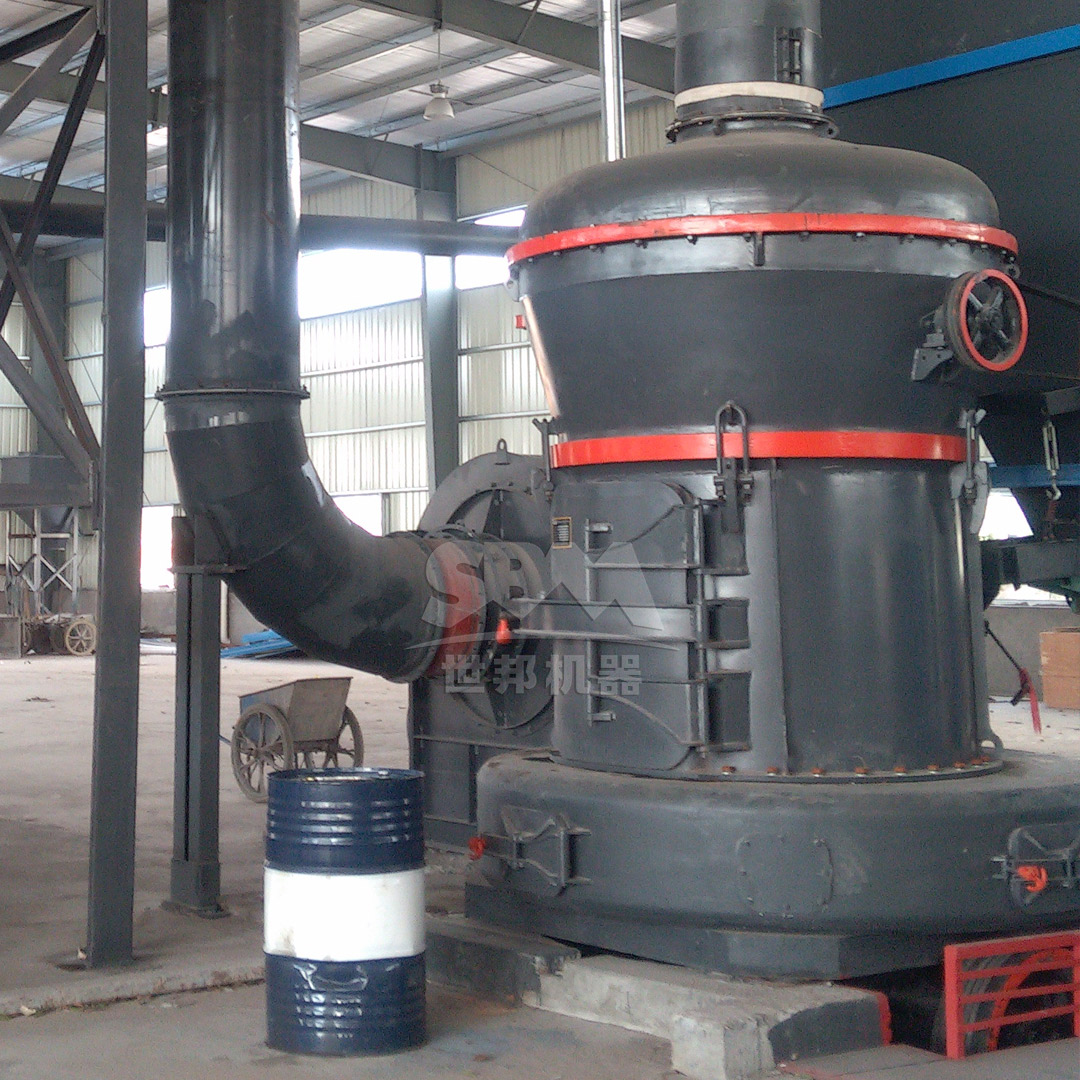
For this application, our MTW Series European Trapezium Mill is exceptionally well-suited. Engineered for high-capacity, efficient grinding of non-metallic minerals, the MTW mill can handle feed sizes up to 50mm and produce a consistent fineness ranging from 30 to 325 mesh (600-45μm). Its anti-wear shovel design and optimized arc air duct ensure low maintenance costs and high transmission efficiency, which are crucial for continuous operation. The integral bevel gear drive offers up to 98% transmission efficiency, significantly saving energy over the life of the plant. Models like the MTW215G, with a capacity of 15-45 tons per hour, are ideal for large-scale lepidolite processing facilities, providing the reliable and consistent feedstock quality required for stable downstream operations.
2. Roasting and Sulfation
The core of many lepidolite extraction processes involves a high-temperature treatment to break down the stable silicate structure and convert lithium into a water-soluble form. The sulfation roasting method is widely used. In this stage, the finely ground lepidolite is intimately mixed with a sulfate agent, commonly potassium sulfate (K₂SO₄) or a mixture of calcium sulfate and calcium oxide. The blend is then fed into a rotary kiln or multiple hearth furnace and roasted at temperatures between 850°C and 950°C.
During roasting, a series of solid-state reactions occur. The sulfate reacts with lithium, potassium, and other alkali metals in the lepidolite, forming soluble sulfates (Li₂SO₄, K₂SO₄) while the aluminum and silicon are converted into insoluble compounds. The success of this stage depends on precise temperature control, uniform mixing, and sufficient residence time in the kiln to ensure complete conversion. The output is a sintered calcine containing the water-soluble lithium sulfate.
3. Leaching and Impurity Removal
The roasted calcine is cooled and then subjected to a water leaching process. Lithium sulfate, along with other soluble sulfates like potassium and sodium, dissolves into the aqueous phase. The solid residue, primarily consisting of aluminosilicates and iron compounds, is separated via filtration or thickening.
The resulting pregnant leach solution (PLS) is rich in lithium but also contains a host of impurities such as aluminum, iron, calcium, magnesium, and residual potassium and sodium. A multi-step purification sequence is essential:
- Neutralization & Precipitation: The pH of the PLS is carefully adjusted, often using lime or limestone, to precipitate aluminum and iron as hydroxides.
- Calcium and Magnesium Removal: Further chemical treatment, potentially using soda ash or oxalate, removes residual calcium and magnesium ions.
- Solvent Extraction or Ion Exchange: For producing high-purity battery-grade material, advanced purification techniques like solvent extraction (using specific organic extractants) or selective ion-exchange resins may be employed to separate lithium from other alkali metals like sodium and potassium, yielding a highly purified lithium chloride or sulfate solution.
4. Lithium Carbonate Precipitation and Refining
The purified lithium solution is now ready for the final conversion to lithium carbonate (Li₂CO₃). This is achieved through a precipitation reaction. A hot, concentrated sodium carbonate (soda ash, Na₂CO₃) solution is added to the purified lithium chloride or sulfate solution under controlled conditions of temperature and stirring. The reaction produces a precipitate of lithium carbonate, which is sparingly soluble in hot water.
Li₂SO₄ + Na₂CO₃ → Li₂CO₃↓ + Na₂SO₄
The precipitated lithium carbonate slurry is then filtered, washed thoroughly with hot deionized water to remove entrained sodium and chloride ions, and dried. The initial product may still contain trace impurities. To achieve battery-grade specification (typically >99.5% Li₂CO₃), a recrystallization or re-precipitation step is often conducted. This involves re-dissolving the crude carbonate in carbonated water under a CO₂ atmosphere to form soluble lithium bicarbonate, filtering to remove any remaining insoluble impurities, and then heating the solution to decompose the bicarbonate back into high-purity lithium carbonate.
5. Drying, Milling, and Packaging
The final step involves processing the wet filter cake of pure lithium carbonate. It is first dried in rotary dryers or belt dryers to reduce moisture content to a very low level (typically less than 0.2%). The dried product may form agglomerates and requires gentle milling to achieve the desired particle size distribution (PSD) specified by battery cathode manufacturers. A uniform, fine PSD is critical for ensuring good reactivity and mixing in cathode production.
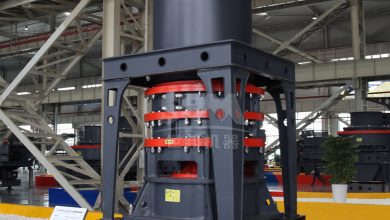
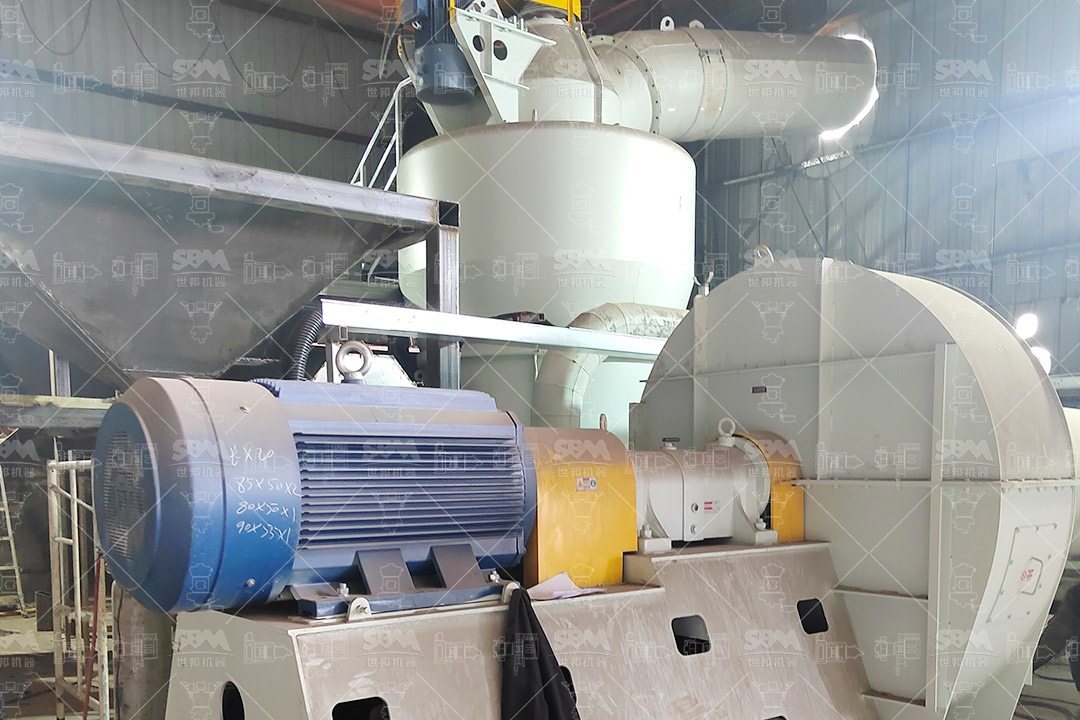
For this final precision milling stage, where protecting product purity and achieving a tightly controlled, ultra-fine fineness are critical, our SCM Series Ultrafine Mill is the optimal solution. Designed for producing fine and ultra-fine powders in the range of 325 to 2500 mesh (45-5μm), the SCM mill features a high-precision vertical turbine classifier that ensures no coarse powder mixing, delivering a uniform and consistent product. Its durable design with special material rollers and rings guarantees long service life and prevents metallic contamination. Furthermore, its eco-friendly operation with high-efficiency pulse dust collection and low noise design makes it ideal for the final, sensitive stage of a high-value chemical like lithium carbonate. A model like the SCM1000, with a capacity of 1.0-8.5 t/h, can efficiently handle the output of a significant lithium carbonate production line.
Conclusion
The extraction of lithium carbonate from lepidolite is a complex but viable metallurgical process that transforms a challenging silicate ore into a high-purity commodity essential for the energy revolution. Each stage—from efficient ore comminution and precise thermal treatment to sophisticated solution purification and final product refinement—requires robust and reliable equipment. The integration of advanced grinding technologies, such as the MTW Series Mill for feedstock preparation and the SCM Series Ultrafine Mill for final product sizing, can significantly enhance process efficiency, product quality, and overall plant economics. As demand for lithium continues to surge, optimizing these process flows with high-performance equipment will be key to unlocking the full potential of lepidolite resources worldwide.