Vertical Mill vs Ball Mill: Key Differences and Which is Better for Your Needs
In the world of mineral processing and powder production, selecting the right grinding equipment is a critical decision that impacts operational efficiency, product quality, and overall profitability. Two of the most prominent technologies in this arena are the Vertical Roller Mill (VRM) and the traditional Ball Mill. While both serve the fundamental purpose of size reduction, their design philosophies, operational mechanisms, and performance characteristics differ significantly. This article provides a comprehensive, professional comparison to guide you in choosing the optimal solution for your specific application.
Fundamental Working Principles: A Tale of Two Mechanisms
The core difference lies in how each machine applies force to the material.
Vertical Roller Mill (VRM) Operation
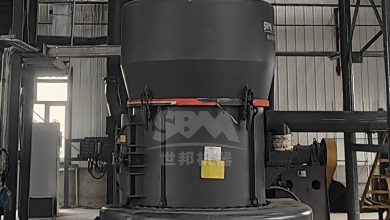
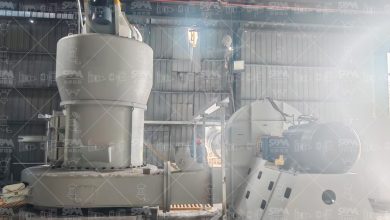
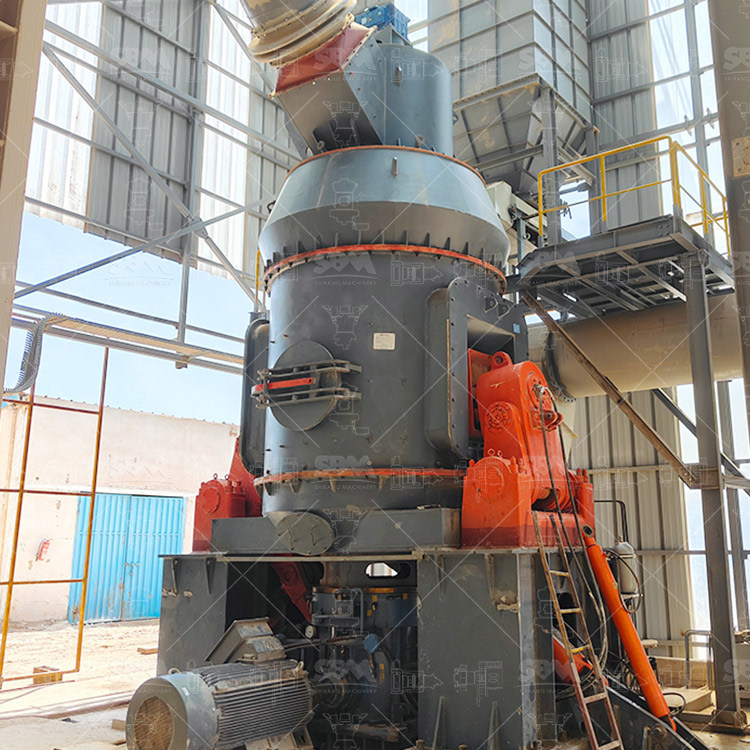
A Vertical Mill operates on the principle of bed compression grinding. The main motor drives a rotating grinding table. Feed material is centrally introduced and spread evenly by centrifugal force. Hydraulically loaded grinding rollers then apply substantial pressure onto the material bed, crushing and grinding it through compression and shear forces. The ground material is transported by an air stream to an integrated, high-efficiency classifier. Fine particles meeting the target size are carried to the collection system, while coarse particles are rejected and fall back onto the table for further grinding.
Ball Mill Operation
A Ball Mill is a horizontal, rotating cylinder (or shell) partially filled with grinding media, typically steel balls. As the shell rotates, the balls are lifted by the mill’s liners to a certain height before cascading or cataracting down onto the material below. Size reduction occurs primarily through impact as the balls fall and through attrition (abrasion) as the balls roll and slide against each other and the material. The product is discharged either peripherally or through an end discharge grate, with size control often dependent on residence time and the size of the discharge openings.
Head-to-Head Comparison: Key Performance Parameters
| Parameter | Vertical Roller Mill (VRM) | Ball Mill |
|---|---|---|
| Energy Efficiency | Superior. Consumes 30-50% less energy than a ball mill for the same duty, as grinding occurs directly on the bed under pressure with minimal wasted motion. | Lower. Significant energy is consumed to rotate the heavy shell and lift the grinding media, with much energy lost as heat and noise. |
| Particle Size Distribution & Fineness | Excellent control via internal dynamic classifiers. Can produce a steeper, more consistent PSD. Ideal for fine (45μm) to ultra-fine (<20μm) grinding. | Produces a broader PSD. Best suited for coarse to medium-fine grinding (0.8mm – 75μm). Achieving ultra-fine sizes is less efficient. |
| Drying Capacity | Excellent. Hot gas can be introduced directly into the grinding chamber, allowing simultaneous grinding and drying of materials with high moisture content (up to 15-20%). | Limited. Drying requires a separate pre-dryer or a more complex air-swept system, adding to complexity and cost. |
| Footprint & Installation | Compact. Integrated system (grinding, drying, classification) has a significantly smaller footprint. Often allows for outdoor installation, reducing civil costs. | Large. Requires more space for the mill itself, auxiliary drives, and often separate classification equipment. |
| Noise Level | Lower (typically 80-85 dB). The grinding process is enclosed and relatively quiet. | High (can exceed 100 dB). The impact of metal balls creates significant noise, requiring sound insulation. |
| Wear & Maintenance | Wear parts (roller tires, table liners) are large but long-lasting. Maintenance is periodic and planned. Modern designs feature quick-change roller systems. | Wear is distributed across many smaller balls and liners. Media addition is regular. Liner replacement is a major, time-consuming shutdown event. |
| Capital Cost | Generally higher initial investment for the mill itself. | Often lower initial capital cost for the mill unit. |
| Operational Flexibility | Fast response to changes in feed and product specification. Quick start-up and shutdown. | Slower response time. Sensitive to overfilling or underfilling. Longer start-up and cooldown periods. |
Choosing the Right Mill for Your Application
When a Vertical Roller Mill is the Superior Choice:
- Fine and Ultra-fine Grinding: For products required in the range of 325 mesh (45μm) to 2500 mesh (5μm).
- Energy-Conscious Operations: Where reducing specific power consumption (kWh/ton) is a primary objective.
- Integrated Grinding and Drying: For raw materials like limestone, clay, or slag with significant moisture.
- Space-Constrained Sites: Greenfield or brownfield projects where plant footprint is limited.
- Modern, Automated Plants: Where stable operation, remote monitoring, and process optimization are key.
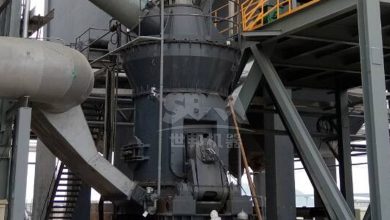
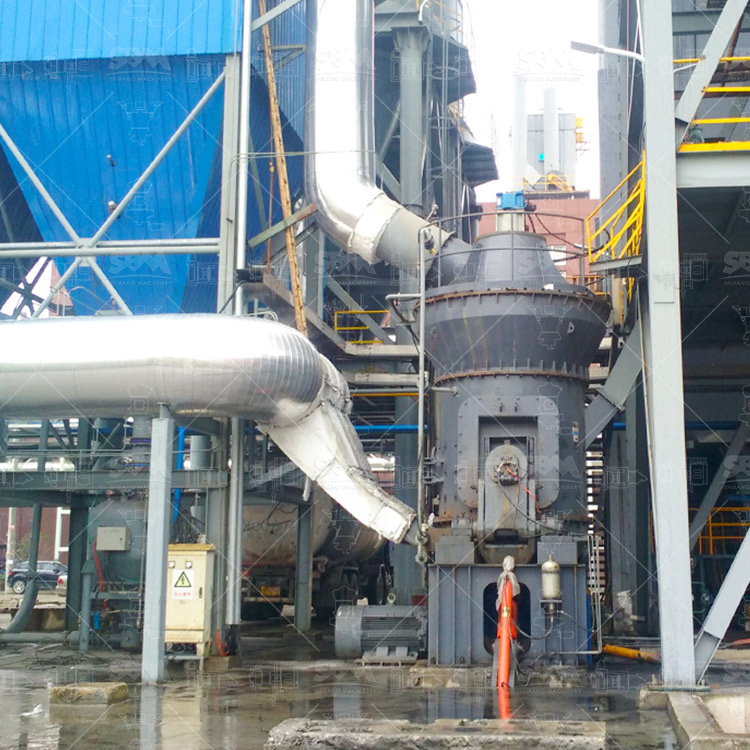
For these demanding modern applications, our LM Series Vertical Roller Mill stands out as a premier solution. Engineered for high capacity (3-250 t/h) and exceptional efficiency, it integrates crushing, grinding, drying, and classification in a single unit. Its intelligent control system allows for expert-level automation and remote operation, while its non-contact grinding design and wear-resistant materials ensure low operating costs and extended service life. The LM series is the benchmark for large-scale, efficient mineral powder production.
When a Ball Mill Remains a Viable Option:
- Coarse Grinding: For primary or secondary grinding down to about 0.8mm.
- Wet Grinding Processes: In mineral processing for flotation or leaching, where slurry handling is integral.
- Extreme Abrasiveness: Some very hard and abrasive materials may be suited to the distributed wear pattern of a ball mill, though VRM technology has advanced significantly here.
- Legacy Plant Upkeep: Where existing infrastructure and expertise are centered around ball milling.
Bridging the Gap: Advanced Solutions for Specific Needs
The evolution of grinding technology has also led to specialized vertical mills that push performance boundaries. For producers targeting the ultra-fine powder market (325-2500 mesh), where precision and energy efficiency are paramount, a specialized vertical mill is essential.
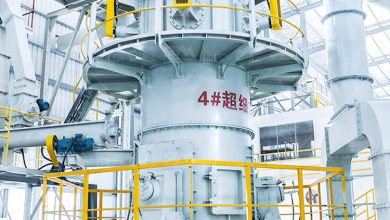
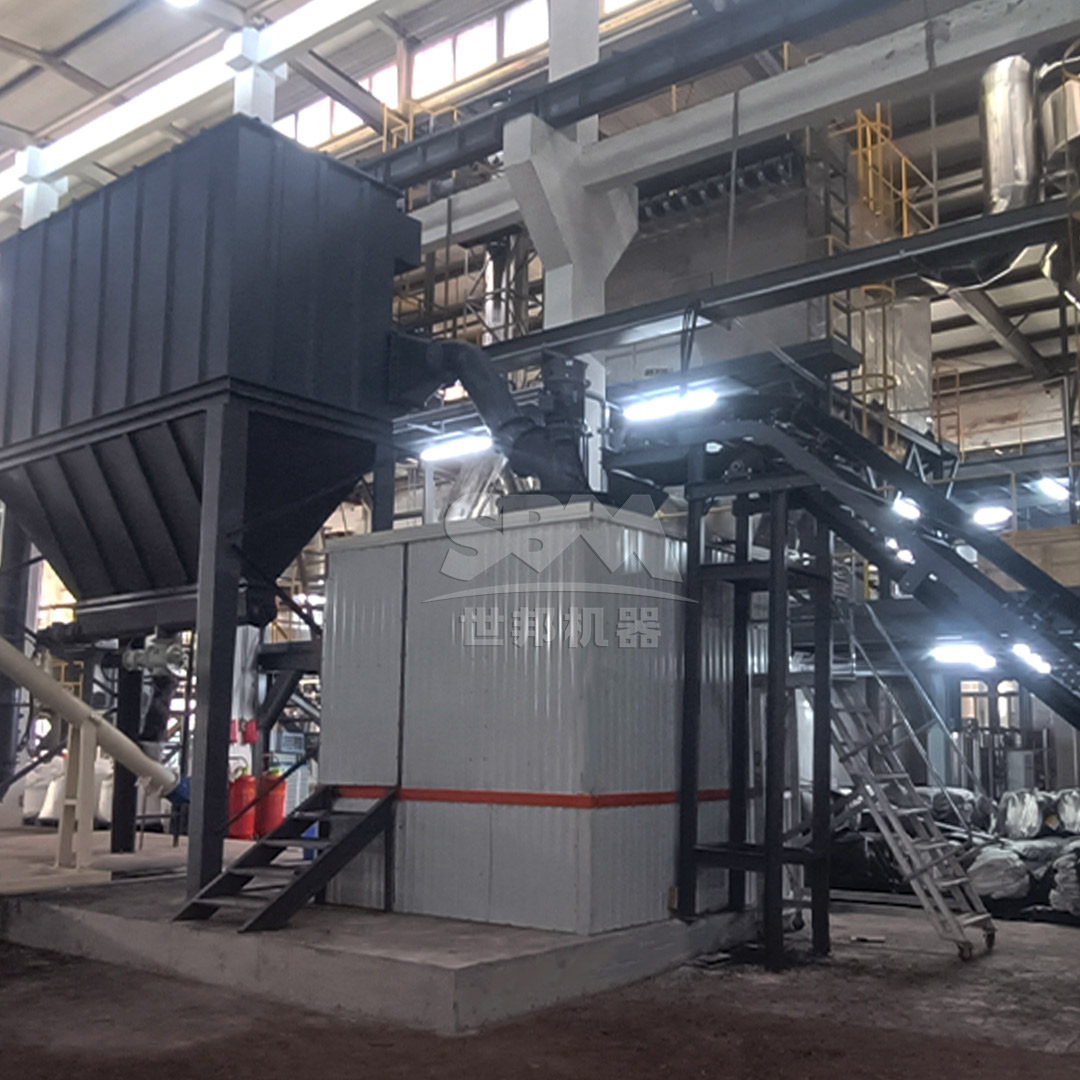
Our SCM Series Ultrafine Mill is specifically engineered for this high-value sector. It excels in producing powders with unparalleled fineness and a narrow, consistent particle size distribution, thanks to its high-precision vertical turbine classifier. With a capacity 2x that of jet mills and 30% lower energy consumption, the SCM series represents a leap in efficiency. Its durable design, featuring special material rollers and rings, coupled with an eco-friendly pulse dust collection system, makes it the ideal choice for industries like high-end paints, coatings, plastics, and advanced ceramics where product uniformity is critical.
Conclusion and Recommendation
The choice between a Vertical Roller Mill and a Ball Mill is no longer merely traditional vs. modern; it is a strategic decision based on technical and economic factors. For the vast majority of dry grinding applications—especially those requiring fine to ultra-fine products, high energy efficiency, and lower total cost of ownership—the Vertical Roller Mill is the unequivocally better technology.
Ball mills retain their place in specific contexts, particularly in wet processing or very coarse grinding circuits. However, the operational savings, environmental benefits (lower noise and dust), and production advantages of VRMs are driving their widespread adoption.
Final Verdict: For new projects or major upgrades focused on dry grinding, a Vertical Roller Mill, such as our robust LM Series for general mineral processing or our precision SCM Series for ultra-fine production, should be the default starting point for evaluation. The long-term savings in energy and maintenance, combined with superior product control, will typically justify the investment and deliver a stronger return over the life of the operation.