Applications and Uses of Natural Microcrystalline Graphite
Introduction: The Versatile Carbon Mineral
Natural microcrystalline graphite, also known as amorphous graphite or cryptocrystalline graphite, is a naturally occurring form of carbon characterized by its fine crystalline structure, typically less than 1 micron in size. Unlike its flaky counterpart, it appears as a dense, earthy mass with a greasy feel and a metallic luster. This unique structure, formed under specific geological conditions of high pressure and relatively low temperature, endows it with a distinct set of properties that make it indispensable across a vast spectrum of modern industries. Its high carbon content (typically 70%-90%), excellent lubricity, high thermal and electrical conductivity, chemical inertness, and thermal stability form the foundation of its widespread utility.
Key Industrial Applications
1. Refractories and Foundry
This remains one of the largest volume applications for natural microcrystalline graphite. Its ability to withstand extreme temperatures without melting or degrading makes it a critical component in refractory bricks, crucibles, molds, and ladles used in steelmaking, non-ferrous metal casting, and glass production. Graphite’s low thermal expansion coefficient prevents cracking under thermal shock, while its non-wettability by molten metal ensures clean release from molds. In magnesia-carbon and alumina-carbon refractories, graphite acts as a key matrix material, significantly enhancing thermal conductivity, slag resistance, and spalling resistance, thereby extending furnace lining life.
2. Conductive Additives and Energy Storage
The ongoing revolution in electro-mobility and portable electronics has propelled microcrystalline graphite into a strategic material. Its excellent electrical conductivity and stable structure make it an ideal conductive additive in cathodes for lithium-ion batteries. It forms a percolating network that enhances electron transfer, improving rate capability and overall battery performance. Furthermore, it is a primary raw material for the production of expandable graphite, a precursor to graphene oxide and a key component in fire retardant materials and flexible graphite sheets used in fuel cells and thermal management systems.
3. Friction Materials and Lubricants
In brake pads, clutch facings, and other friction materials, microcrystalline graphite serves a dual purpose. It acts as a solid lubricant, reducing wear and providing a stable friction coefficient across a wide temperature range, preventing “brake fade.” Simultaneously, its thermal conductivity helps dissipate the immense heat generated during braking, protecting the structural integrity of the composite. It is also a fundamental ingredient in dry film lubricants, grease formulations, and anti-seize compounds for high-temperature or vacuum applications where liquid lubricants fail.
4. Pencils, Coatings, and Polymers
Beyond heavy industry, microcrystalline graphite is the primary material for pencil “lead” due to its softness and ability to leave a dark mark. In coatings and paints, it is used to create conductive, corrosion-resistant, and thermally radiative surfaces. When compounded into polymers, it can create static-dissipative or electrically conductive plastics for electronics packaging, automotive fuel lines, and aerospace components.
5. Other Niche Applications
Its applications extend to carbon raisers in steelmaking (to adjust carbon content), drilling mud additives in the oil & gas industry for lubrication and wall-strengthening, and as a moderator in certain nuclear reactor designs due to its ability to slow neutrons.
The Critical Role of Processing: From Ore to Performance
The raw ore extracted from mines contains varying amounts of gangue minerals (like silica and silicates). To unlock the full potential and value of microcrystalline graphite for the aforementioned high-end applications, sophisticated processing is non-negotiable. This typically involves steps like crushing, grinding, flotation for purification, and most importantly, precision milling and classification to achieve the target particle size distribution (PSD). The fineness, purity, and particle shape directly influence performance metrics in final products—such as battery cycle life, refractory strength, or lubricity.
For producers aiming to serve the premium refractory, battery materials, and advanced lubricant markets, investing in the right grinding technology is paramount. The equipment must be capable of delivering ultra-fine powders (from coarse 30 mesh down to superfine 2500 mesh/5μm) with high throughput, precise cut points, and minimal contamination, all while being energy-efficient and reliable.
Enabling Advanced Processing: Recommended Grinding Solutions
To meet the exacting demands of processing natural microcrystalline graphite into high-value powders, selecting equipment designed for efficiency, precision, and durability is crucial. Based on the required output fineness and production scale, we recommend the following solutions from our portfolio:
For High-Capacity, Coarse to Medium-Fine Grinding (30-325 mesh)
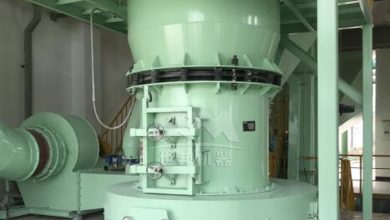
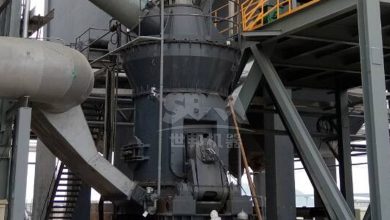
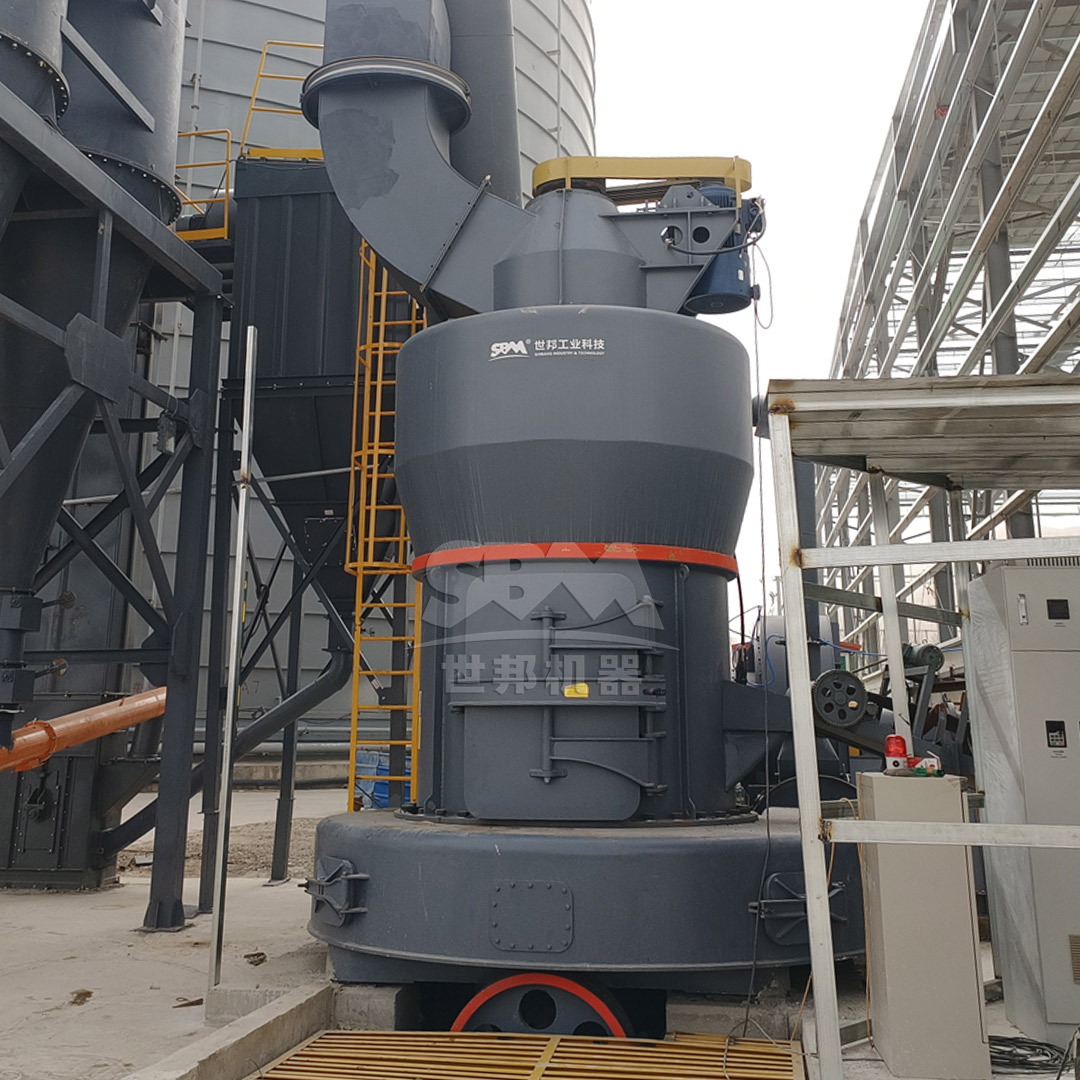
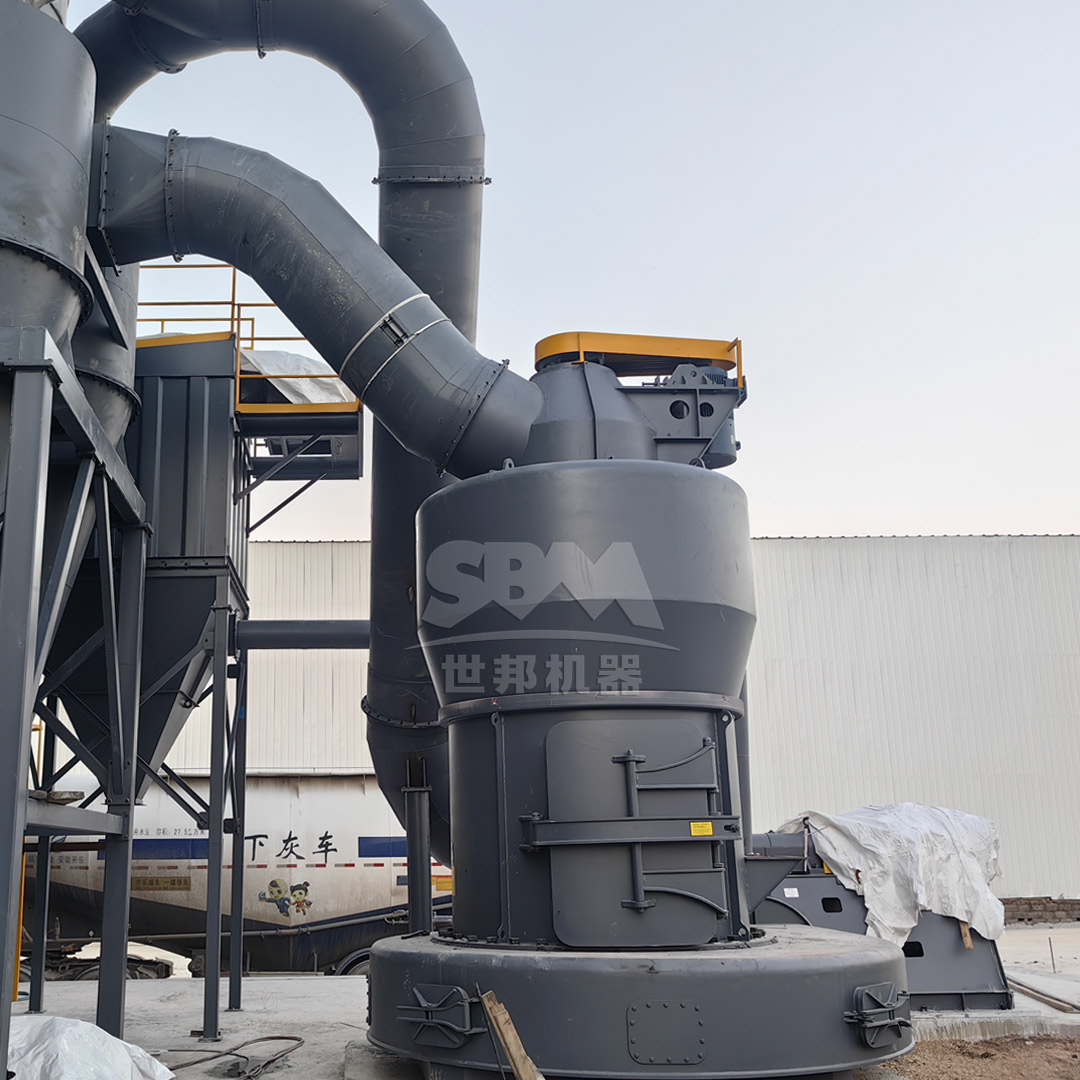
For initial size reduction and production of graphite powders for refractories, foundry facings, and carbon raisers, the MTW Series European Trapezium Mill is an outstanding choice. Engineered for robust performance, it handles feed sizes up to 50mm and delivers capacities from 3 to 45 tons per hour. Its integral bevel gear drive ensures 98% transmission efficiency, while the optimized arc air duct and anti-wear shovel design significantly reduce energy loss and maintenance costs. The built-in classifier allows precise control over product fineness within the 30-325 mesh range, making it a workhorse for primary and secondary grinding circuits in graphite processing plants.
For Premium Ultra-Fine and High-Purity Grinding (325-2500 mesh)
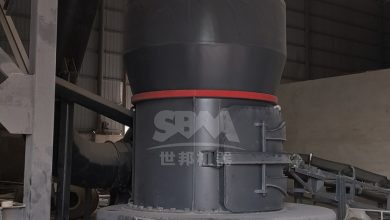
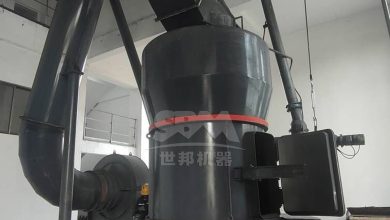
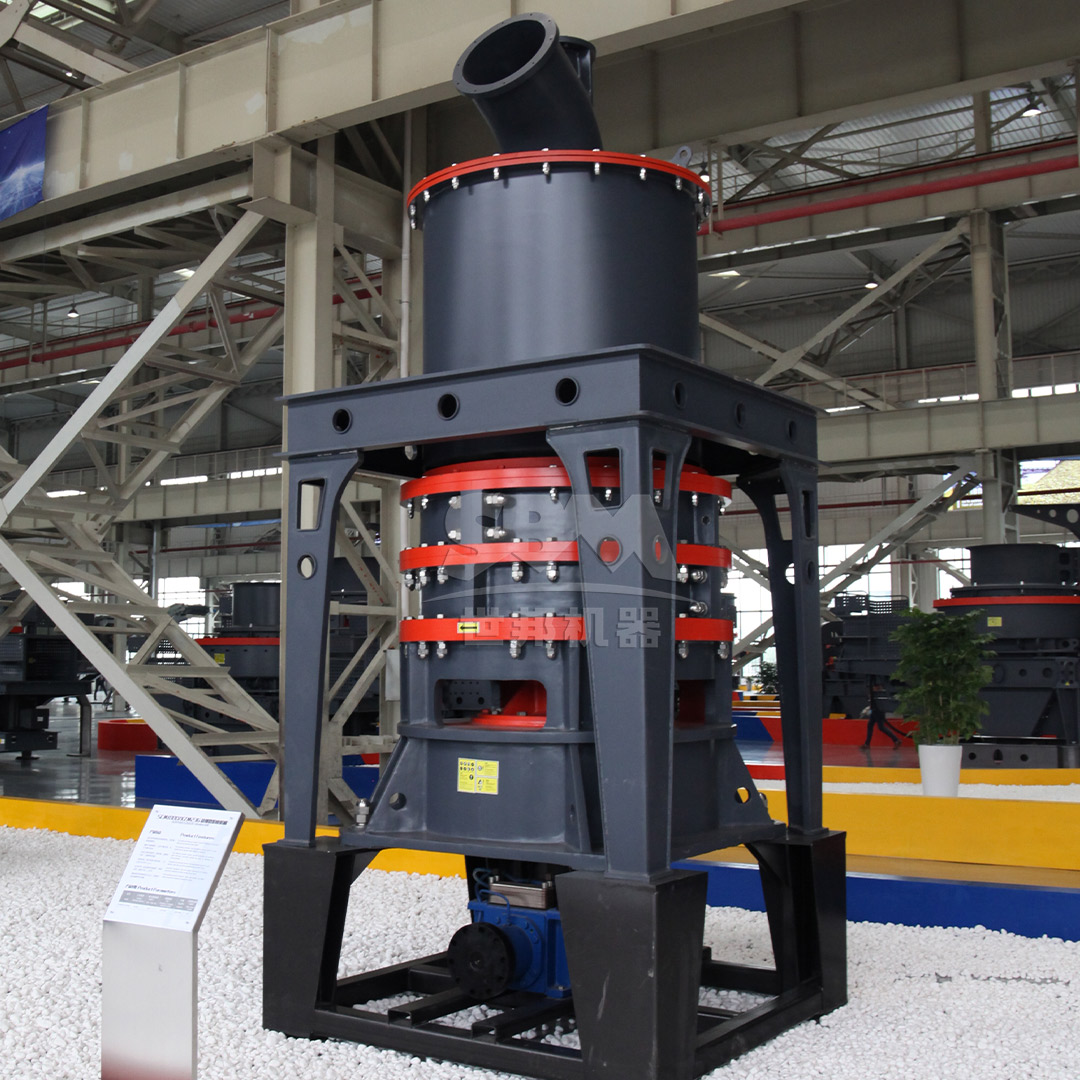
To produce the superfine, high-purity graphite powders demanded by the lithium-ion battery, conductive coating, and advanced polymer industries, the SCM Series Ultrafine Mill is the state-of-the-art solution. This mill is specifically designed for the 45-5μm (325-2500 mesh) range. Its core advantage lies in the high-precision vertical turbine classifier, which ensures a sharp particle size cut with no coarse powder mixing, resulting in a uniform and consistent product essential for electrochemical performance. The mill operates with high efficiency, offering capacity twice that of jet mills while consuming 30% less energy. Furthermore, its fully sealed system with pulse dust collection guarantees an eco-friendly operation with no dust leakage, preserving both product yield and a clean working environment. Models like the SCM1250 can process up to 14 tons per hour, enabling scalable production of premium graphite powders.
Conclusion
Natural microcrystalline graphite is a material of profound industrial significance, bridging traditional sectors like metallurgy with cutting-edge fields like energy storage. Its value is intrinsically linked to its processing. Achieving the correct particle size, purity, and morphology through advanced comminution technology is not merely a production step but a critical value-adding process. By leveraging efficient, precise, and reliable grinding systems such as the MTW Series for coarse grinding and the SCM Series for ultra-fine applications, producers can optimize their operations, enhance product quality, and fully capitalize on the growing demand for this versatile carbon mineral across the global market.