Calcium Carbonate Powder Fineness: Grades and Applications in Various Industries
Introduction
Calcium carbonate (CaCO₃) is one of the most versatile and widely used industrial minerals globally. Its applications span from simple fillers to critical functional components in sophisticated products. The key determinant of its suitability for any given application is its fineness or particle size distribution. The processing of raw limestone or marble into powder of precise and consistent fineness is a technological art, directly impacting product performance, cost-efficiency, and sustainability. This article explores the standard grades of calcium carbonate powder, their defining characteristics, and their pivotal roles across diverse industries, while highlighting advanced milling solutions that make these specifications achievable.
Understanding Fineness: Mesh, Microns, and Particle Size Distribution
Fineness is quantified using several interrelated metrics. The traditional unit is mesh, indicating the number of openings per linear inch in a sieve. A higher mesh number corresponds to smaller particles. The more precise scientific unit is the micron (μm), or micrometer (one-millionth of a meter). Crucially, modern industry relies not just on an average size but on the full Particle Size Distribution (PSD), which ensures consistency and predictable behavior in the final application.
Key Fineness Grades of Calcium Carbonate
- Coarse Grinds (10-100 Mesh / 2000-150μm): Used as aggregates, in agricultural lime, and for flue gas desulfurization.
- Medium/Fine Grinds (100-325 Mesh / 150-45μm): The workhorse grade for plastics, paints, rubber, and construction materials like joint compounds and adhesives.
- Ultrafine Grinds (400-2500+ Mesh / 38-5μm): Also known as Ground Calcium Carbonate (GCC). Imparts superior properties in high-end plastics, masterbatches, paper coating, and sealants.
- Precipitated Calcium Carbonate (PCC) (0.5-3μm): Synthesized chemically for ultra-pure, uniform, and very fine particles used in food, pharmaceuticals, high-gloss paper, and advanced rubber.
Industrial Applications Dictated by Fineness
1. Plastics and Polymers
Calcium carbonate is the primary filler and reinforcing agent in plastics. Fineness directly affects mechanical properties and surface finish.
- Medium Fines (200-800 mesh): Provide cost-effective volume filling and improved stiffness in PVC pipes, profiles, and polyethylene films.
- Ultrafine GCC (1250-2500 mesh): Delivers high impact strength, excellent surface gloss, and dimensional stability in engineering plastics, automotive parts, and premium packaging. The narrow PSD prevents agglomeration and ensures uniform dispersion.
2. Paints and Coatings
Here, calcium carbonate acts as an extender pigment, influencing opacity, viscosity, weather resistance, and sheen.
- Fine Grades (600-1500 mesh): Offer good dry hiding power, whiteness, and are used in interior emulsion paints.
- Ultrafine Grades (2000+ mesh): Critical for high-quality exterior paints and industrial coatings. Their small size improves suspension stability, reduces settling, enhances scrub resistance, and contributes to a smooth, durable film.
3. Paper Industry
CaCO₃ has largely replaced kaolin as the primary coating and filler pigment in paper manufacturing, especially for alkaline (acid-free) paper production.
- Filler Grades (400-800 mesh): Incorporated into the paper pulp to improve brightness, opacity, and printability while reducing fiber cost.
- Coating Grades (Ultrafine GCC & PCC): Applied as a slurry to the paper surface. Ultrafine particles (typically below 2μm) are essential for producing a smooth, high-gloss, perfectly printable surface for magazines, catalogs, and premium office paper.
4. Adhesives, Sealants, and Construction (ASC)
In this sector, calcium carbonate modifies rheology, adds body, and reinforces the product.
- Fine to Medium Grinds: Used in ceramic tile adhesives, grouts, and joint compounds for drywall.
- Ultrafine Grinds: Essential for high-performance sealants and silicone formulations, where they provide thixotropy, prevent sagging, and improve tensile strength without compromising flexibility or smooth application.
5. Food, Pharmaceuticals, and Personal Care
This demands the highest purity (often PCC or selected high-purity GCC) and tightly controlled fineness.
- Acts as a calcium fortifier, anti-caking agent, pH buffer, and whitener in foods (e.g., baking powder, dairy alternatives).
- In toothpaste, a precisely controlled fine abrasive (typically d50 ~ 5-15μm) cleans effectively without damaging enamel.
- In pharmaceuticals, it is a common excipient in tablets.
The Critical Role of Grinding Technology
Achieving these precise fineness grades consistently, efficiently, and at scale requires advanced milling equipment. The choice of mill depends on the target particle size, required capacity, energy efficiency goals, and desired particle shape.
Milling Solutions for Different Fineness Tiers
For medium to fine grinding (30-325 mesh), robust and efficient systems like the MTW Series European Trapezium Mill are ideal. This mill excels in processing feed sizes up to 50mm into a consistent powder with capacities reaching 45 tons per hour. Its integrated bevel gear drive (98% efficiency) and anti-wear shovel design make it a cost-effective and reliable workhorse for producing calcium carbonate for plastics, paints, and construction materials.

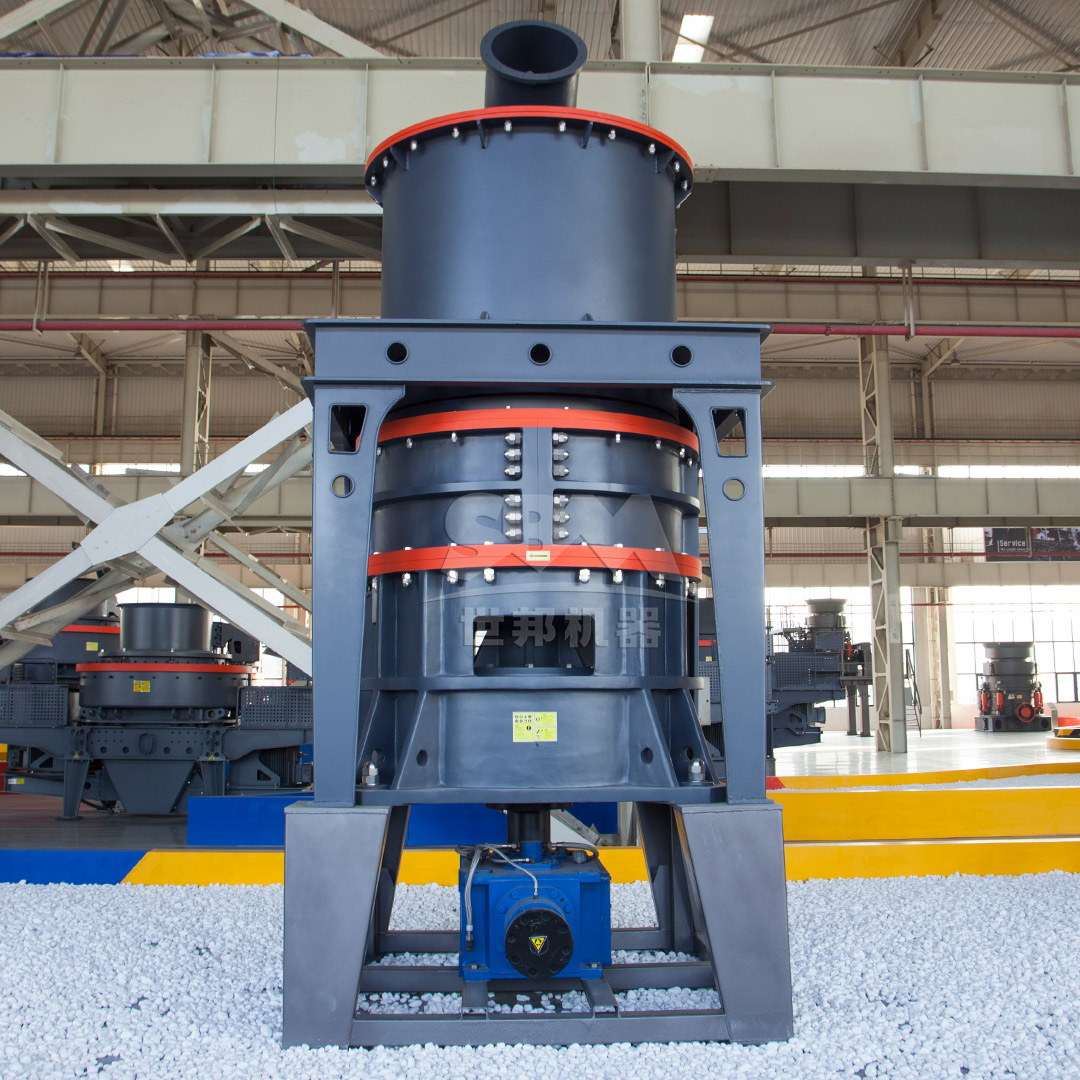
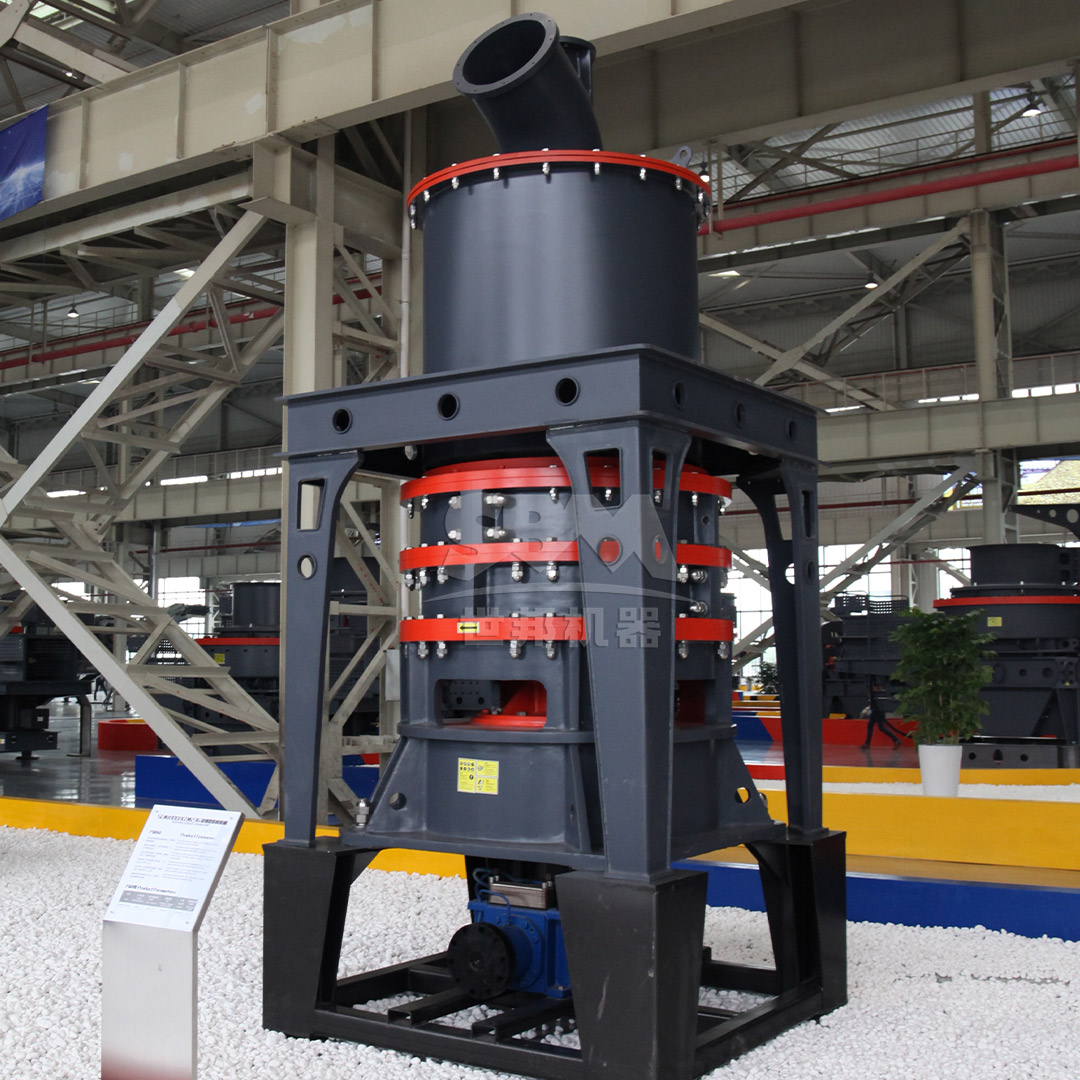
For producing high-value ultrafine (325-2500 mesh) and consistent GCC, the technology demands shift towards precision classification and energy-efficient fine grinding. The SCM Series Ultrafine Mill is engineered specifically for this challenge. It integrates grinding and high-precision classification in a single unit. Its vertical turbine classifier ensures sharp particle size cuts with no coarse powder mixing, which is critical for paper coating and high-end plastic applications. With a capacity 2x that of traditional jet mills and 30% lower energy consumption, the SCM Series, such as the SCM1250 model (2.5-14 t/h, 185kW), represents a leap in productivity and sustainability for ultrafine powder producers.
Conclusion
The journey of calcium carbonate from quarry to high-tech product is fundamentally guided by the science of particle size. Each industry and application has a “sweet spot” in terms of fineness that optimizes performance and economics. As demand grows for finer, more consistent, and sustainably produced powders, the advancement of grinding technology becomes paramount. Investing in the right milling equipment—from efficient trapezium mills for broad-range production to sophisticated ultrafine mills for premium grades—is not merely an operational decision but a strategic one that defines a producer’s capability to serve the evolving needs of the global market.