Advantages of Using Vertical Roller Mill for Desulfurization Limestone Powder Production
Introduction
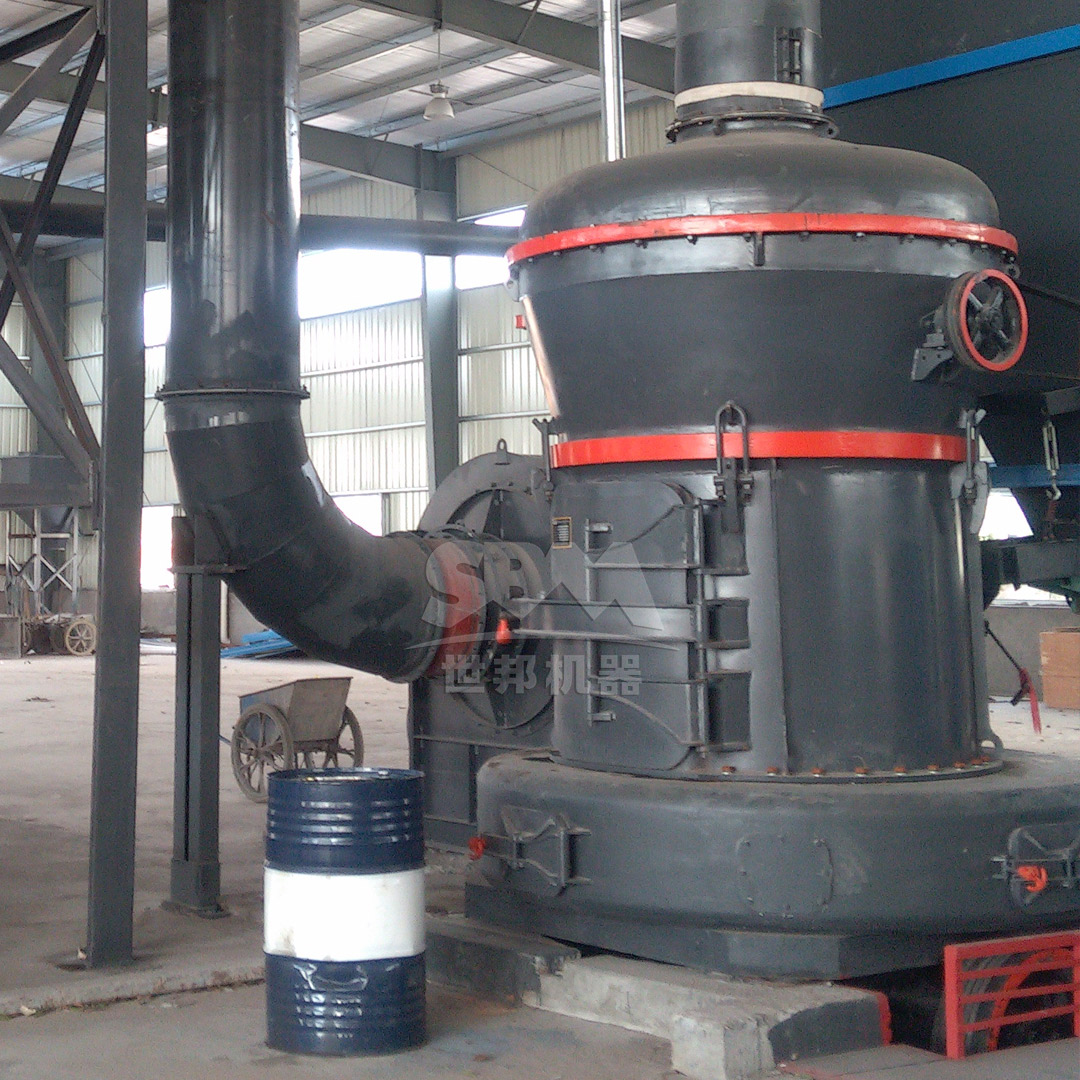
In the global effort to reduce sulfur dioxide (SO₂) emissions from industrial processes, particularly in coal-fired power plants, Flue Gas Desulfurization (FGD) has become a standard and critical technology. Among various FGD methods, the wet limestone-gypsum process is the most widely adopted due to its high efficiency and reliability. The core of this process lies in the production of high-quality, reactive limestone powder. The choice of grinding equipment is paramount, directly impacting the desulfurization efficiency, operational cost, and environmental footprint. This article explores the significant advantages of using Vertical Roller Mills (VRM) for producing desulfurization limestone powder and highlights an optimal solution from our product portfolio.
Key Requirements for Desulfurization Limestone Powder
Effective desulfurization demands limestone powder with specific characteristics:
- Appropriate Fineness: Typically ranging from 325 mesh (45μm) to 250 mesh (63μm). Sufficient surface area is crucial for rapid dissolution and reaction with SO₂.
- High Reactivity: The powder must have a high chemical purity (CaCO₃ content) and be free of impurities that could poison the reaction or cause scaling.
- Consistent Particle Size Distribution: A uniform and controlled particle size ensures predictable slurry behavior and stable absorption rates in the scrubber.
- High Production Capacity & Reliability: Power plants operate continuously, requiring a grinding system that can deliver a steady, large-tonnage supply of powder with minimal downtime.
- Low Operational Cost: Energy consumption and wear part costs are major contributors to the overall cost of desulfurization.
Advantages of Vertical Roller Mill Technology
Compared to traditional ball mills or Raymond mills, Vertical Roller Mills offer a transformative set of benefits for limestone grinding in FGD applications.
1. Superior Energy Efficiency
The fundamental working principle of a VRM—grinding by bed compression between rollers and a rotating table—is inherently more efficient than the impact and attrition method of ball mills. VRMs consume 30% to 50% less specific energy (kWh/ton) for the same product fineness. This translates directly into massive electricity savings for a high-capacity, 24/7 operation like a power plant’s FGD system.
2. Integrated System with Small Footprint
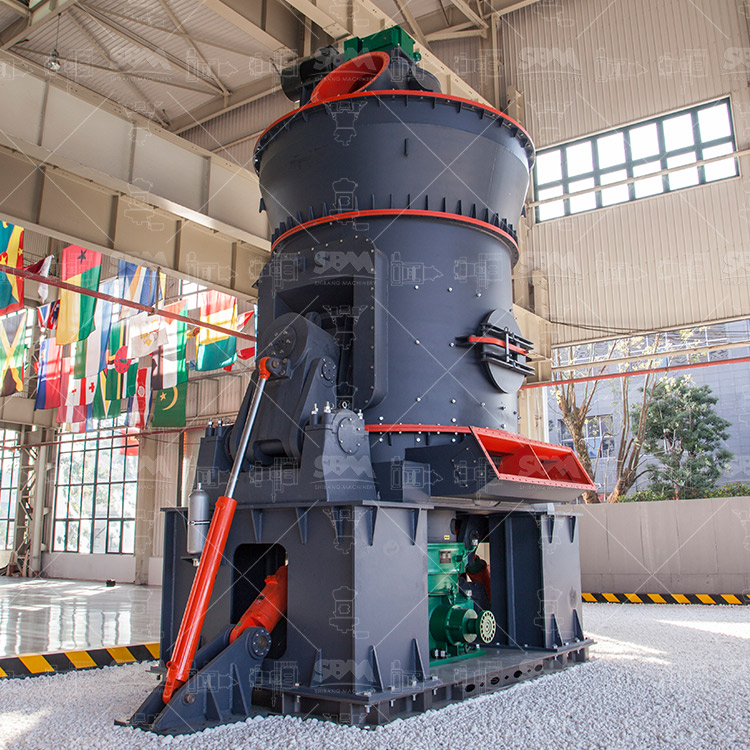
A VRM is a highly integrated system that combines crushing, grinding, drying, classifying, and conveying into a single, compact unit. Its vertical structure occupies significantly less floor space—often less than 50% of a ball mill system with equivalent output. This is a critical advantage for retrofitting projects in existing plants where space is at a premium.
3. Excellent Product Quality Control
Modern VRMs are equipped with high-efficiency, dynamic classifiers (often turbine type) that allow precise control over the top particle size and a sharp particle size distribution. This prevents coarse particles (>100μm) from entering the product, which are slow to dissolve and can lead to unreacted limestone leaving the absorber or causing pipeline wear. The ability to consistently produce powder within the optimal 45-63μm range maximizes SO₂ absorption efficiency.
4. Advanced Drying Capability
Limestone feed can often contain surface moisture. VRMs utilize a hot gas stream (which can be waste heat from the plant) introduced at the bottom of the mill. This stream simultaneously dries the material and transports the ground fines to the classifier. This integrated drying eliminates the need for a separate dryer, simplifying the process and saving further energy.
5. Low Noise and Environmental Compliance
VRMs operate with lower vibration and noise levels compared to large ball mills. Furthermore, the entire grinding process occurs under negative pressure, preventing dust emissions. Combined with high-efficiency pulse jet bag filters, VRM systems easily meet the strictest environmental standards for particulate matter.
6. Reduced Maintenance and Operating Costs
While the initial investment might be comparable, the lifecycle cost of a VRM is lower. Key wear parts like grinding rollers and tables are made from highly wear-resistant alloys and can be refurbished in segments. The non-contact design between rollers and table (with a hydraulic pressure system) also reduces metal-to-metal wear. Furthermore, lower energy consumption and the elimination of grinding media (balls) contribute to sustained operational savings.
Recommended Solution: Our LM Series Vertical Roller Mill
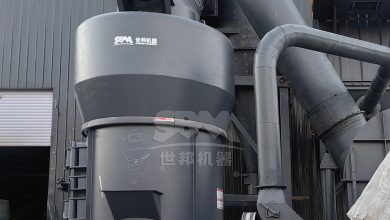
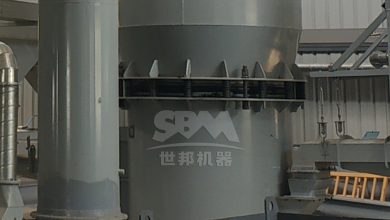
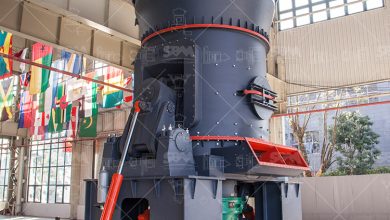
For large-scale, efficient, and reliable production of desulfurization limestone powder, we highly recommend our flagship LM Series Vertical Roller Mill. This mill is engineered specifically to meet the rigorous demands of industrial mineral processing, including FGD applications.
The LM Series VRM embodies all the advantages discussed above:
- High Capacity & Efficiency: With models ranging from 10 to over 250 tons per hour, it can serve the needs of any power plant. Its integrated design reduces energy consumption by 30-40% compared to ball mill systems.
- Intelligent Control System: It features an expert-level automatic control system that allows for remote monitoring and operation. The system ensures stable product fineness by automatically adjusting parameters like grinding pressure and classifier speed.
- Robust and Durable Design: The mill employs a modular grinding roller assembly with a quick-change system, drastically reducing maintenance downtime. Special material technology extends the service life of wear parts significantly.
- Perfect for Limestone: The LM Series is ideally suited for grinding limestone to the 325-250 mesh range required for FGD. Its efficient drying capability handles feed moisture effectively.
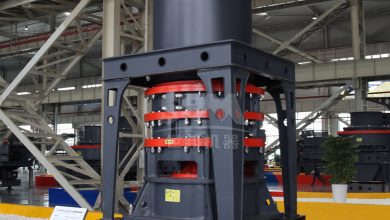
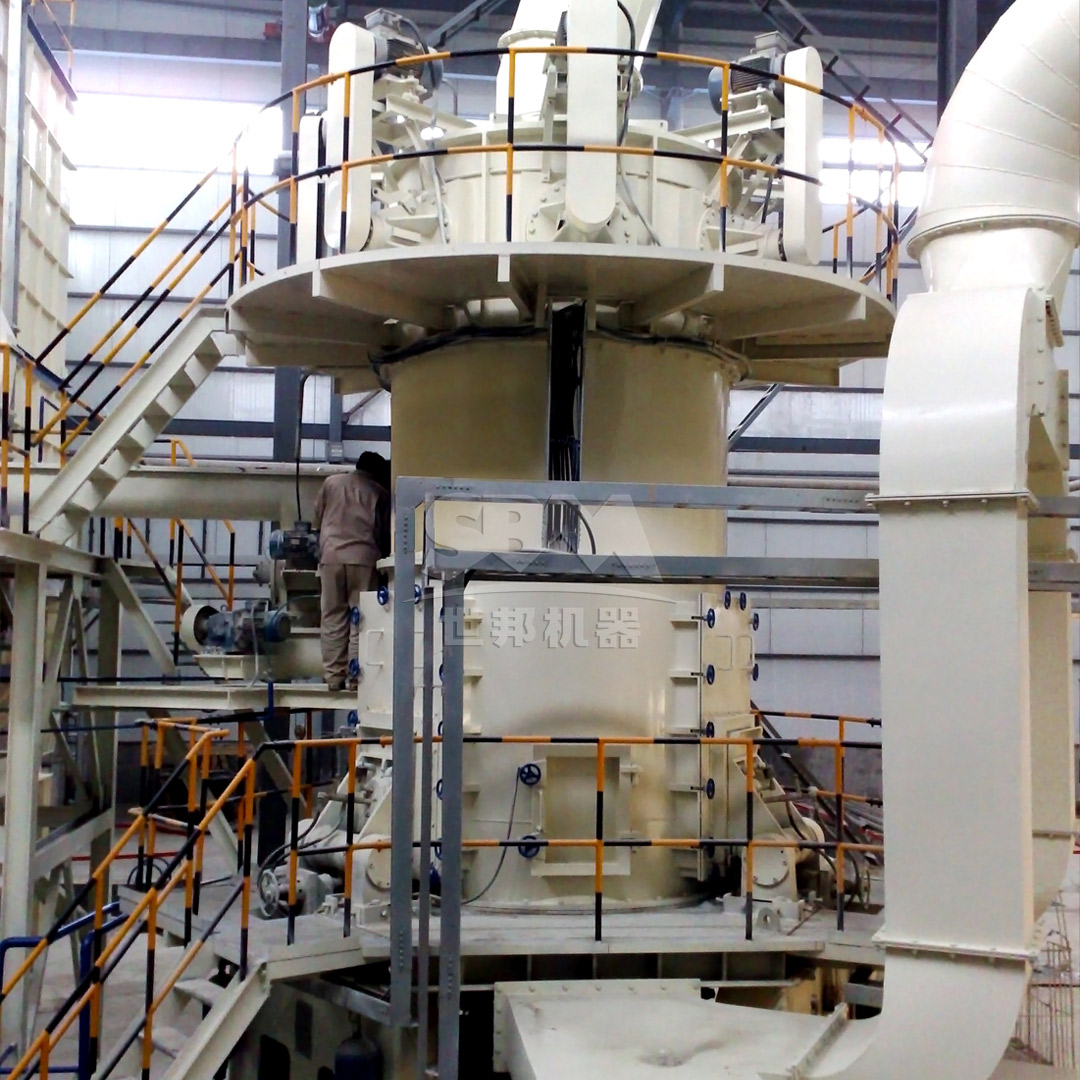
For projects requiring ultra-fine limestone powder or where higher specific surface area is desired to enhance reactivity, our LUM Ultrafine Vertical Roller Mill presents an excellent alternative. Capable of producing powder from 325 to 2500 mesh, the LUM series incorporates multi-rotor classification technology for unparalleled particle size precision, ensuring no coarse particles contaminate the final product.
Conclusion
The transition to Vertical Roller Mill technology for desulfurization limestone powder production is a clear step towards more sustainable and economical power generation. The unparalleled combination of energy savings, superior product quality, operational reliability, and environmental benefits makes the VRM the modern industry standard. By investing in advanced grinding technology like our LM Series Vertical Roller Mill, power plants and industrial facilities can significantly enhance their desulfurization performance while reducing their operating costs and carbon footprint, contributing to both regulatory compliance and corporate sustainability goals.