Steel Slag Micropowder Processing Technology and Its Applications in Construction Materials
Introduction
The steel industry generates vast quantities of steel slag as a by-product, presenting significant environmental and disposal challenges. However, with advanced processing technologies, this industrial waste can be transformed into a high-value resource. Steel slag micropowder, produced through sophisticated grinding and classification, has emerged as a crucial supplementary cementitious material (SCM) and functional filler in modern construction. This article explores the processing technology for steel slag micropowder and its diverse applications, highlighting how the right equipment is pivotal to unlocking its full potential.
Properties and Challenges of Steel Slag
Steel slag is a complex material primarily composed of calcium silicates, ferrites, and oxides of calcium, iron, silicon, magnesium, and aluminum. Its chemical composition is similar to Portland cement, endowing it with latent hydraulic and pozzolanic activity. However, its utilization is hindered by several factors: variable chemical composition, the presence of free lime and magnesia (which can cause unsoundness), relatively low early-age reactivity, and high hardness (Bond Work Index typically >20 kWh/t). Effective processing must address these challenges by ensuring consistent fineness, activating its reactivity, and stabilizing its volume.
Core Processing Technology: Grinding and Classification
The transformation of coarse steel slag into a reactive micropowder hinges on a two-fold objective: achieving ultra-fine particle size and ensuring precise particle size distribution (PSD).
1. The Grinding Stage
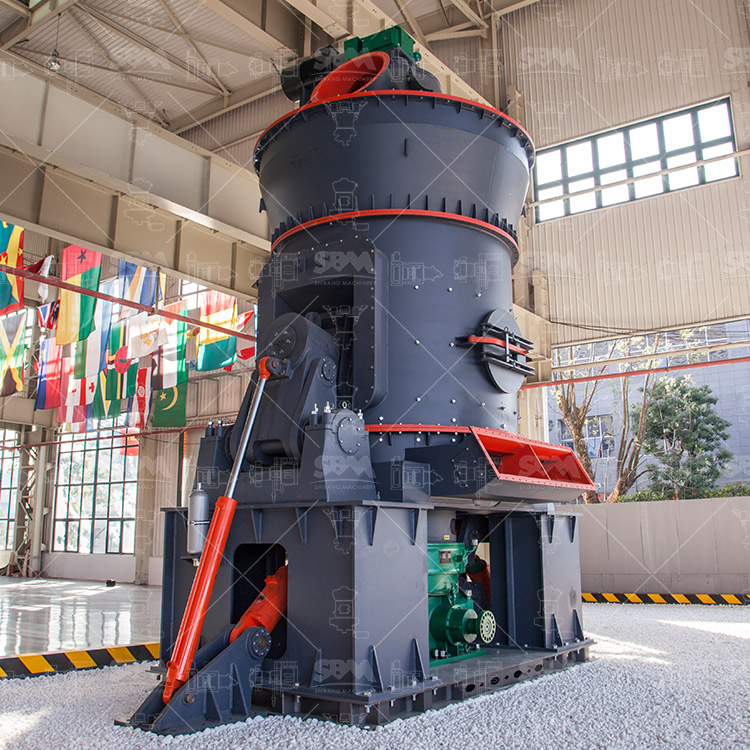
Due to its hardness and abrasiveness, steel slag requires robust and efficient grinding equipment. The goal is to increase the specific surface area (often targeting 400-600 m²/kg or higher) to expose more surface area for chemical reactions. Traditional ball mills, while reliable, are often energy-intensive for achieving very fine powders. Modern vertical roller mills and specialized ultrafine mills offer superior energy efficiency and control.
2. The Classification Stage
Merely grinding the slag is insufficient. Precise classification is critical to remove coarse particles that contribute little to strength development and may harm the final product’s performance. Advanced classifiers, often integrated with the grinding system, ensure a tight PSD, maximizing the powder’s packing density and reactivity.
Key Equipment for High-Quality Steel Slag Micropowder Production
Selecting the appropriate grinding system is paramount for economic and technical success. The equipment must offer high grinding efficiency, wear resistance, precise classification, and environmental compliance.
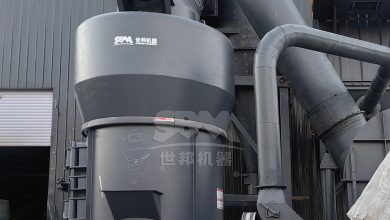
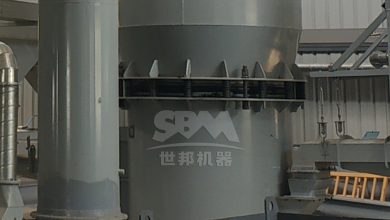
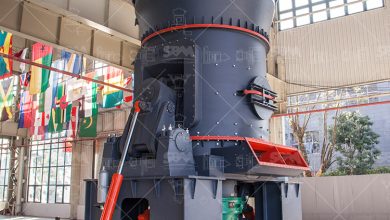
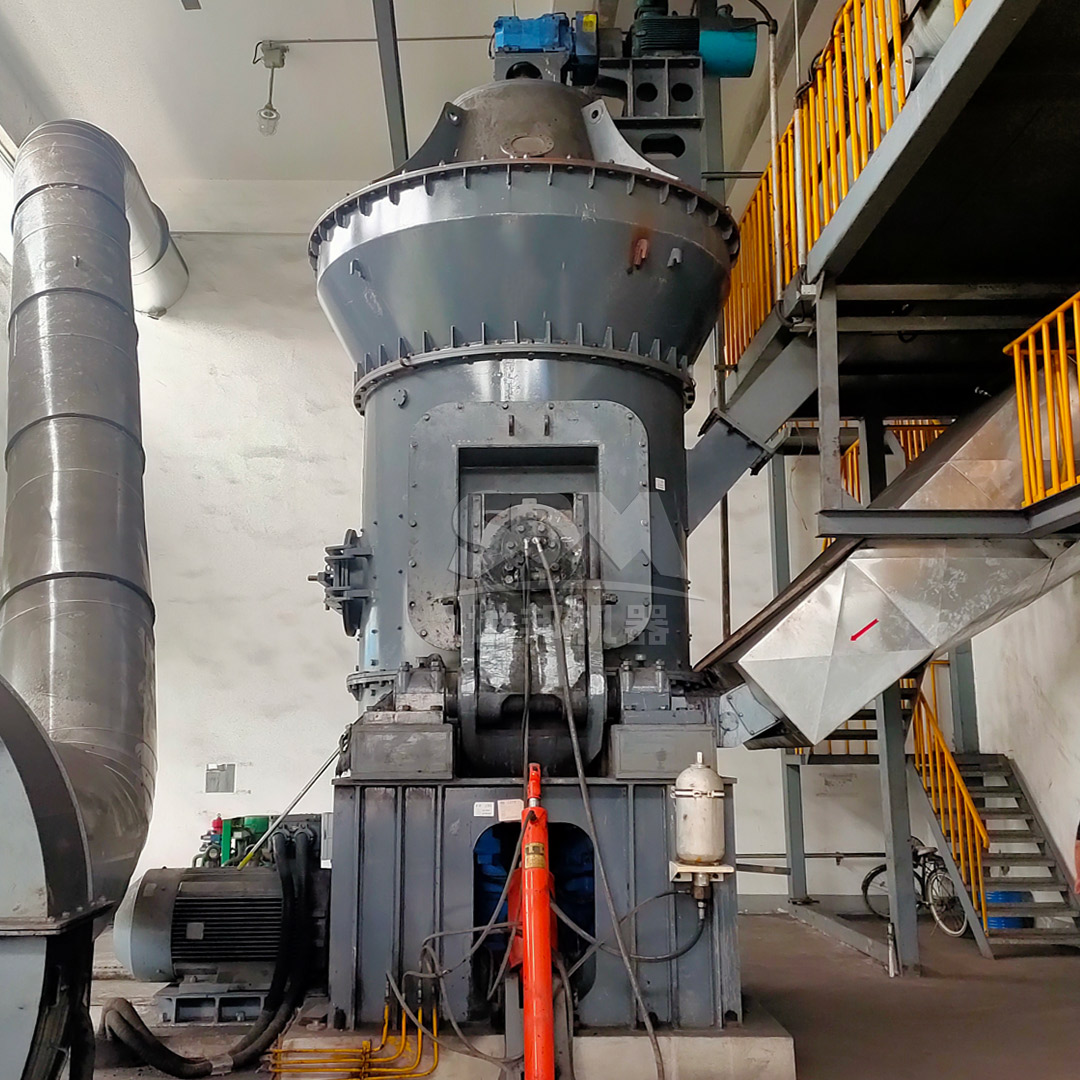
For large-scale production of steel slag powder in the range of 400-600 m²/kg (approximately 325-600 mesh), the LM Series Vertical Roller Mill stands out as an optimal solution. Its integrated design combines crushing, grinding, drying, and classification in a single unit, reducing footprint by 50% and infrastructure costs by 40%. Most importantly, its bed grinding principle and non-contact design between rollers and table result in energy consumption 30-40% lower than traditional ball mill systems—a decisive factor for cost-sensitive SCM production. The fully sealed negative pressure operation ensures dust emissions and noise levels are well within international environmental standards, making it a sustainable choice for modern plants.
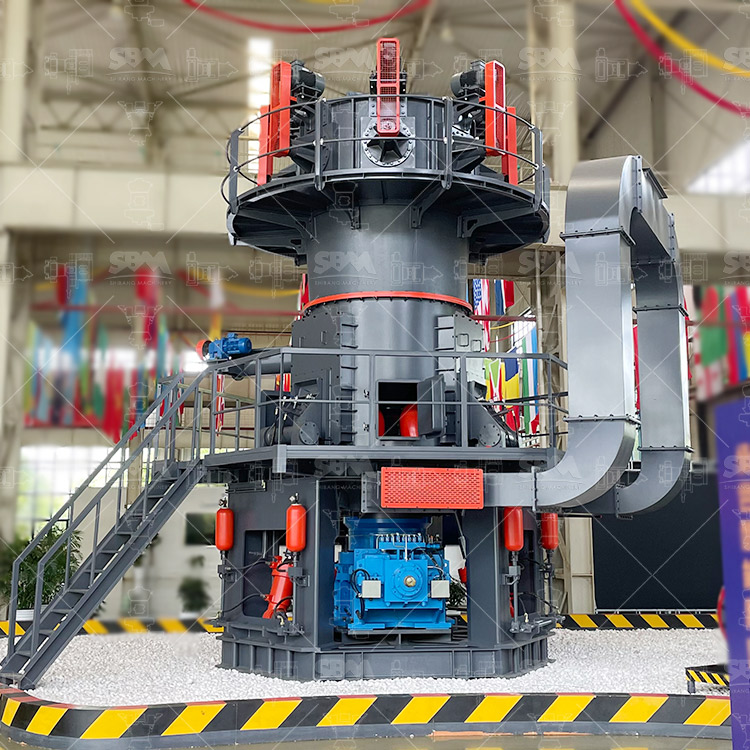
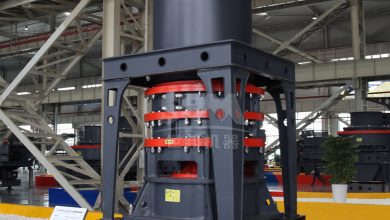
For applications demanding ultra-fine or high-purity steel slag powder (e.g., 2500 mesh for high-performance composites), a dedicated ultrafine grinding system is required. Here, the SCM Series Ultrafine Mill is exceptionally capable. Engineered to produce powders between 325 and 2500 mesh (5-45μm), it features a high-precision vertical turbine classifier that ensures no coarse powder mixing, delivering a uniform and high-quality product. Its special material rollers and rings offer exceptional durability against abrasive materials like slag, extending service life significantly. Furthermore, its intelligent control system with automatic finished product granularity feedback allows for stable, consistent output quality with minimal manual intervention, which is crucial for meeting stringent material specifications.
Applications in Construction Materials
Processed steel slag micropowder finds extensive use across the construction sector, contributing to sustainability and performance enhancement.
1. Concrete Production
- Supplementary Cementitious Material (SCM): It partially replaces Portland cement (typically 20-50%), reducing the carbon footprint and cost of concrete. Its hydraulic properties contribute to long-term strength development and improve durability by refining pore structure and reducing permeability.
- Fine Aggregate/Filler: The micropowder improves the particle packing of concrete mixtures, enhancing workability, reducing bleeding, and increasing density.
2. Cement Manufacturing
Steel slag micropowder is interground with clinker to produce Portland-slag cement or blended cements. It adjusts setting time and improves the final cement’s resistance to sulfate attack and alkali-silica reaction.
3. Road Construction and Soil Stabilization
Its cementitious properties make it suitable for stabilizing sub-grade soils and as a binder in road base layers, offering an alternative to lime or traditional cement.
4. Autoclaved Aerated Concrete (AAC) and Cementitious Boards
It serves as a silica-rich component in AAC blocks and as a functional filler in fiber-cement boards, improving dimensional stability and reducing raw material costs.
Conclusion
The valorization of steel slag through micropowder processing represents a cornerstone of the circular economy in the construction industry. Transforming an industrial by-product into high-performance construction materials not only addresses waste management issues but also conserves natural resources and reduces CO2 emissions. The success of this transformation is intrinsically linked to advanced processing technology. Efficient, reliable, and precise grinding and classification equipment, such as the LM Series Vertical Roller Mill for general production and the SCM Series Ultrafine Mill for specialized high-fineness applications, are essential to produce consistent, high-quality steel slag micropowder that meets the rigorous demands of modern construction applications. Investing in the right technology is the key to unlocking the economic and environmental benefits of this valuable secondary resource.