Process of Producing Calcium Aluminate from Papermaking White Mud
1. Introduction: From Waste to Value
The papermaking industry generates significant quantities of solid waste, primarily in the form of white mud, a calcium-rich byproduct of the chemical pulping process (kraft or soda process). Traditional disposal methods, such as landfilling, pose serious environmental challenges due to its high alkalinity and potential for leaching. However, this ‘waste’ presents a valuable opportunity as a secondary raw material. One promising avenue for its valorization is the production of Calcium Aluminate, a critical material used in refractory cements, advanced ceramics, and as a precursor for other alumina-based chemicals. This article outlines a comprehensive, industrial-scale process for transforming papermaking white mud into high-purity calcium aluminate, highlighting key technological steps and equipment requirements.
2. Raw Material Pre-treatment and Characterization
The first and crucial step is the thorough characterization and pre-treatment of the white mud. Typically composed of calcium carbonate (CaCO3), residual sodium hydroxide, silica, and minor impurities, its composition must be precisely analyzed.
2.1. Washing and Drying
Residual alkali (Na2O) must be removed to prevent interference in subsequent high-temperature reactions and to ensure product purity. The white mud is subjected to a counter-current washing process with water, followed by mechanical dewatering (e.g., using a filter press) and thermal drying. The target is a moisture content below 2% to prepare for efficient grinding.
2.2. Primary Size Reduction
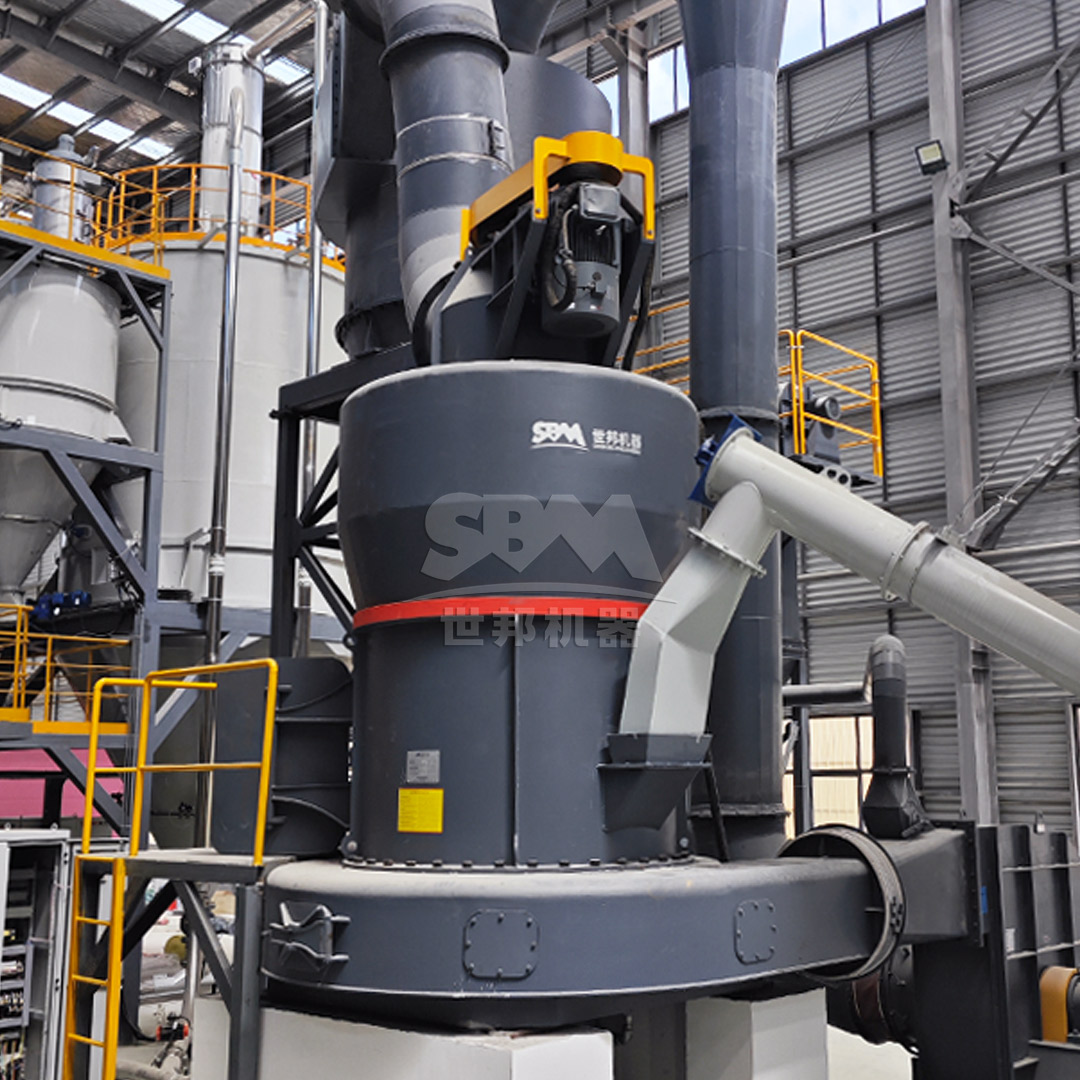
The dried white mud cakes or chunks require initial size reduction to a manageable feed size for fine grinding. A robust Hammer Mill is ideal for this stage, capable of handling the variable hardness and moisture of the material. For instance, a model like the PC4012-90 Hammer Mill, with a capacity of 15-40 t/h and a 90kW motor, can efficiently reduce the white mud to a uniform size of 0-3mm, ensuring consistent feed for the next grinding stage.
3. Fine Grinding and Homogenization
To achieve a highly reactive powder suitable for solid-state synthesis, the pre-crushed white mud must be ground to a very fine and consistent particle size. This increases the specific surface area, promoting intimate contact with the alumina source during calcination.
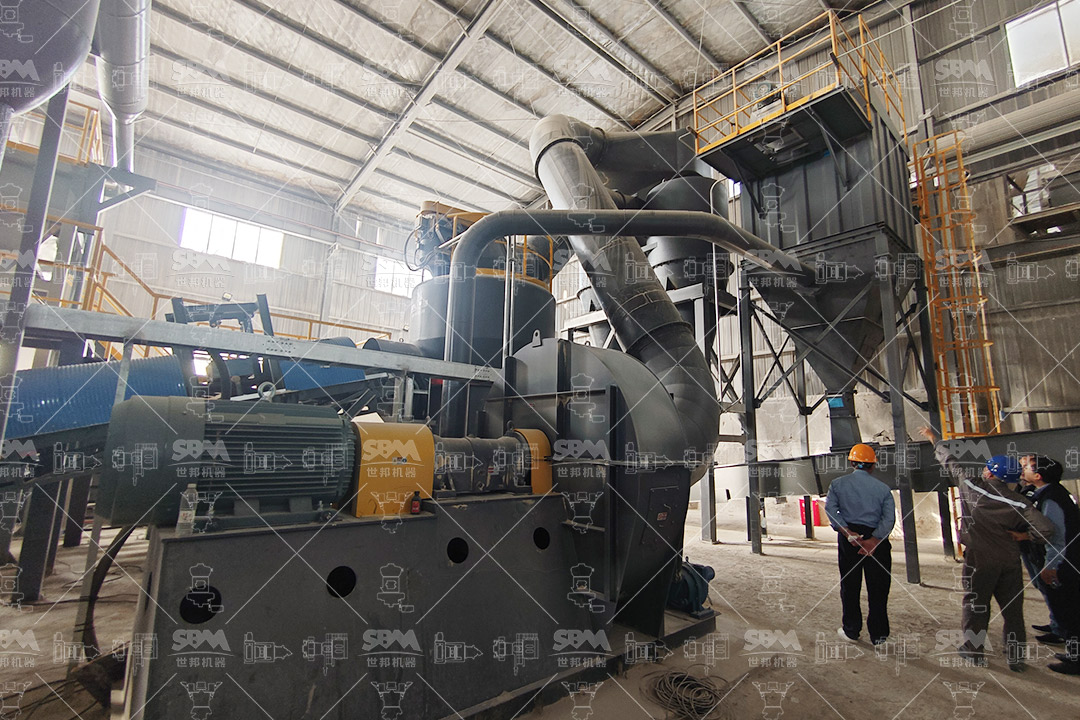
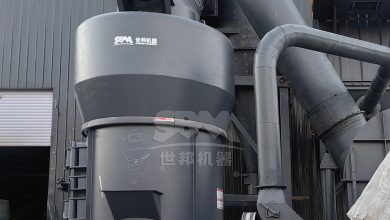
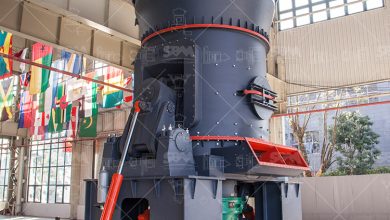
For this critical stage, a high-efficiency, large-capacity grinding system is essential. We highly recommend our LM Series Vertical Roller Mill. Its integrated design combines drying, grinding, and classification in a single unit, offering significant advantages:
- High Efficiency & Low Cost: The bed grinding principle and non-contact design between rollers and table reduce energy consumption by 30-40% compared to traditional ball mills, directly lowering operational expenses for a continuous process.
- Large Capacity: With models like the LM220K offering capacities from 36 to 105 t/h, it can easily handle the throughput required for industrial-scale calcium aluminate production.
- Precise Particle Size Control: The integrated dynamic classifier allows for precise control of the product fineness, typically in the range of 30-325 mesh (600-45μm), which is optimal for the subsequent calcination reaction.
- Environmental Compliance: Its fully sealed negative pressure operation ensures dust emissions are kept well below international standards, aligning with sustainable production goals.
The output from the LM Vertical Roller Mill is a dry, uniformly fine calcium carbonate powder ready for mixing.
4. Blending with Alumina Source and Calcination
The finely ground white mud (CaCO3) is then precisely blended with a source of alumina (Al2O3), such as industrial-grade bauxite or calcined alumina, in stoichiometric ratios corresponding to the desired calcium aluminate phase (e.g., CA – CaO·Al2O3, or CA2 – CaO·2Al2O3). Homogeneous mixing is critical and is achieved using intensive paddle or ribbon mixers.
4.1. The Calcination Process
The blended raw meal is fed into a high-temperature rotary kiln or a shaft kiln. The calcination temperature typically ranges between 1300°C and 1500°C. During this process, calcium carbonate decomposes to calcium oxide (CaO), which then reacts with alumina to form calcium aluminate minerals:
CaCO3 → CaO + CO2 (g)
CaO + Al2O3 → CaO·Al2O3 (CA)
The process requires precise temperature control and sufficient residence time to ensure complete reaction and the formation of the desired crystalline phase.
5. Clinker Cooling and Tertiary Ultra-fine Grinding
The calcined output, known as calcium aluminate clinker, exits the kiln as hard nodules. After cooling in a grate cooler, it must be ground again to its final application fineness. For refractory or advanced ceramic applications, an ultra-fine product is often required.
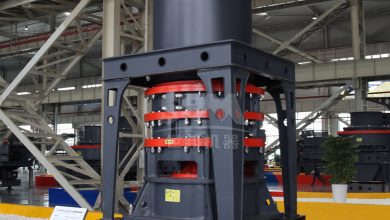
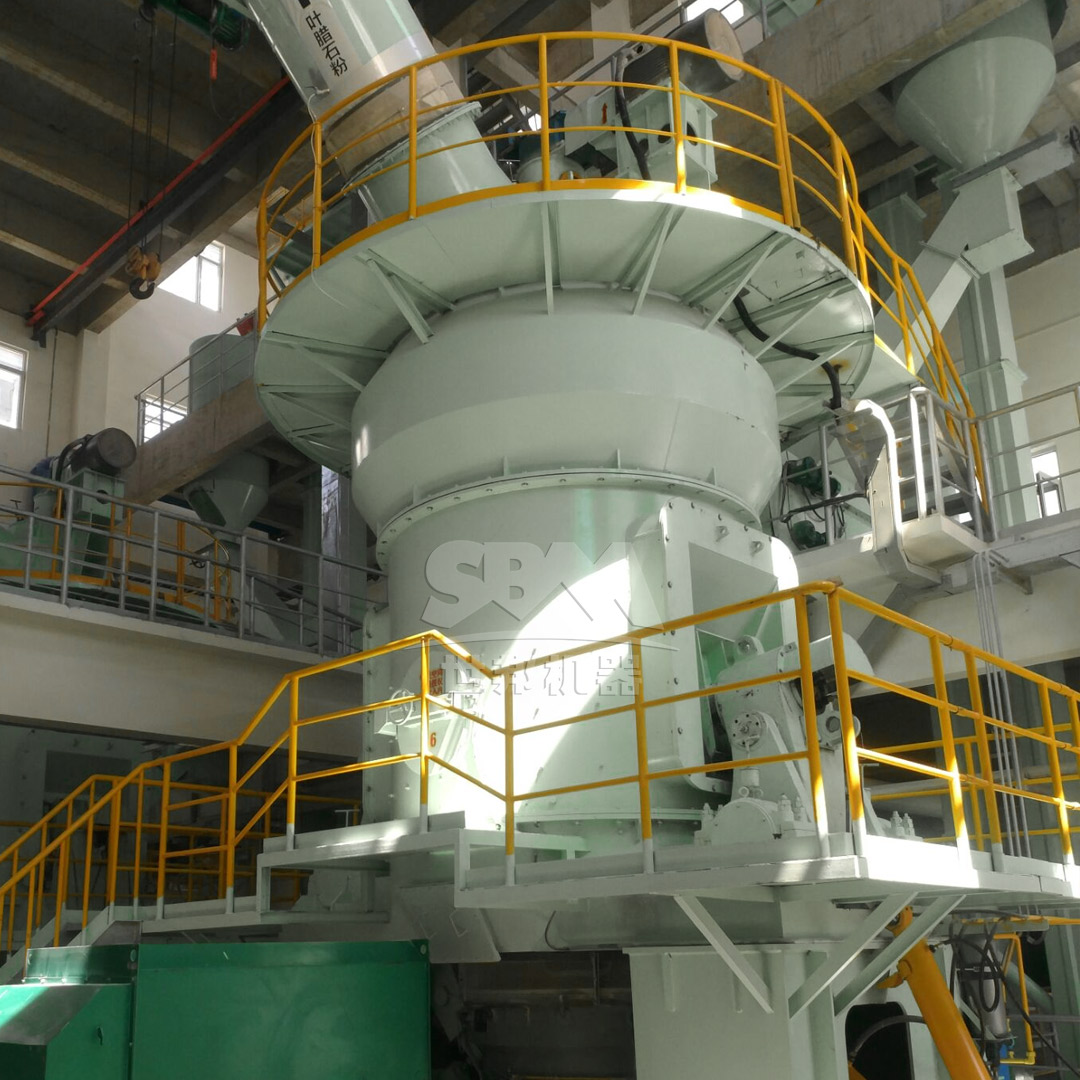
This final grinding step demands equipment capable of producing a tightly controlled, ultra-fine powder. Our SCM Series Ultrafine Mill is the optimal solution for this purpose:
- Ultra-fine Capability: It can produce powder in the range of 325-2500 mesh (45-5μm), meeting the most stringent specifications for high-performance calcium aluminate.
- High-Precision Classification: Its vertical turbine classifier ensures precise particle size cuts, eliminating coarse particles and guaranteeing a uniform, high-quality finished product essential for consistent refractory performance.
- Energy Efficiency: With a capacity 2x that of jet mills and 30% lower energy consumption, it offers a highly economical route to ultra-fine powder production.
- Durable & Eco-friendly: Special material rollers extend service life, while the pulse dust collection system exceeds international emission standards.
A model like the SCM1000, with a capacity of 1.0-8.5 t/h and fineness adjustable up to 2500 mesh, is perfectly suited for this final precision grinding stage.
6. Quality Control and Product Applications
The final ground calcium aluminate powder undergoes rigorous quality control, including X-ray diffraction (XRD) for phase composition, particle size analysis (PSD), and chemical assay. The produced material finds application in:
- Refractory Cements: As the key hydraulic binder in castable refractories for high-temperature industries (steel, cement, petrochemicals).
- Advanced Ceramics: As a precursor for technical ceramics.
- Environmental Technologies: Potential use in wastewater treatment as a phosphorous removal agent.
7. Conclusion
The production of calcium aluminate from papermaking white mud represents a paradigm shift towards a circular economy, transforming an environmental liability into a high-value industrial product. The success of this process hinges on efficient and reliable size reduction and classification technology at multiple stages. From primary crushing with a Hammer Mill, through high-capacity fine grinding with an LM Vertical Roller Mill, to final ultra-fine processing with an SCM Ultrafine Mill, selecting the right grinding equipment is paramount for achieving product quality, operational economy, and environmental sustainability. This integrated approach not only provides a profitable outlet for paper mill waste but also contributes to the sustainable supply of critical industrial minerals.